Constantine I Coins
306 AD-337 AD
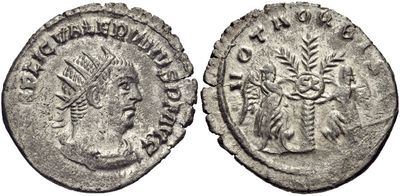
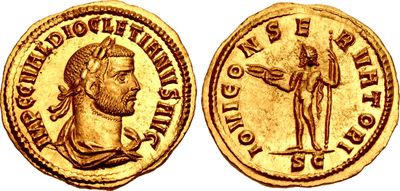
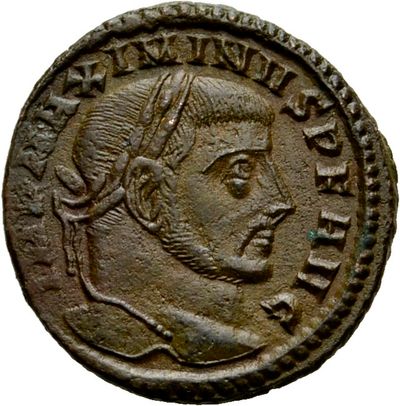
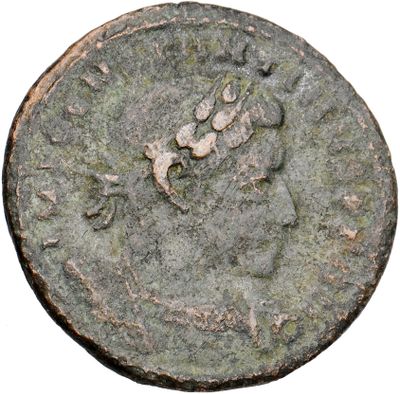
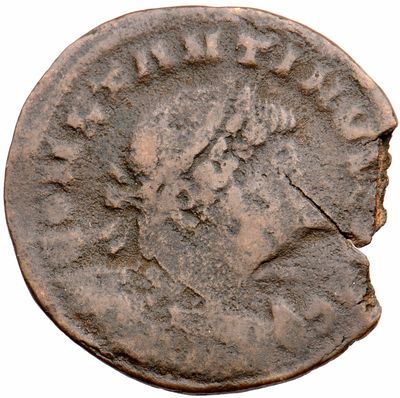
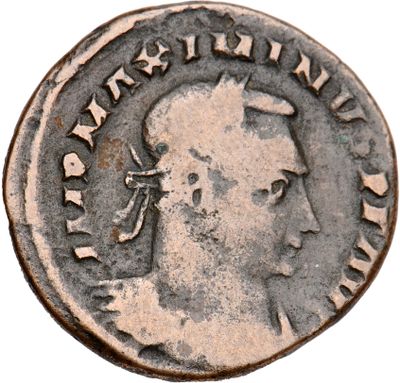
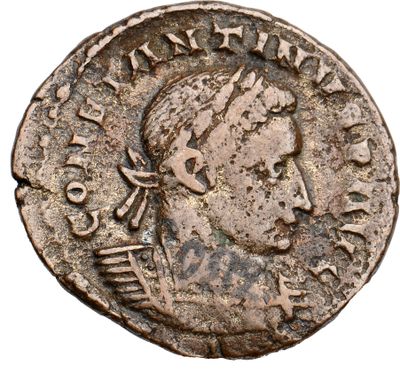
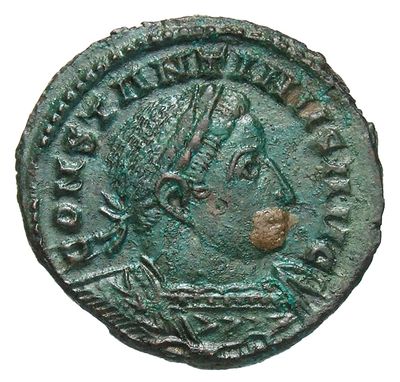
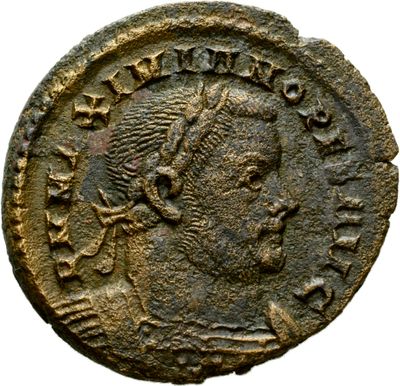
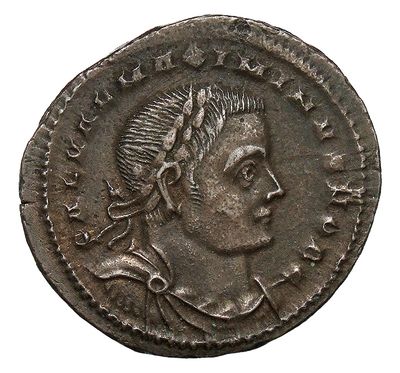
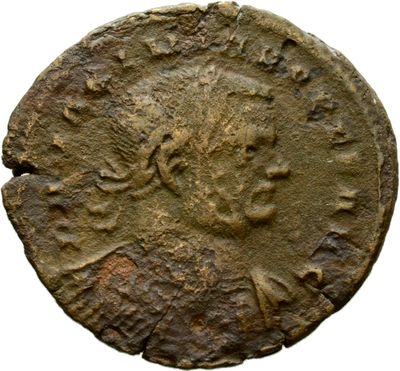
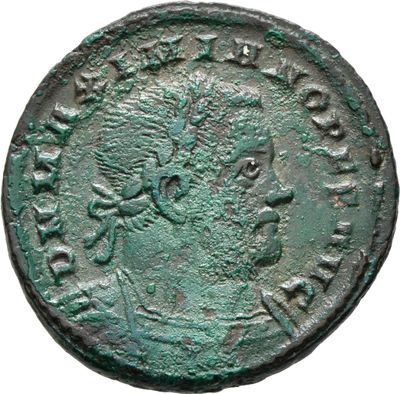
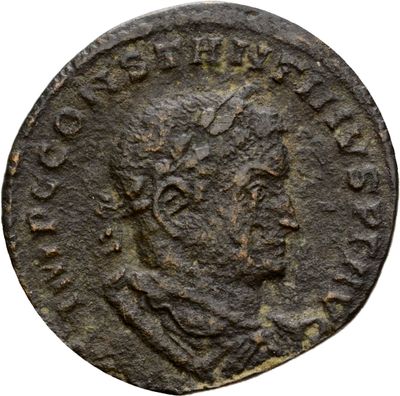
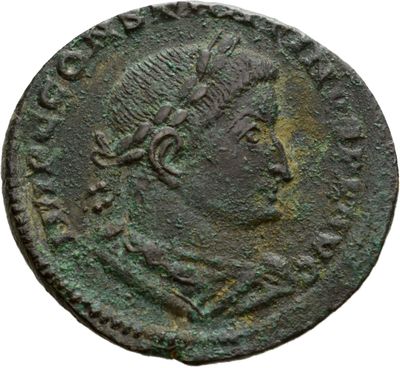
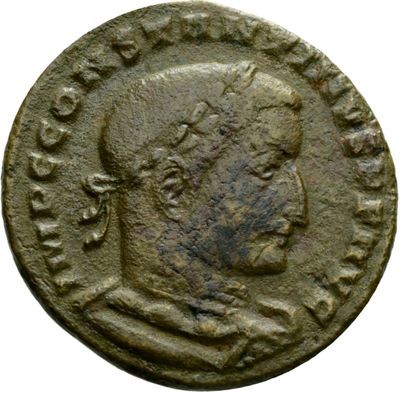
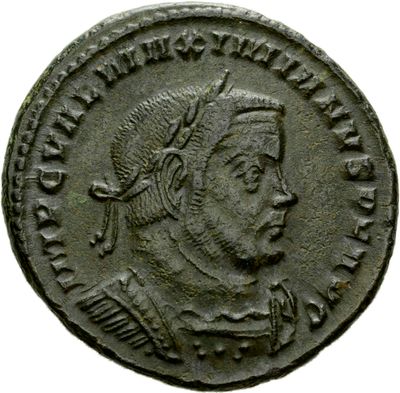
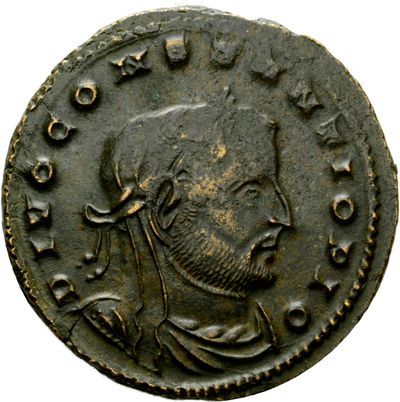
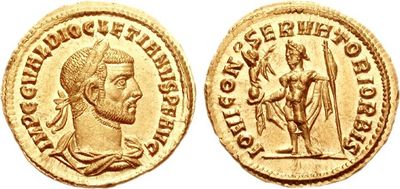
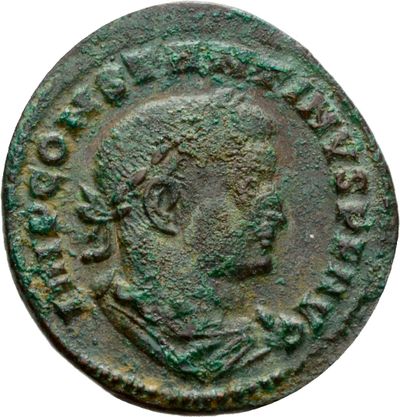
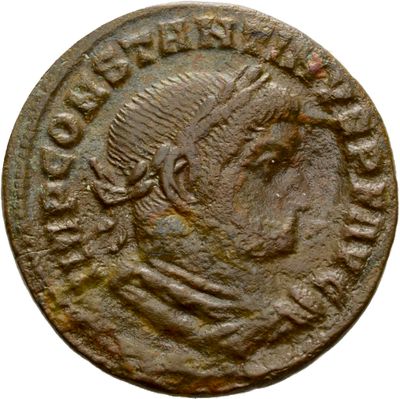
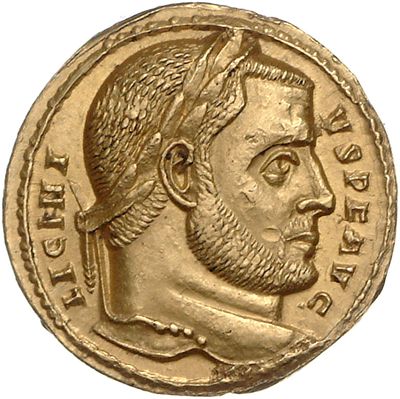
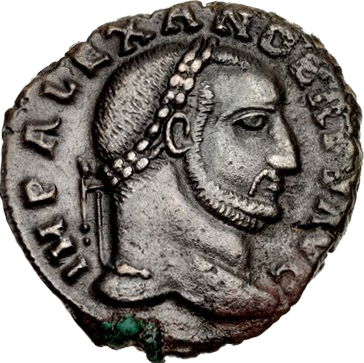
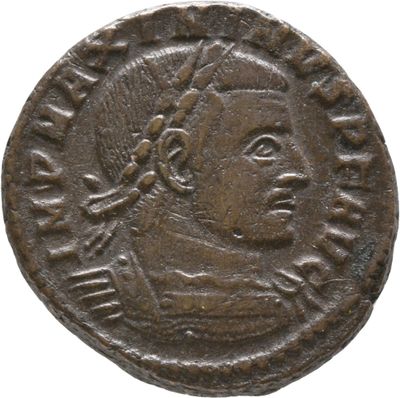
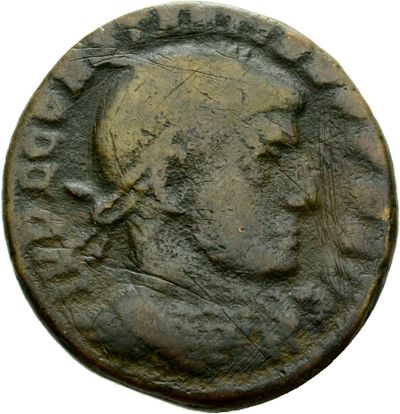
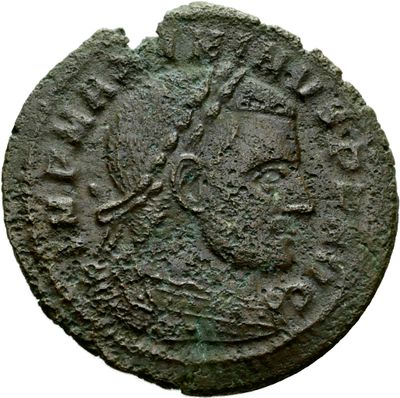
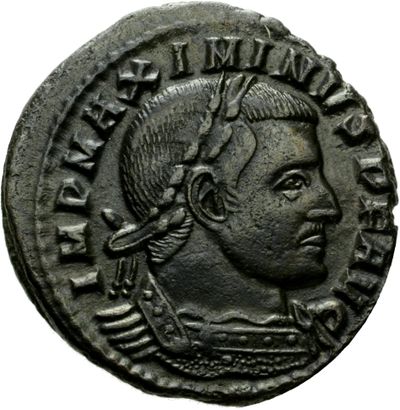
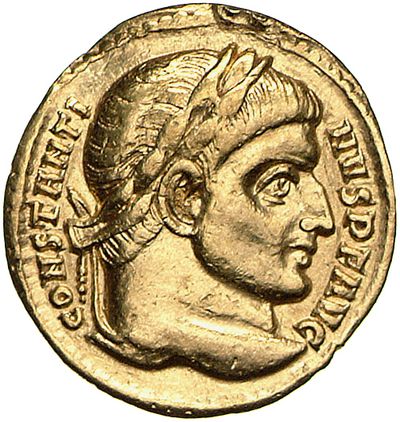
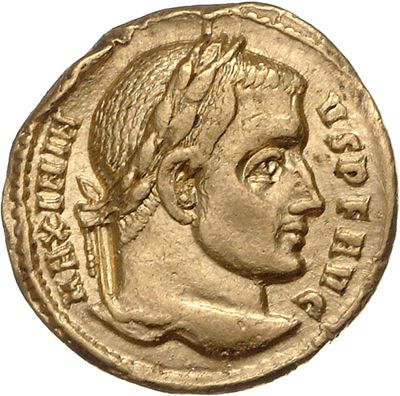
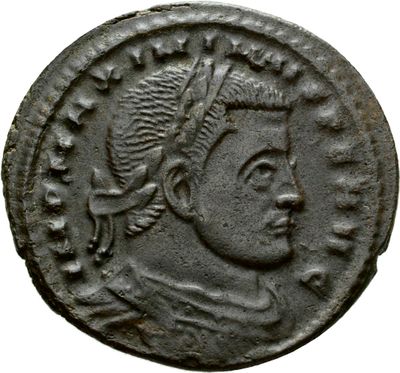
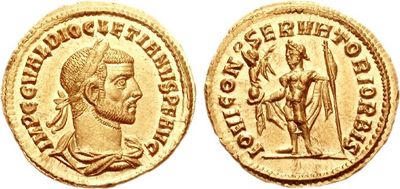
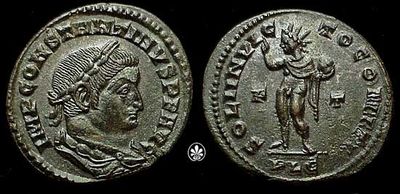
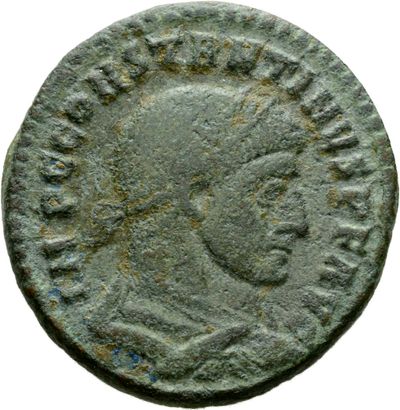
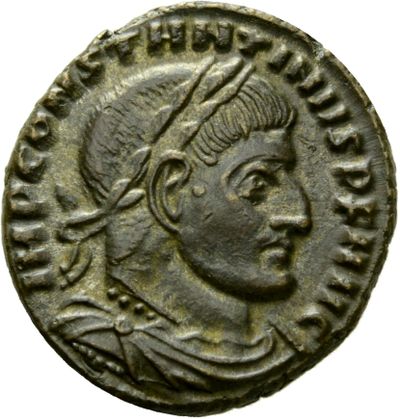
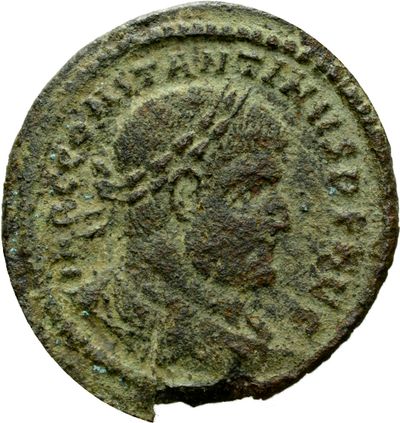
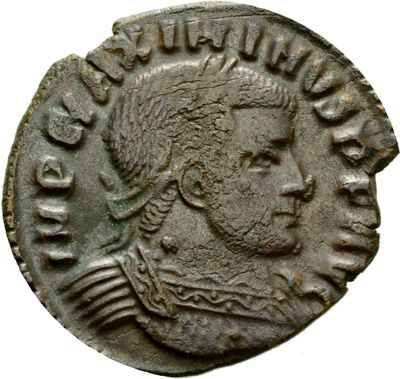
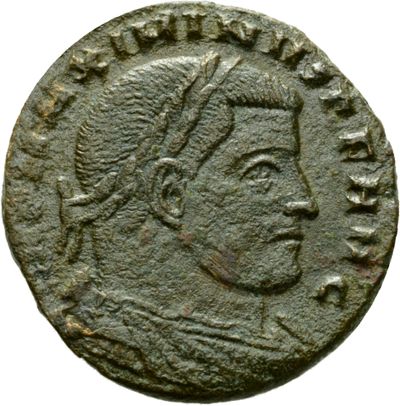
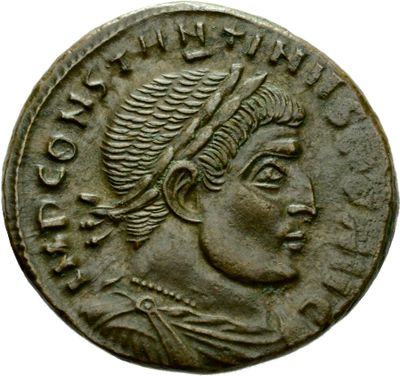
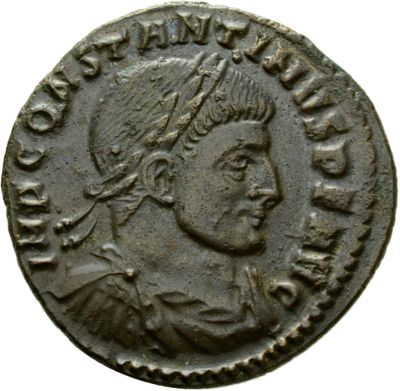
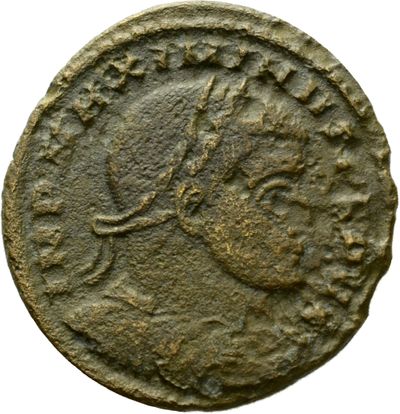
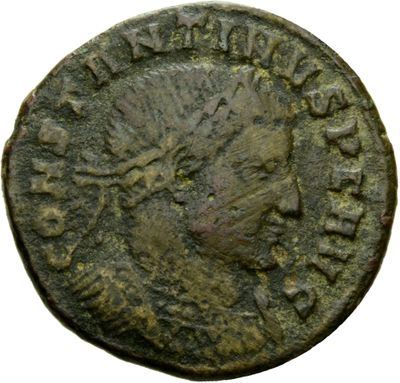
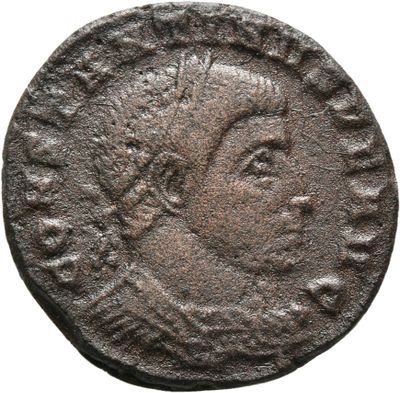
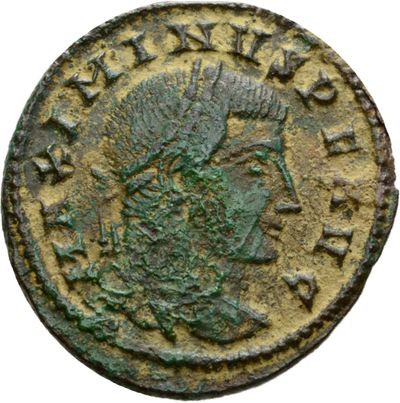
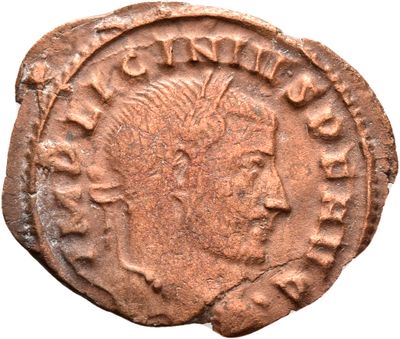
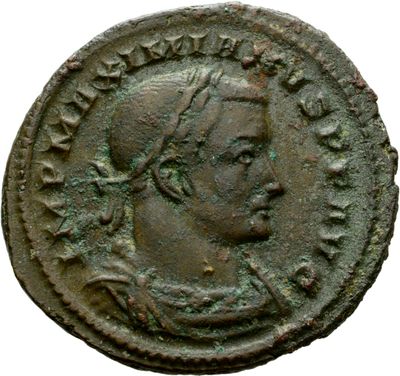
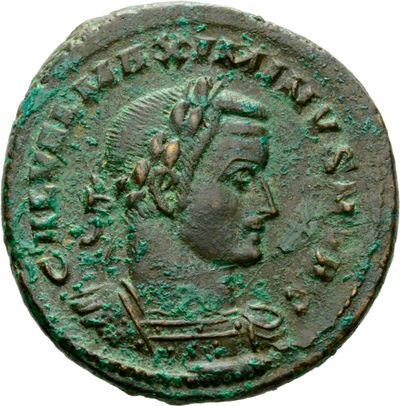
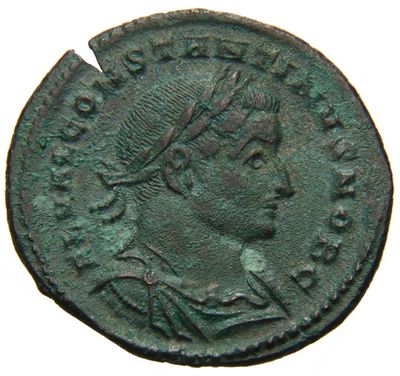
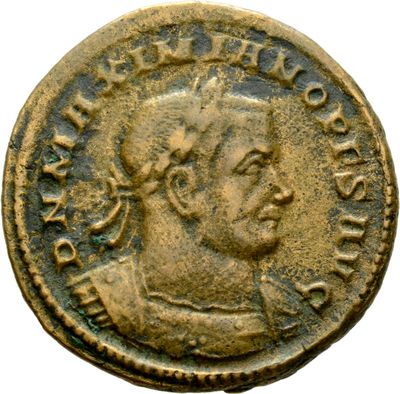
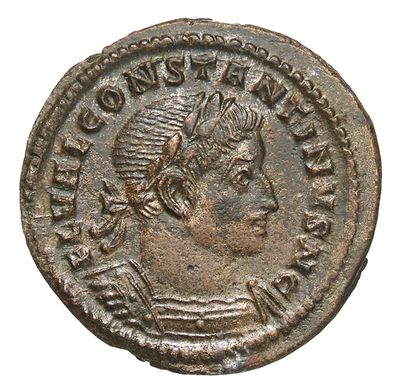
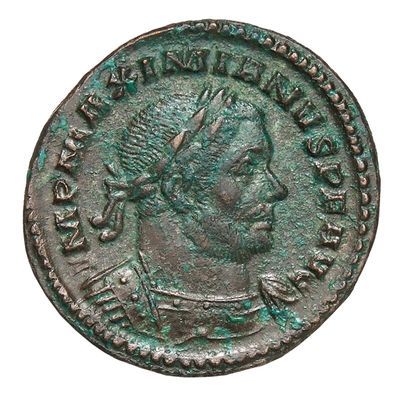
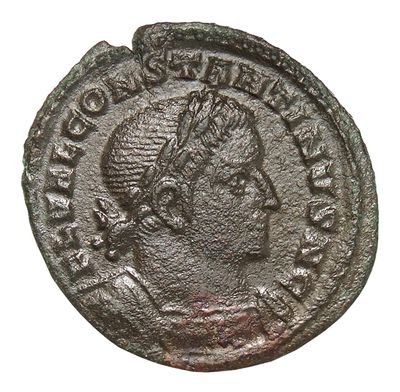
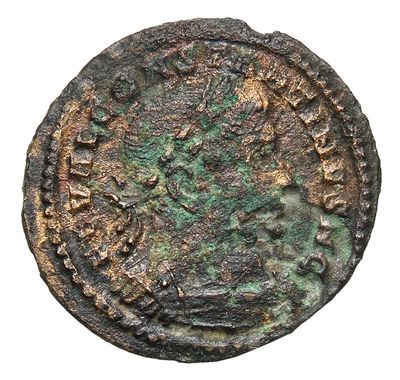
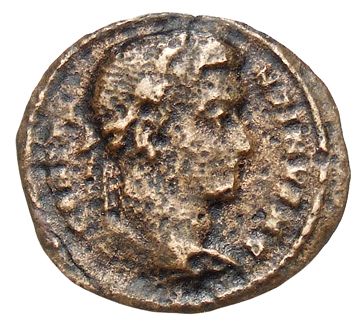
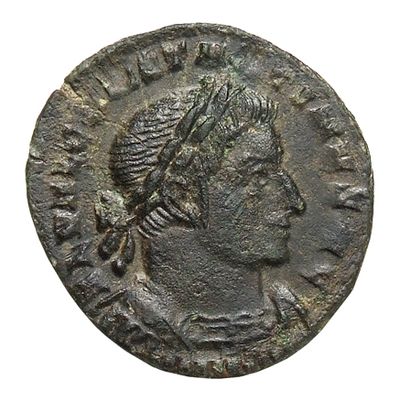
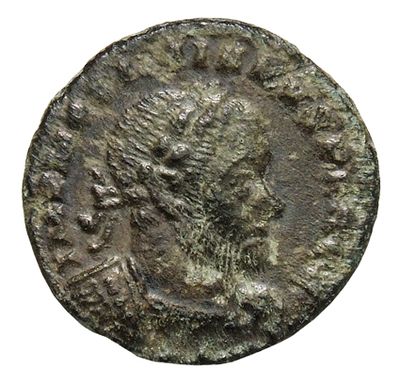
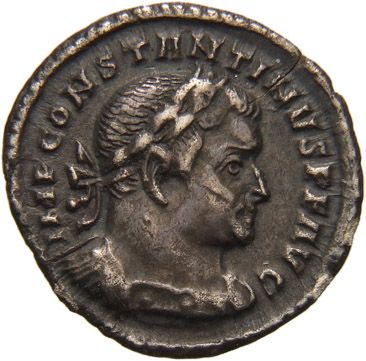
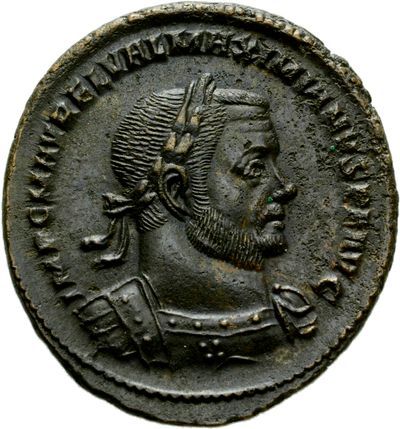
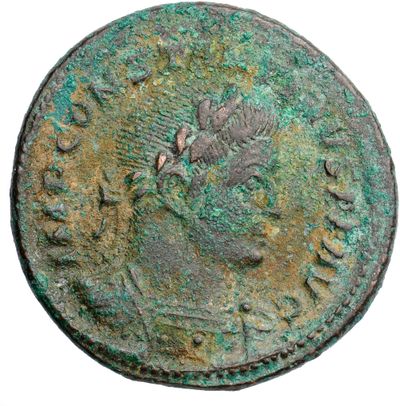
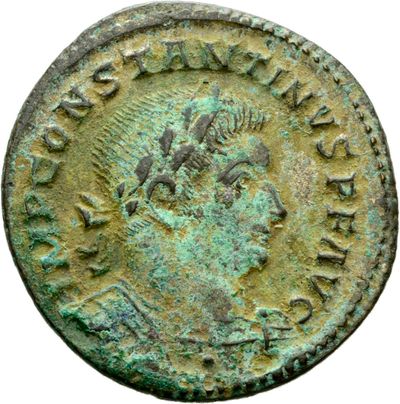
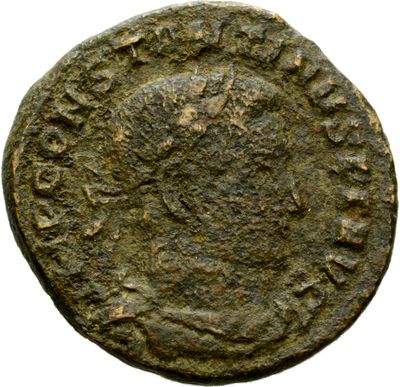
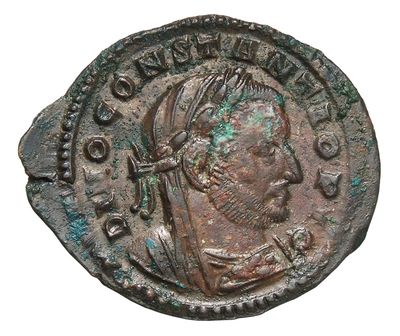
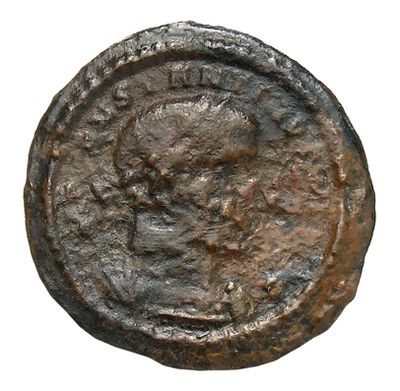
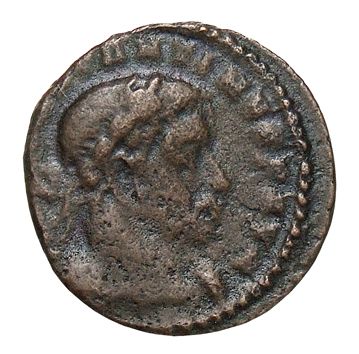
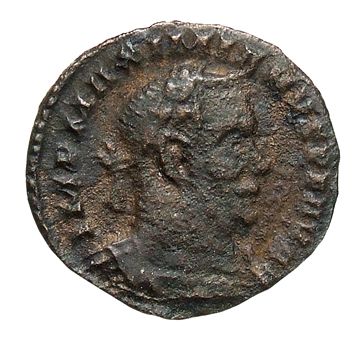
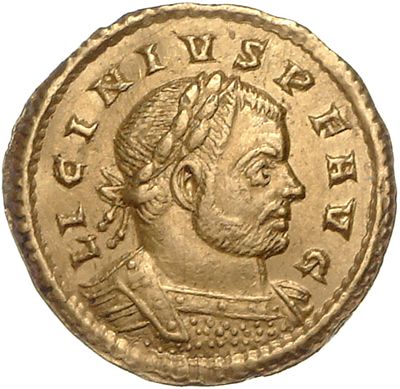
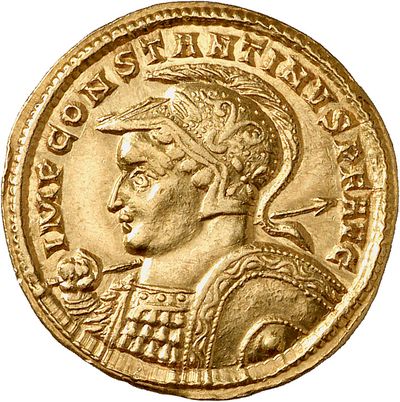
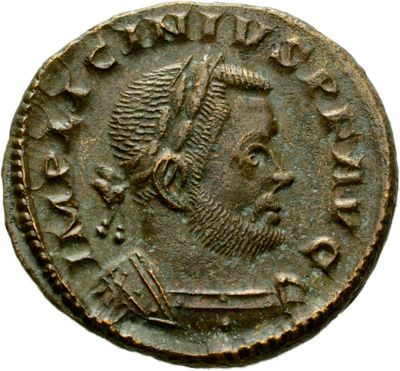
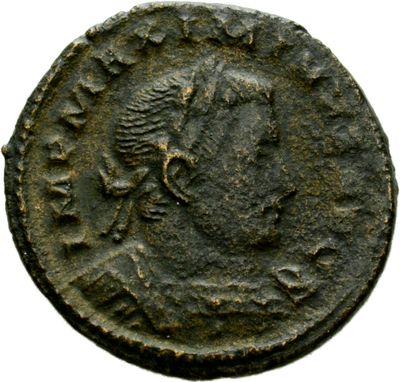
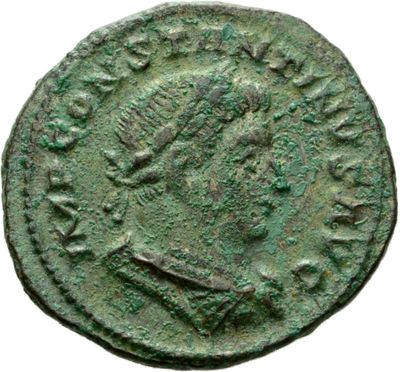
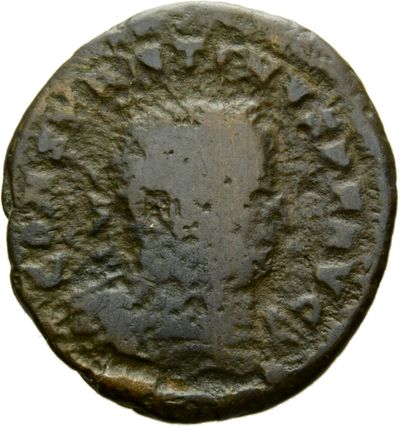
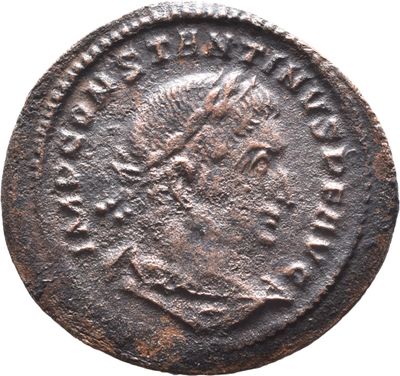
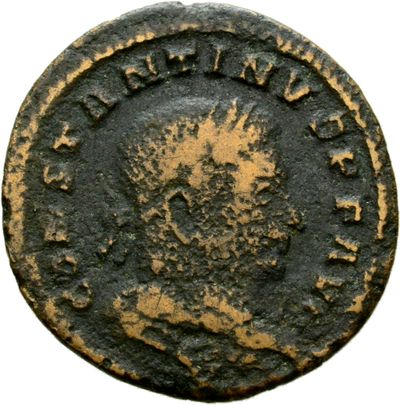
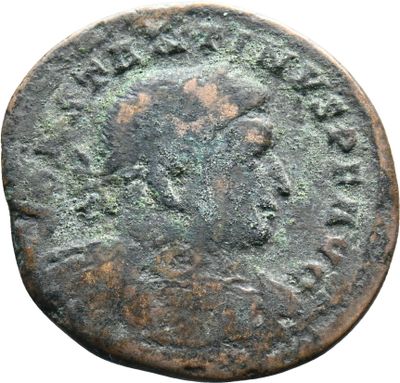
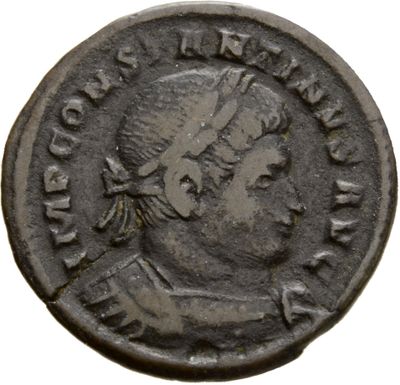
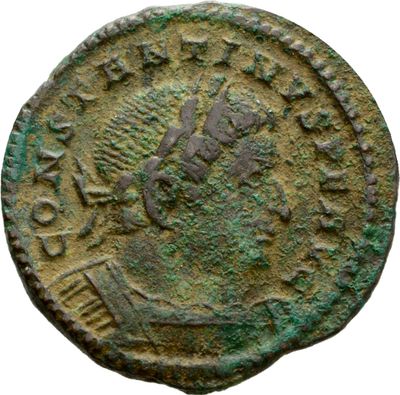
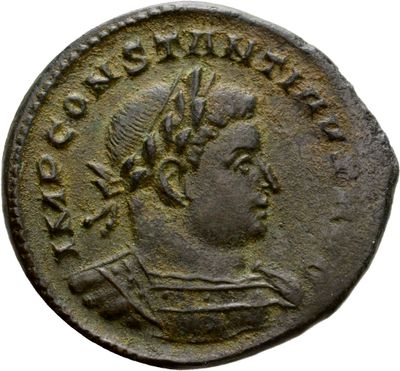
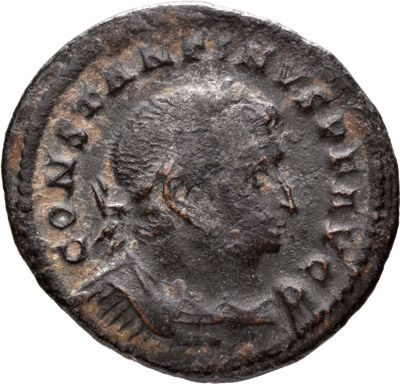
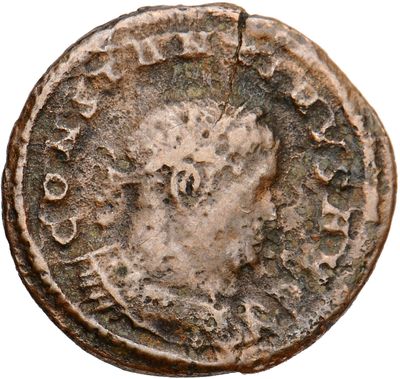
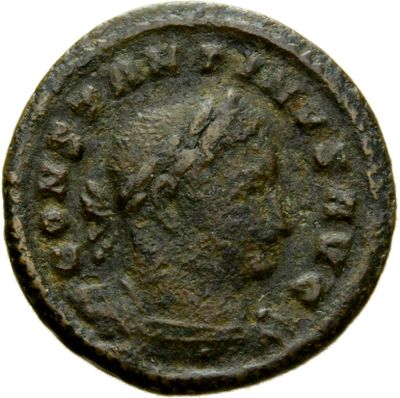
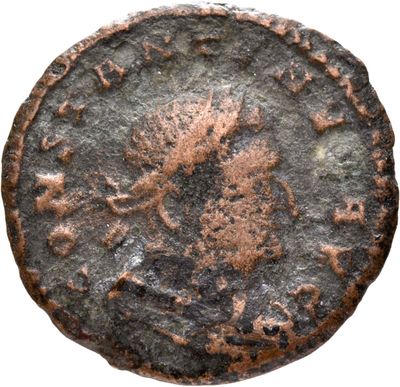
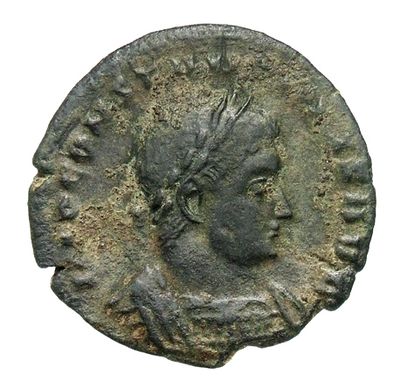
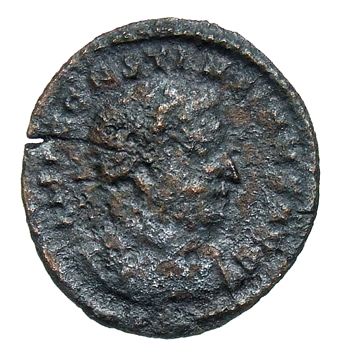
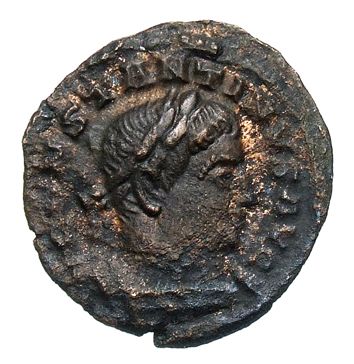
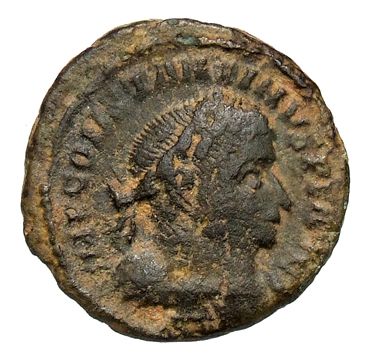
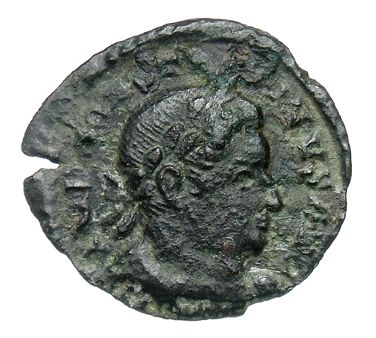
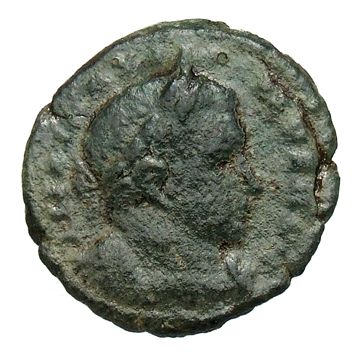
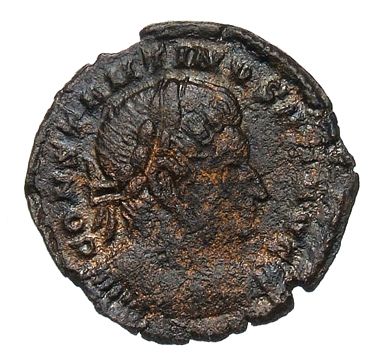
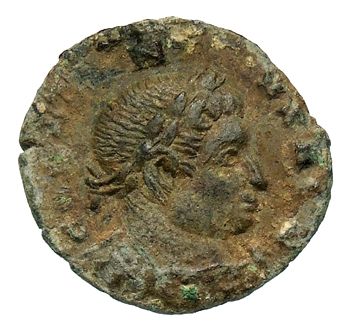
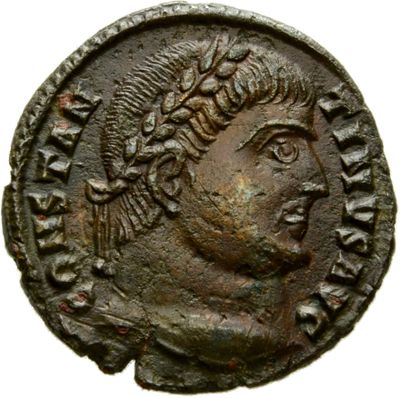
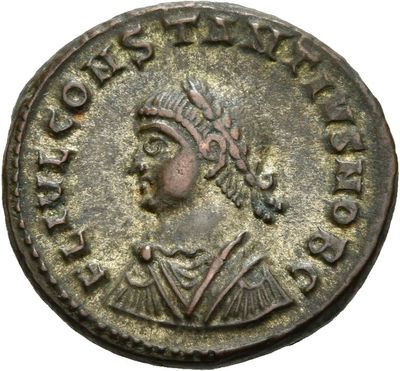
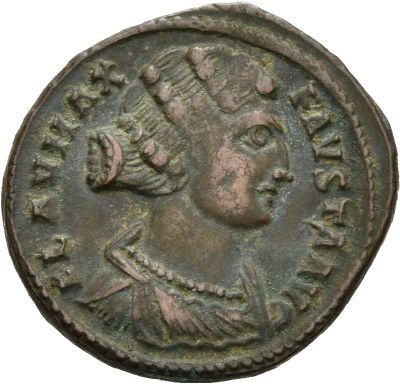
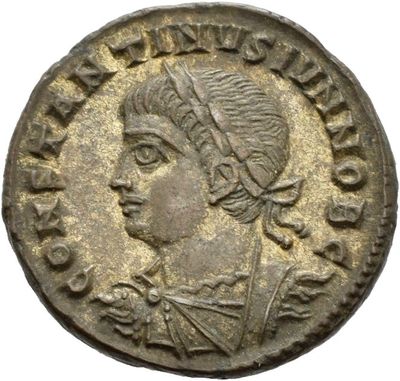
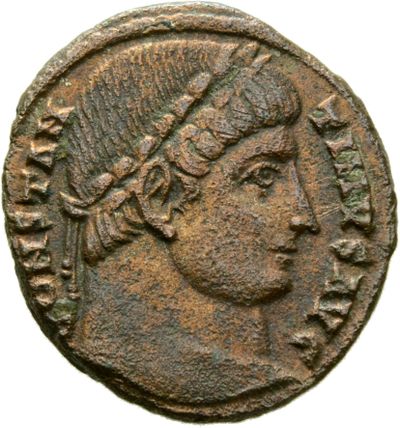
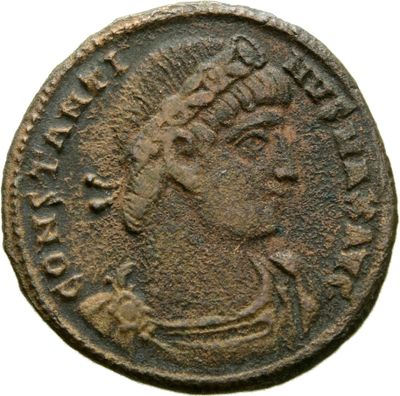
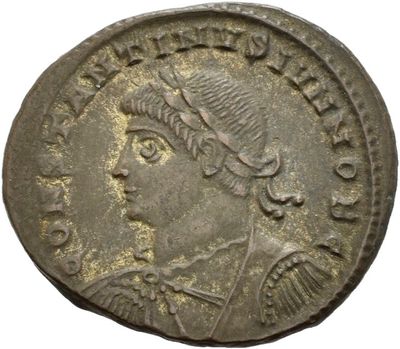
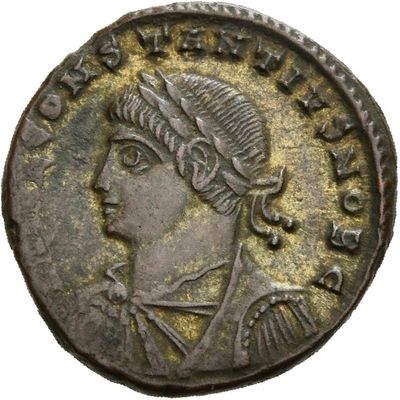
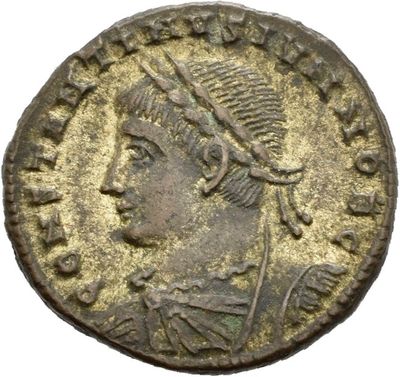
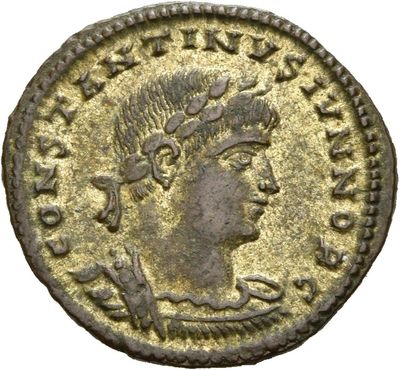
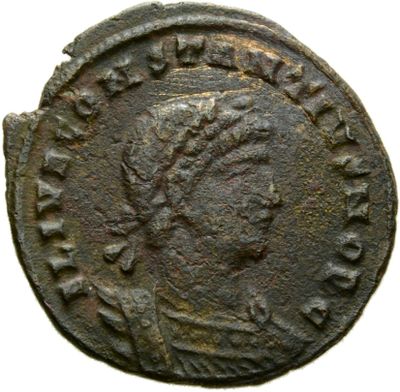
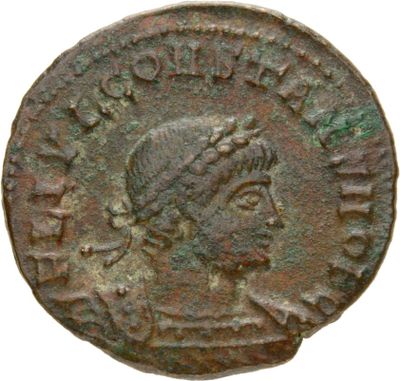
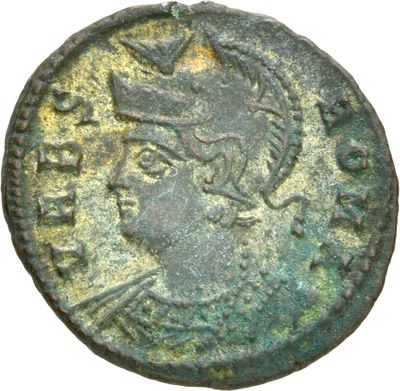
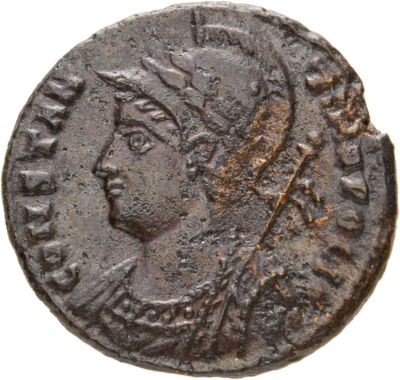
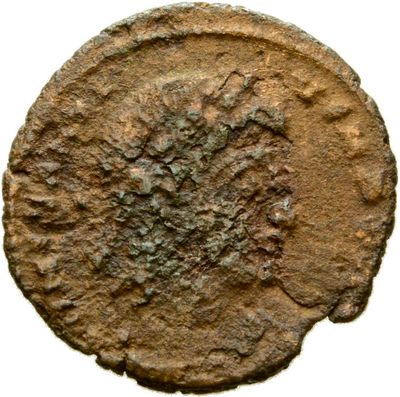
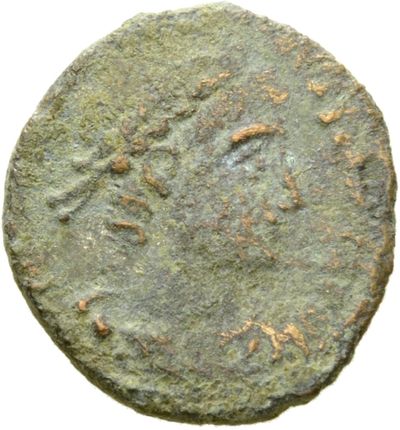
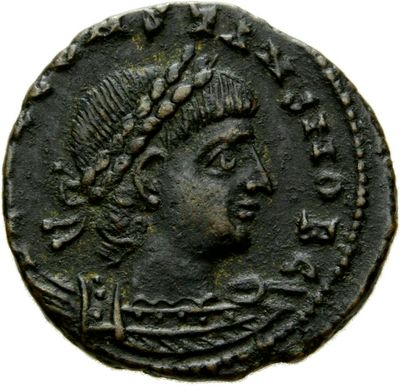
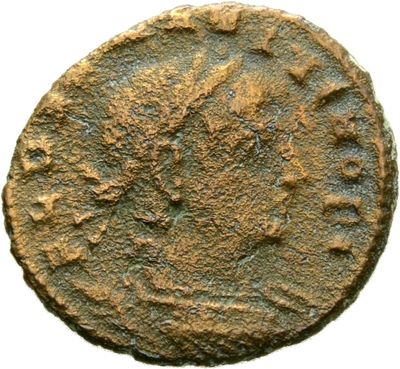
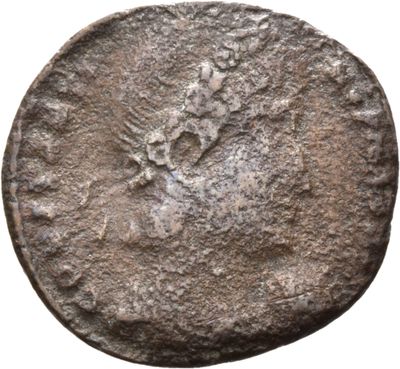
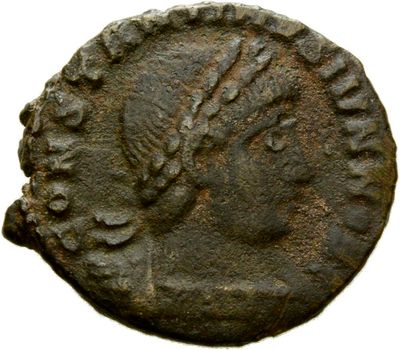
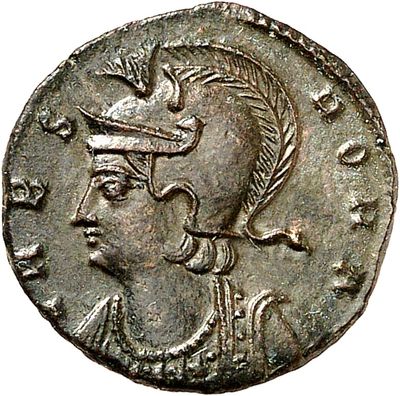
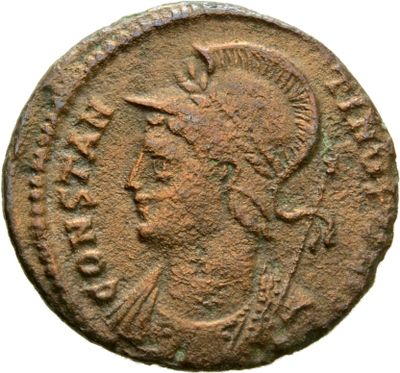
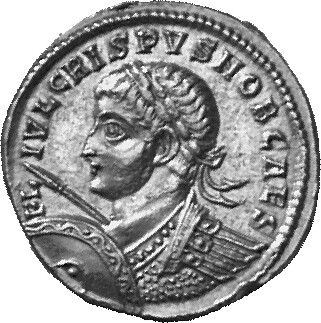
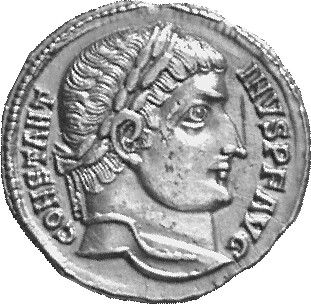
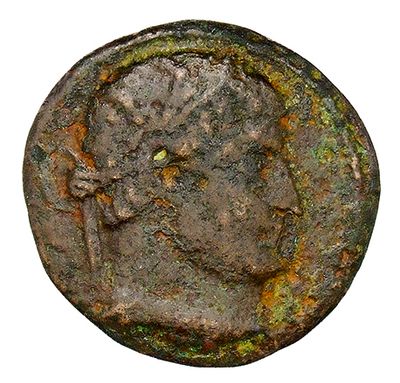
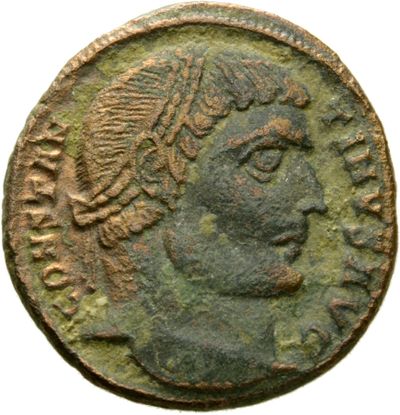
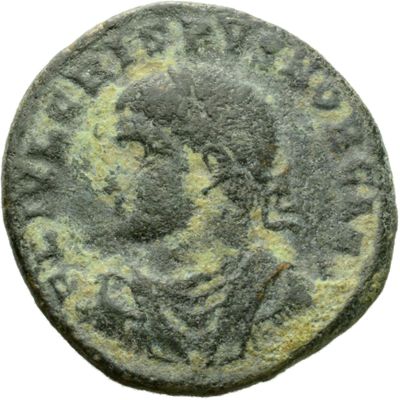
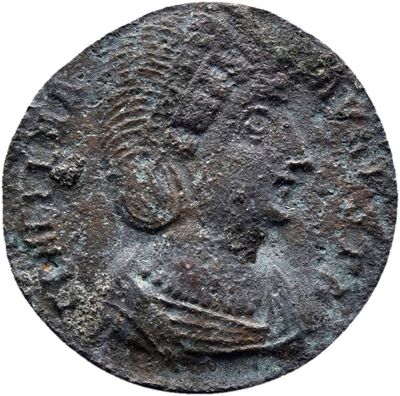
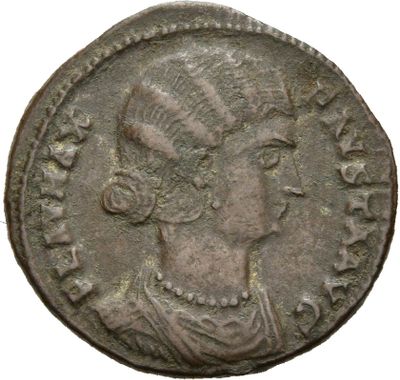
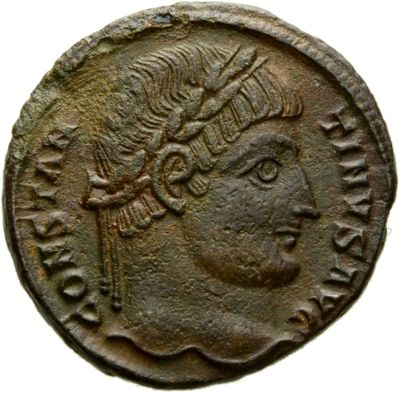
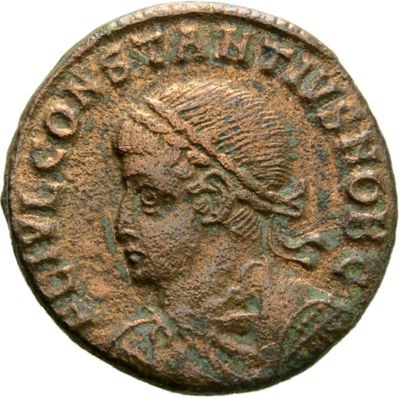
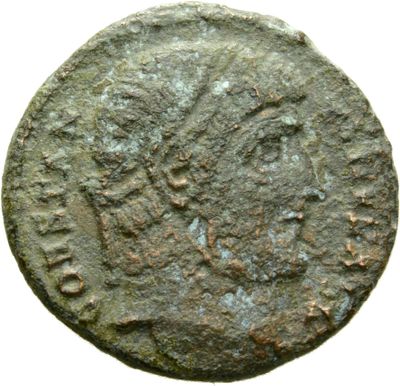
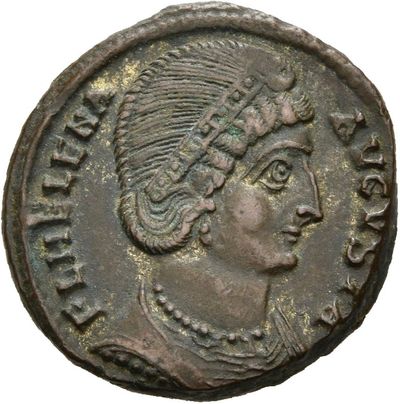
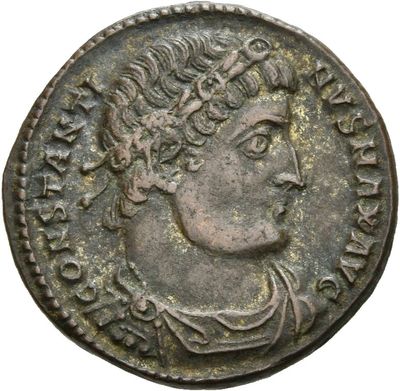
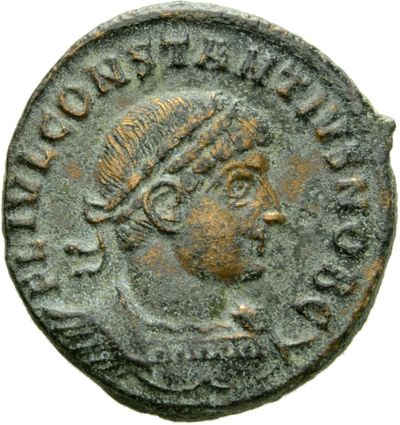
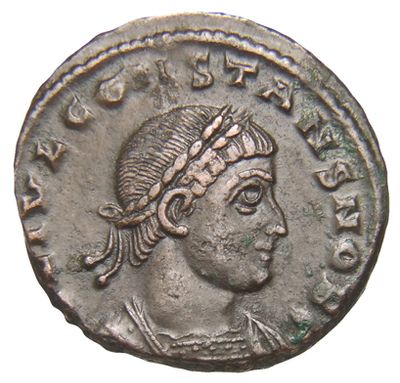
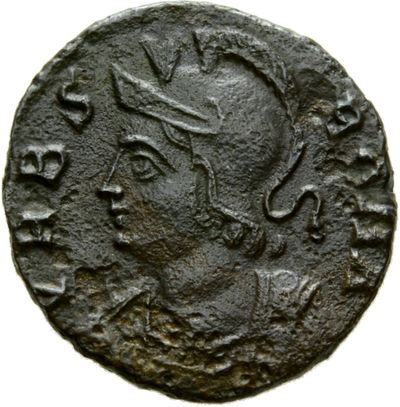
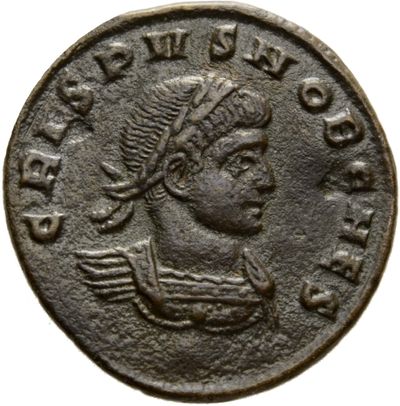
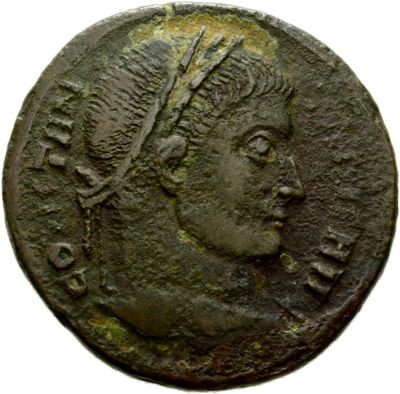
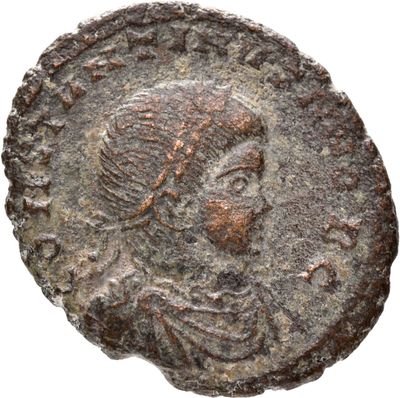
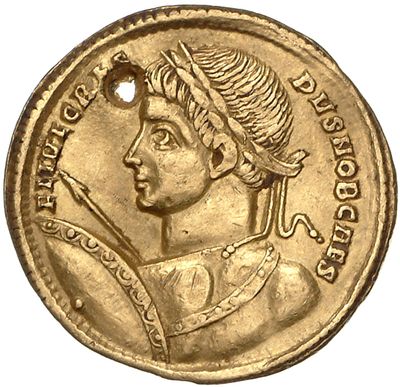
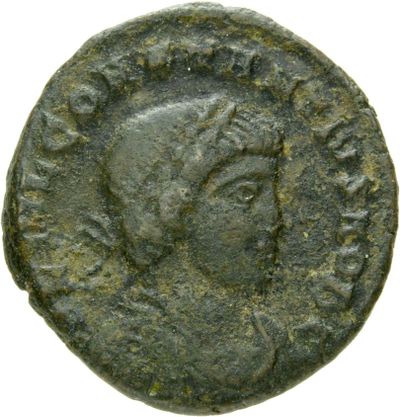
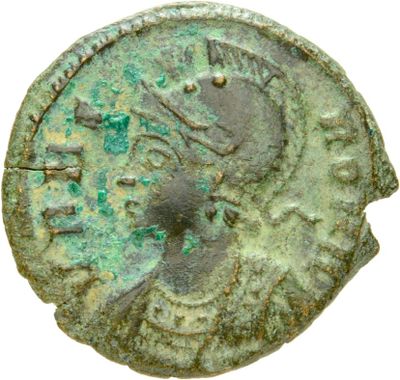
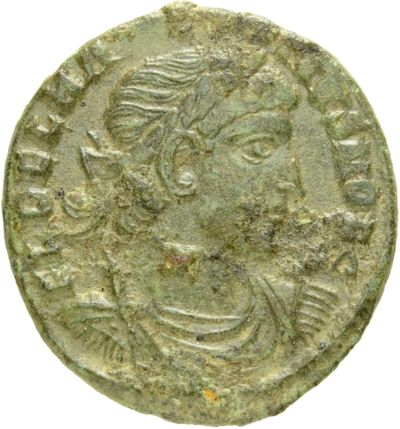
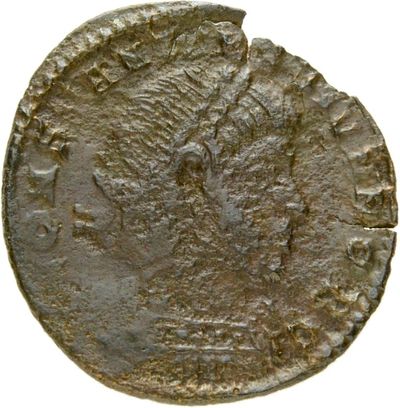
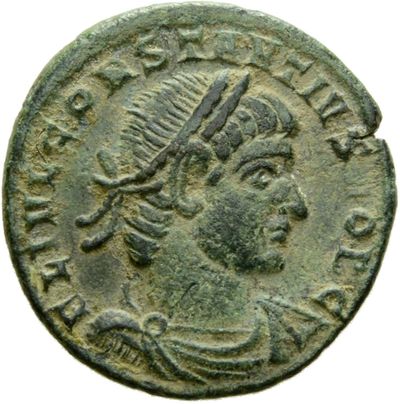
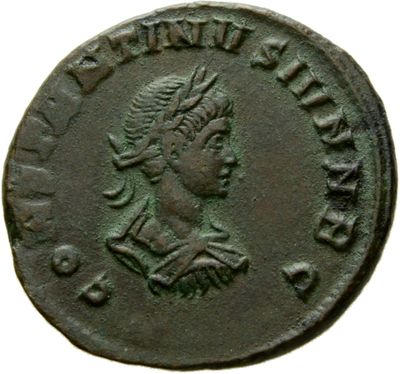
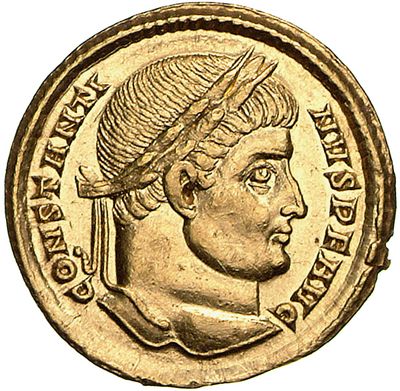
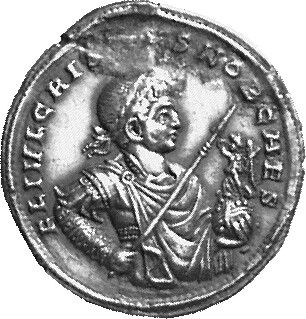
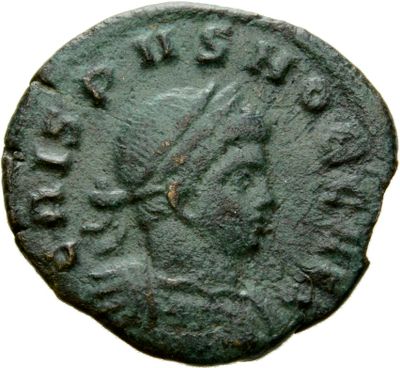
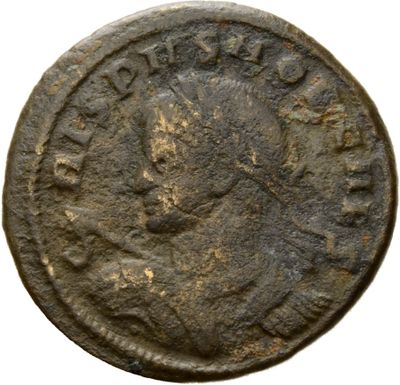
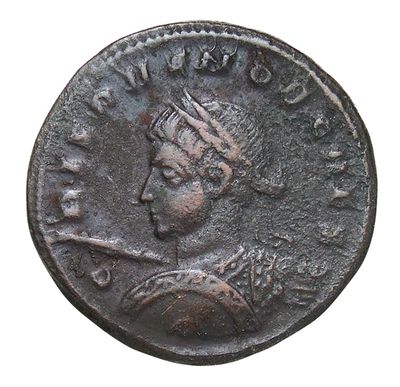
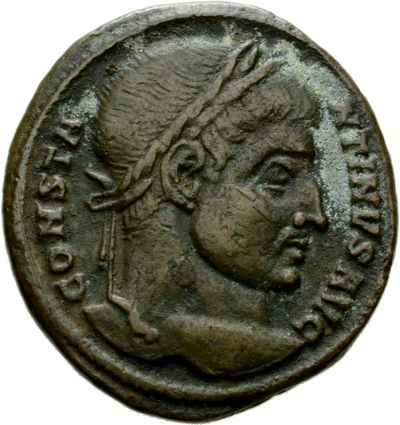
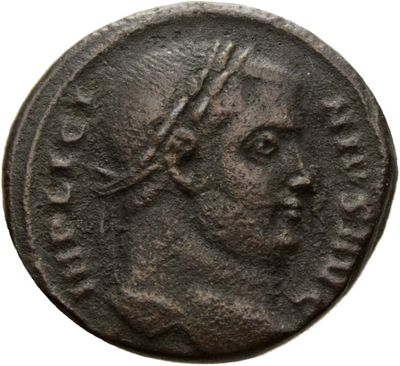
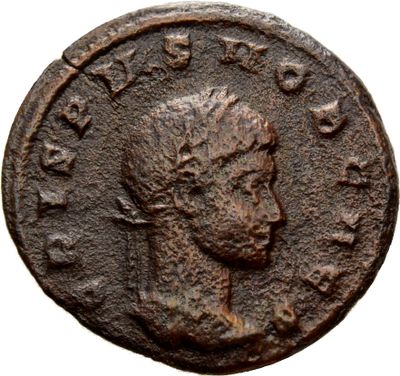
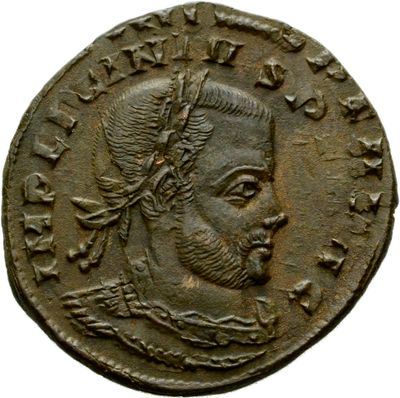
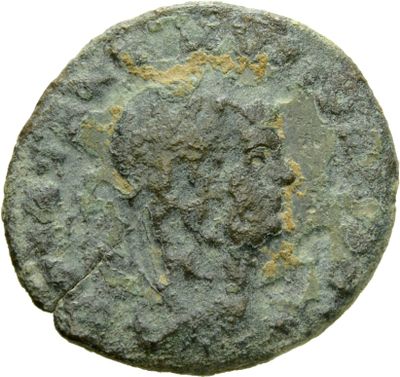
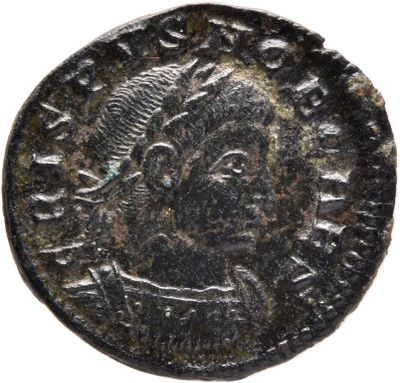
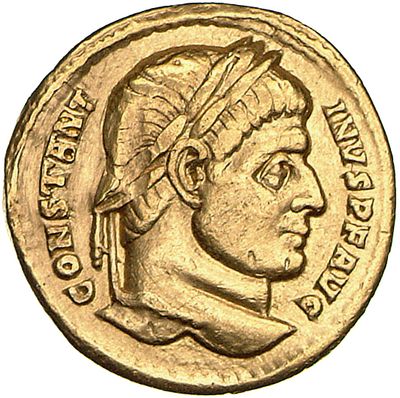
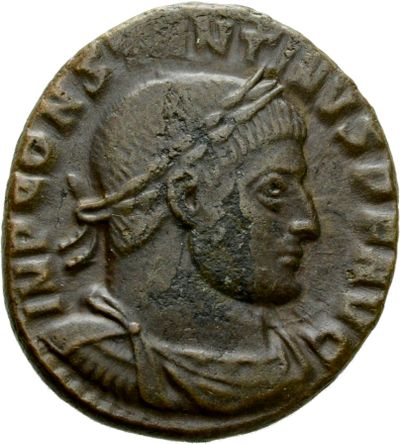
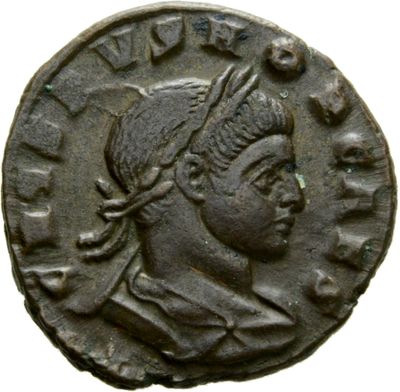
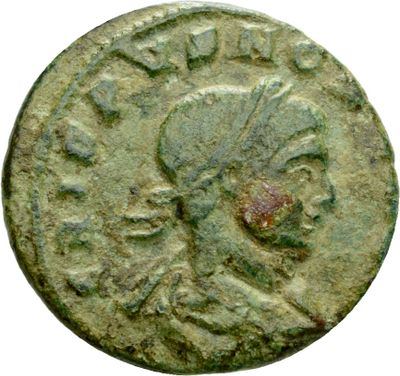
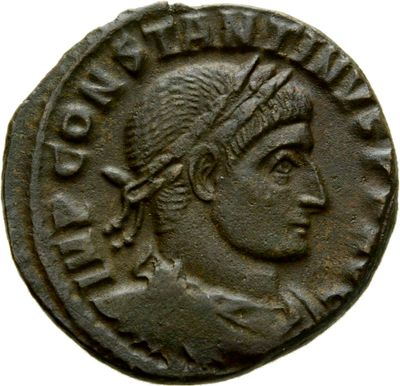
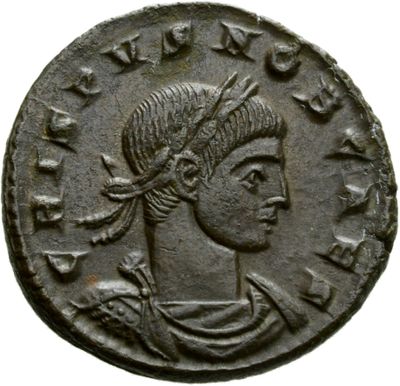
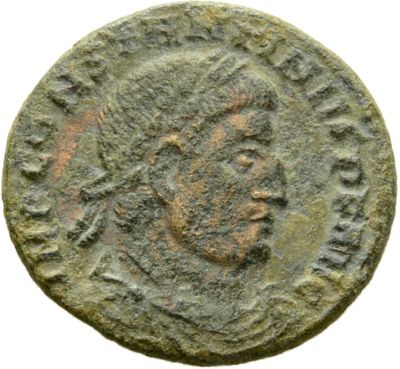
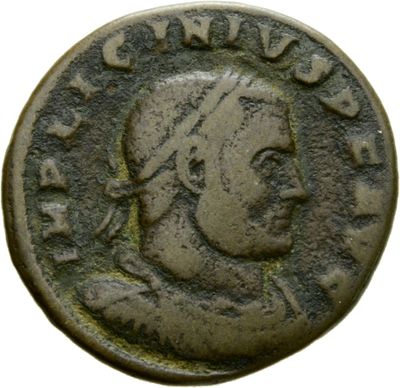
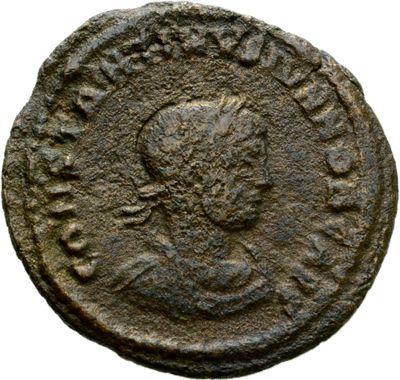
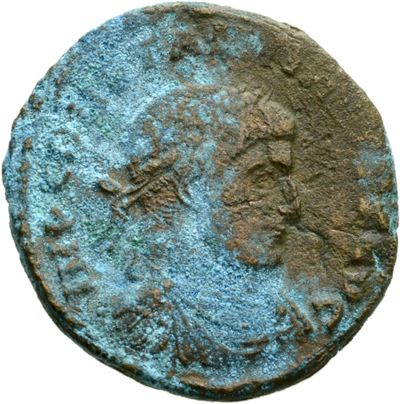
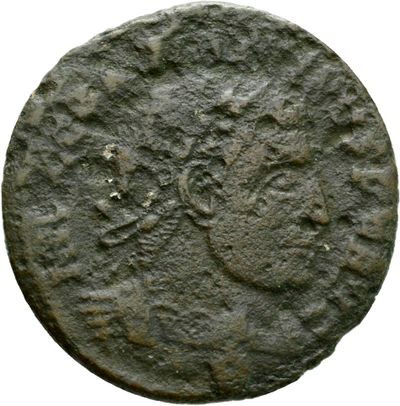
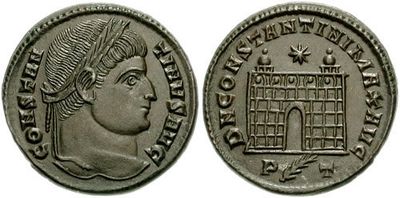
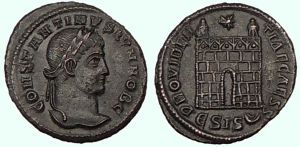
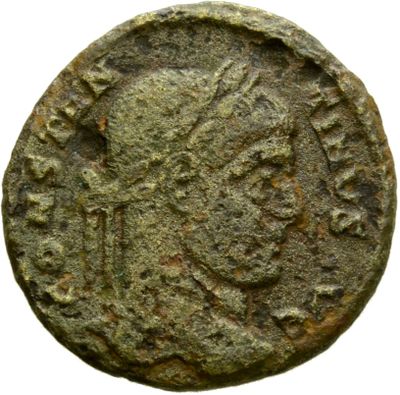
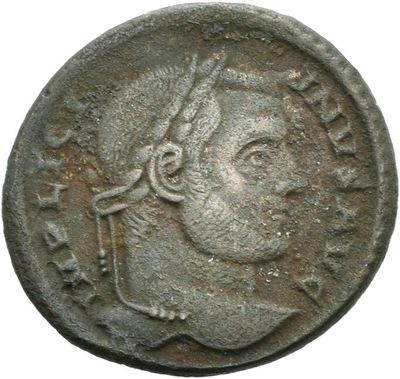
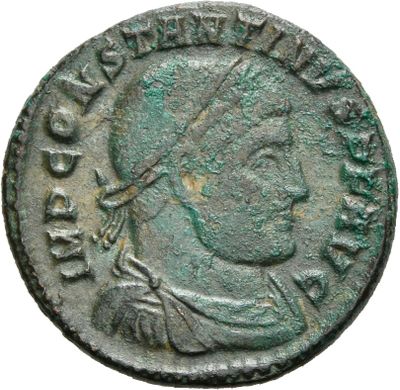
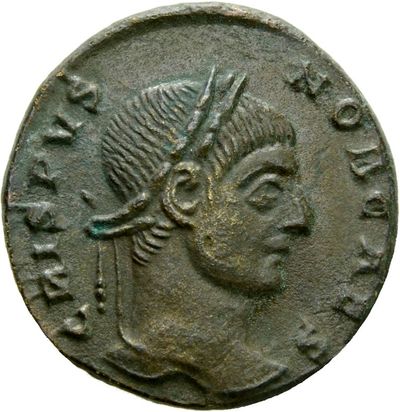
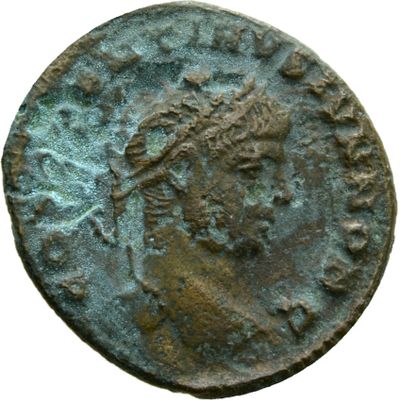
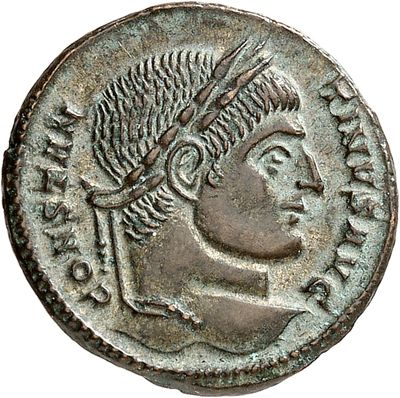
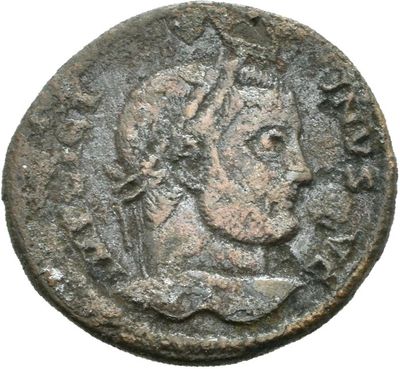
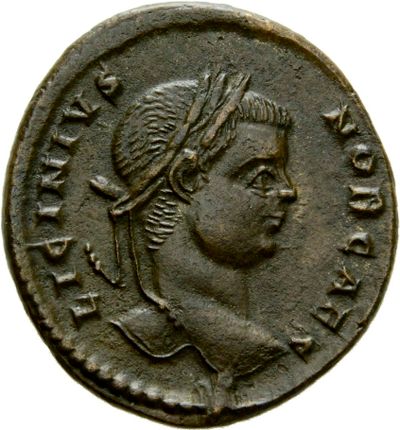
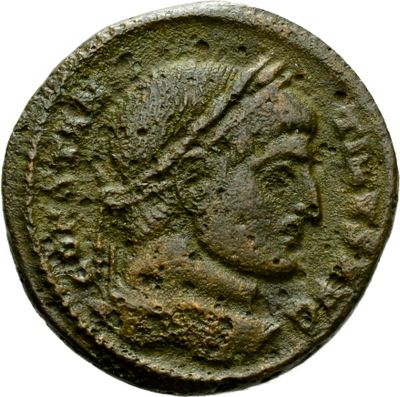
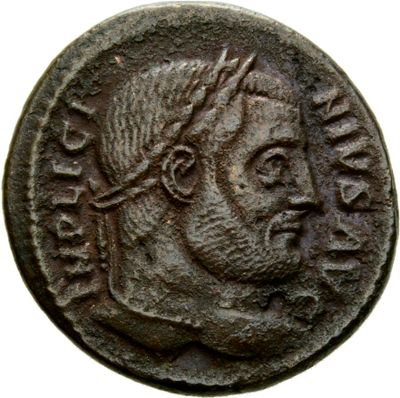
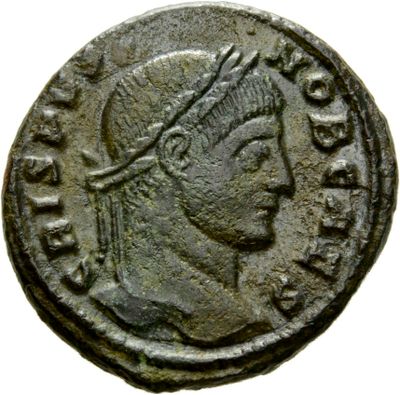
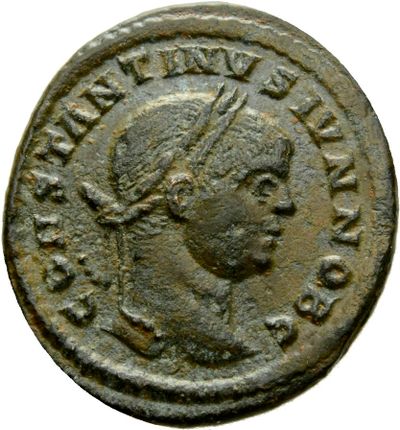
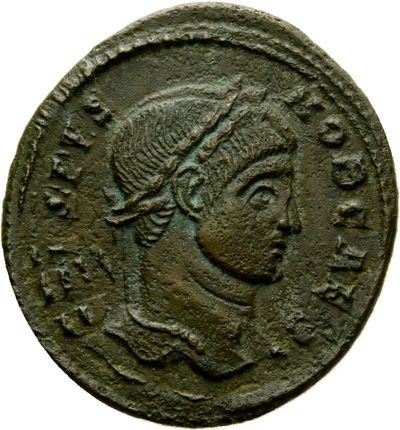
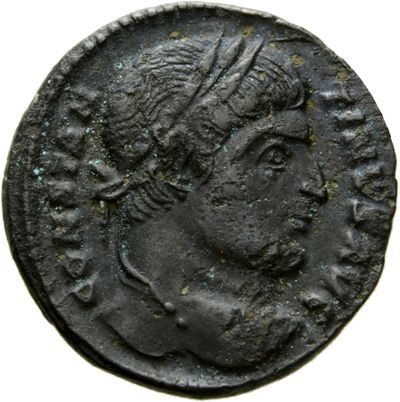
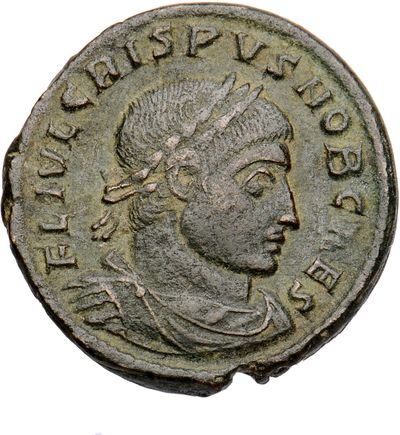
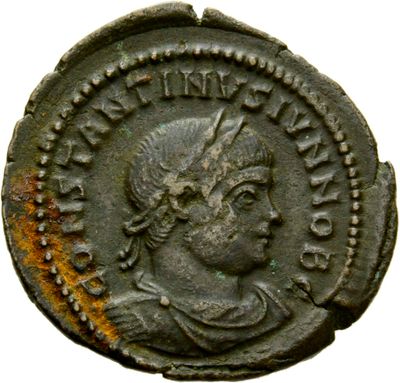
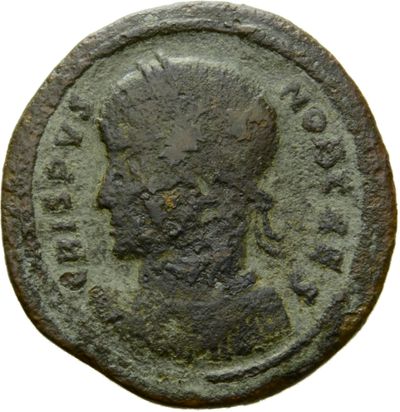
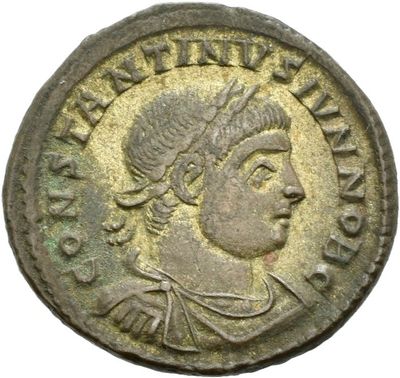
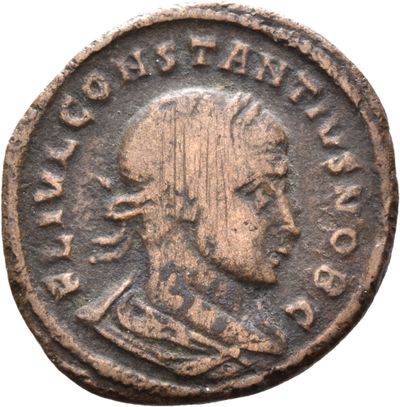
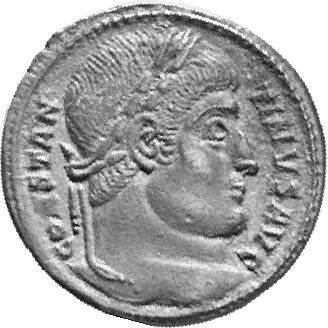
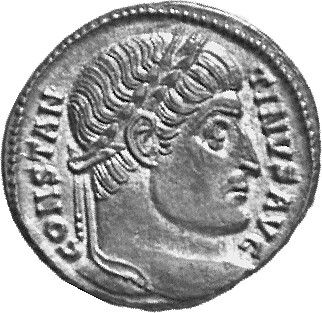
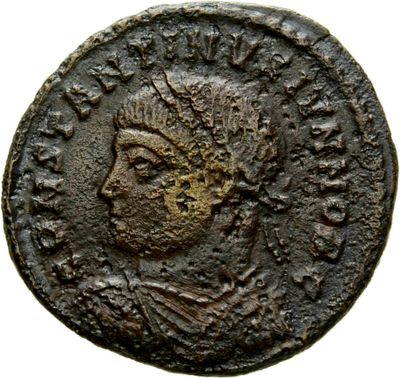
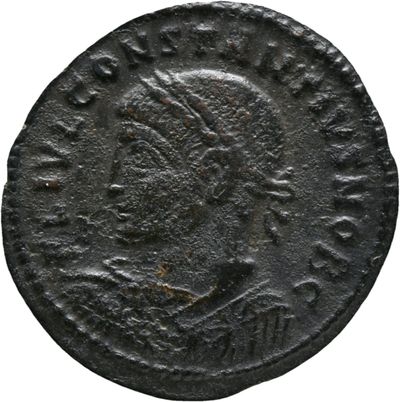
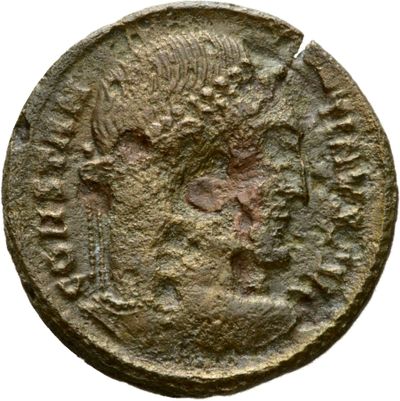
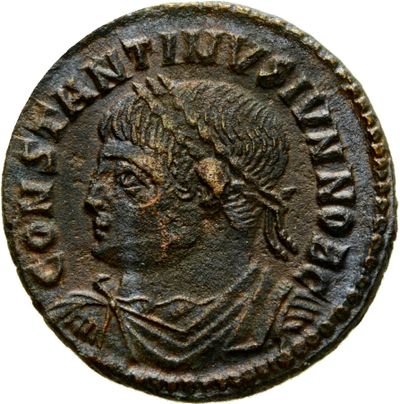
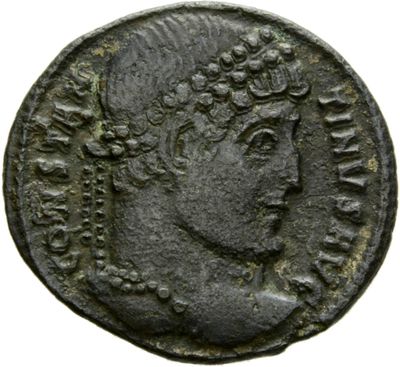
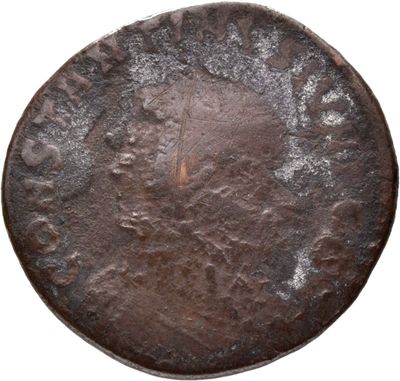
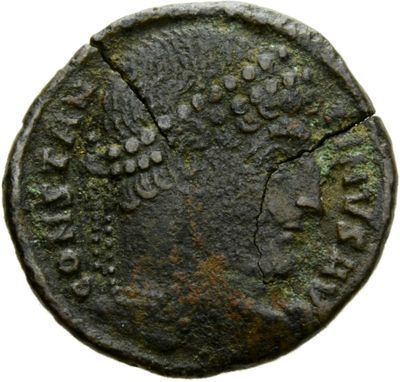
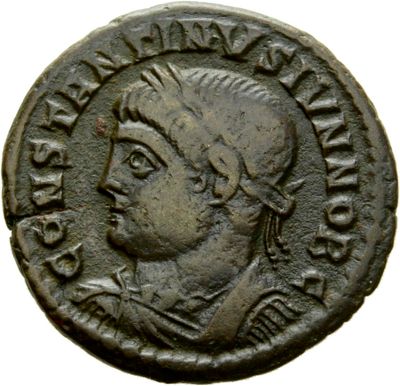
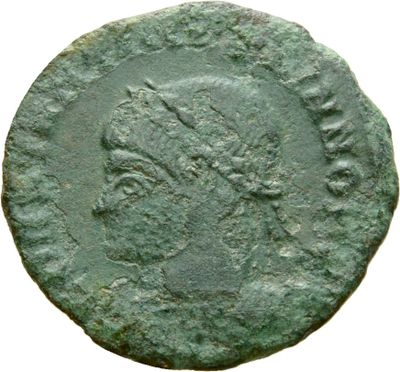
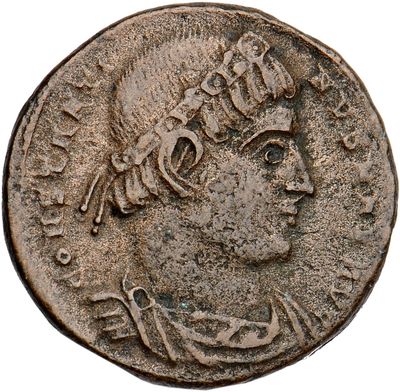
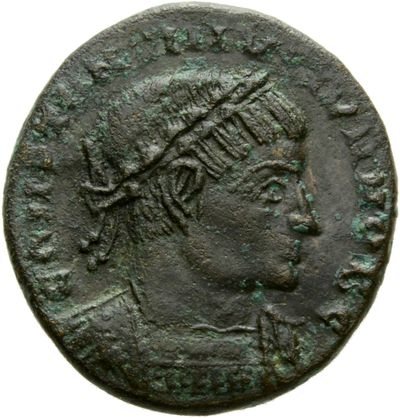
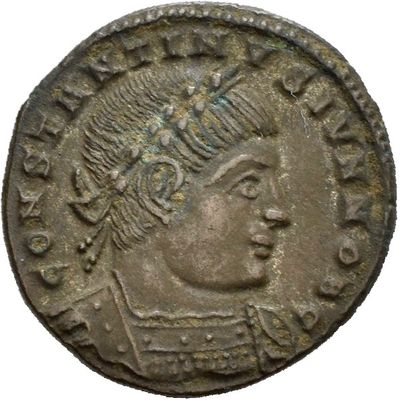
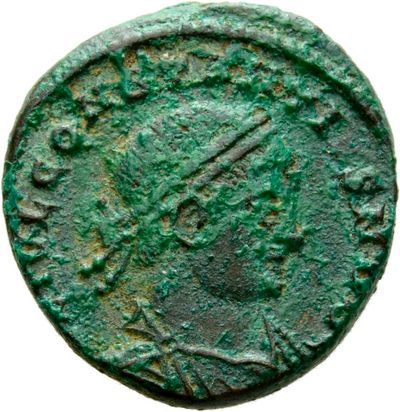
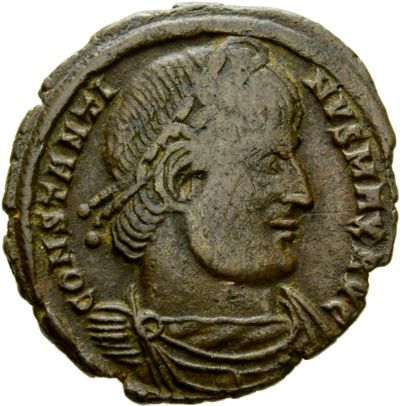
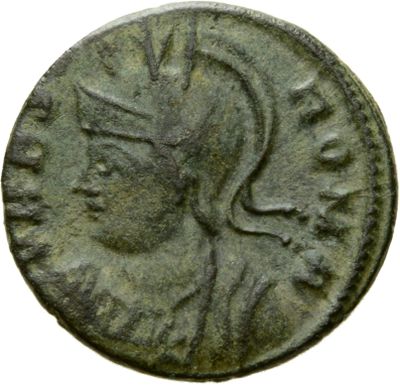
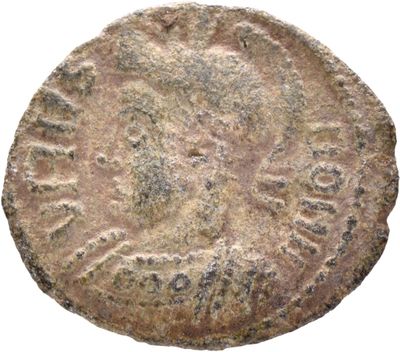
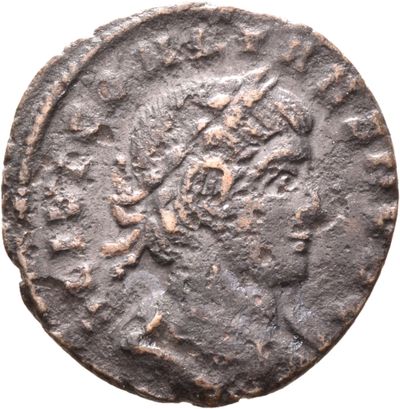
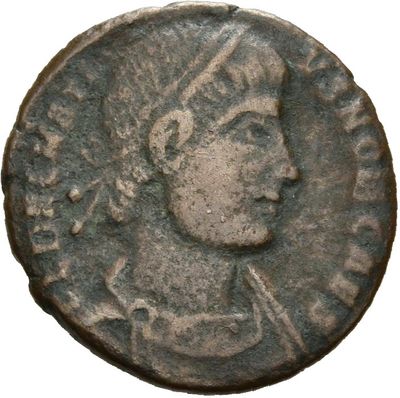
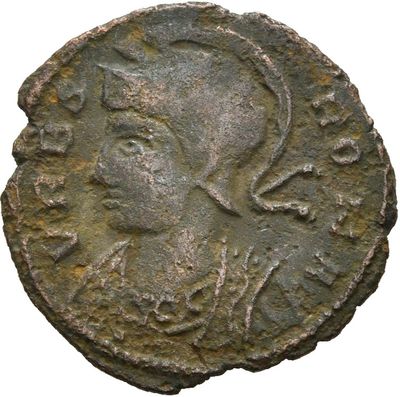
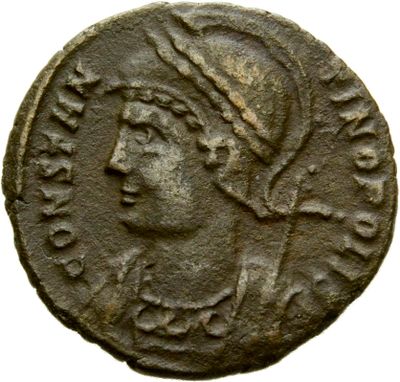
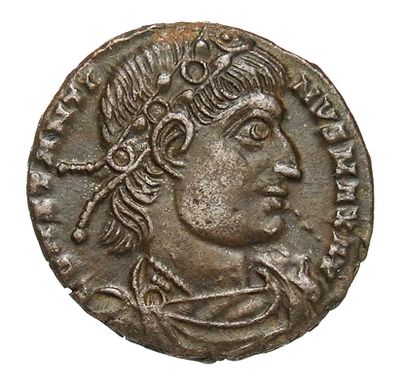
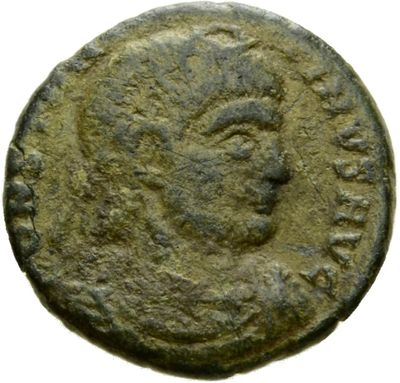
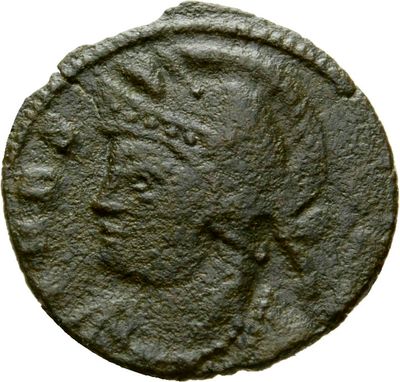
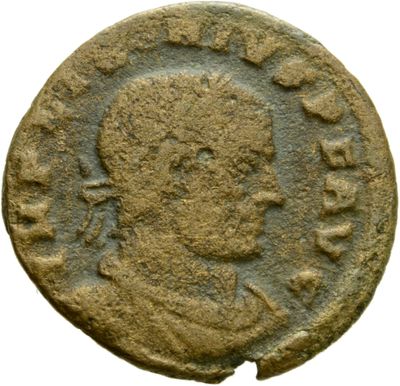
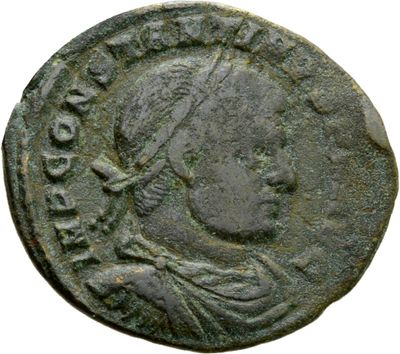
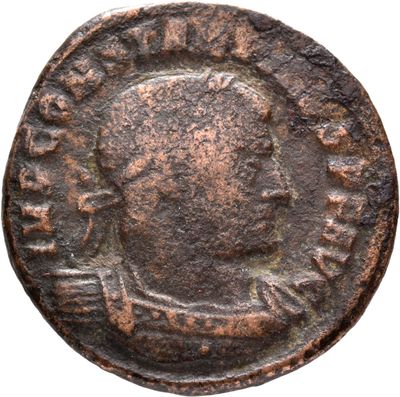
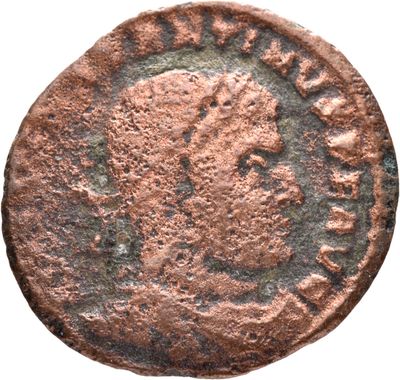
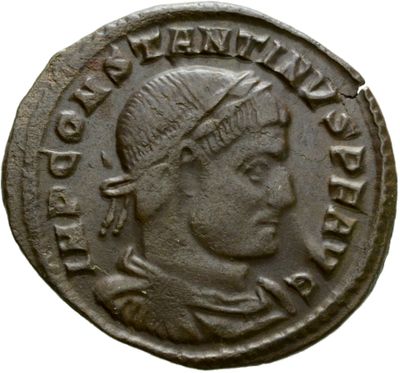
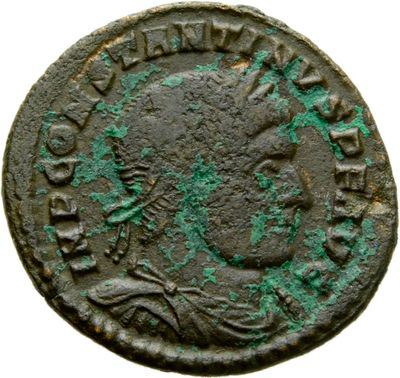
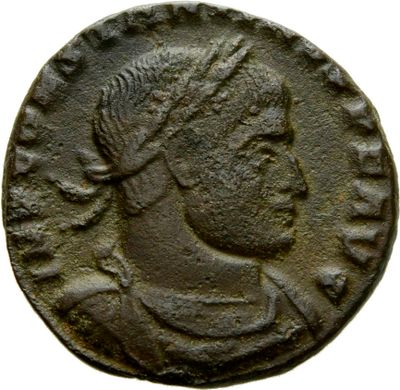
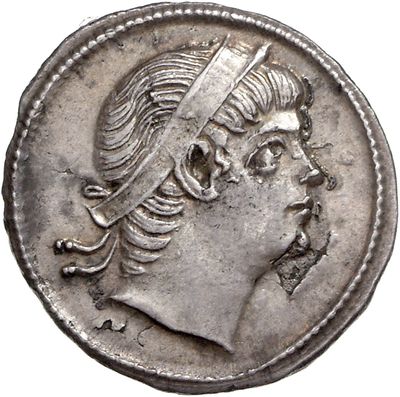
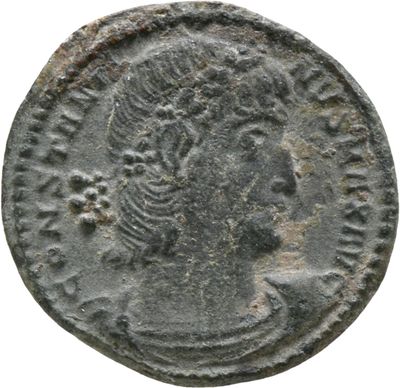
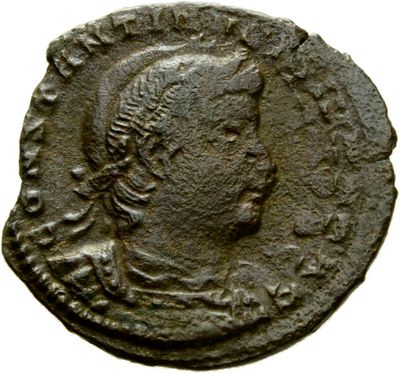
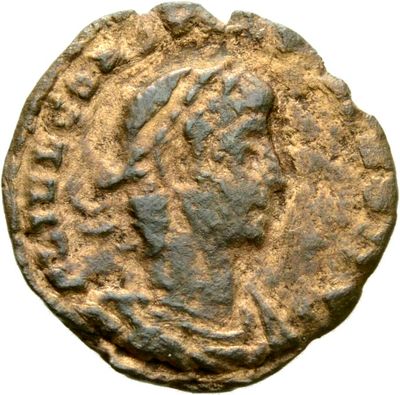
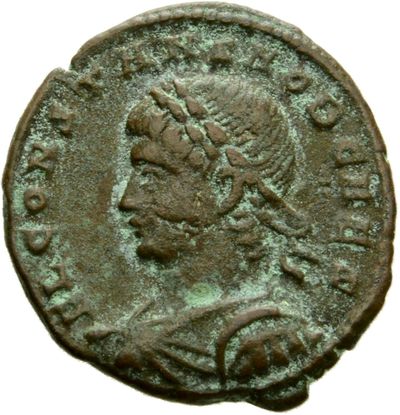
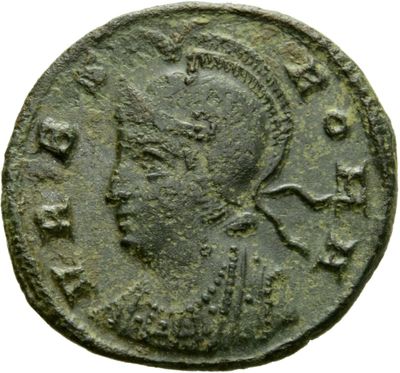
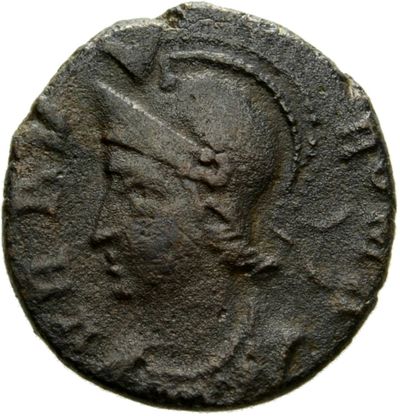
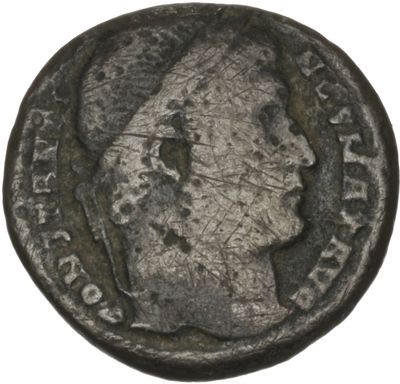
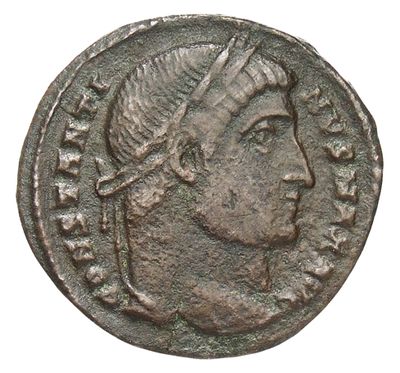
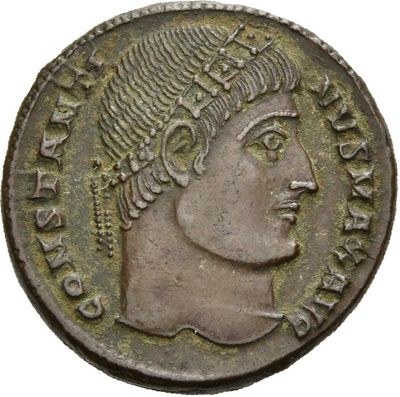
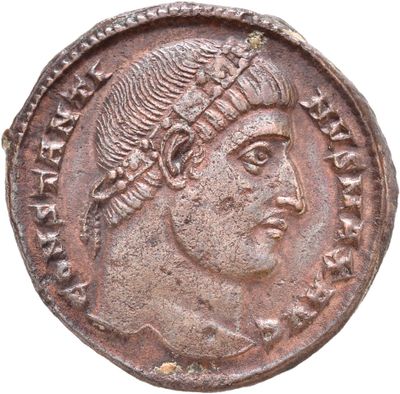
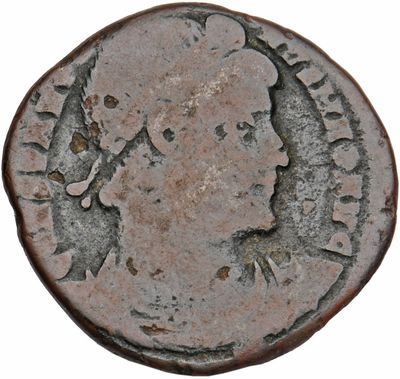
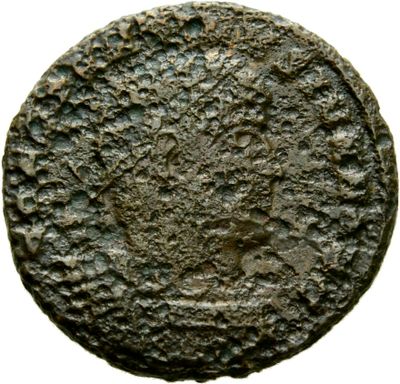
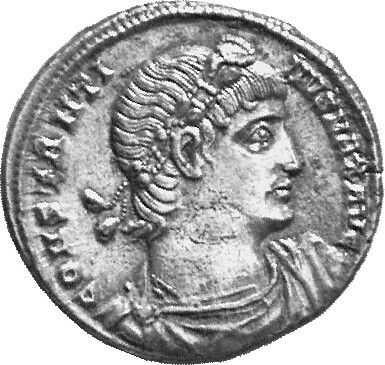
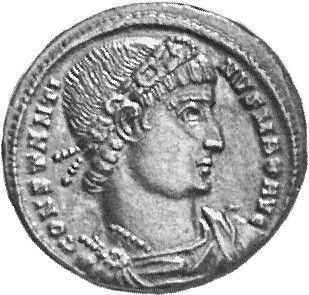
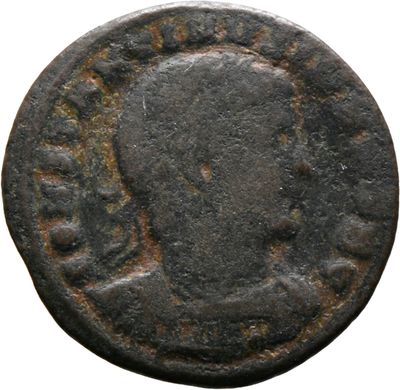
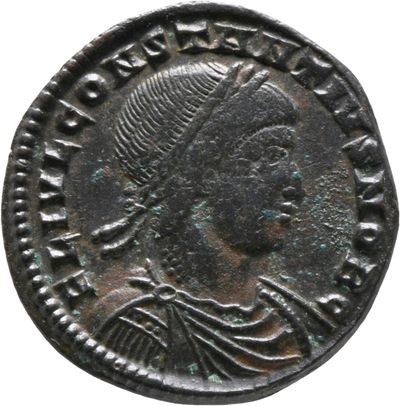
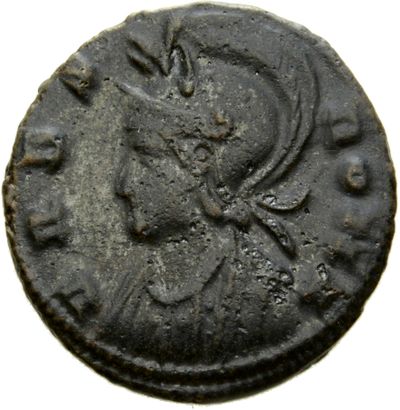
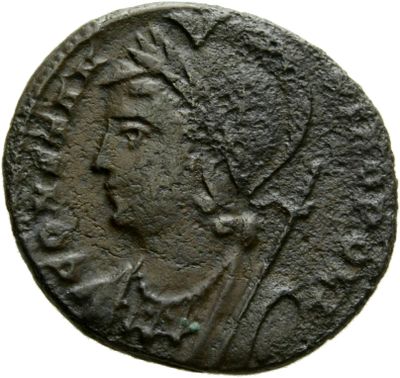
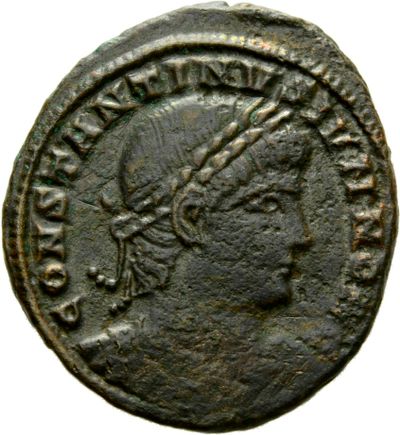
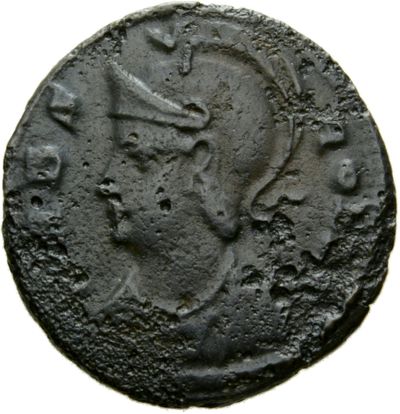
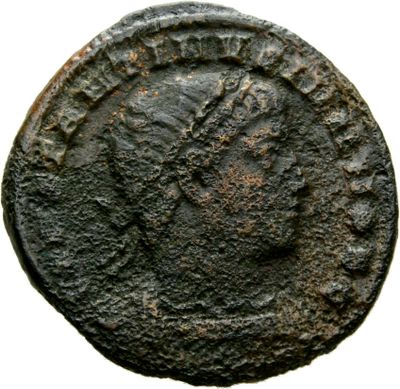
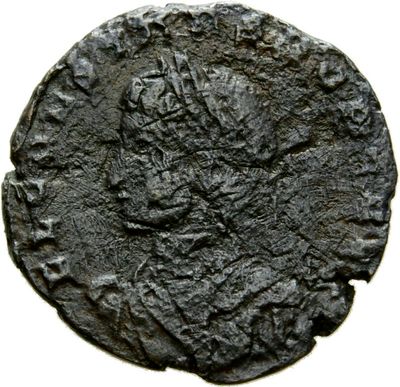
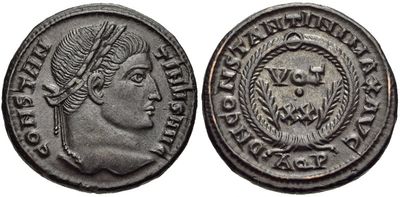
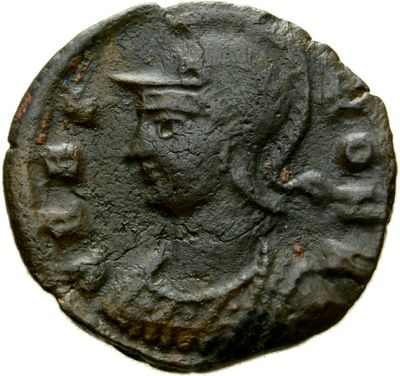
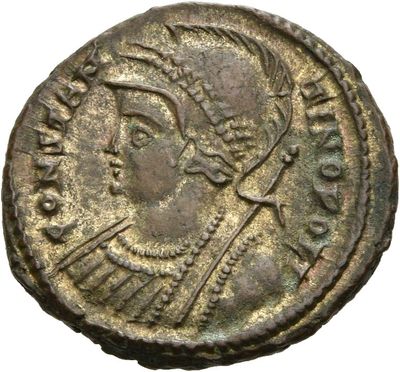
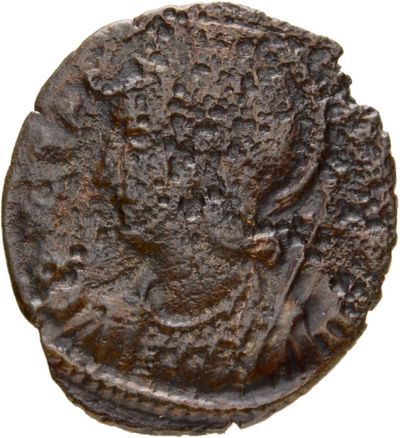
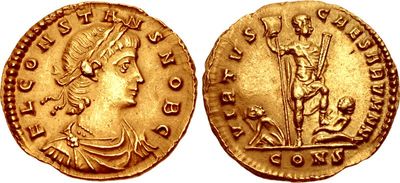
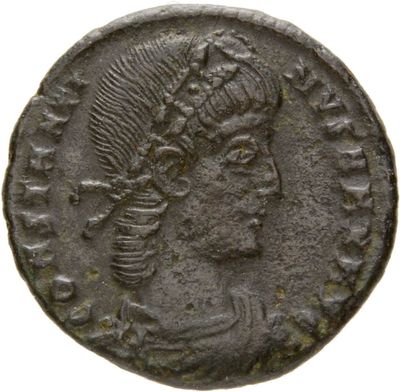
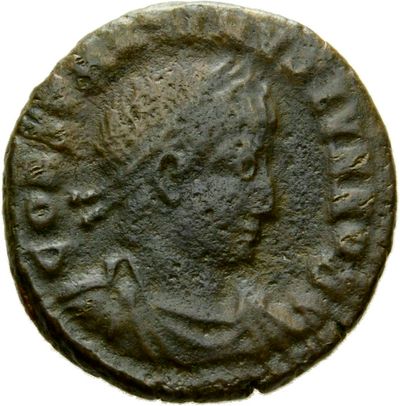
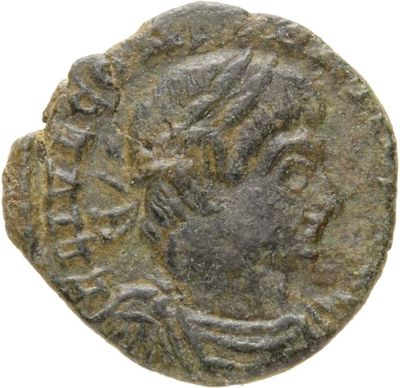
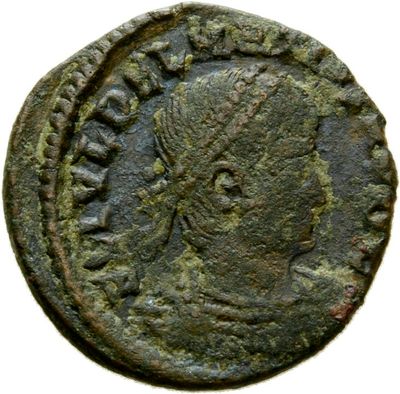
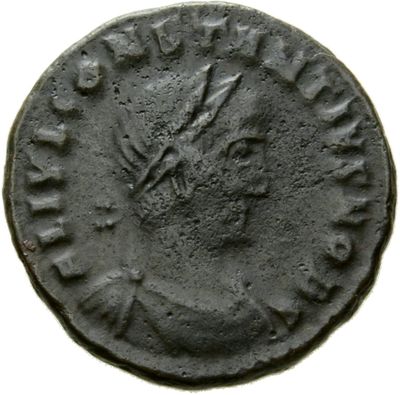
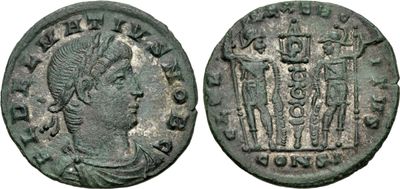
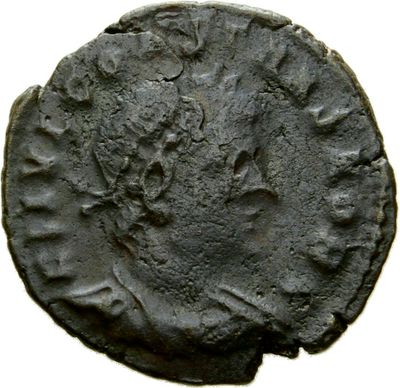
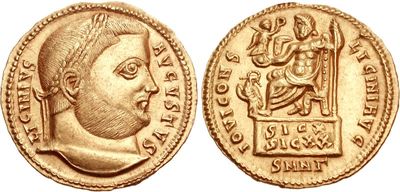
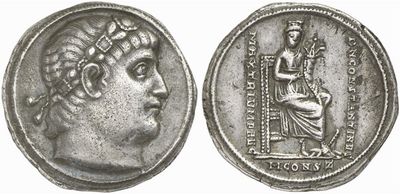
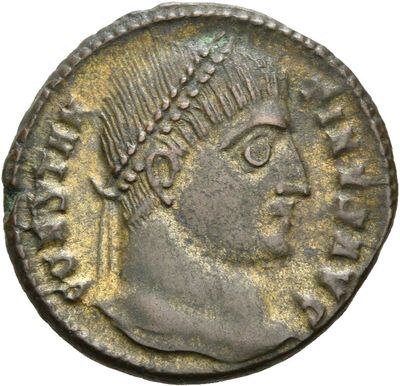
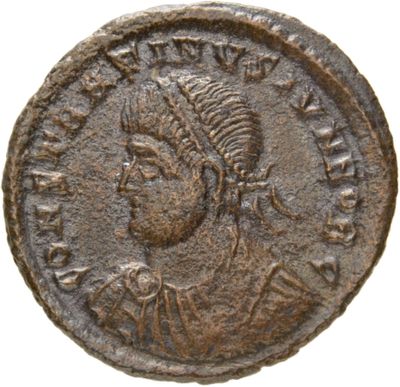
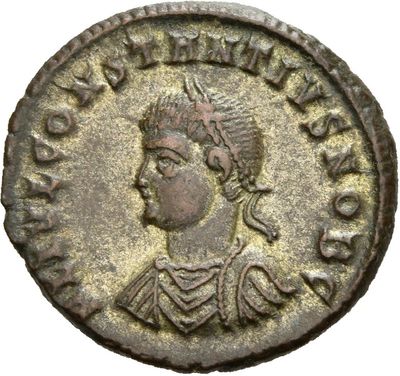
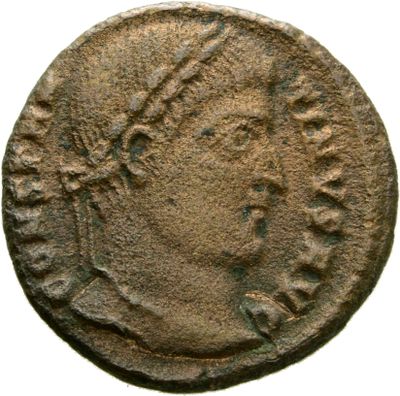
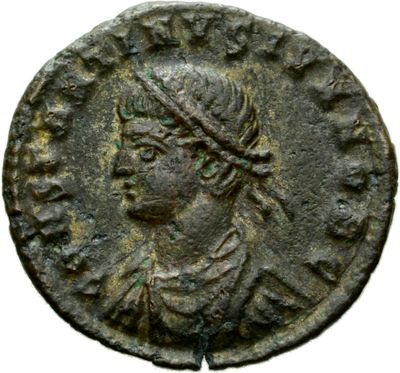
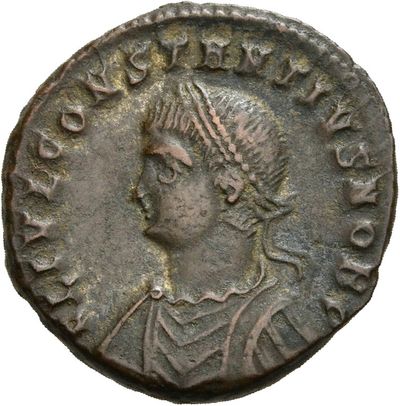
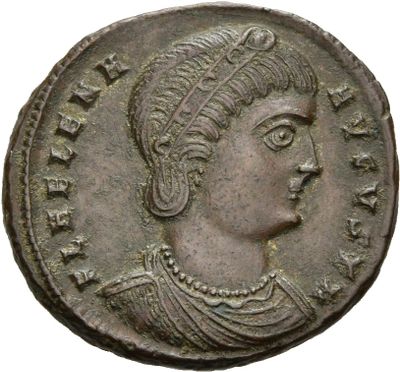
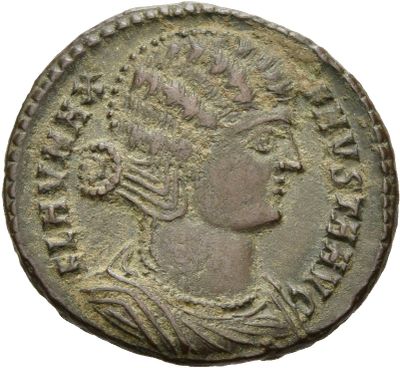
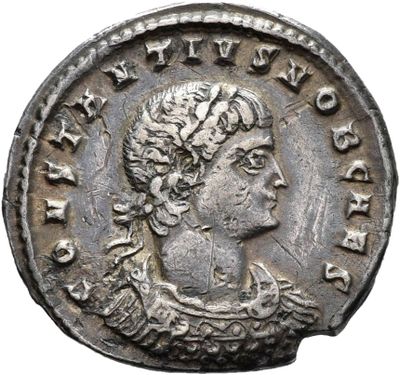
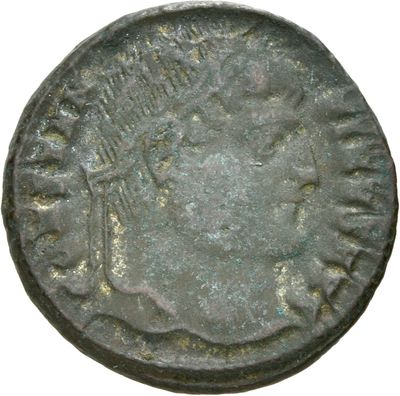
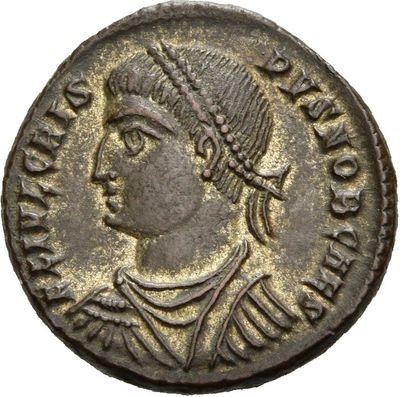
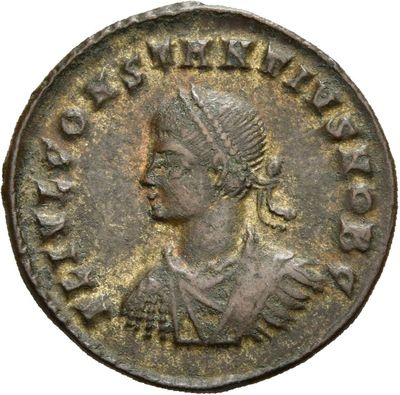
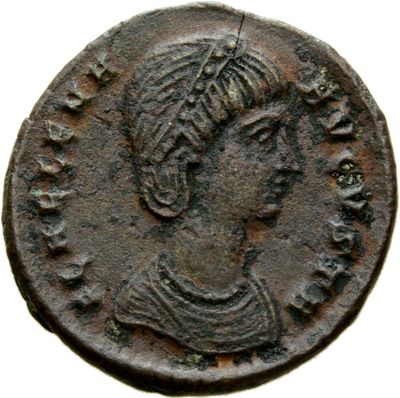
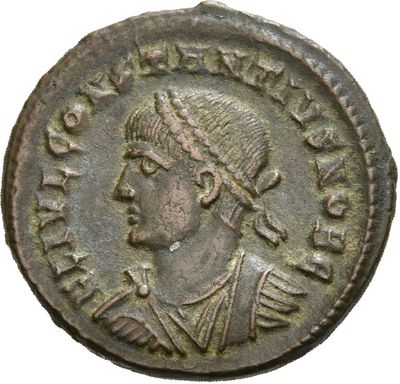
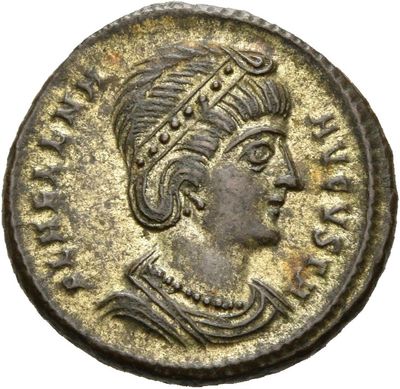
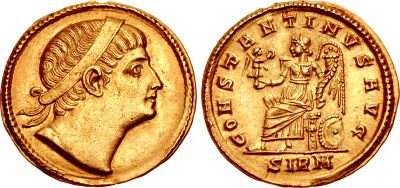
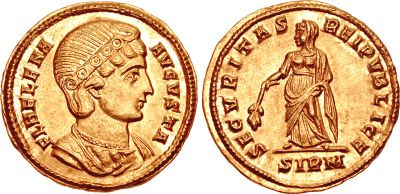
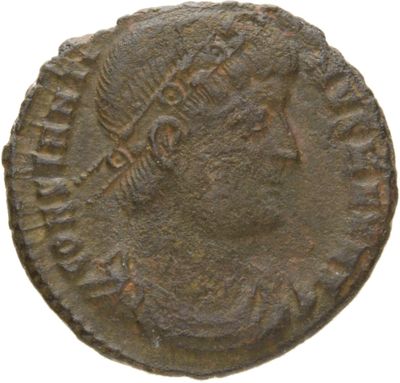
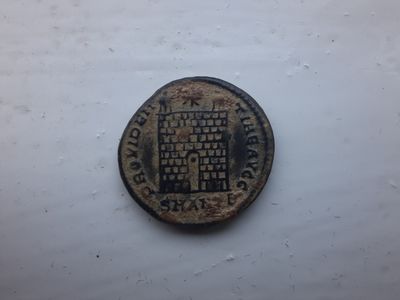
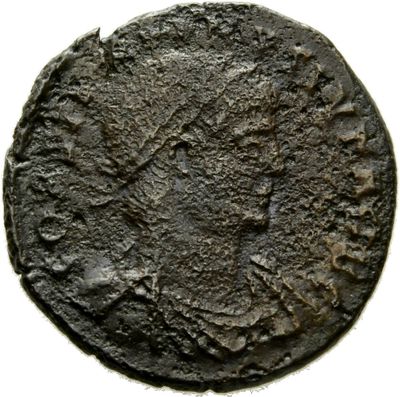
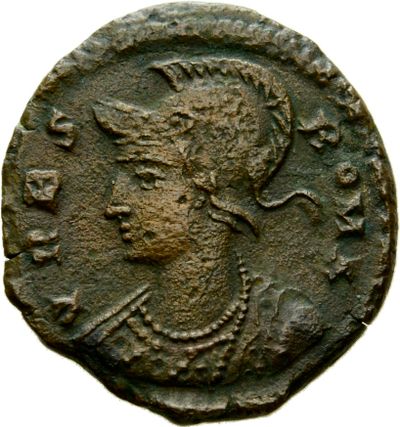
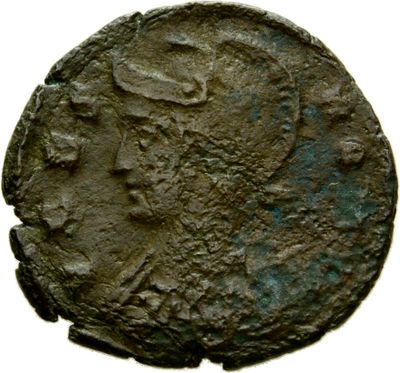
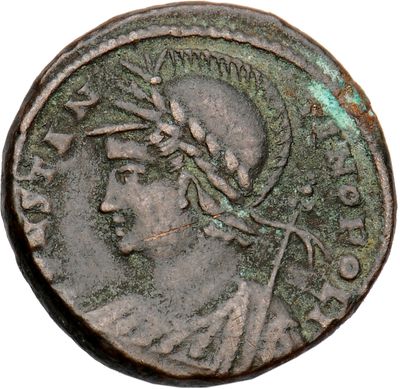
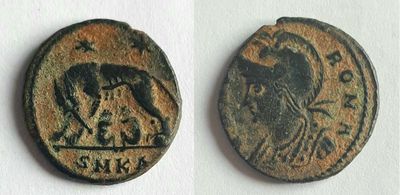
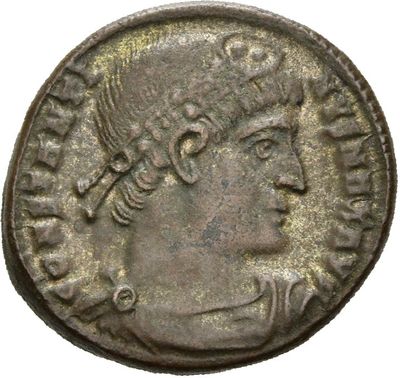
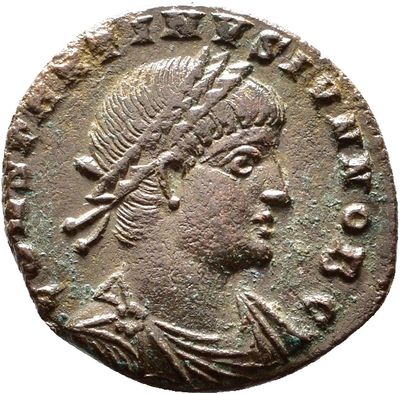
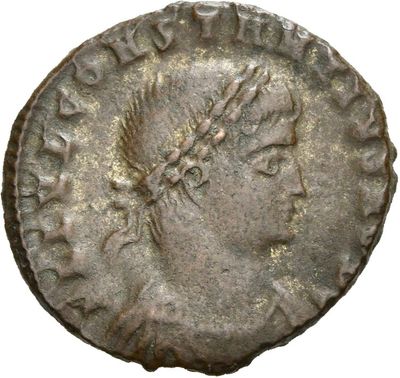
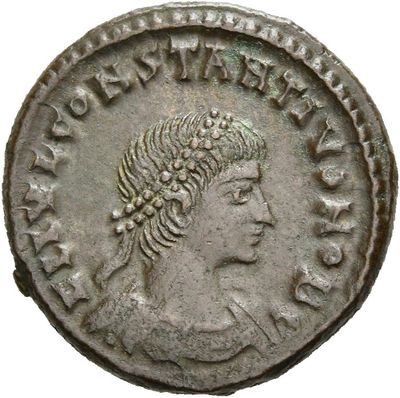
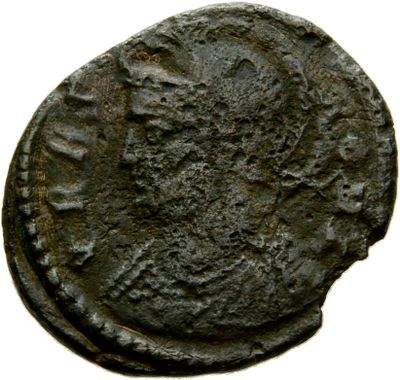
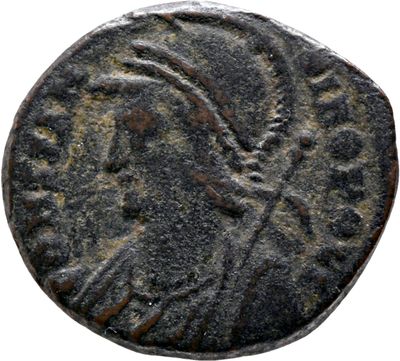
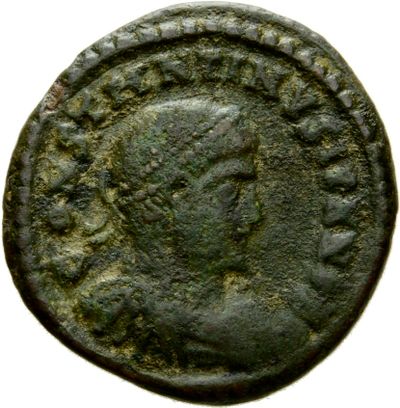
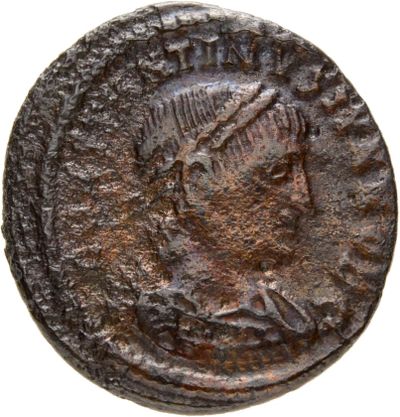
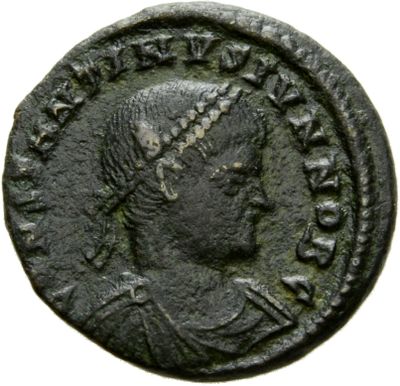
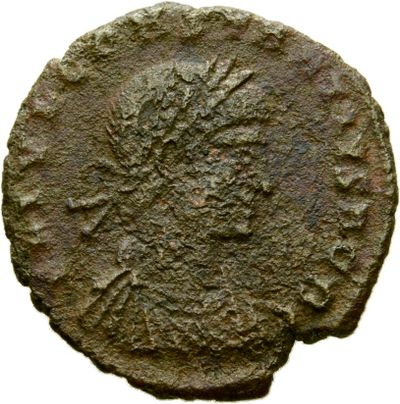
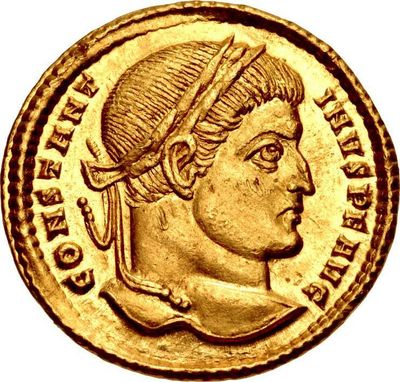
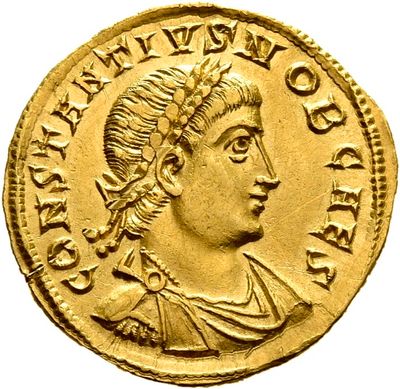
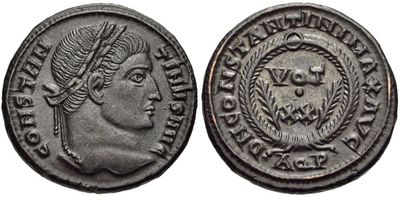
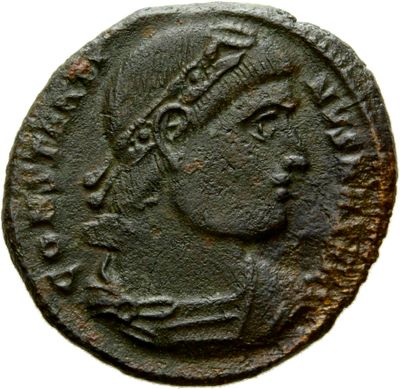
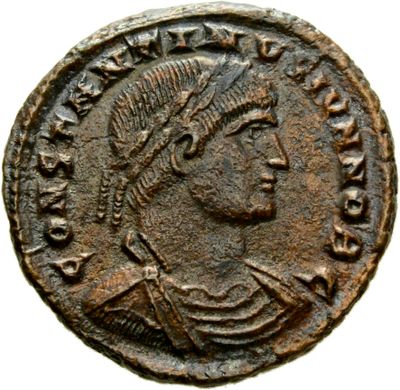
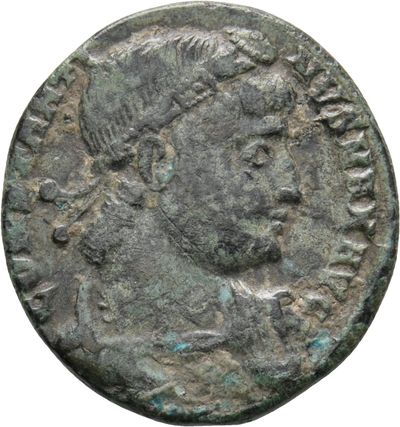
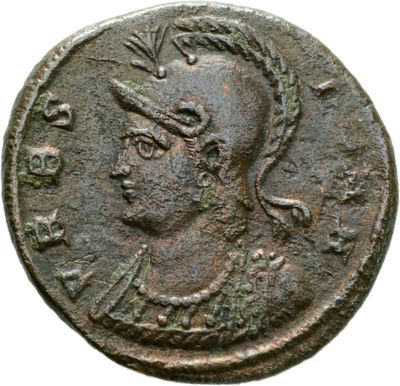
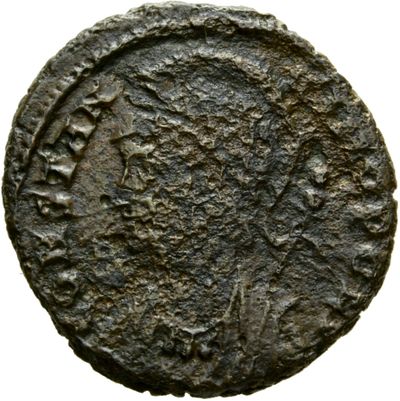
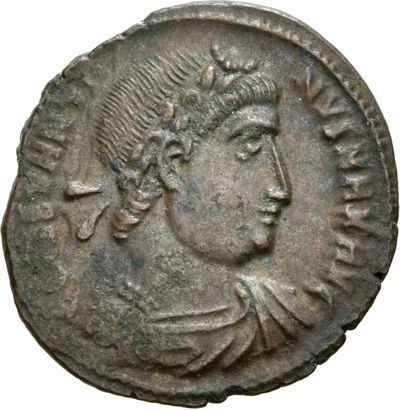
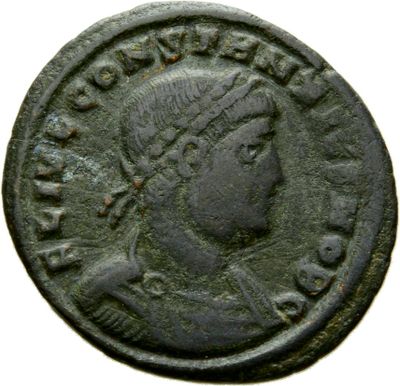
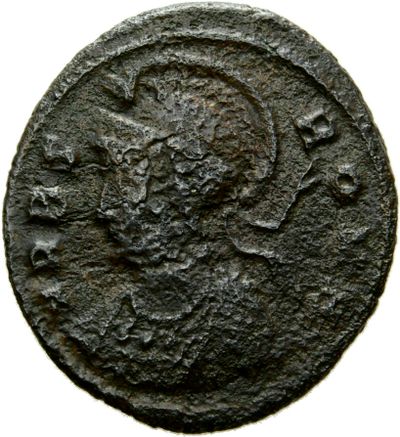
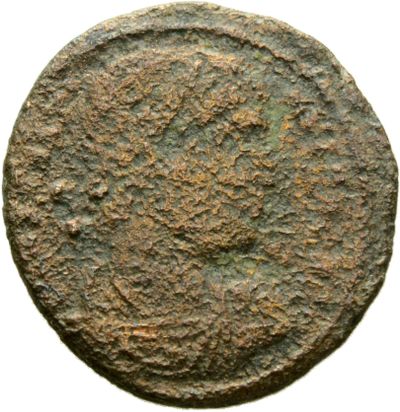
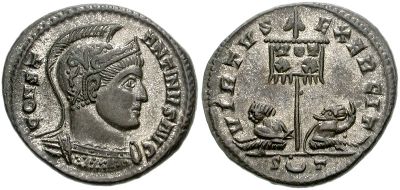
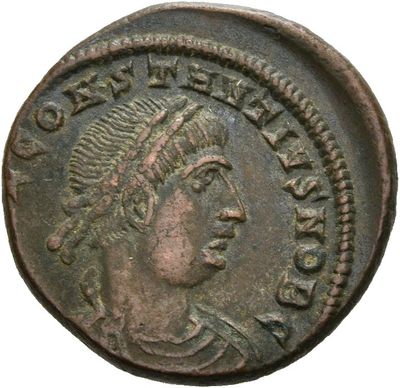
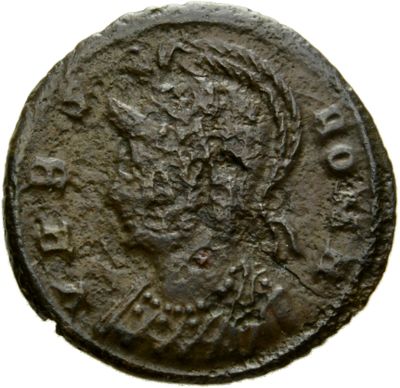
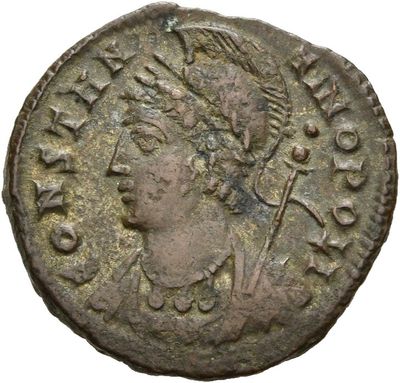
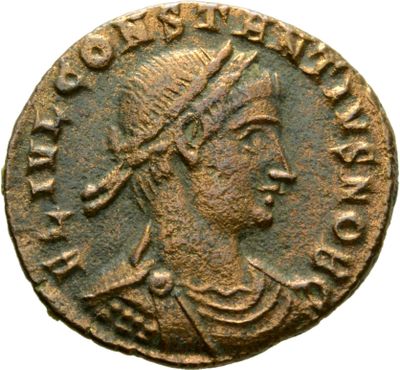
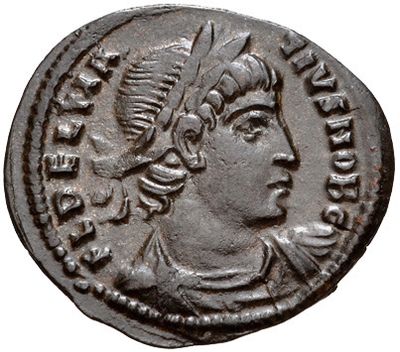
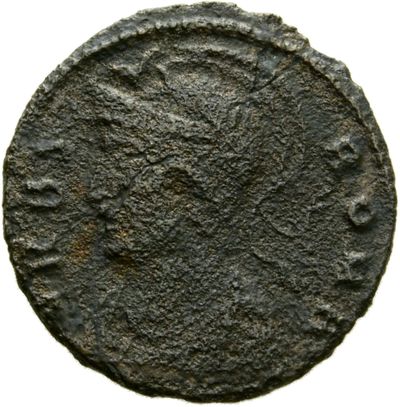
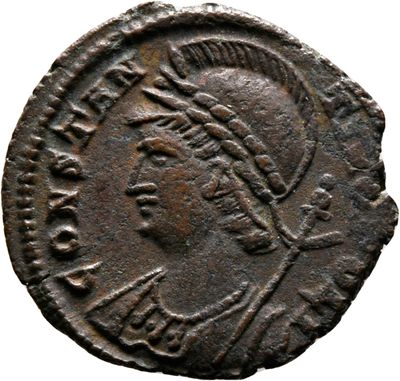
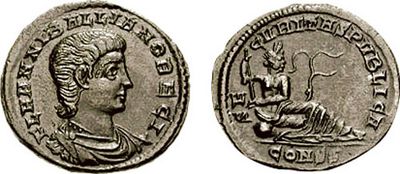
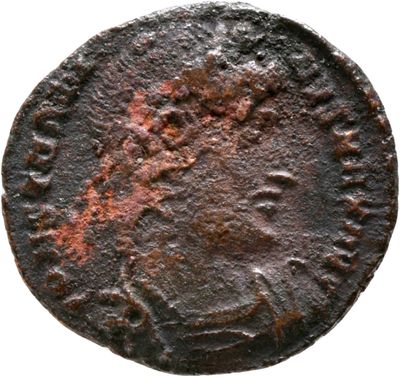
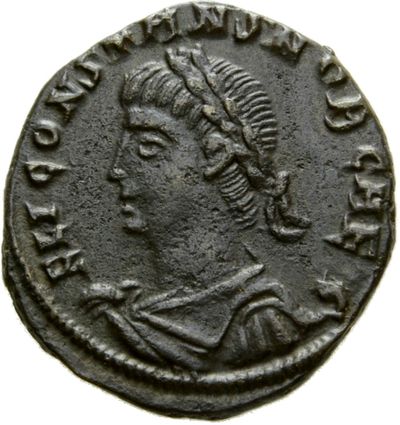
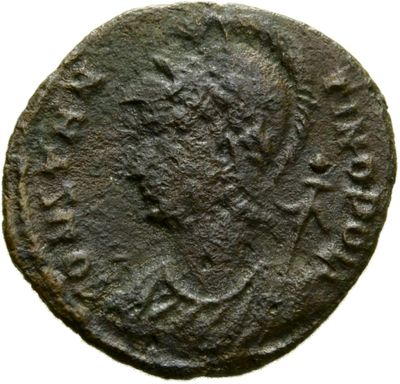
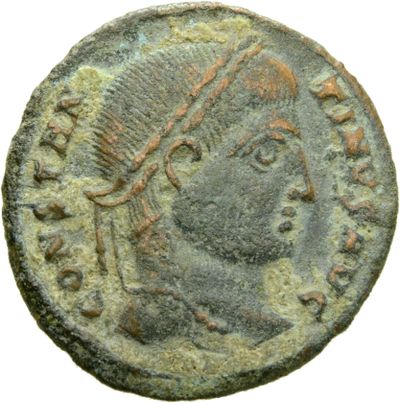
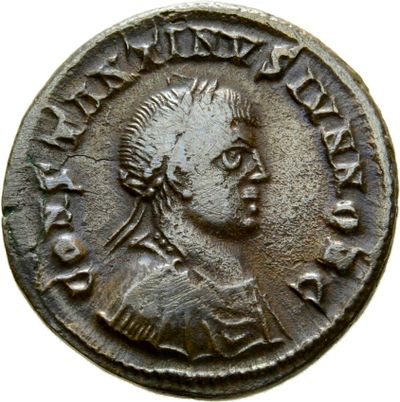
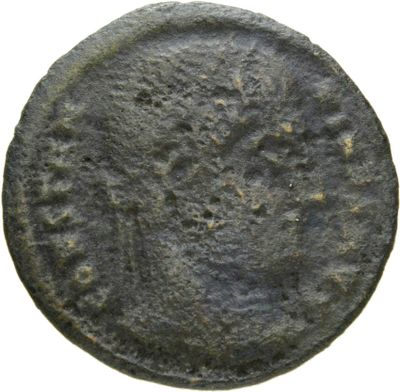
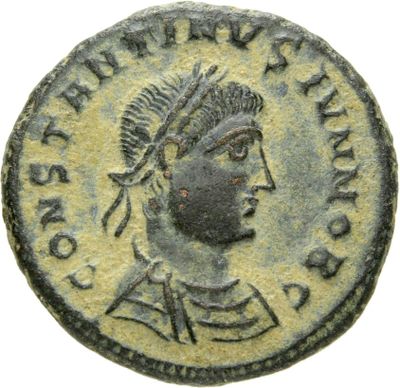
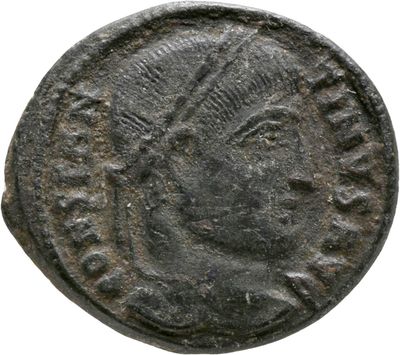
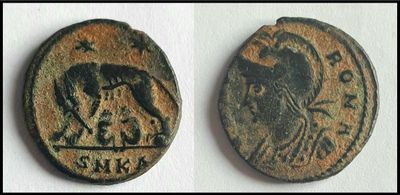
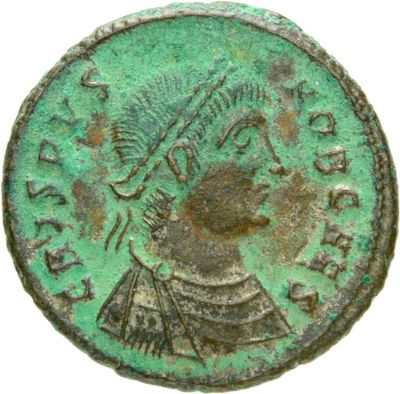
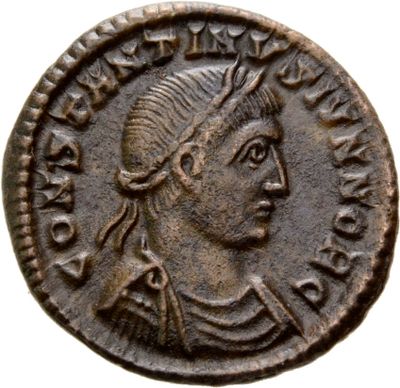
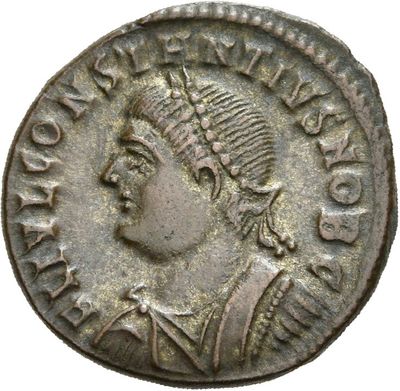
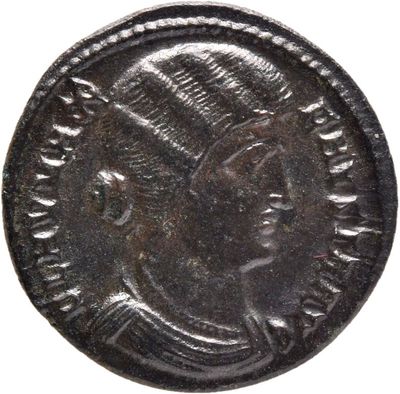
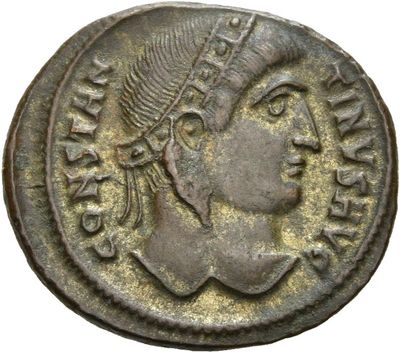
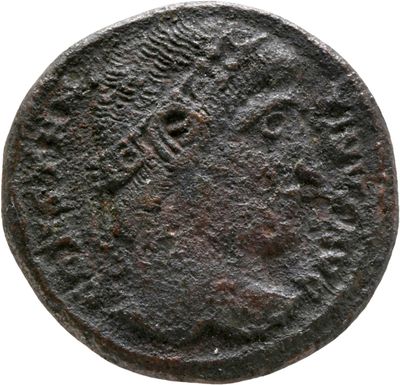
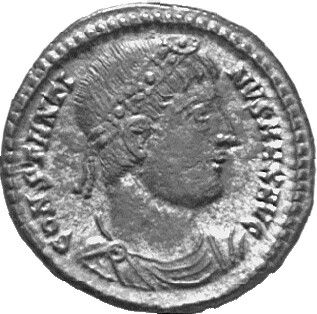
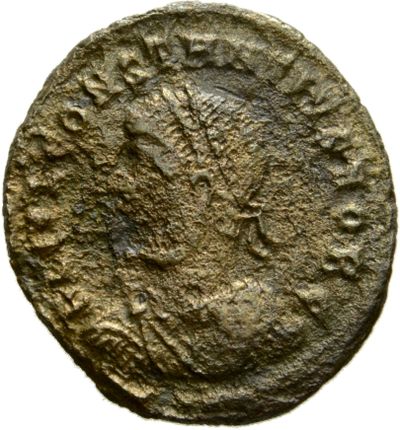
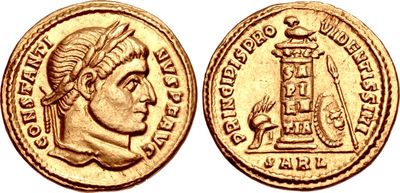
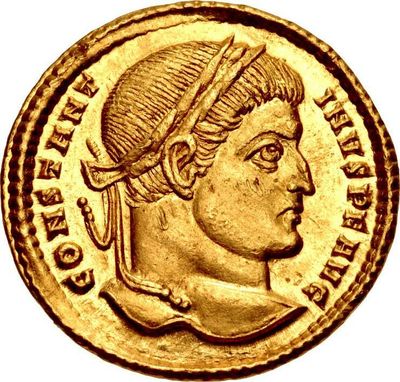
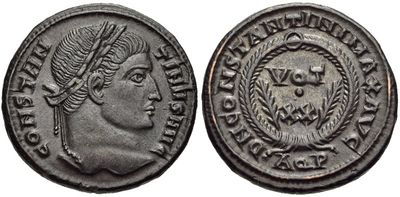
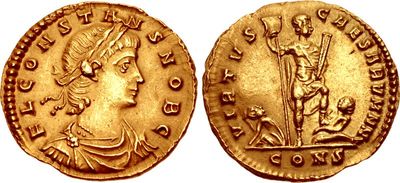
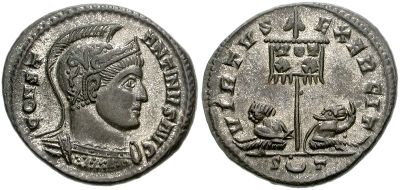
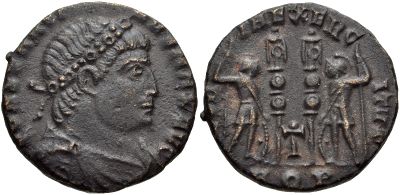
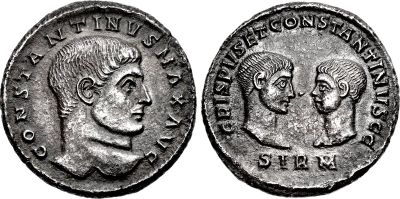
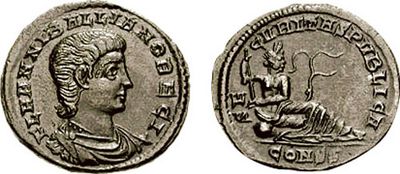
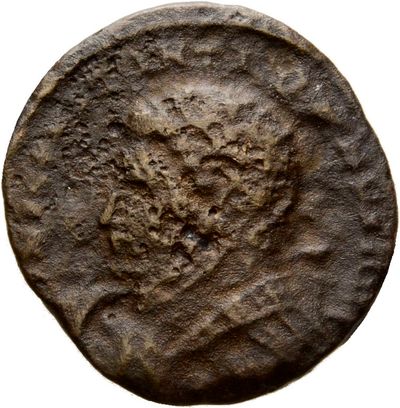
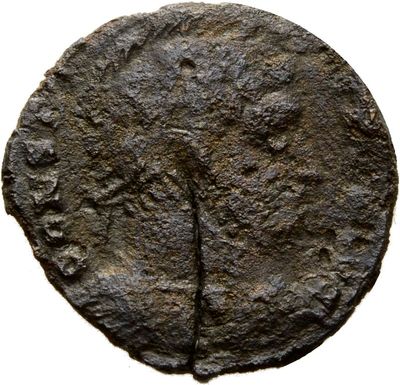
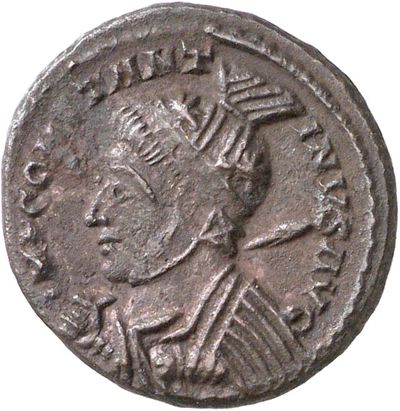
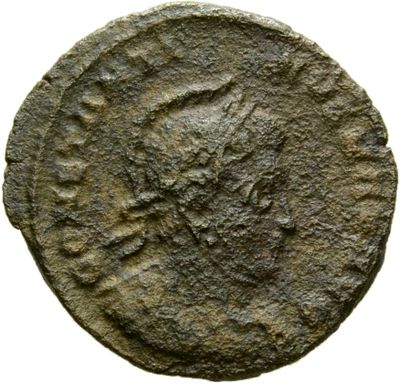
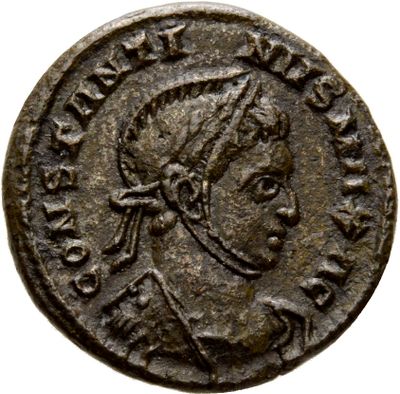
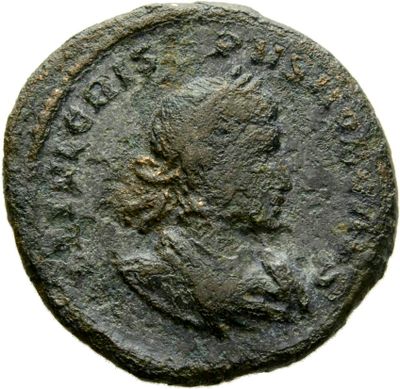
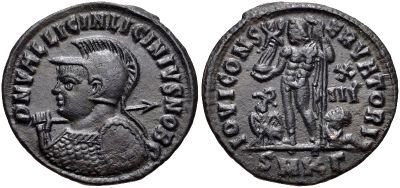
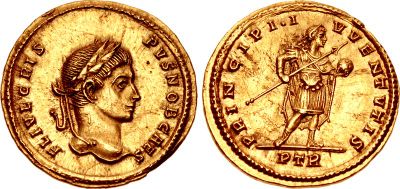
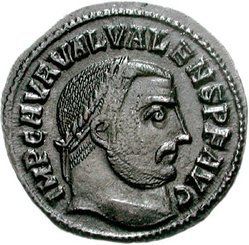
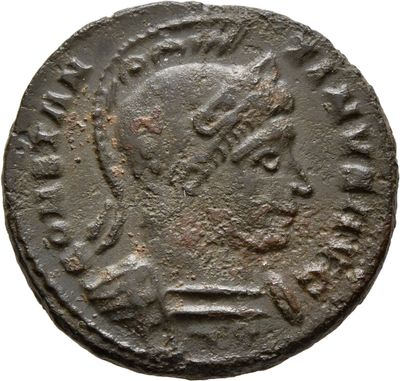
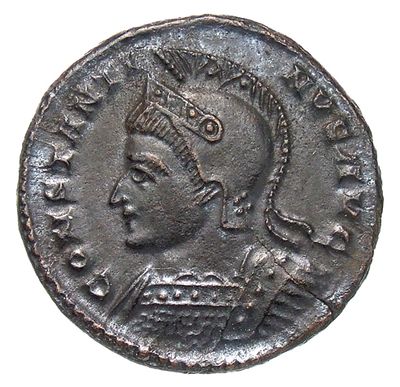
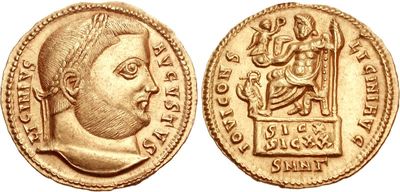
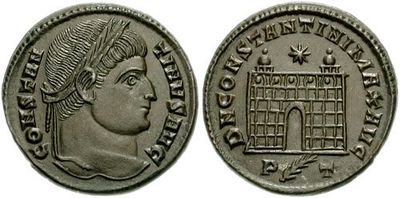
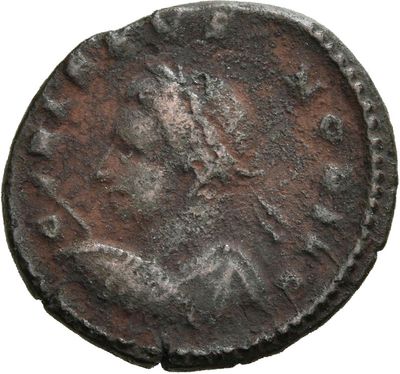
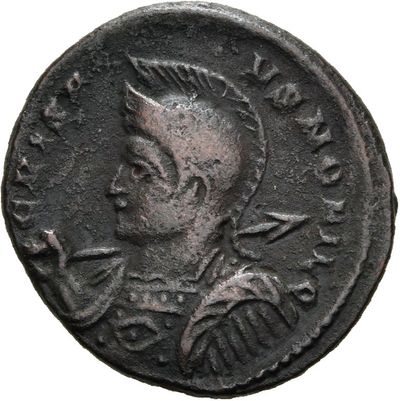
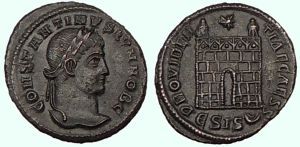
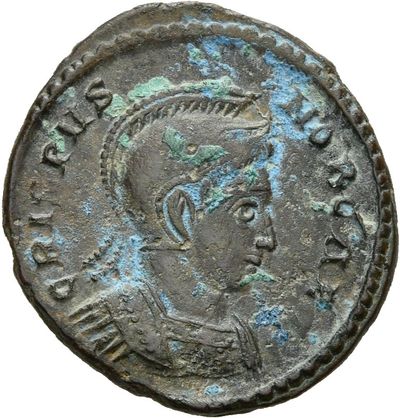
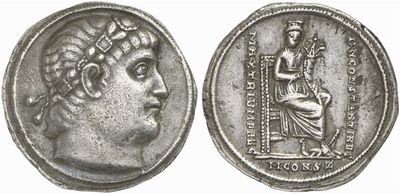
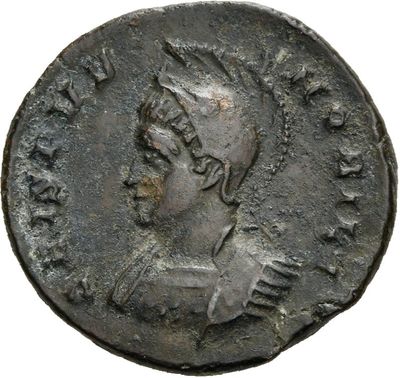
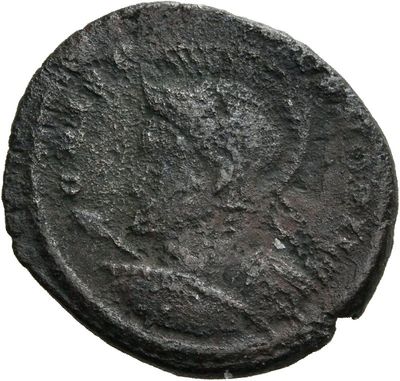
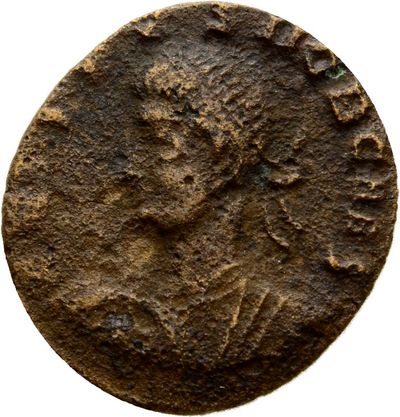
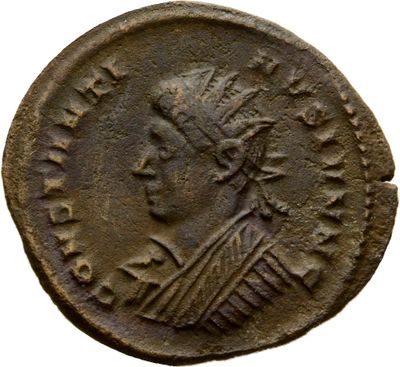
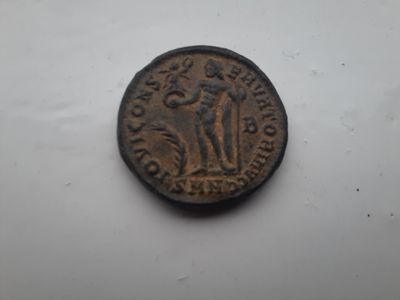
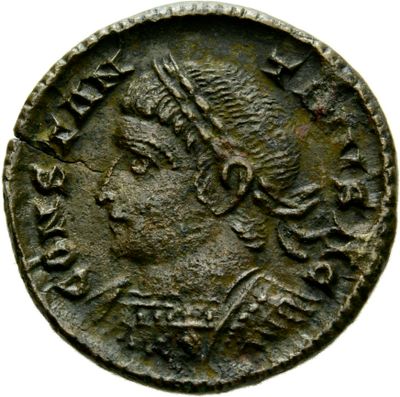
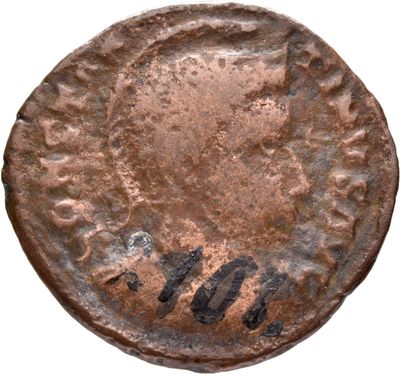
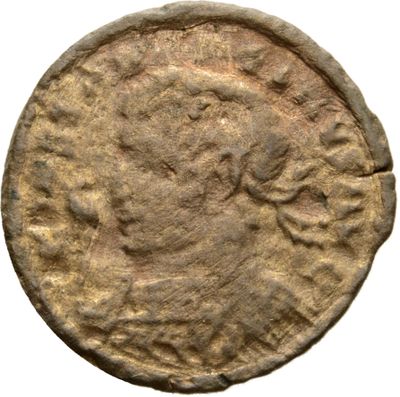
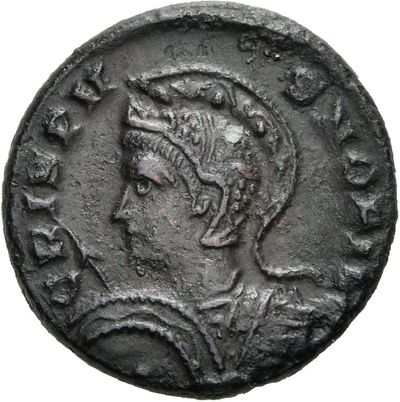
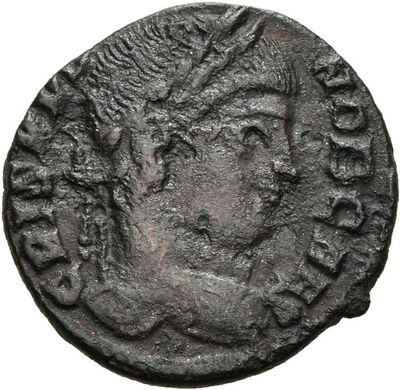
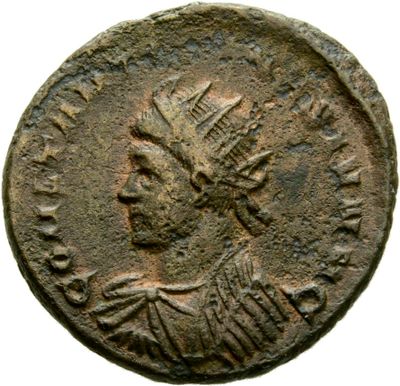
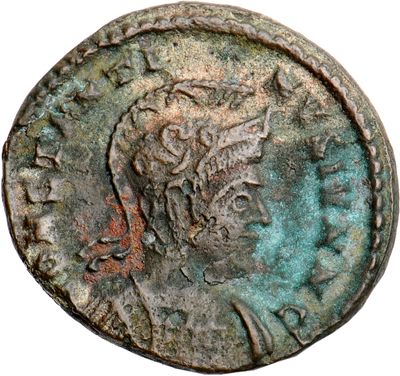
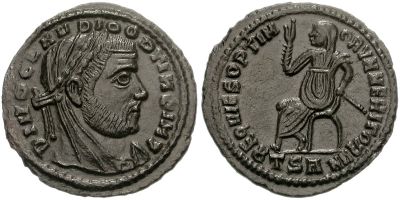
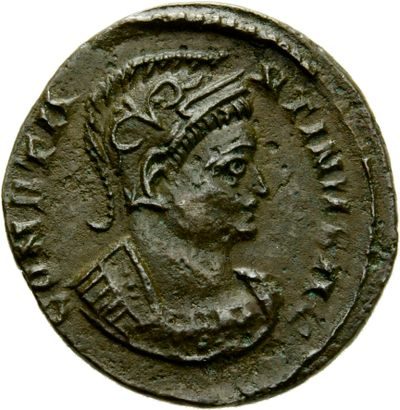
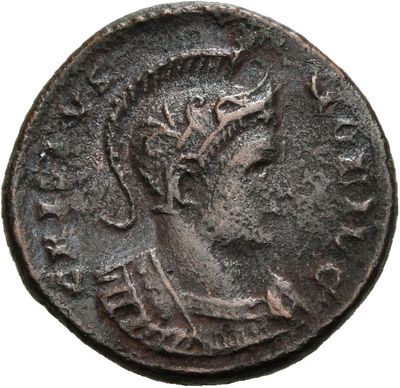
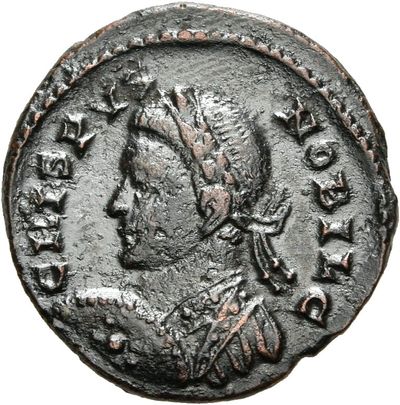
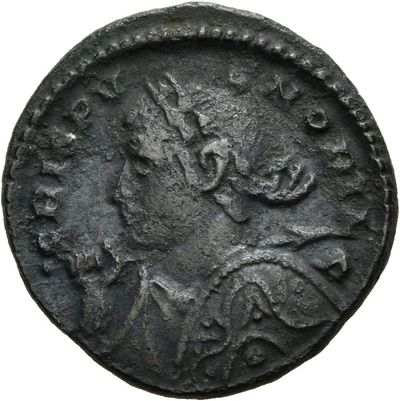
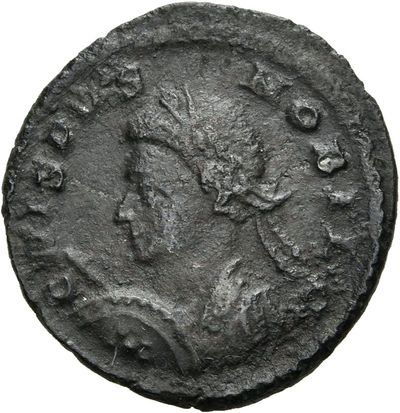
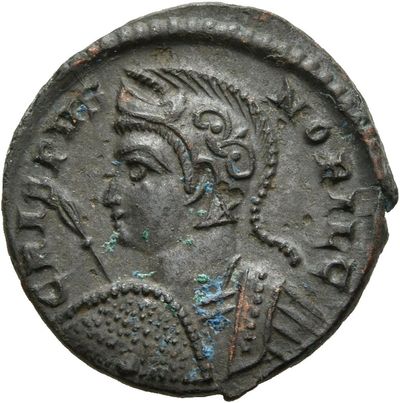
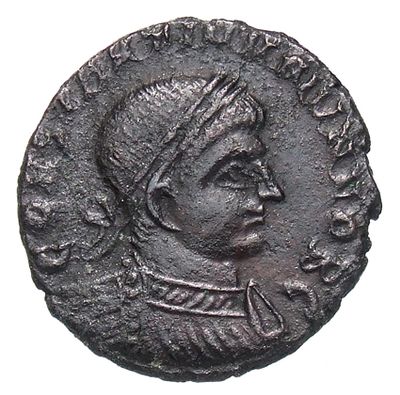
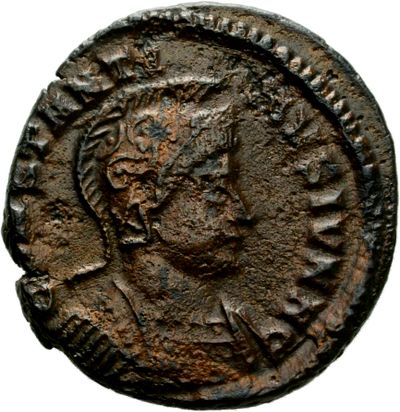
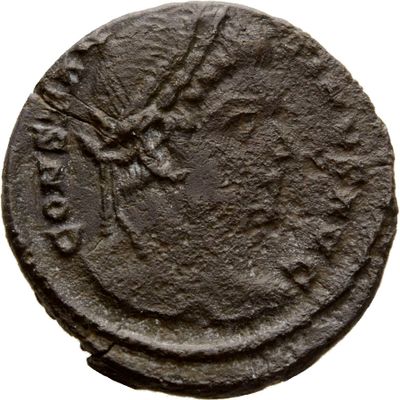
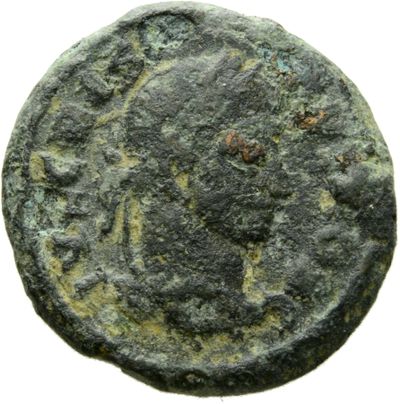
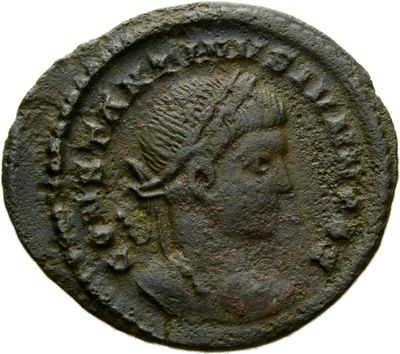
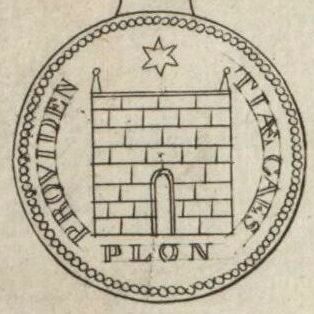
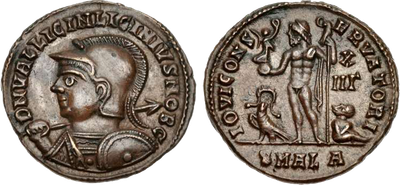
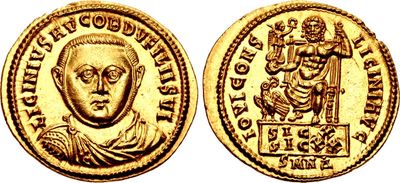
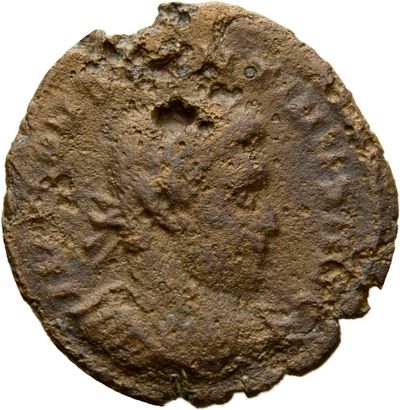
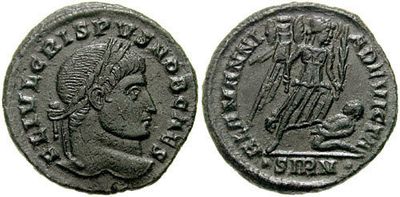
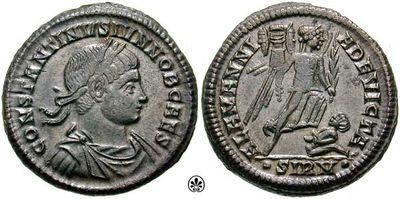
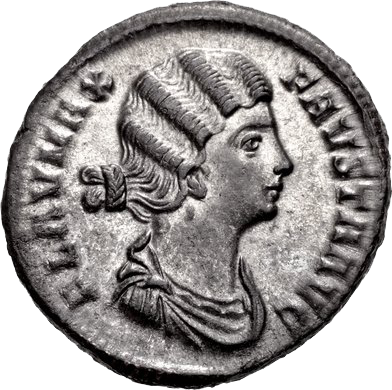
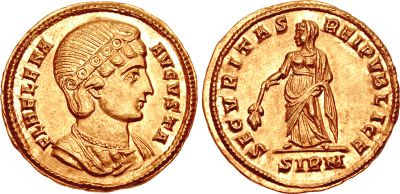
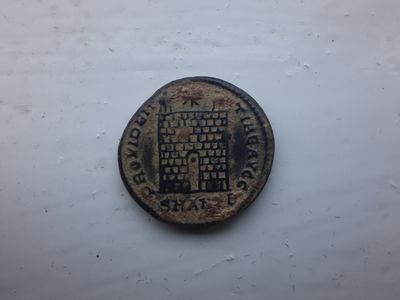
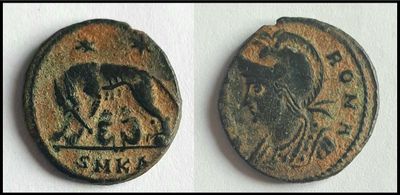
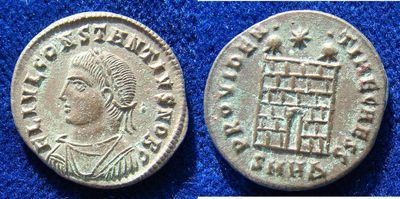
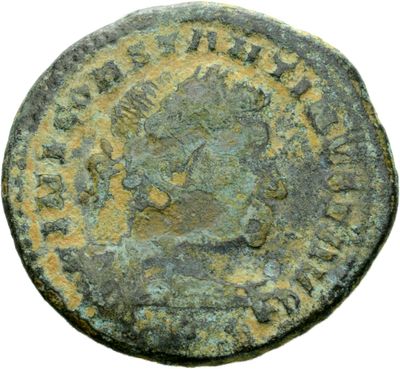
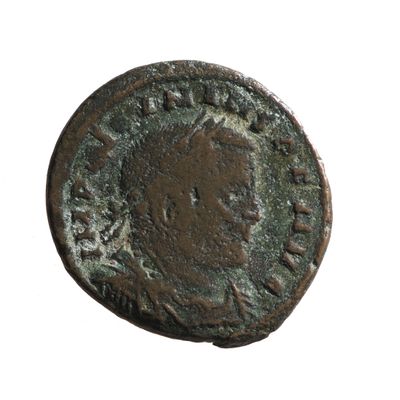
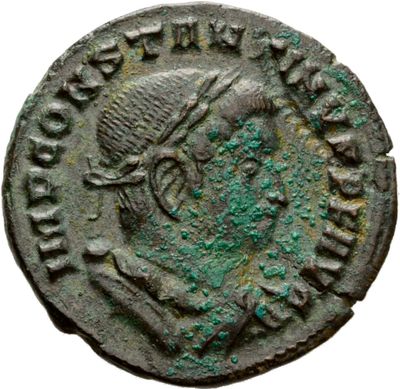
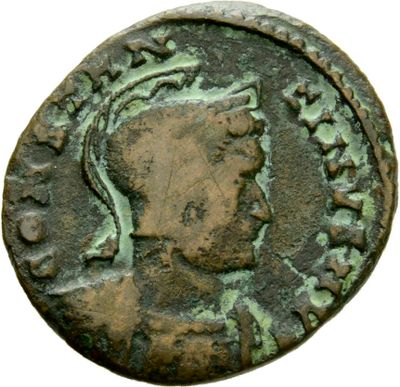
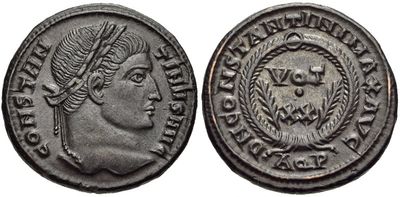
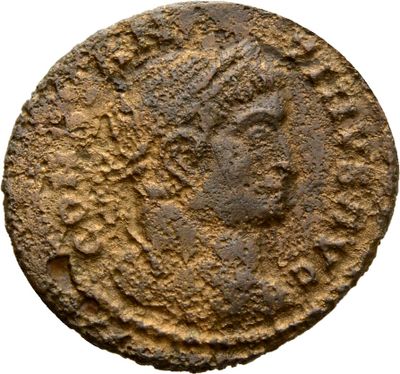
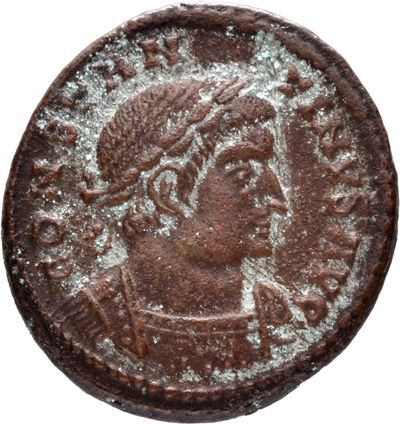
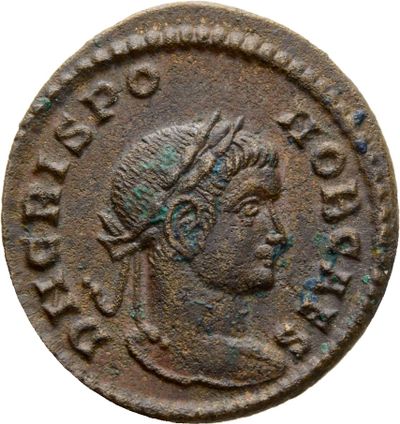
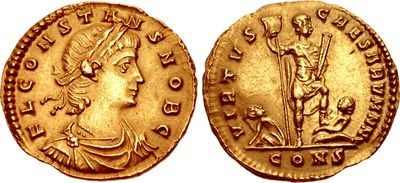
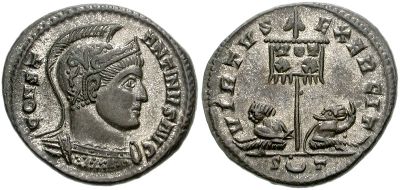
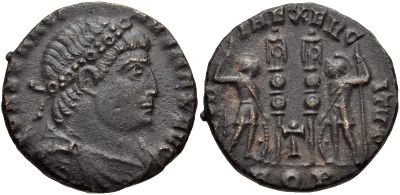
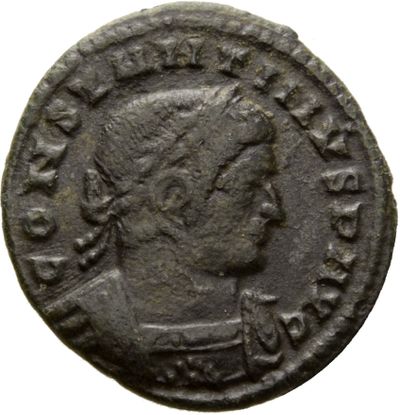
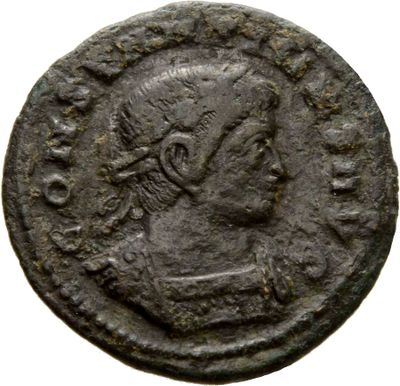
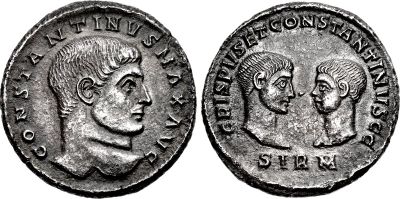
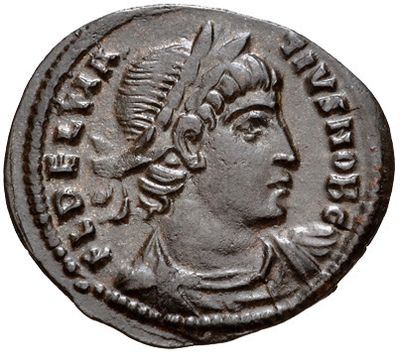
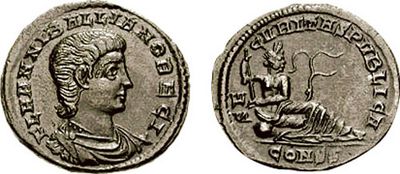
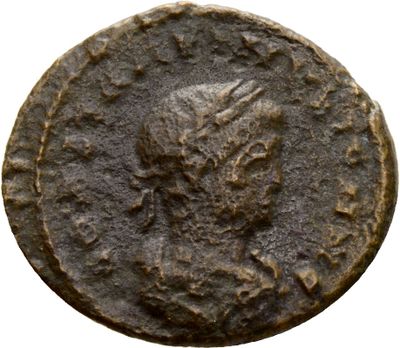
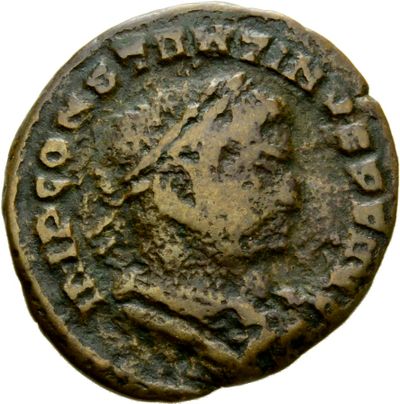
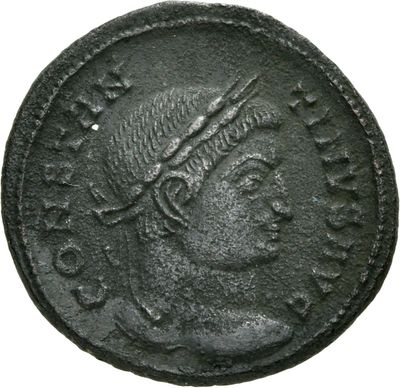
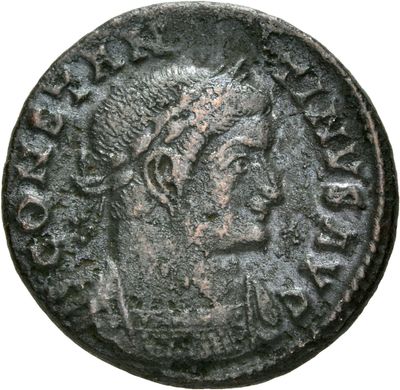
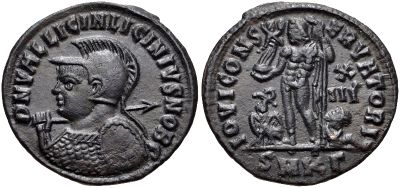
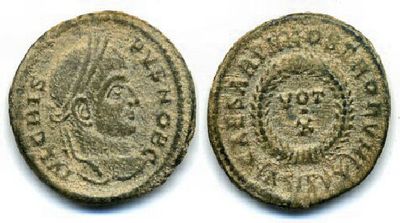
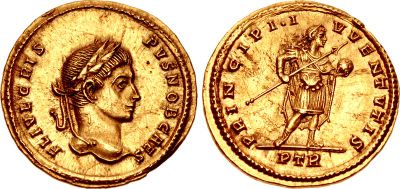
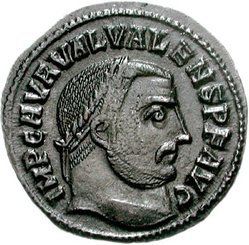
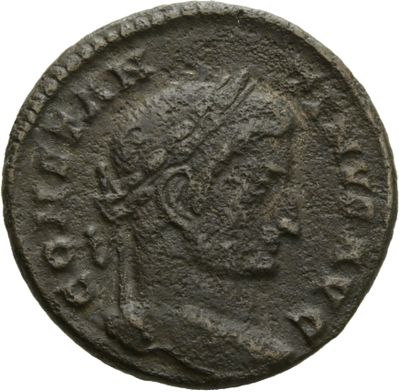
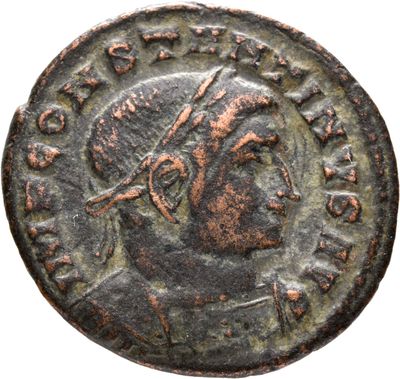
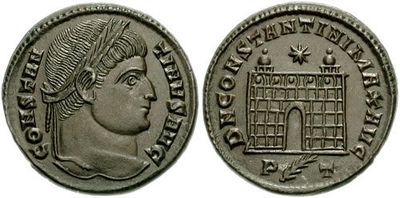
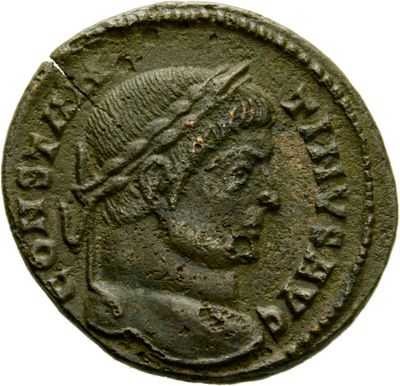
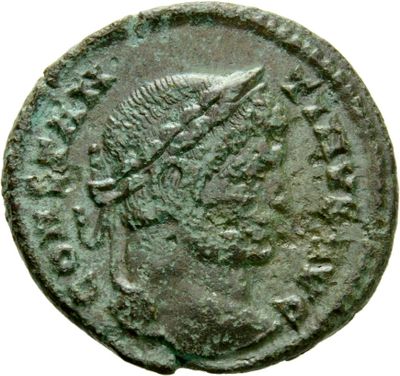
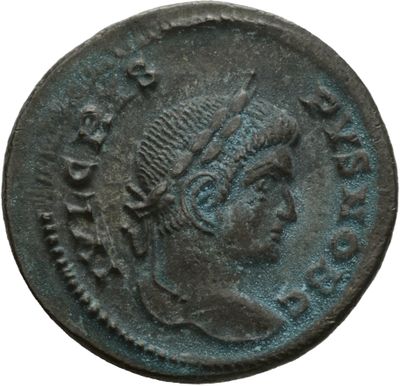
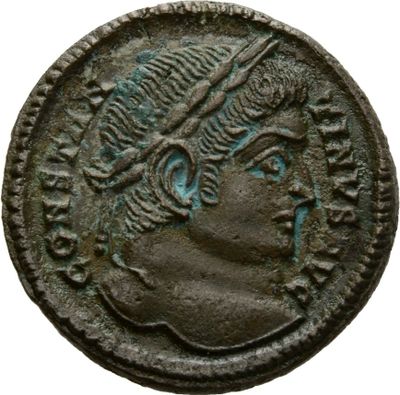
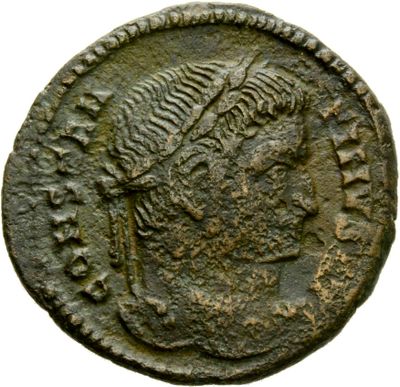
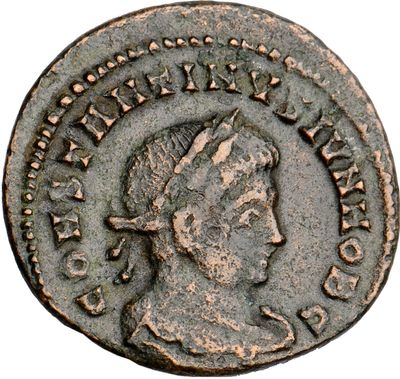
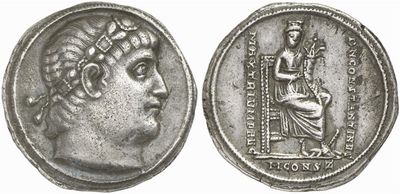
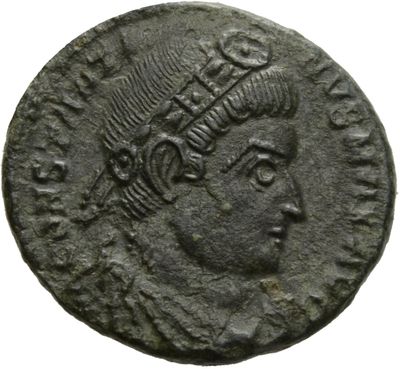
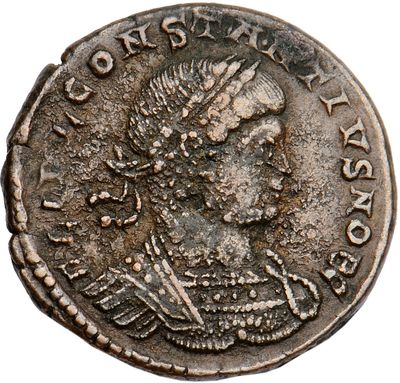
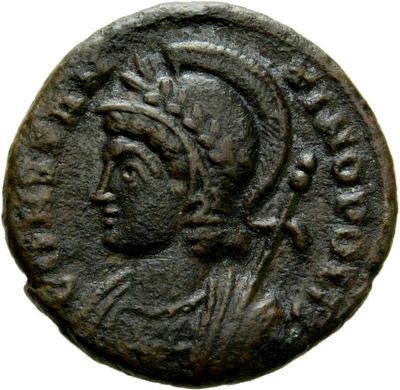
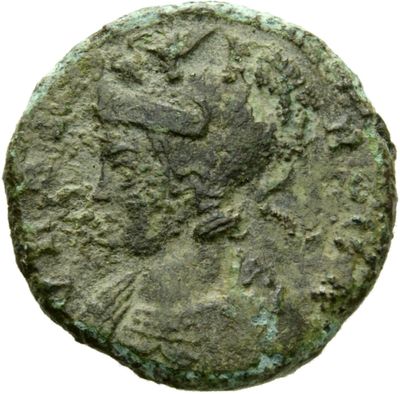
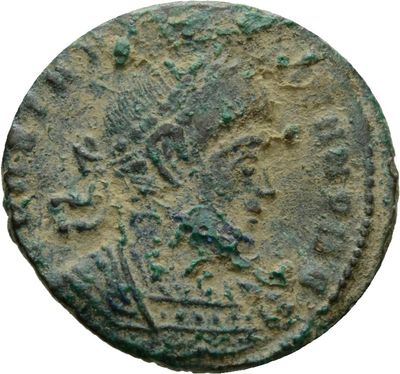
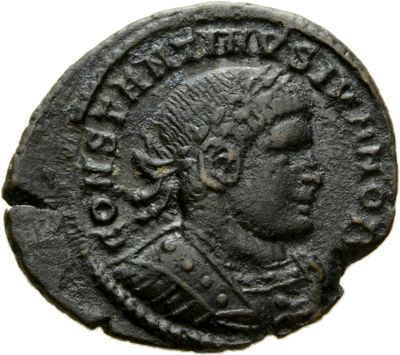
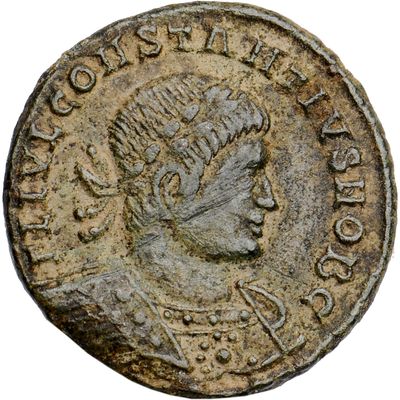
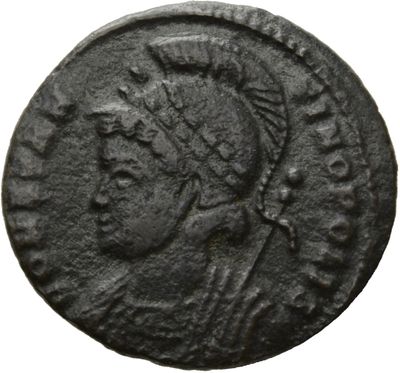
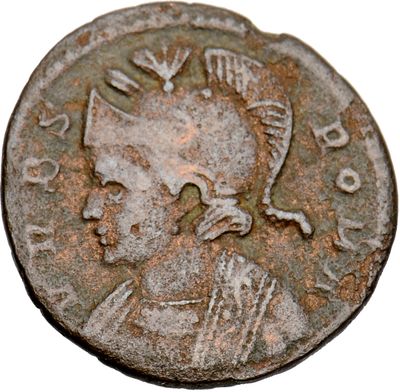
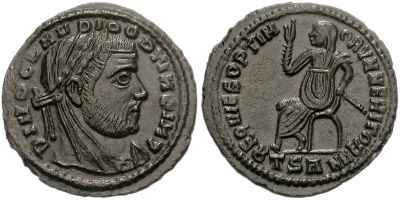
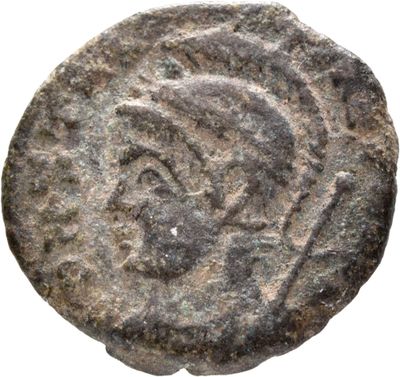
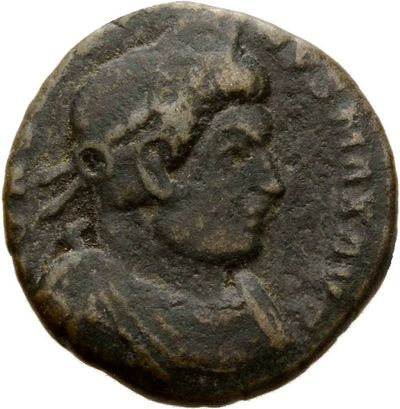
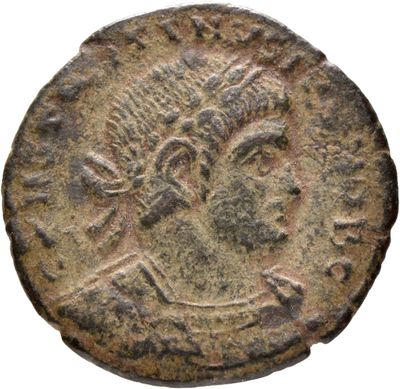
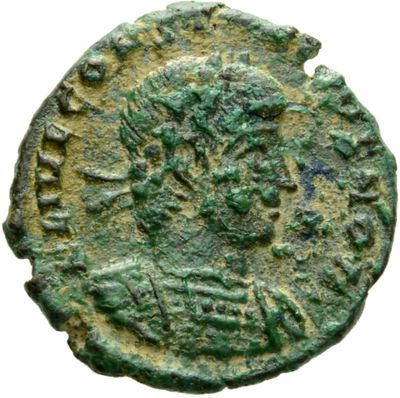
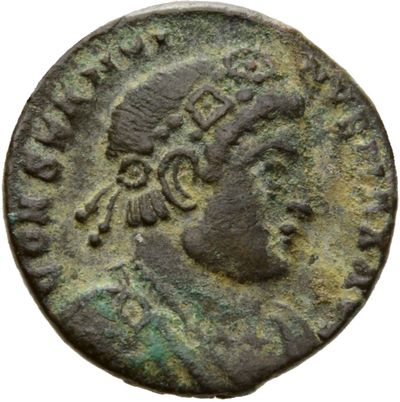
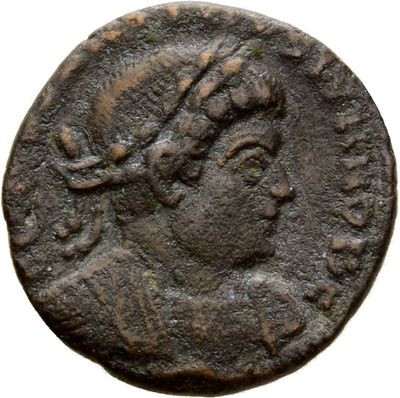
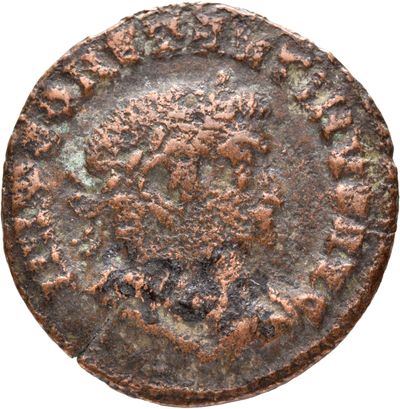
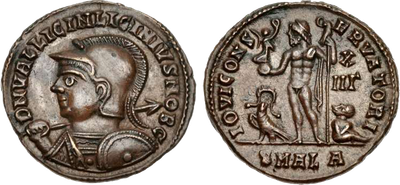
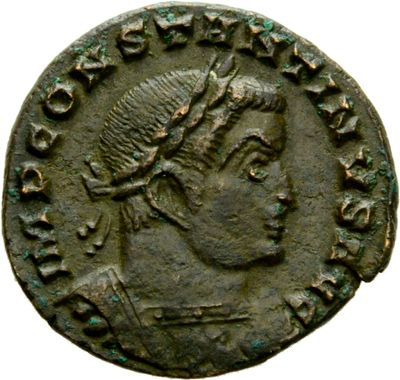
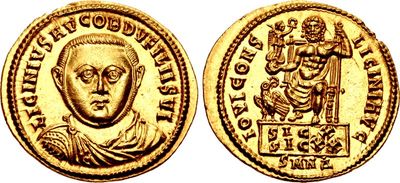
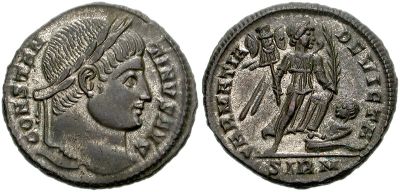
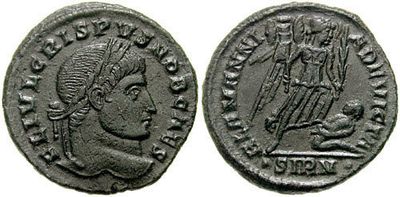
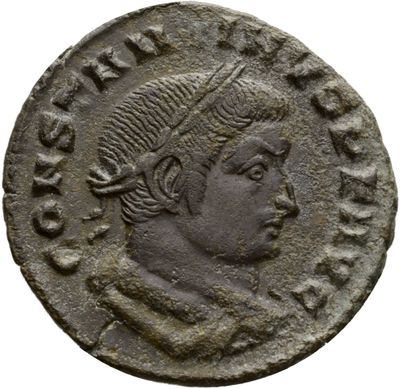
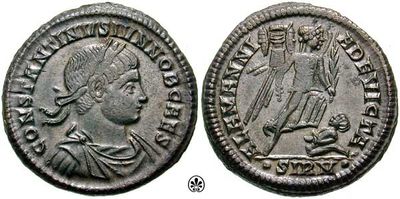
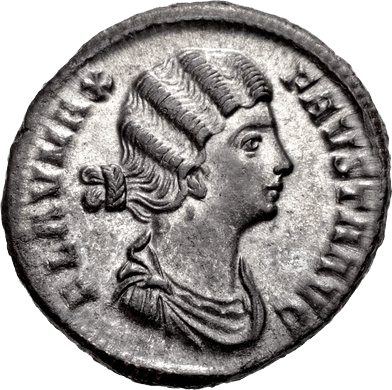
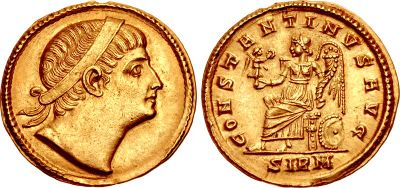
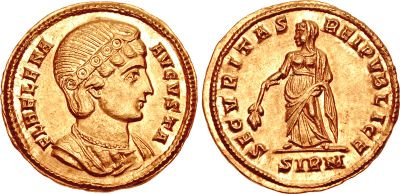
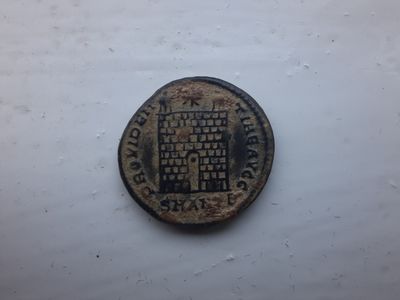
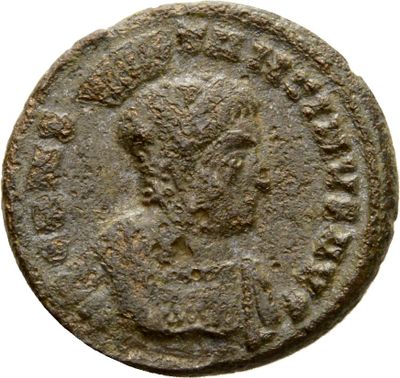
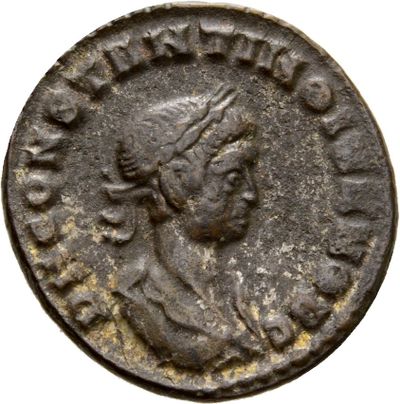
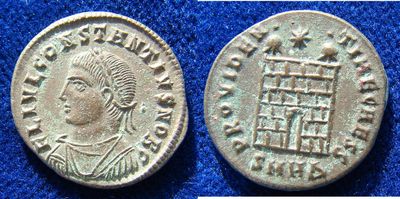
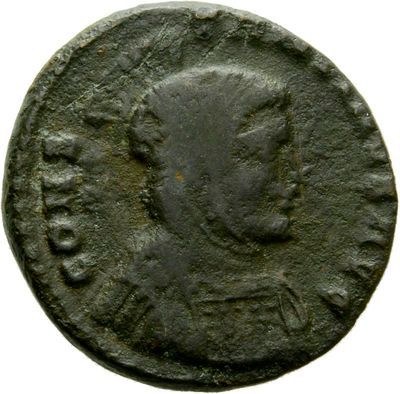
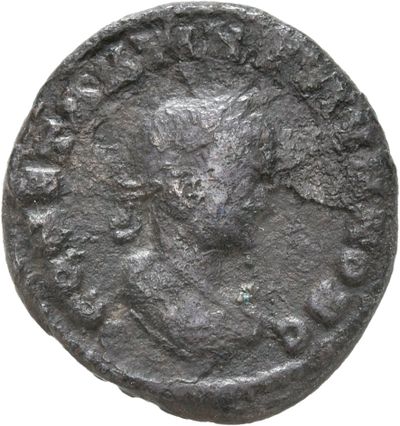
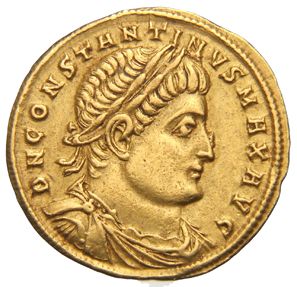
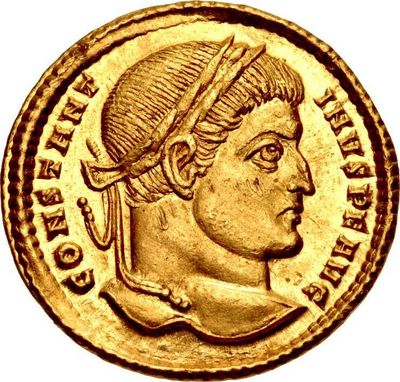
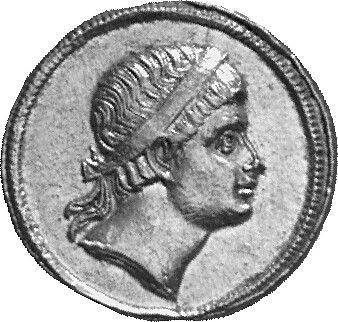
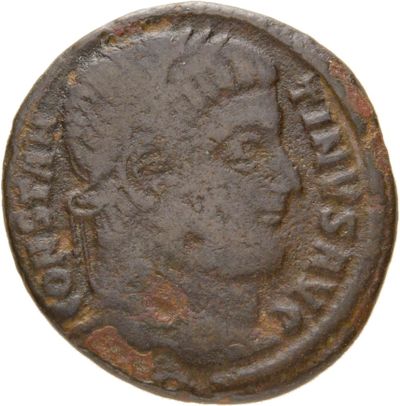
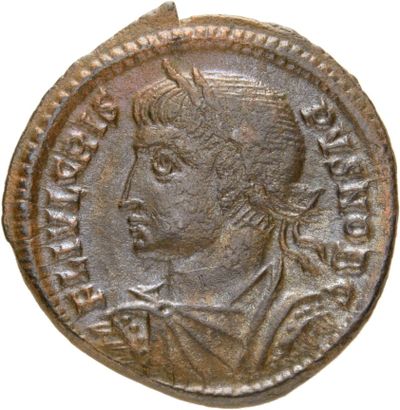
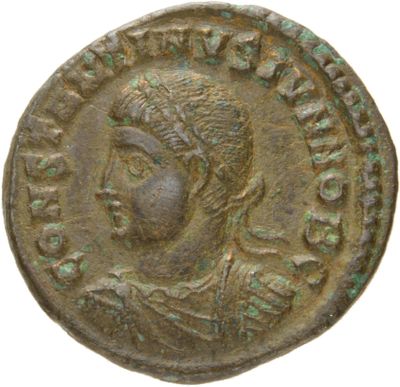
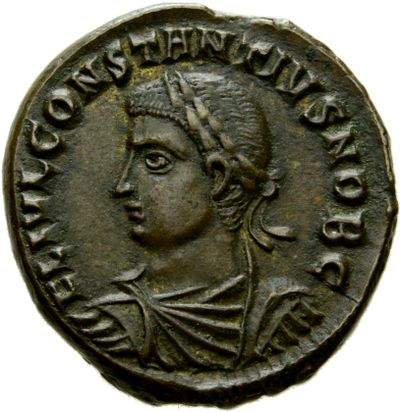
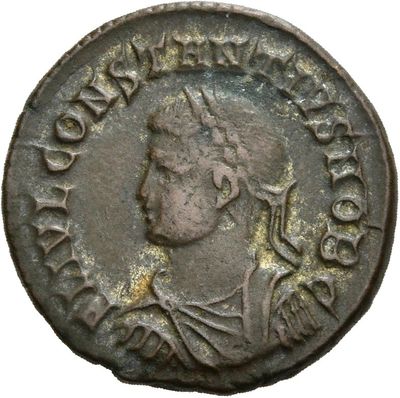
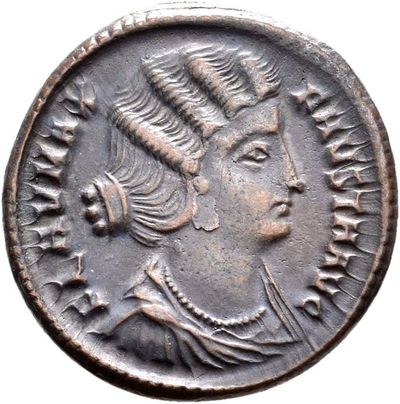
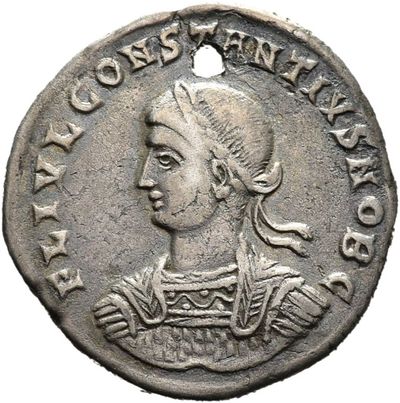
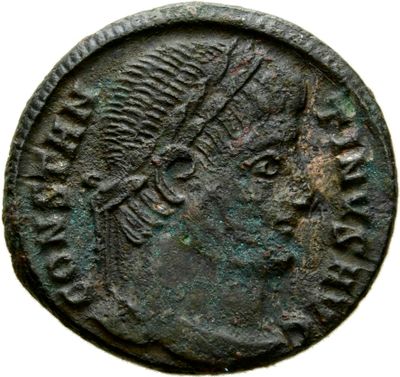
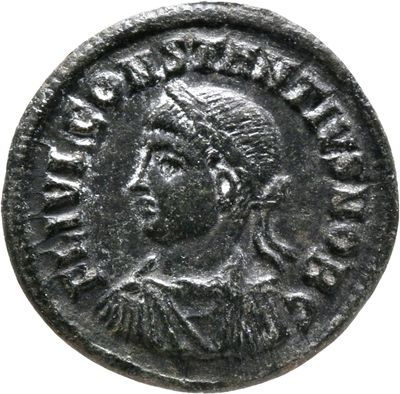
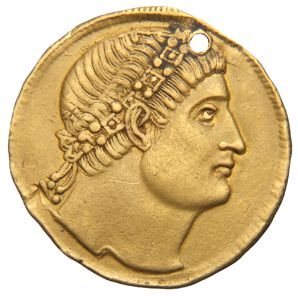
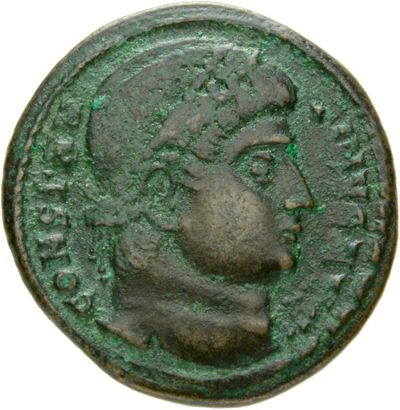
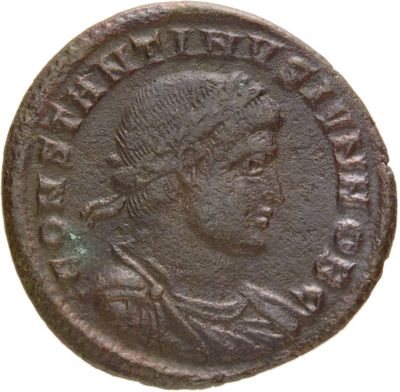
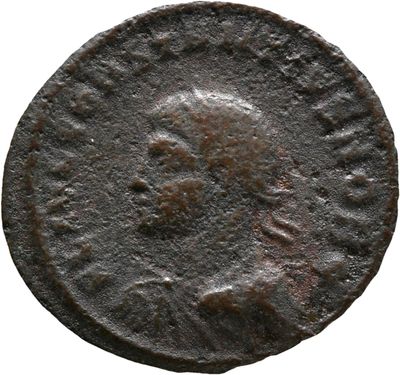
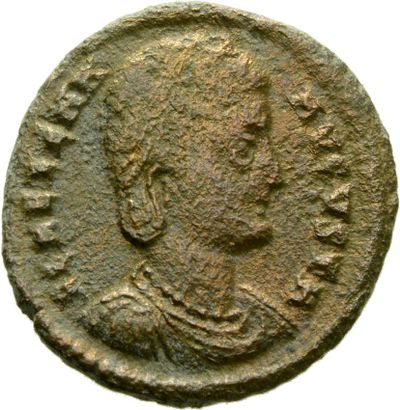
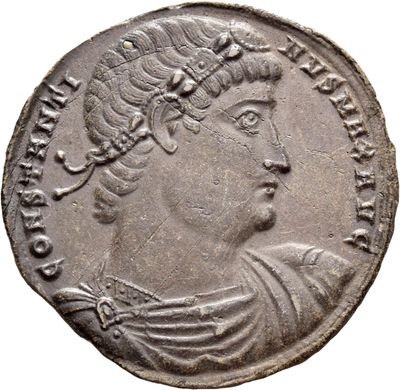
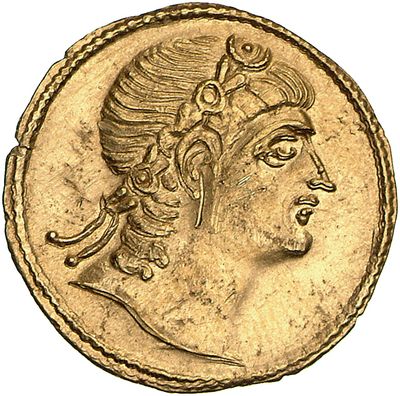
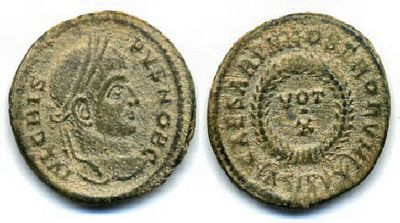
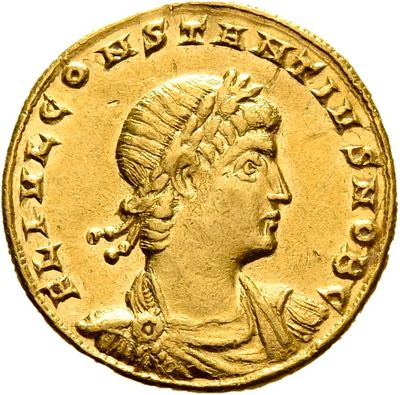
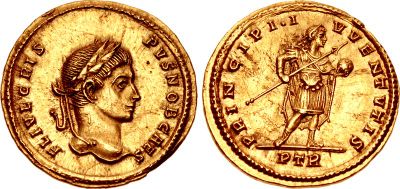
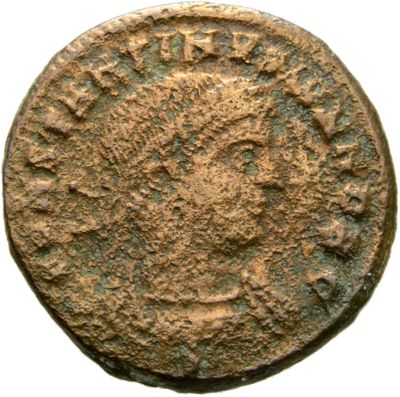
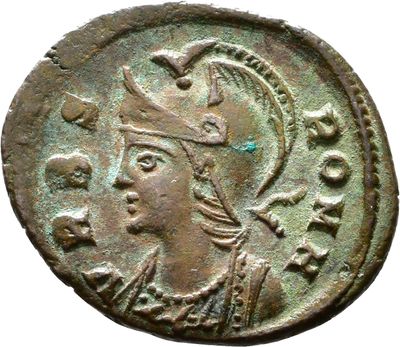
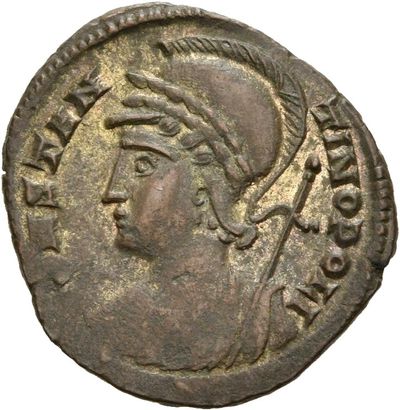
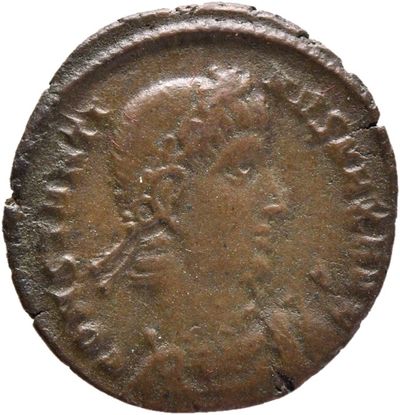
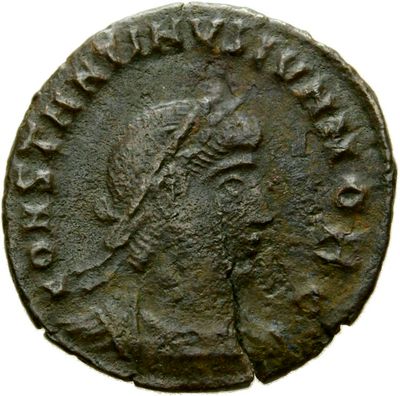
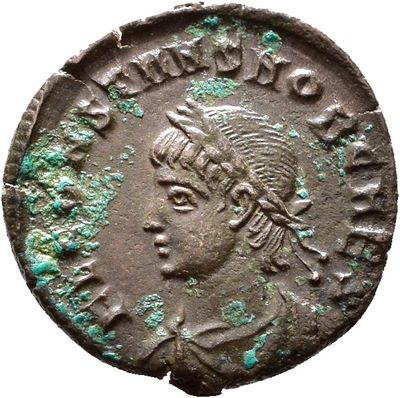
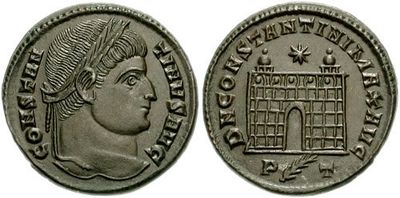
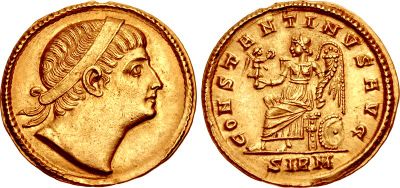
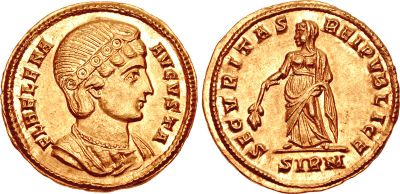
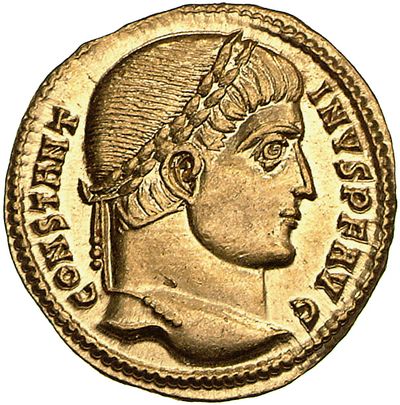
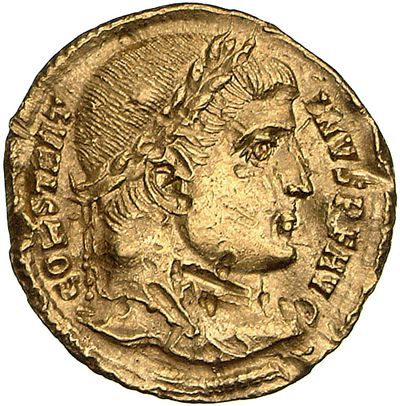
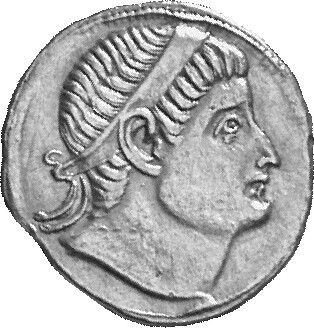
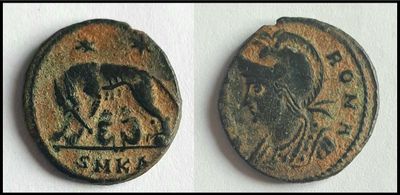
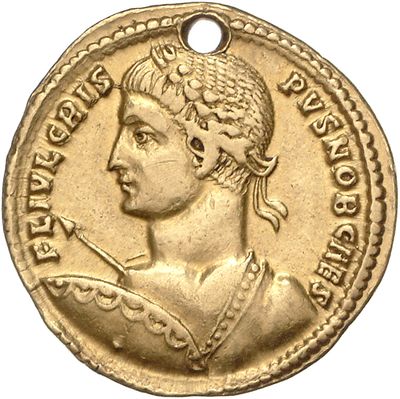
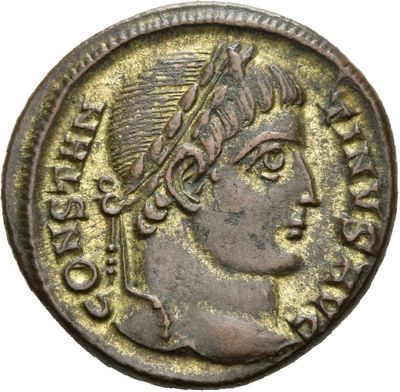
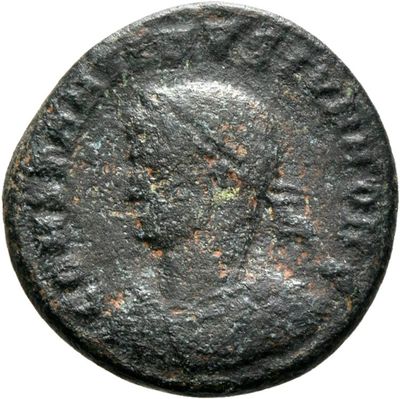
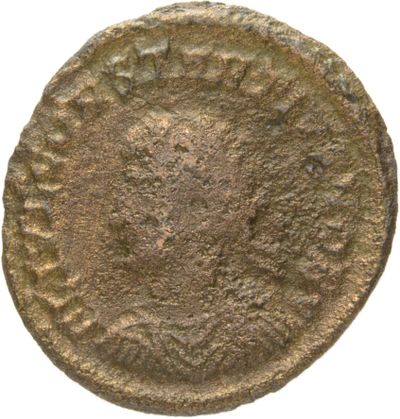
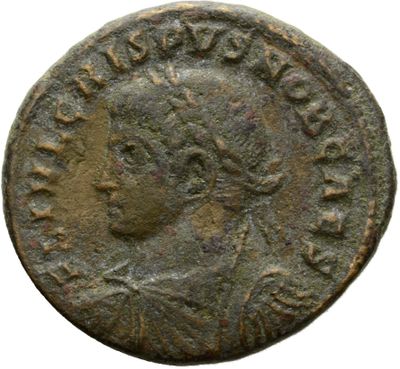
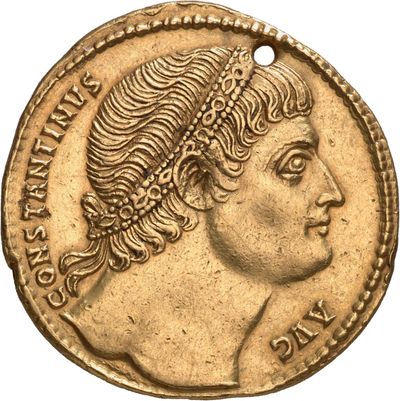
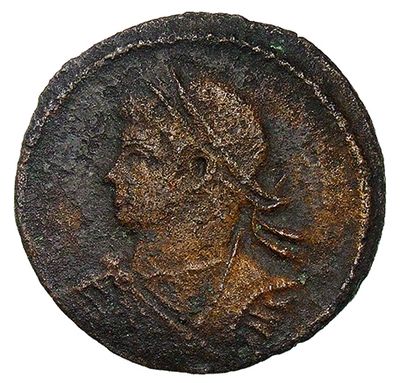
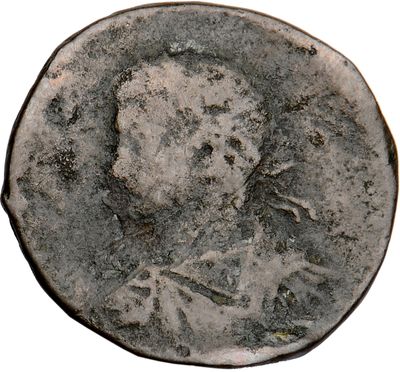
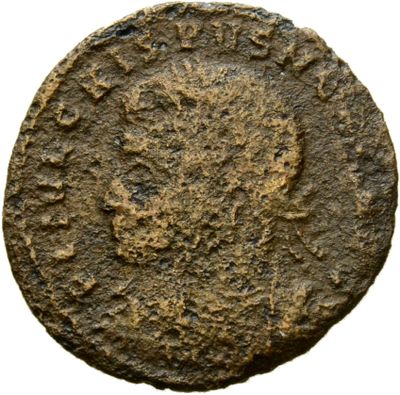
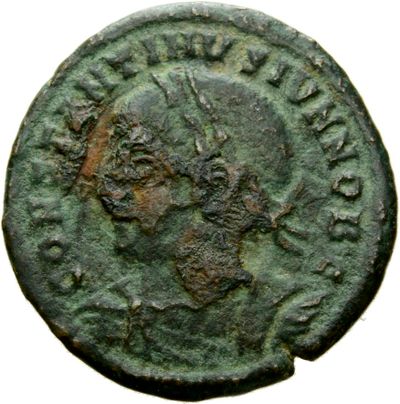
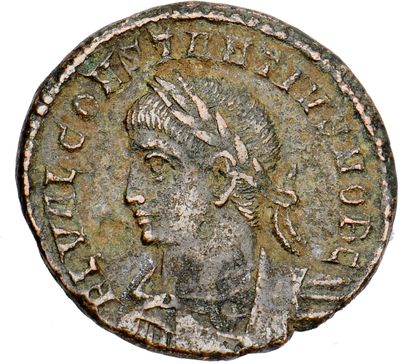
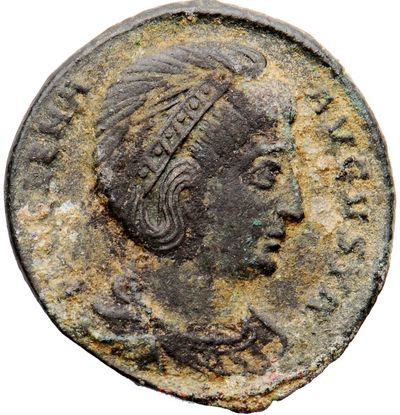
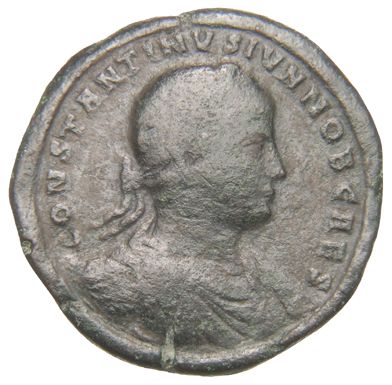
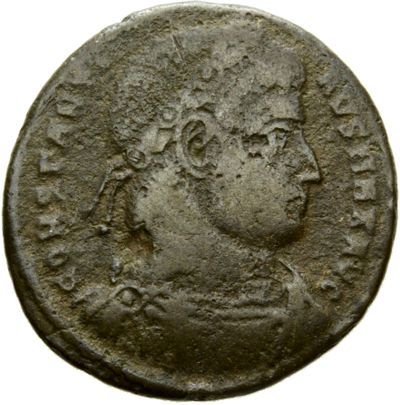
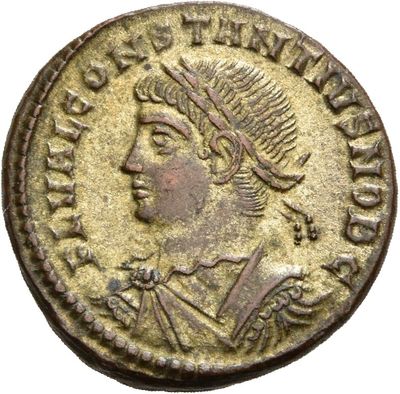
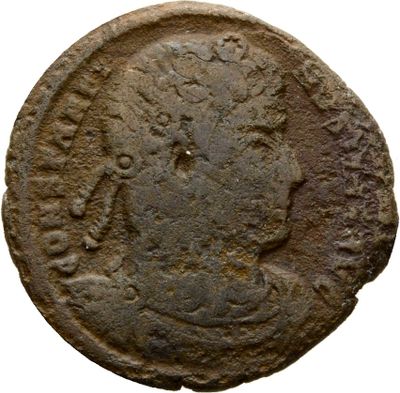
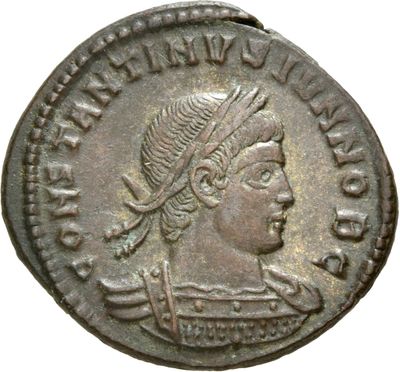
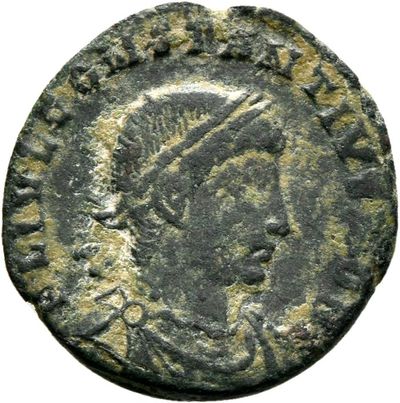
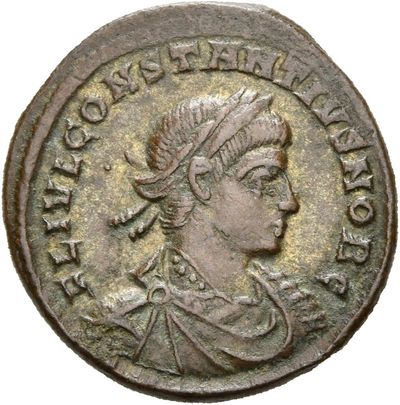
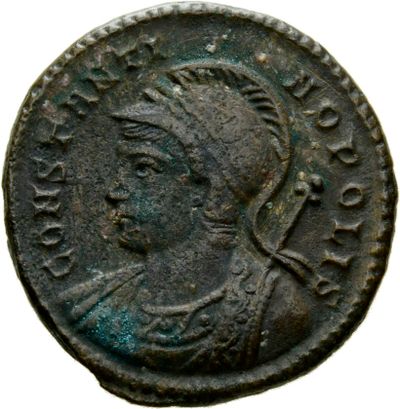
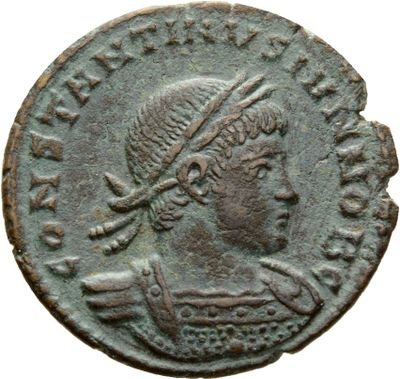
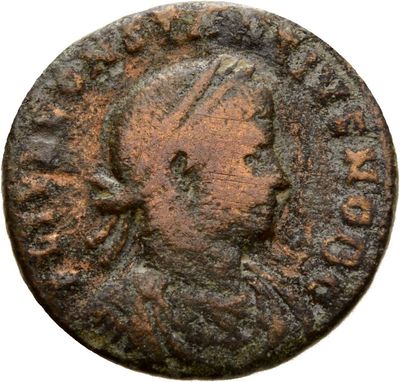
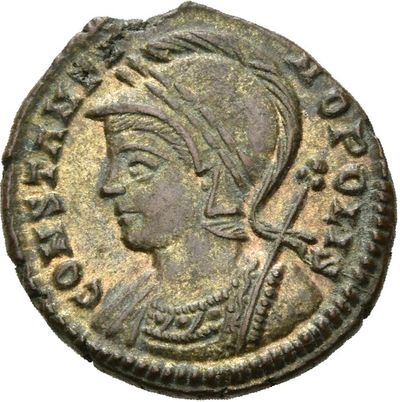
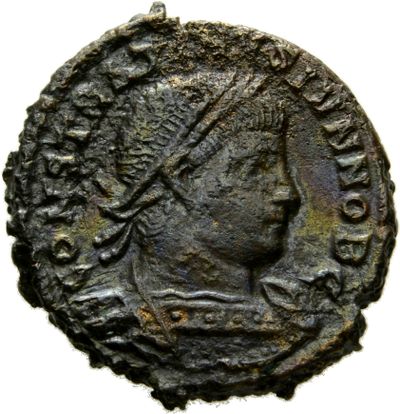
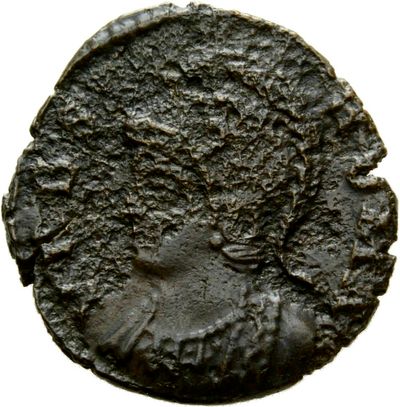
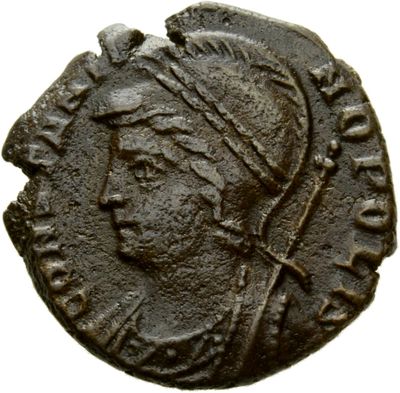
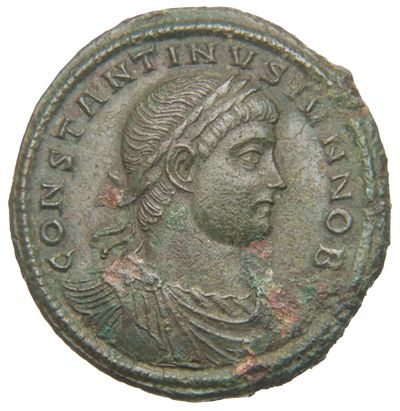
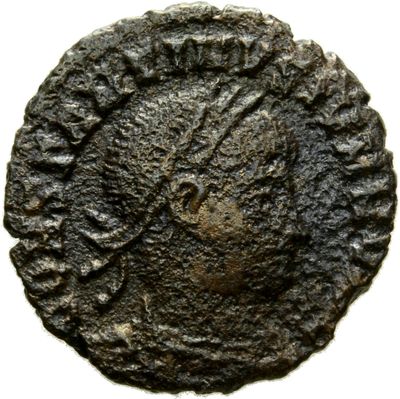
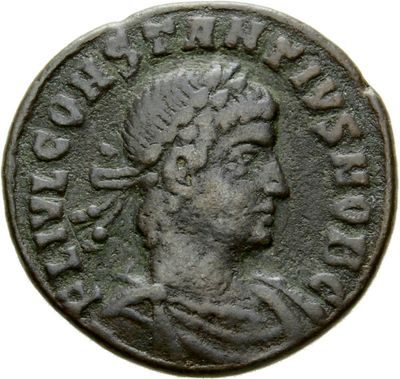
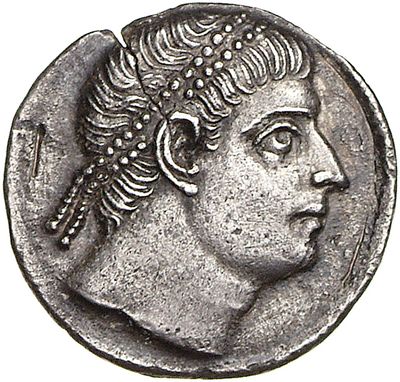
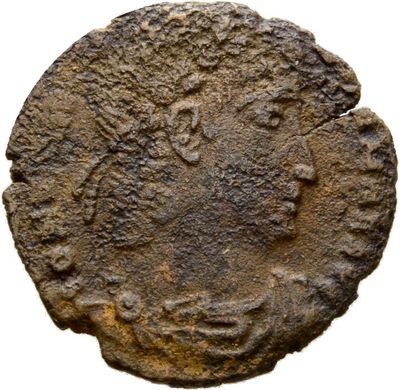
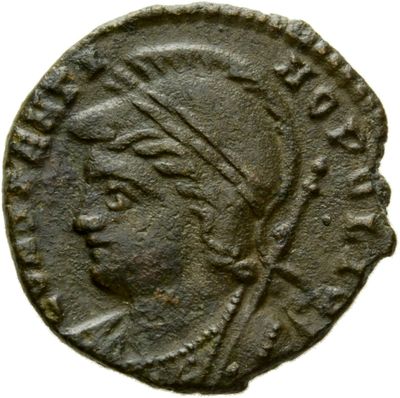
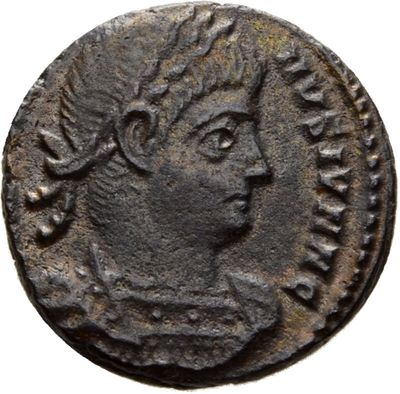
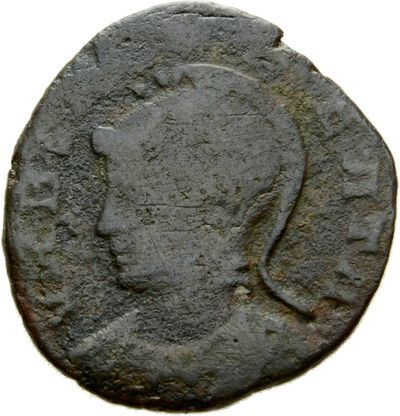
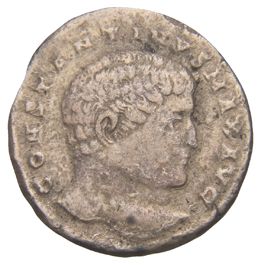
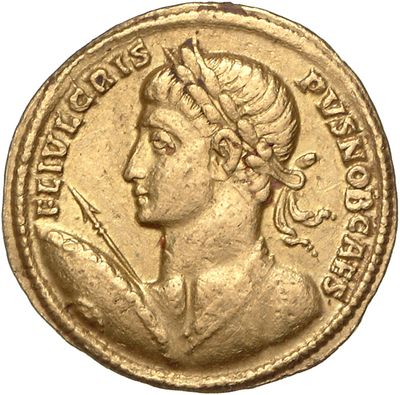
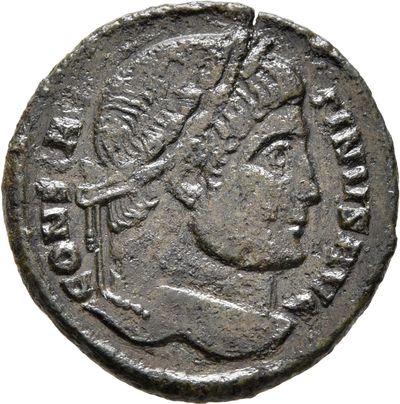
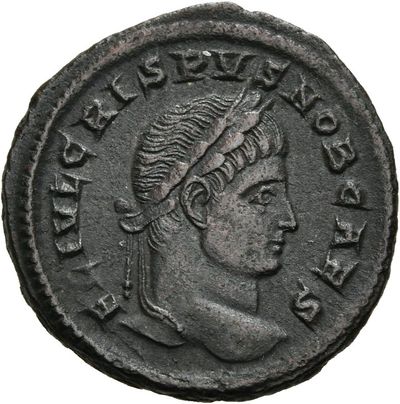
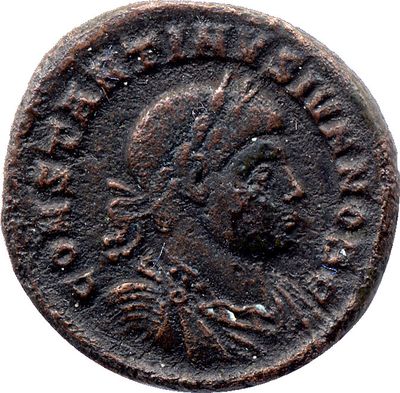
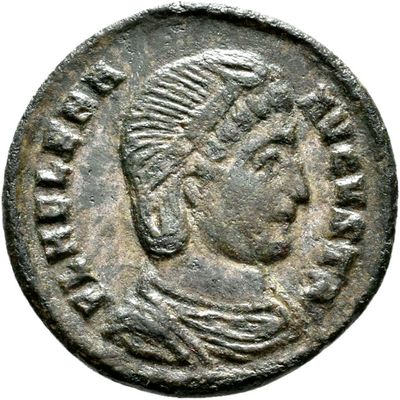
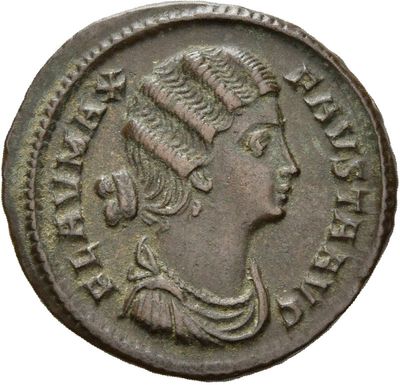
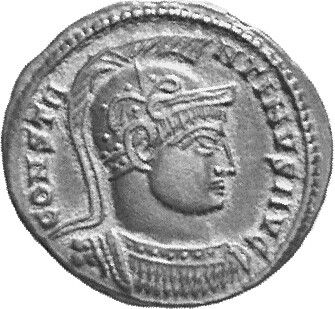
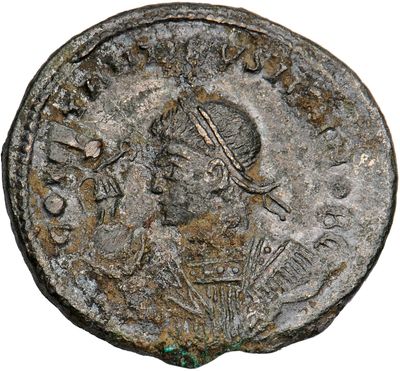
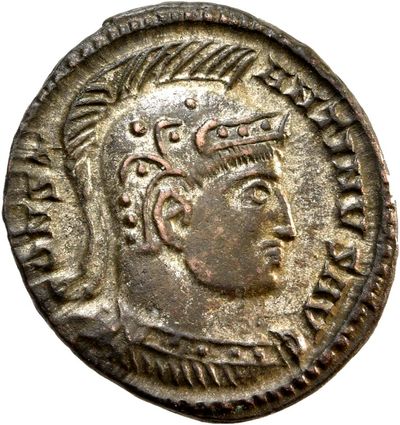
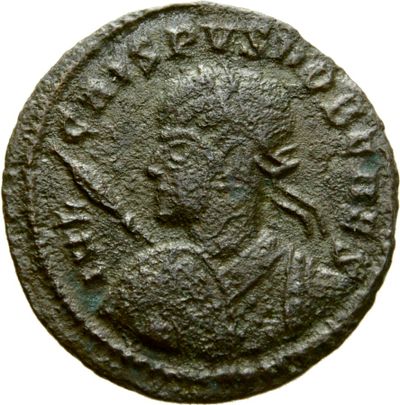
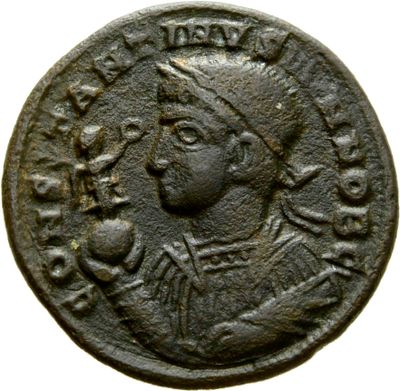
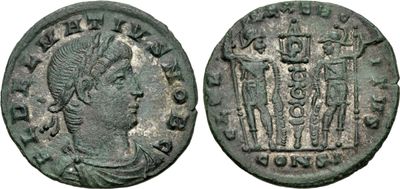
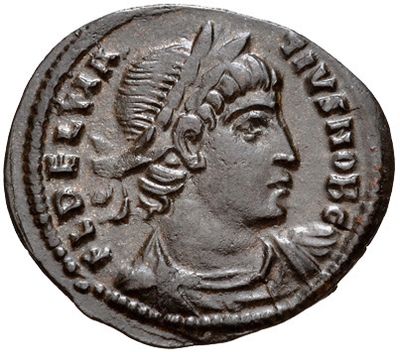
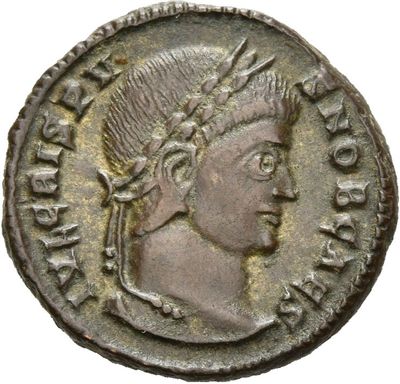
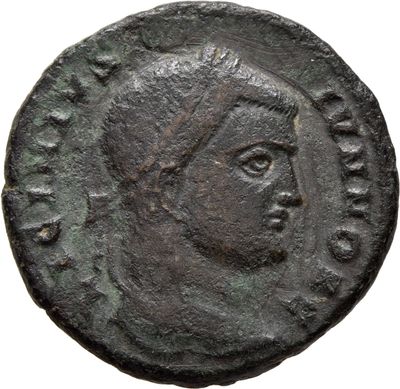
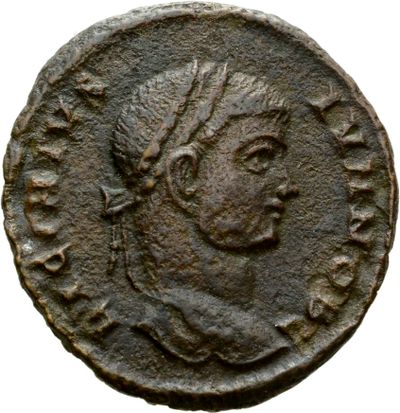
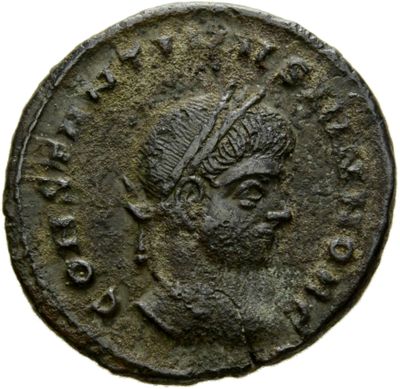
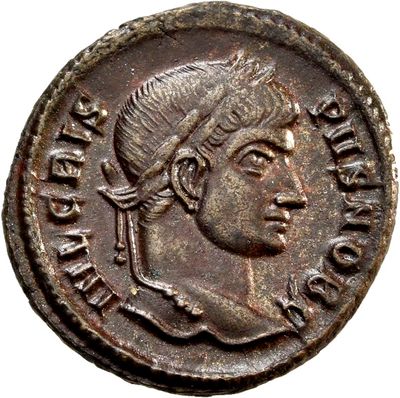
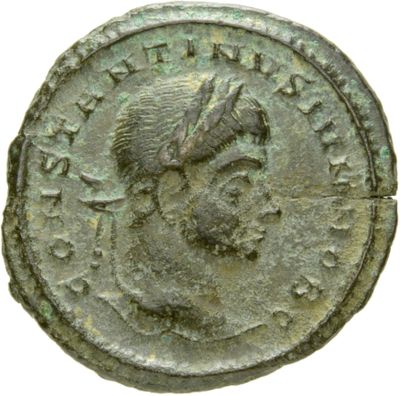
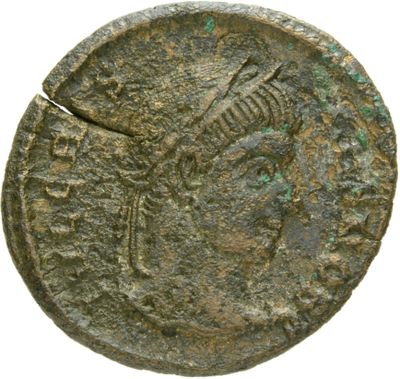
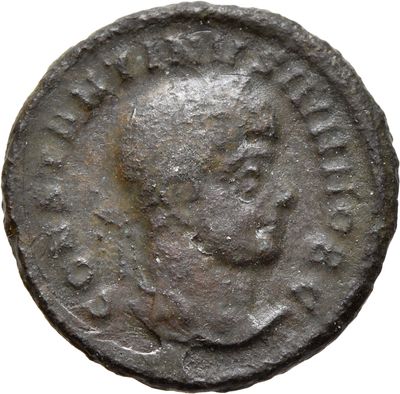
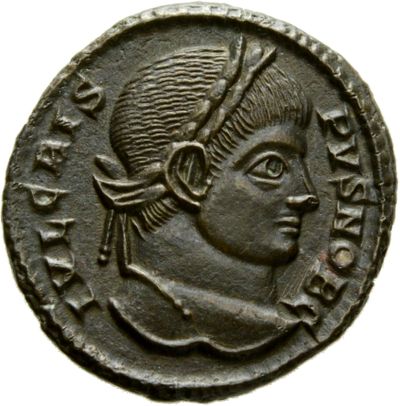
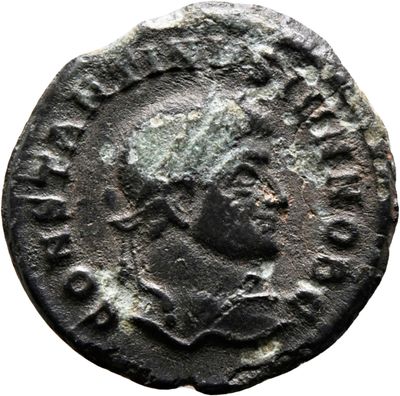
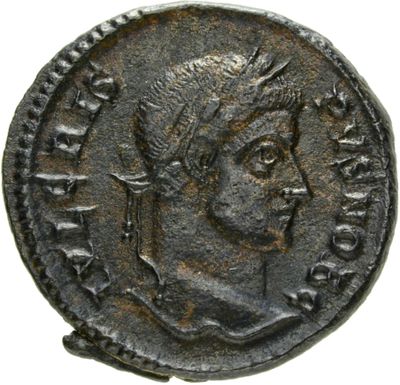
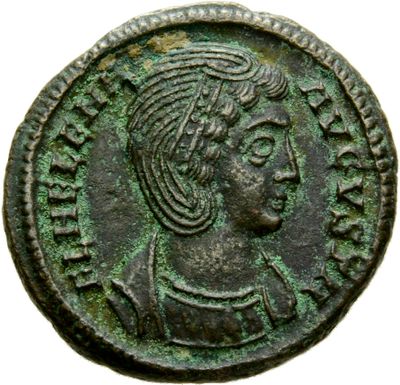
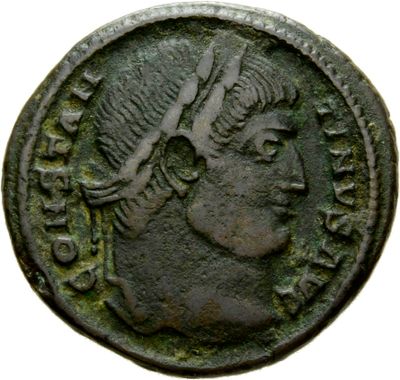
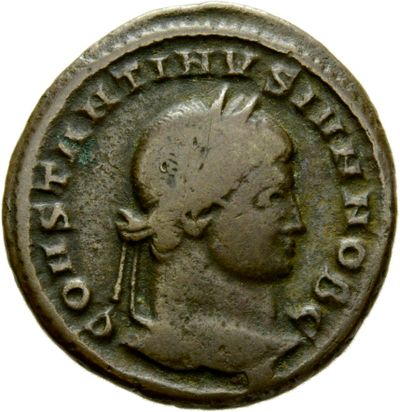
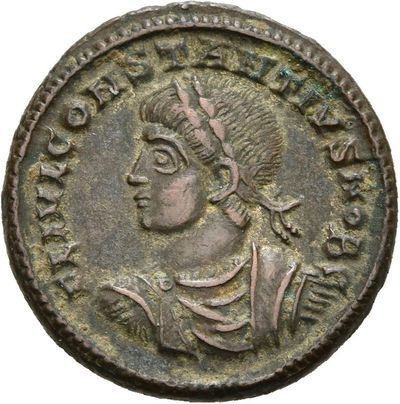
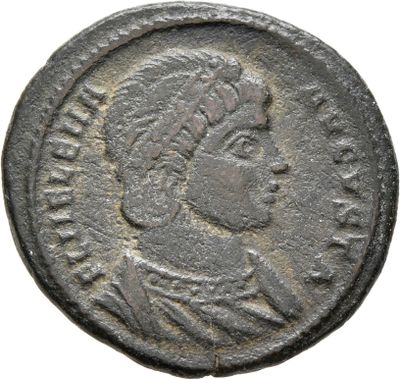
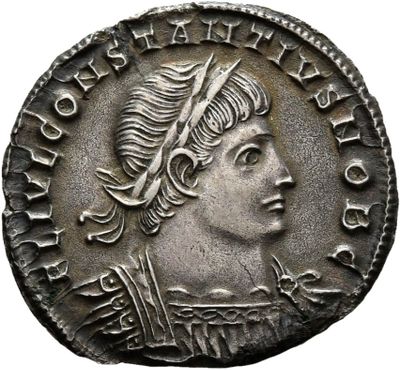
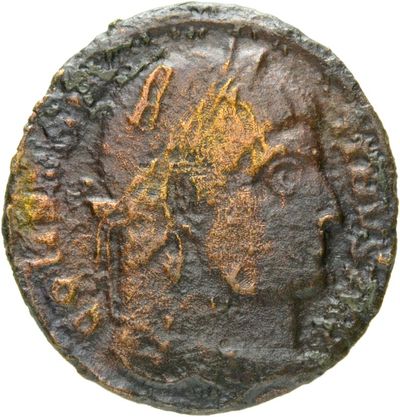
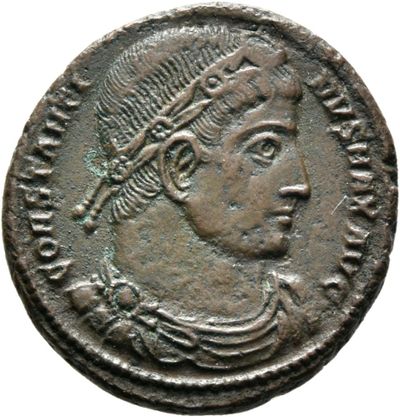
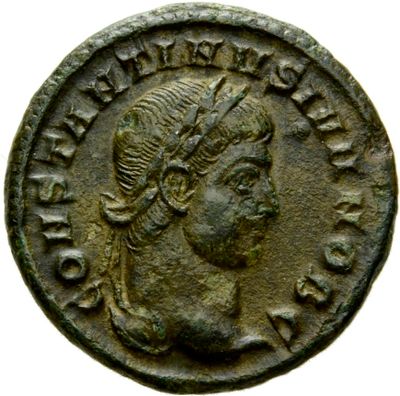
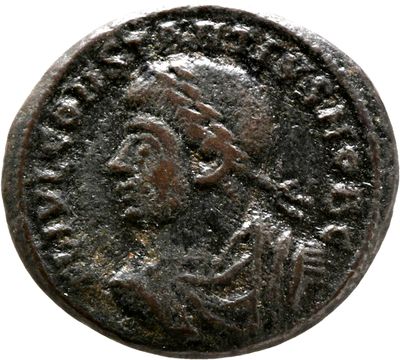
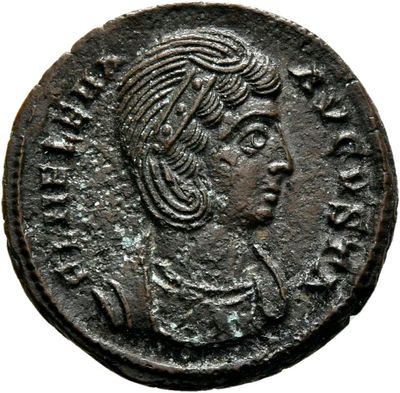
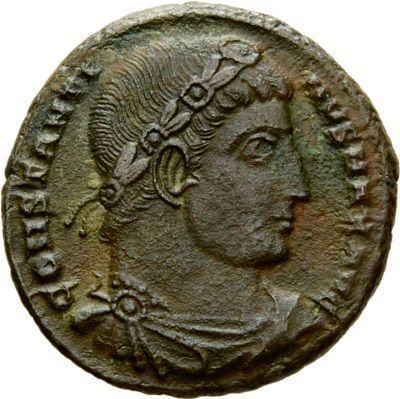
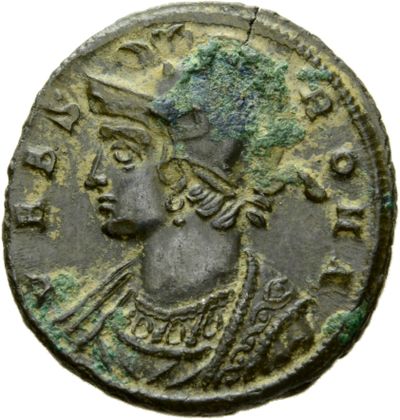
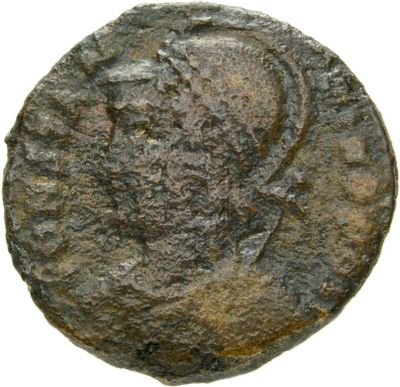
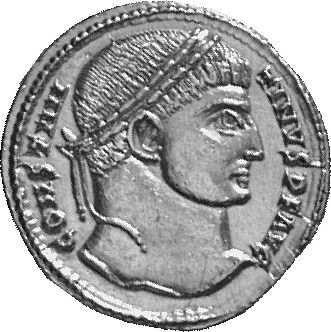
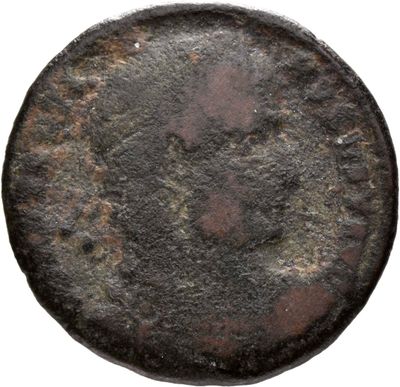
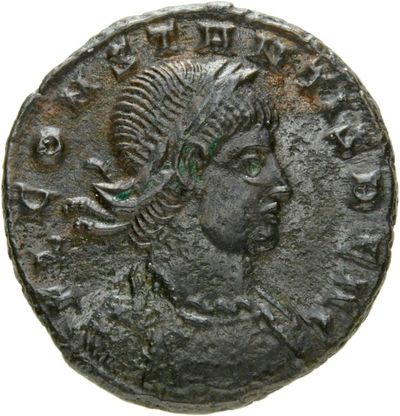
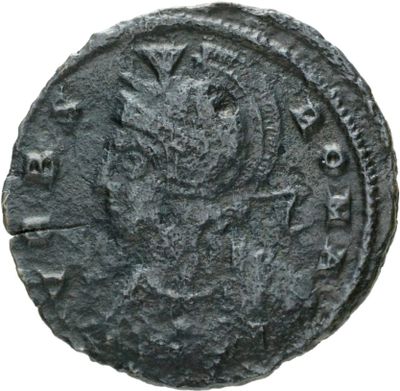
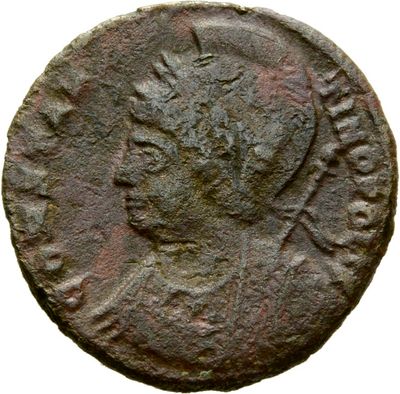
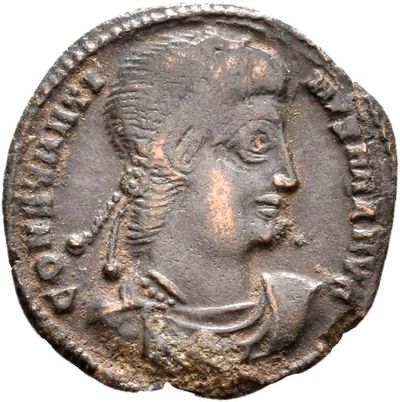
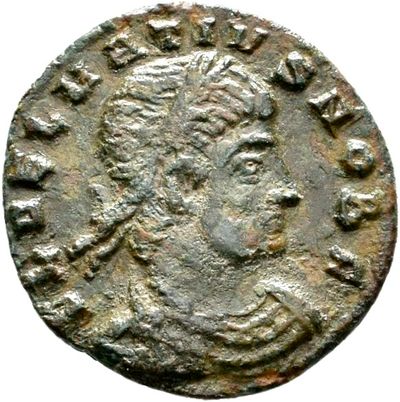
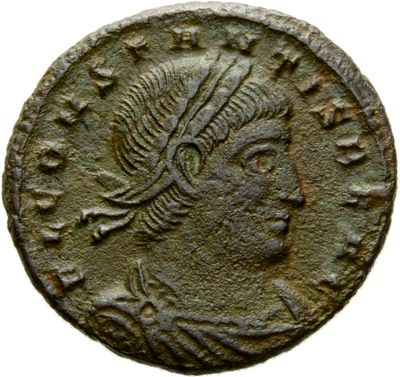
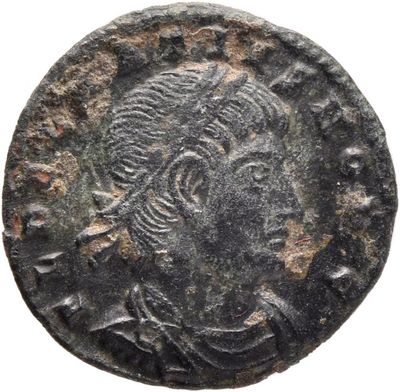
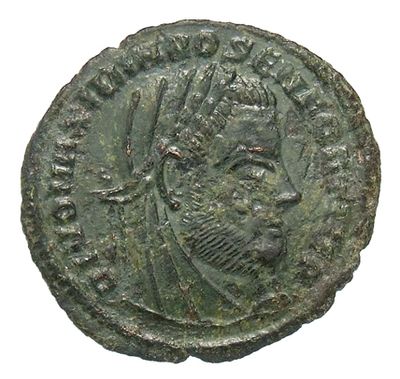
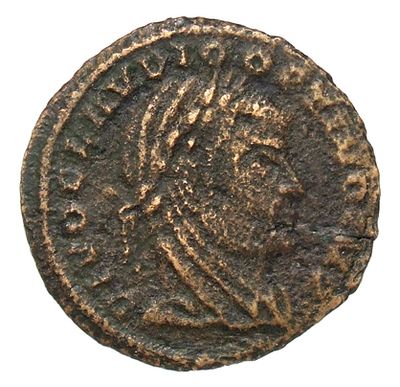
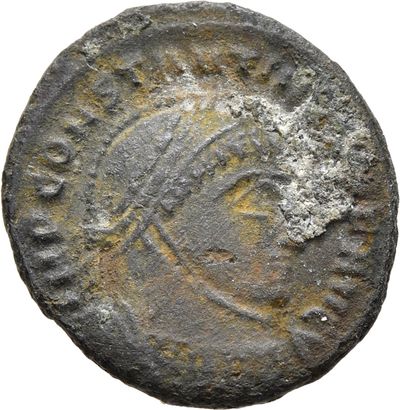
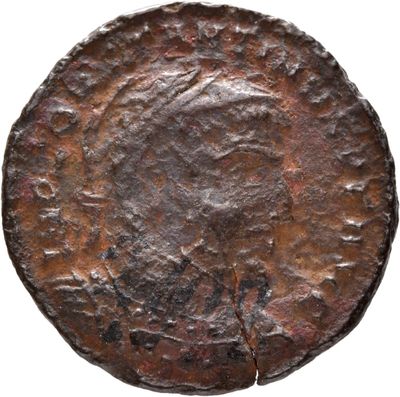
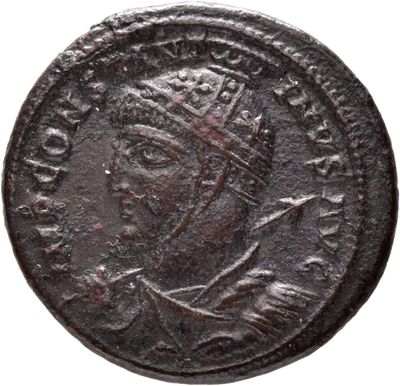
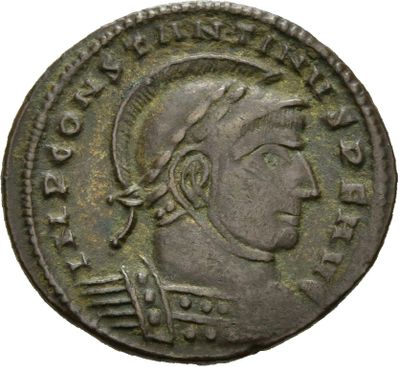
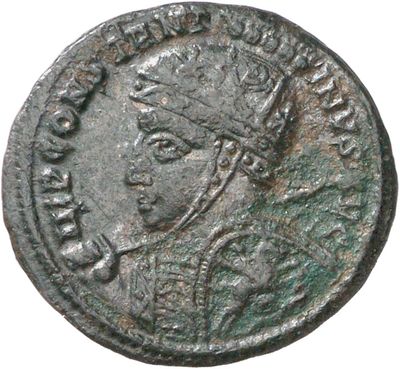
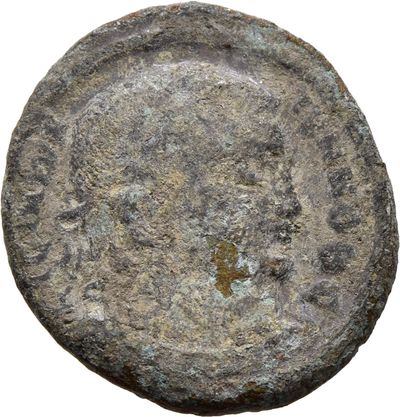
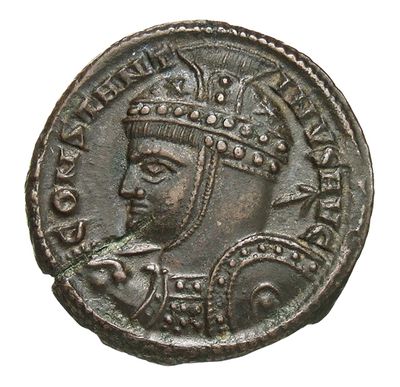
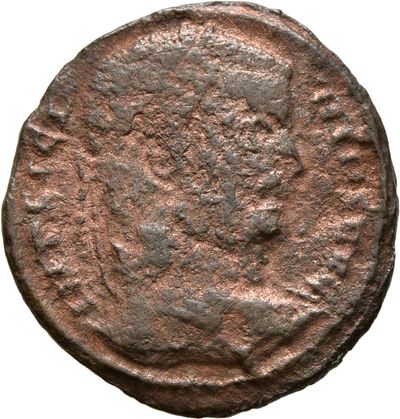
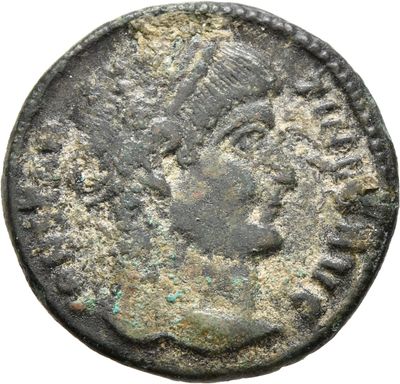
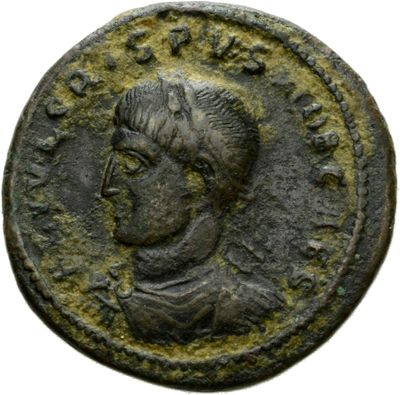
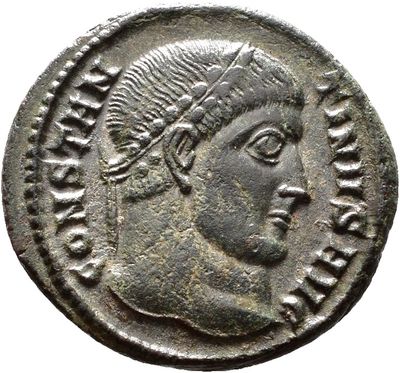
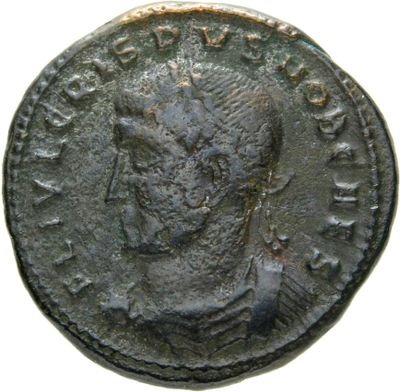
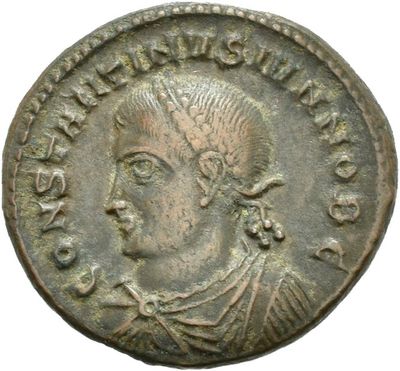
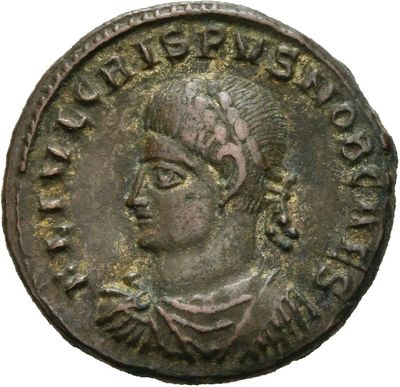
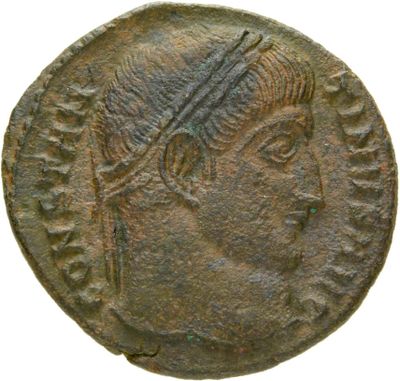
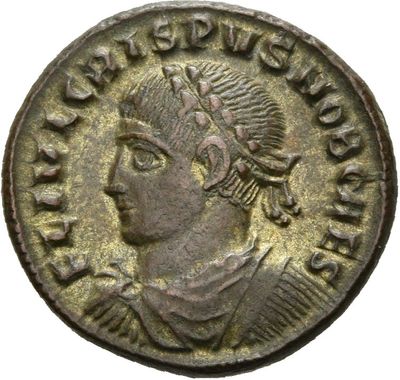
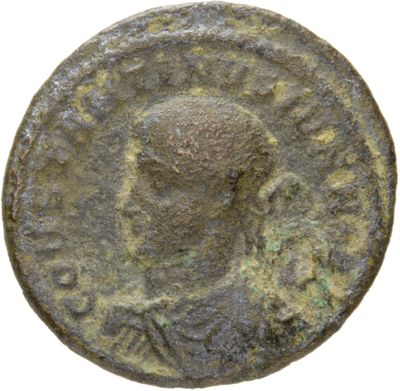
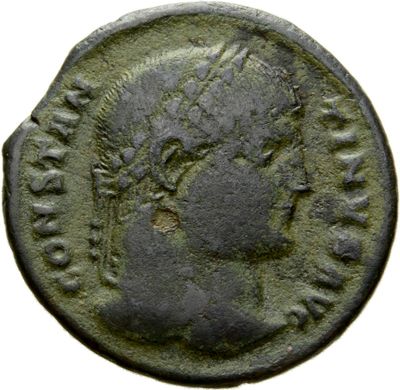
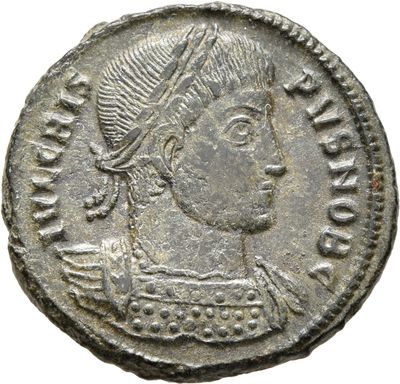
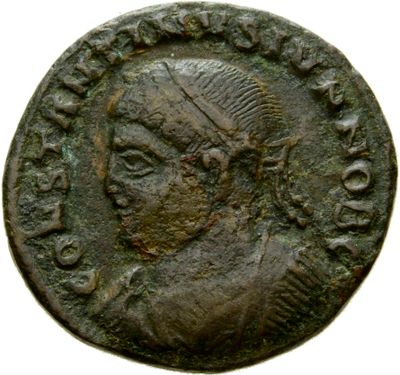
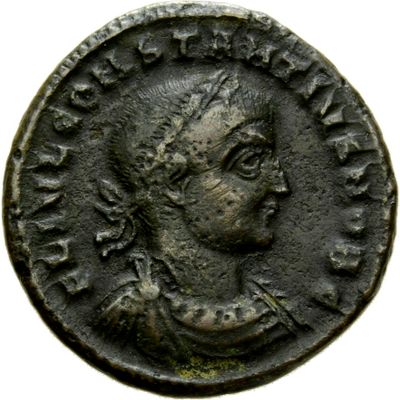
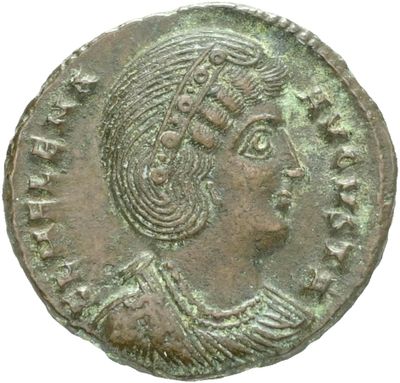
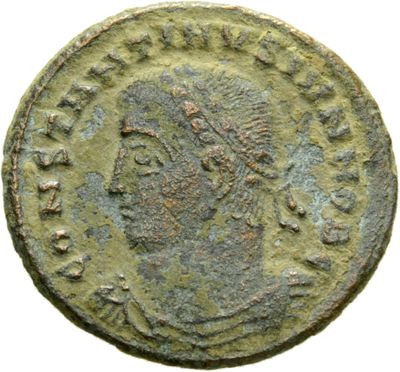
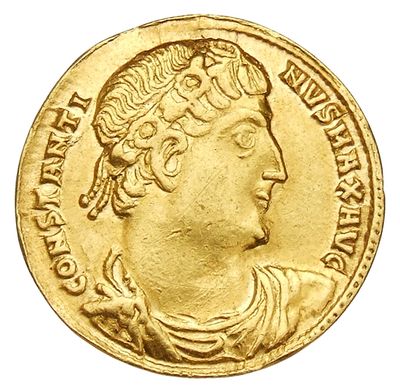
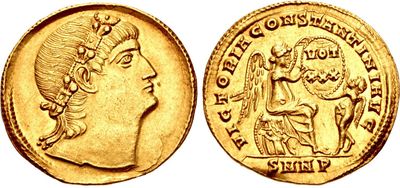
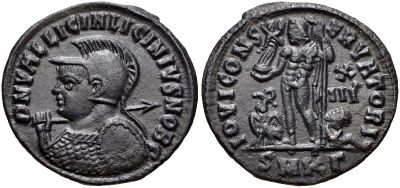
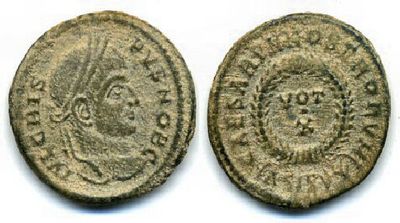
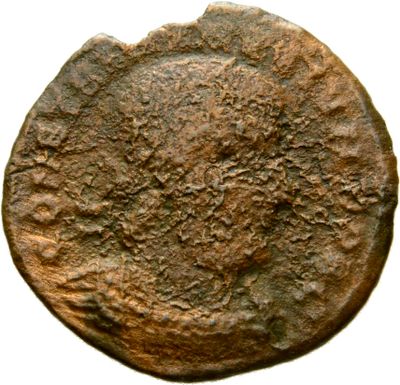
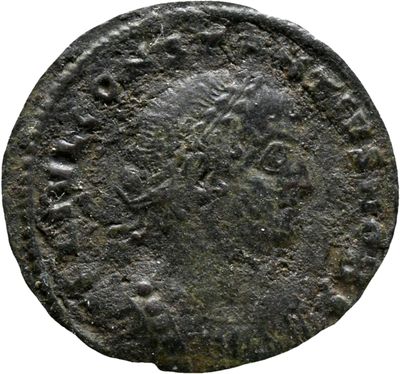
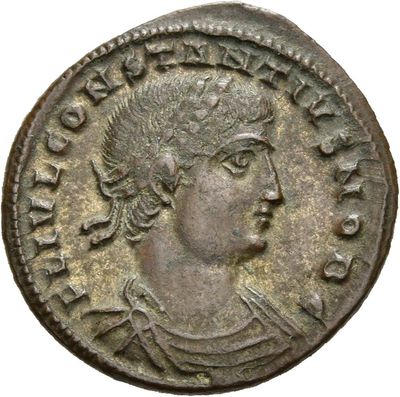
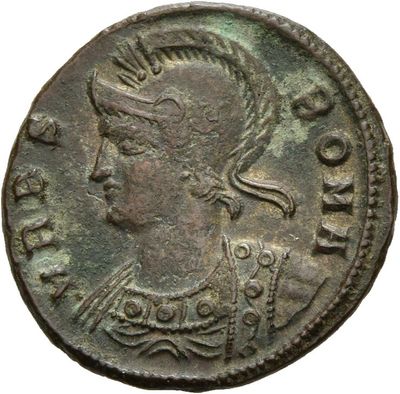
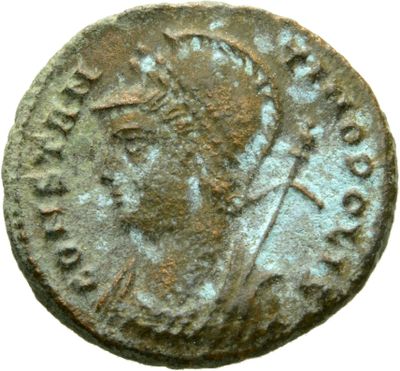
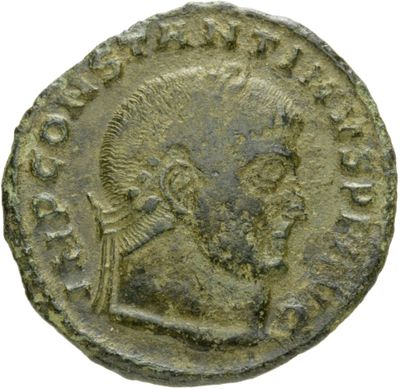
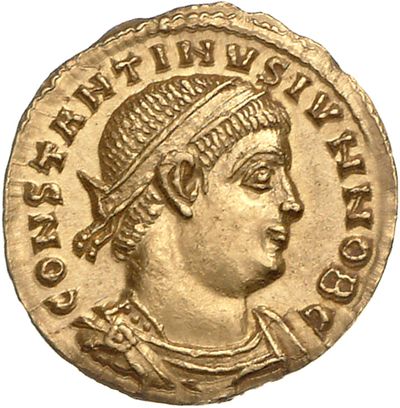
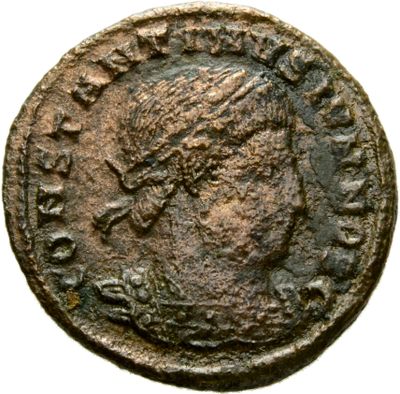
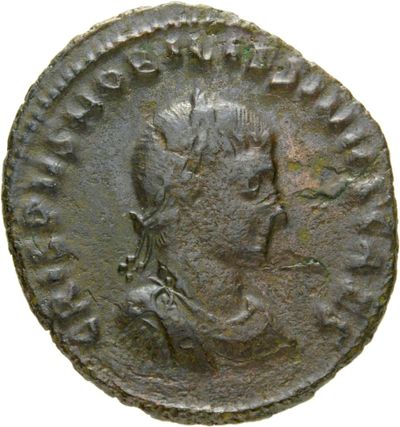
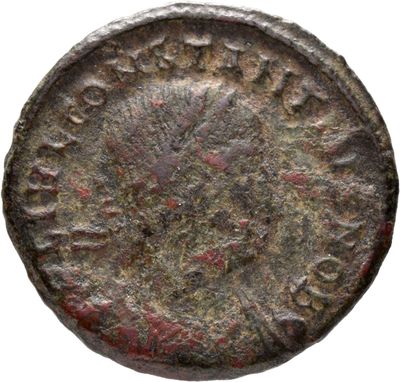
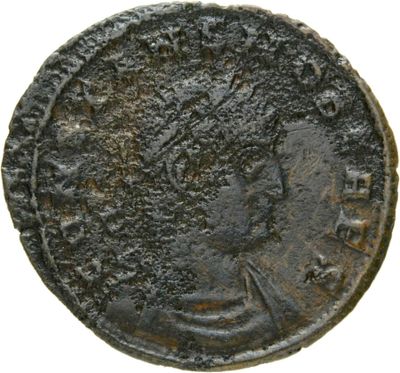
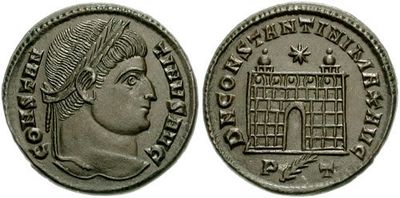
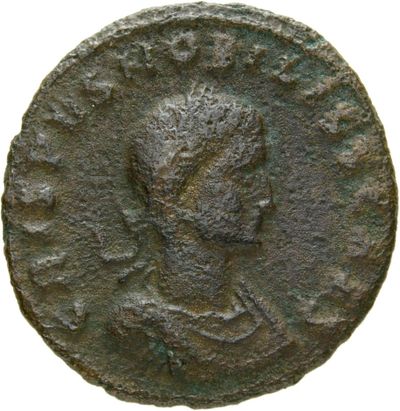
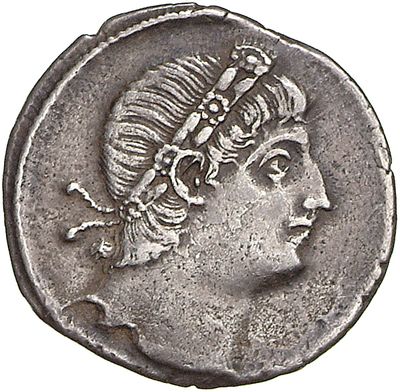
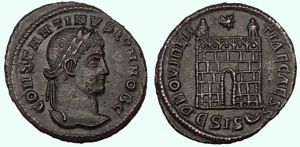
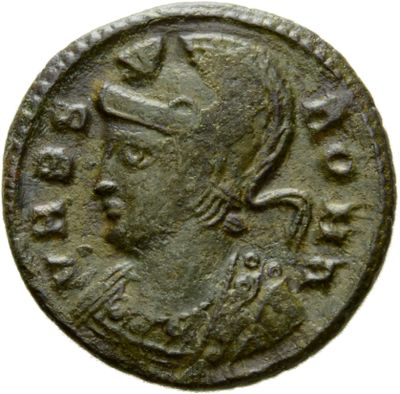
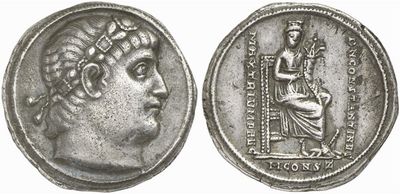
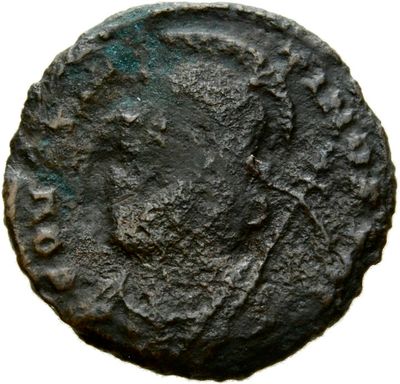
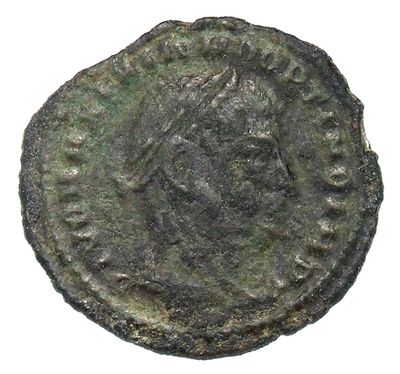
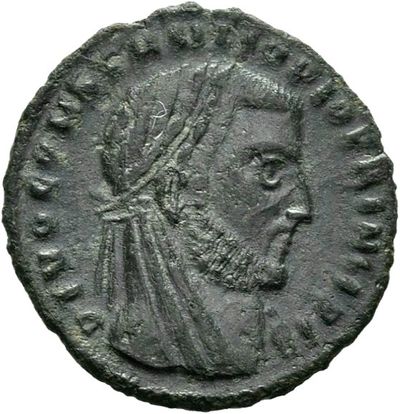
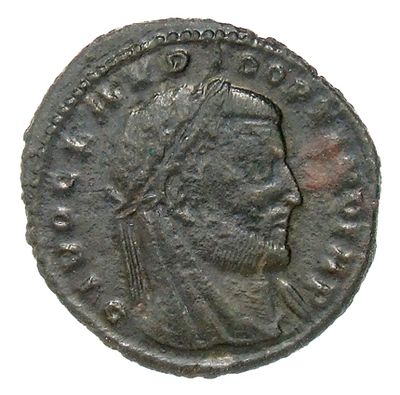
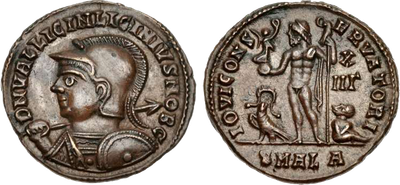
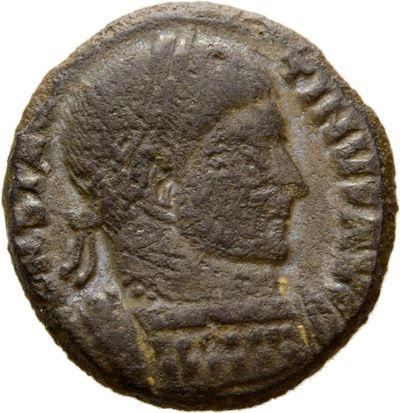
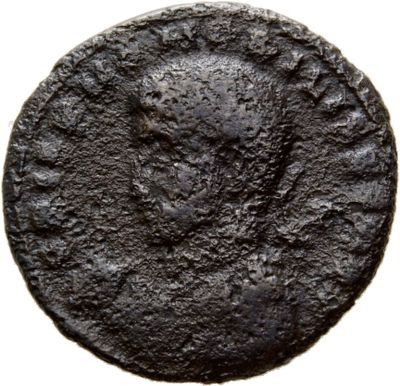
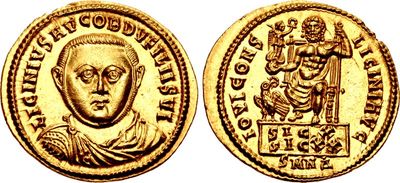
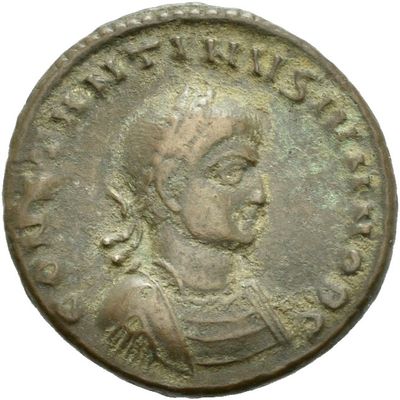
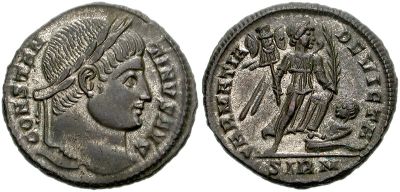
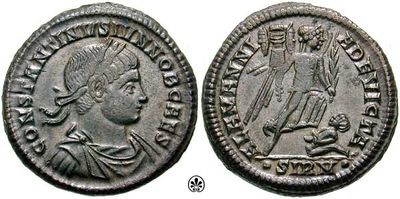
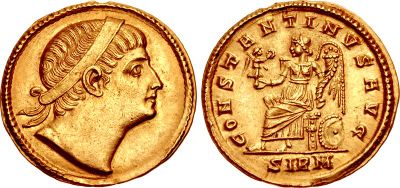
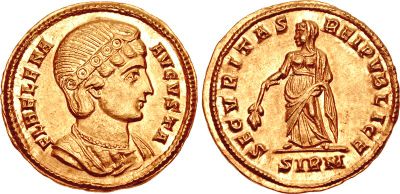
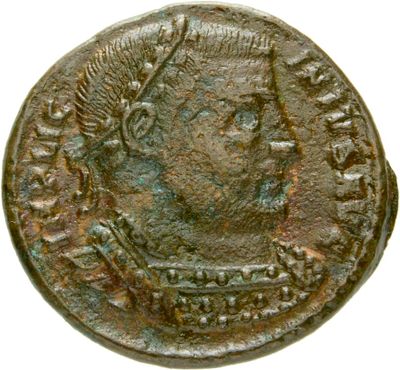
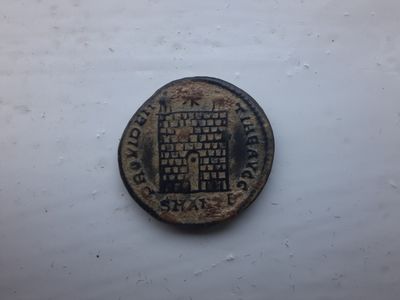
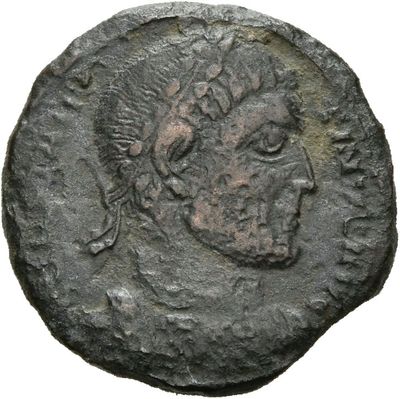
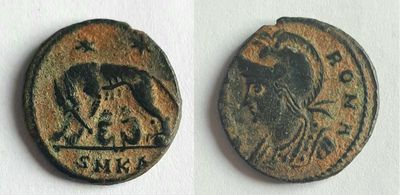
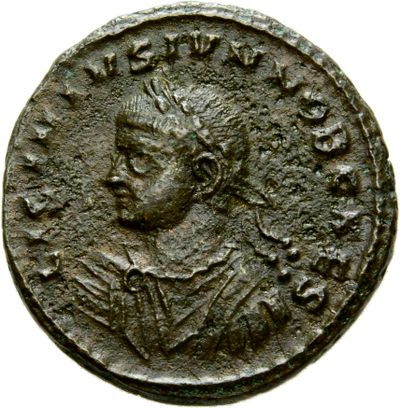
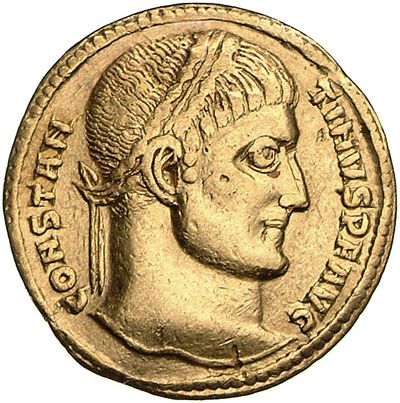
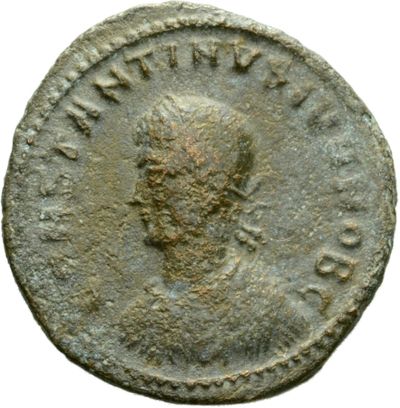
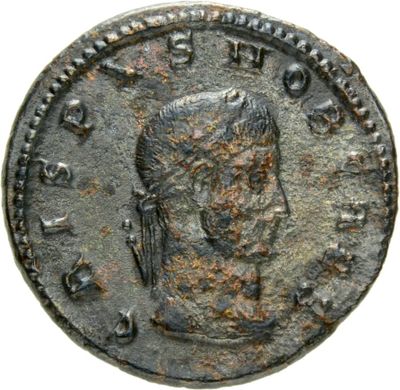
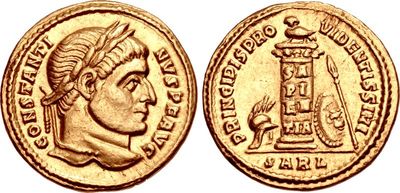
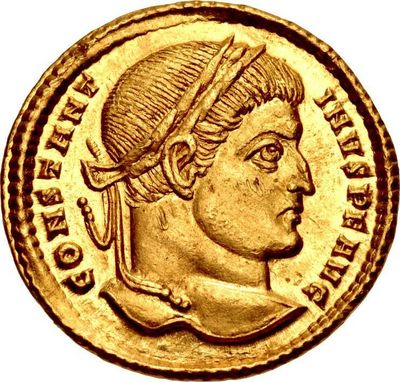
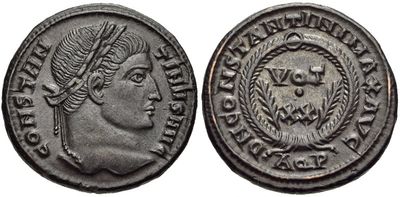
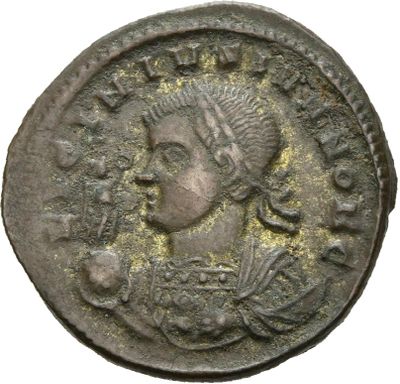
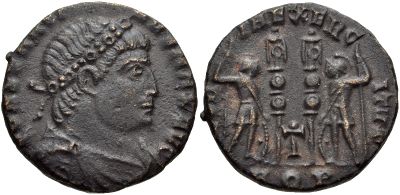
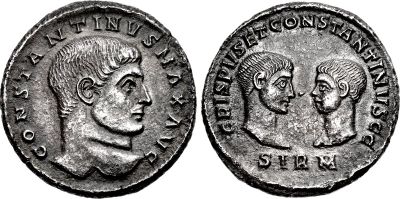
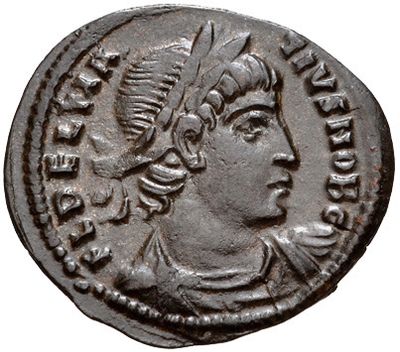
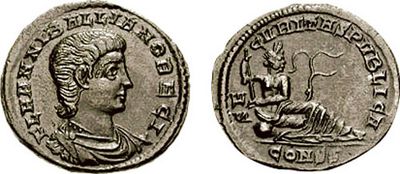
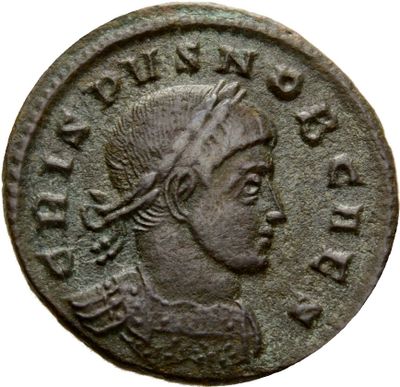
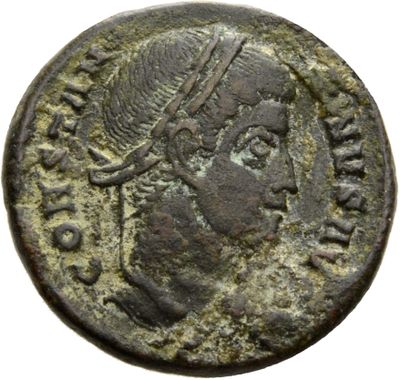
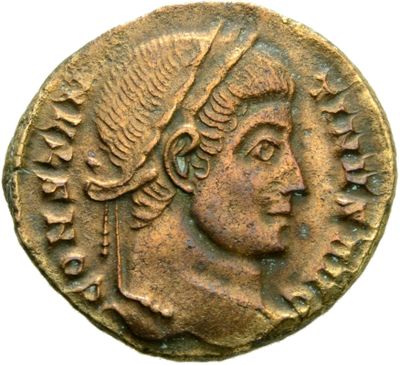
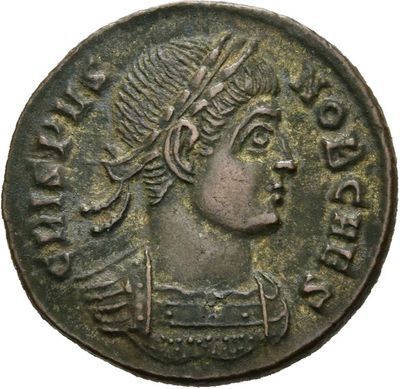
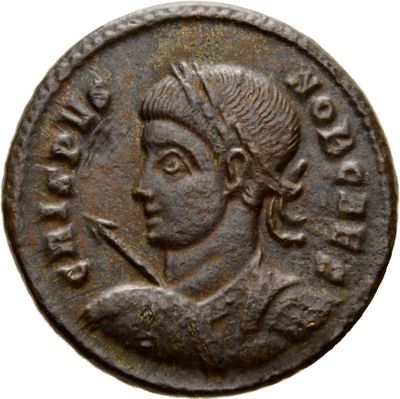
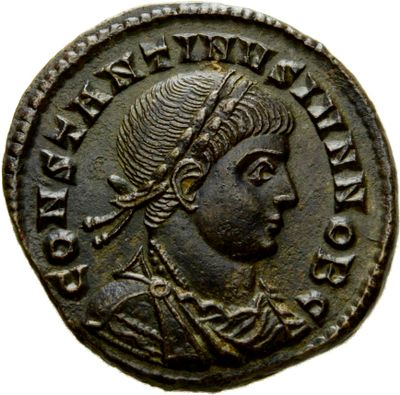
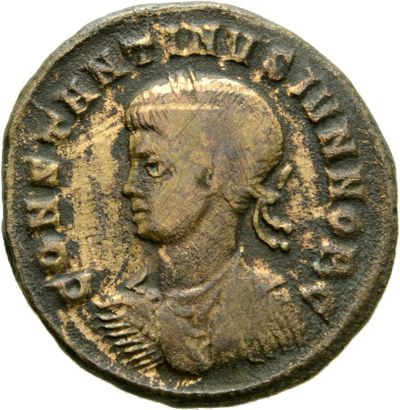
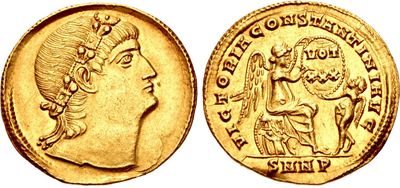
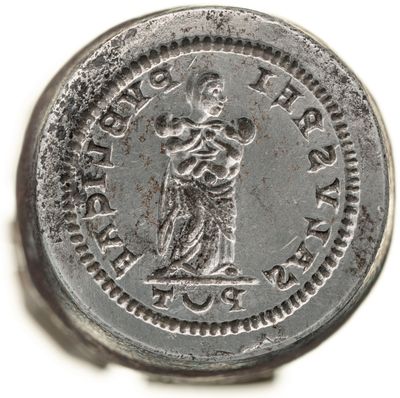
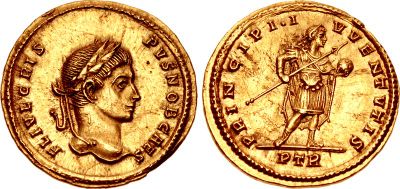
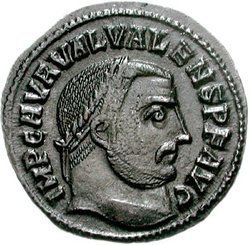
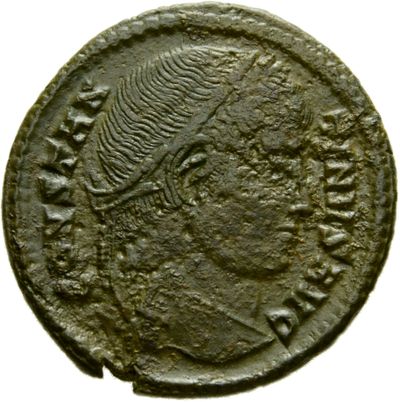
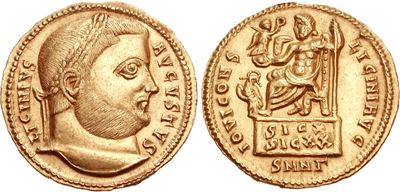
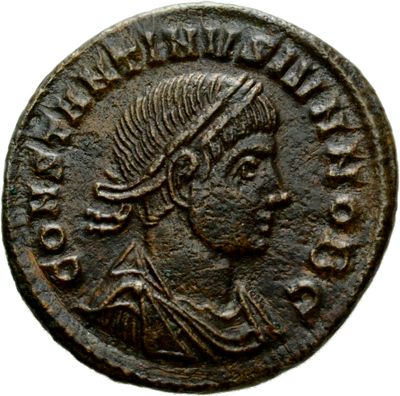
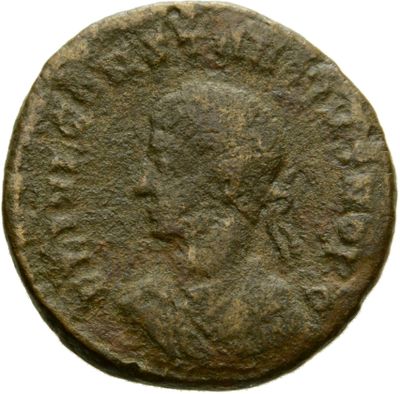
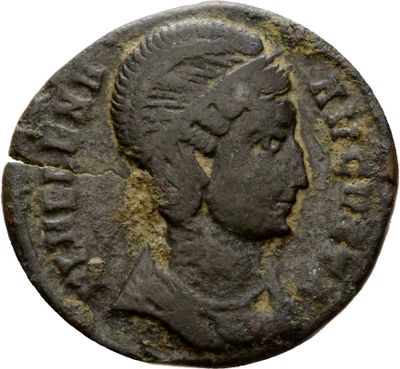
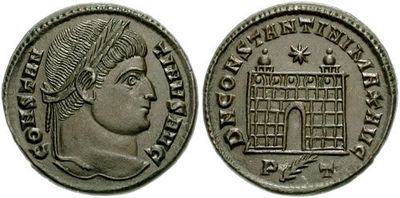
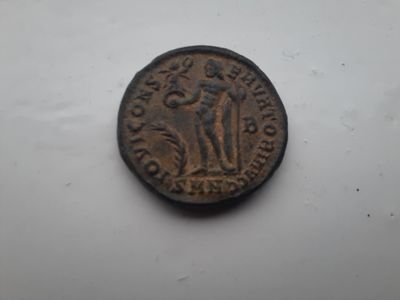
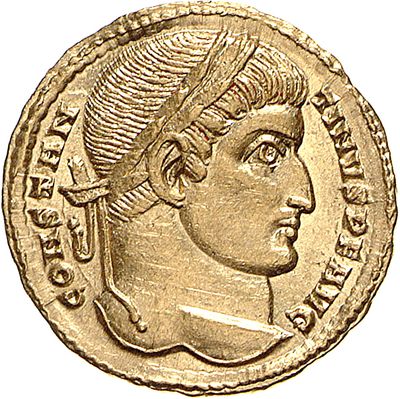
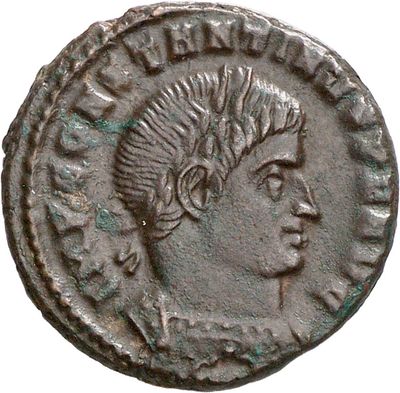
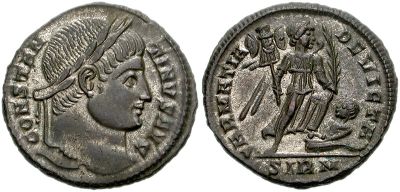
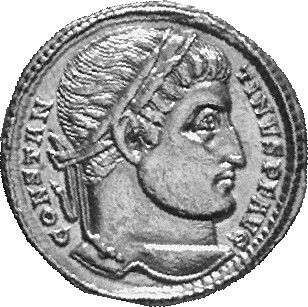
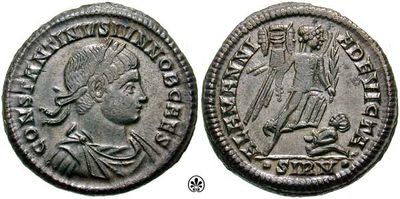
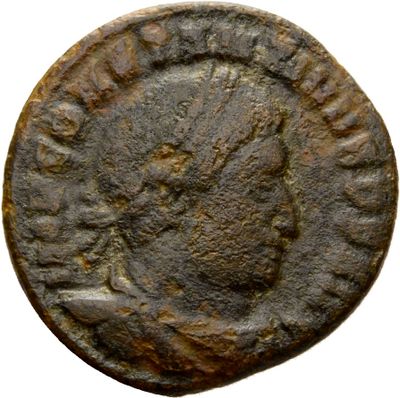
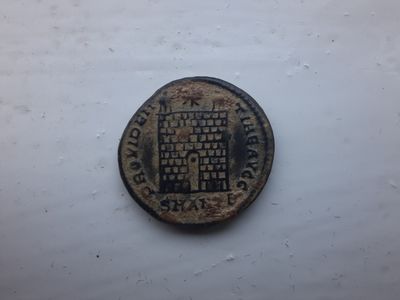
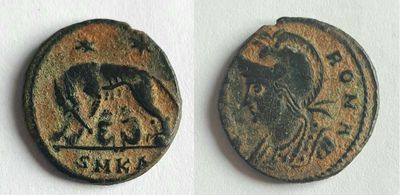
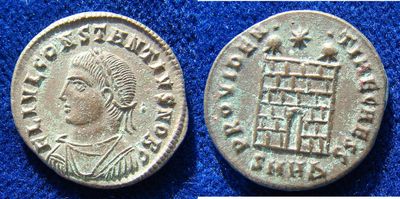
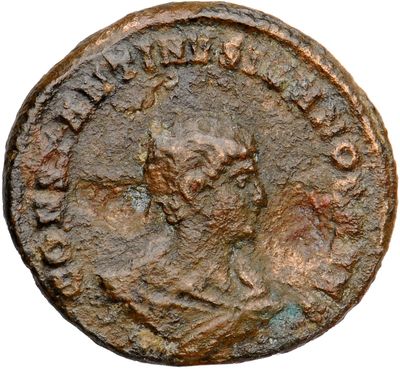
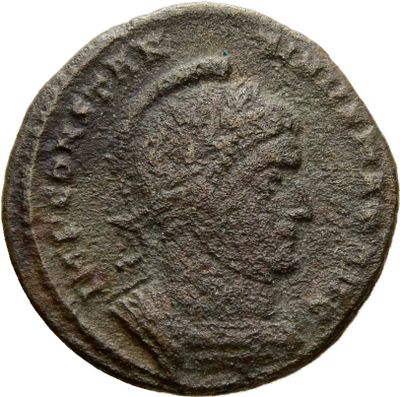
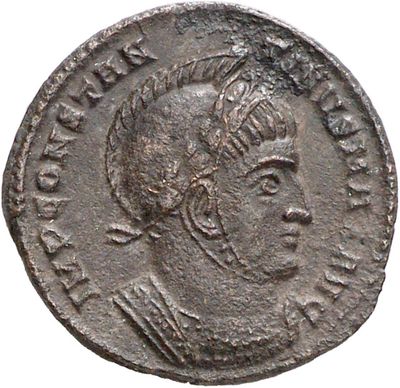
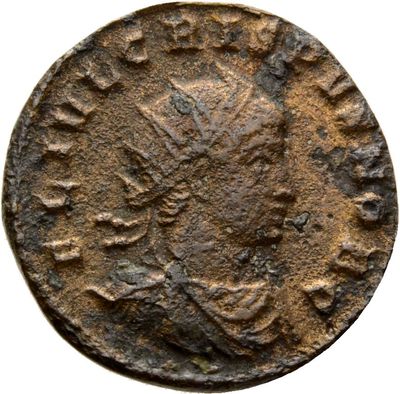
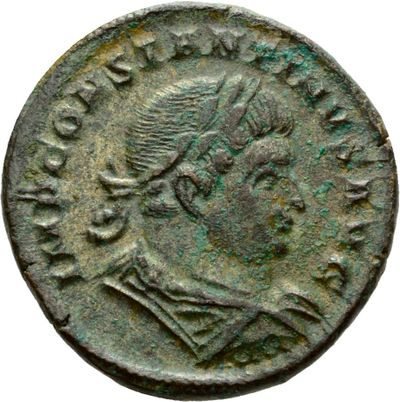
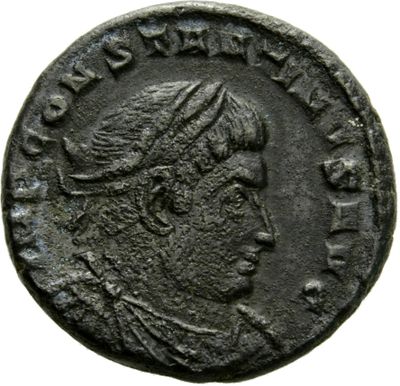
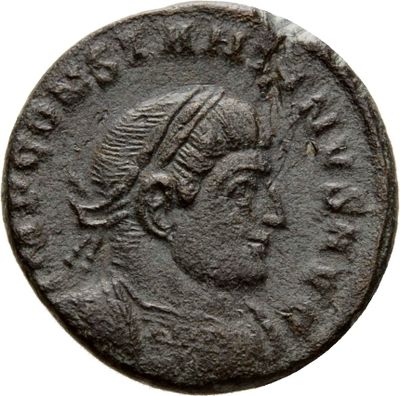
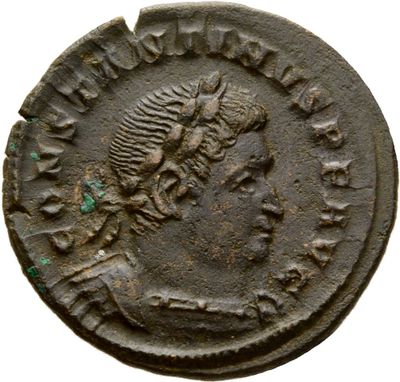
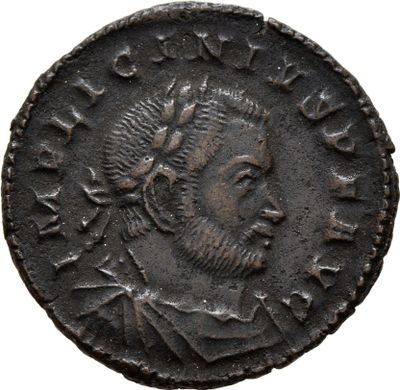
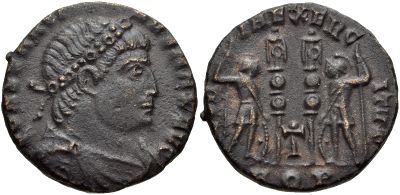
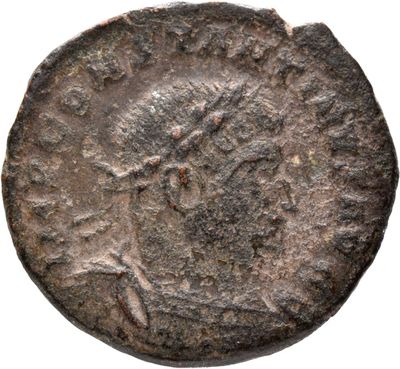
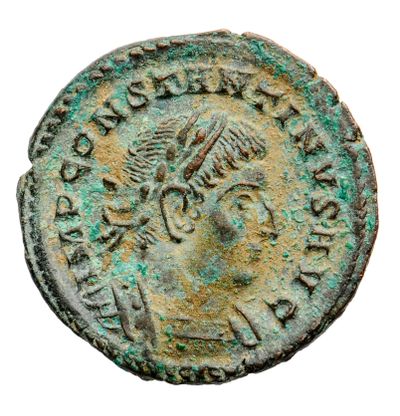
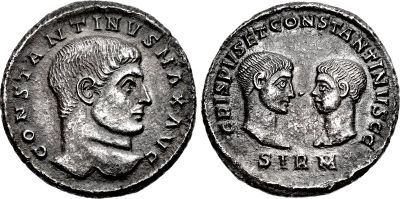
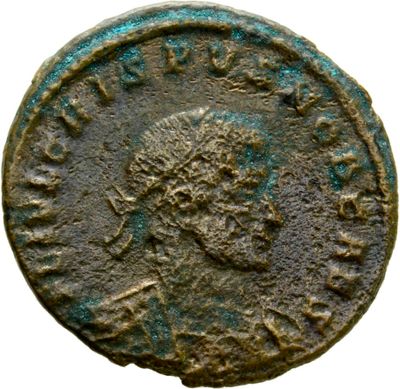
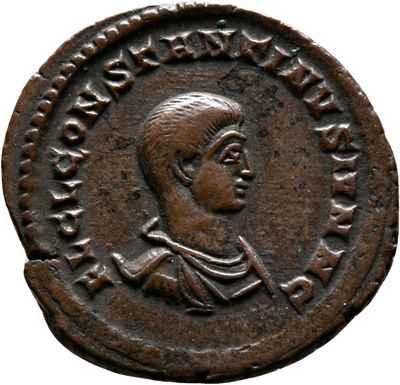
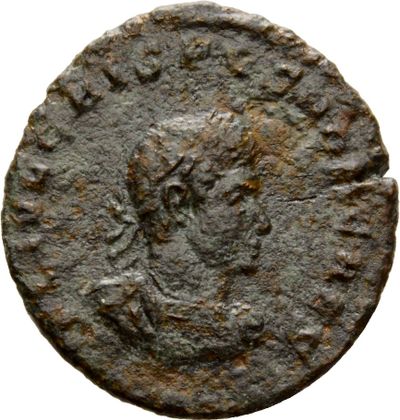
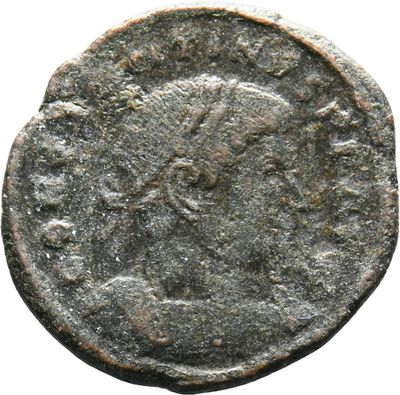
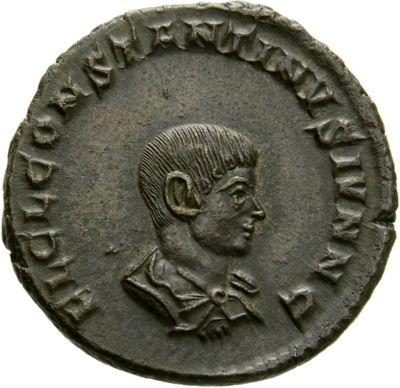
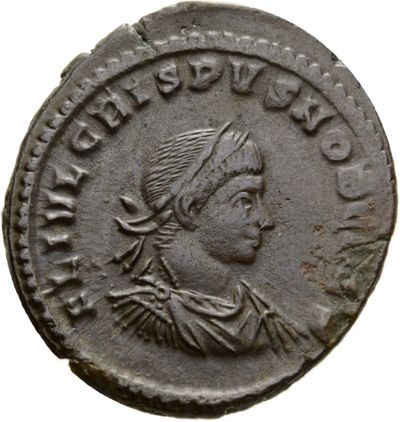
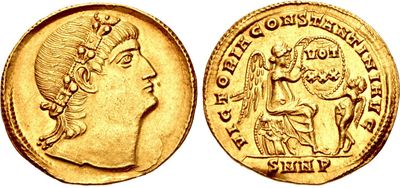
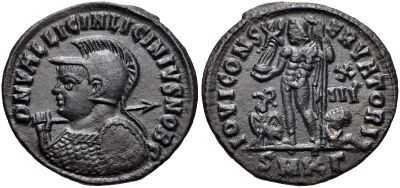
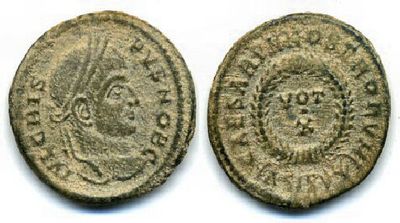
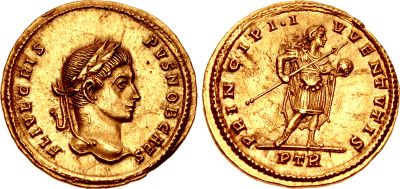
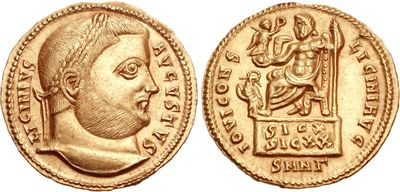
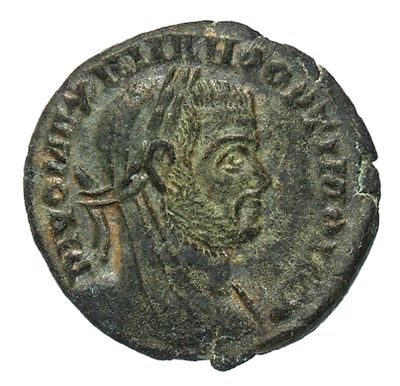
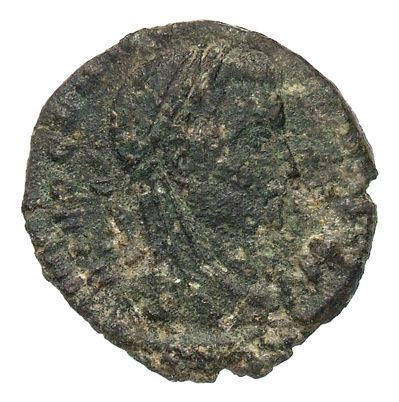
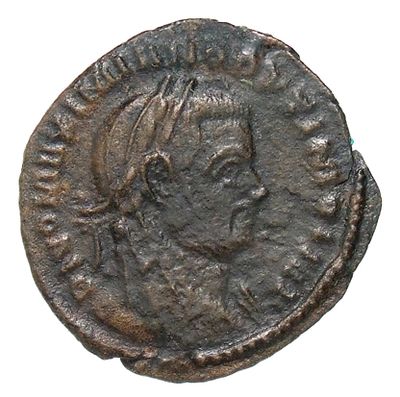
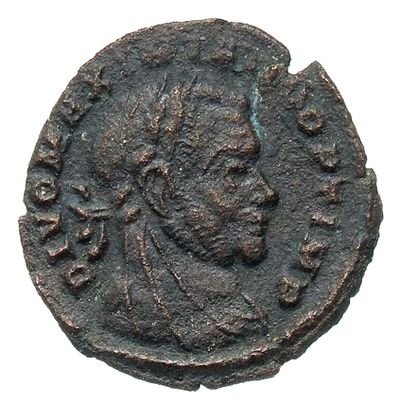
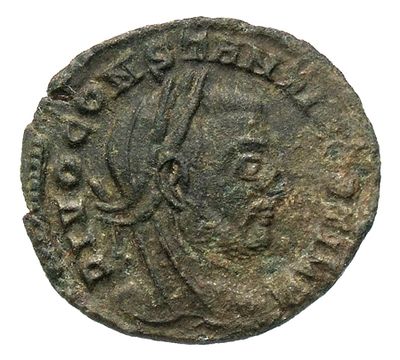
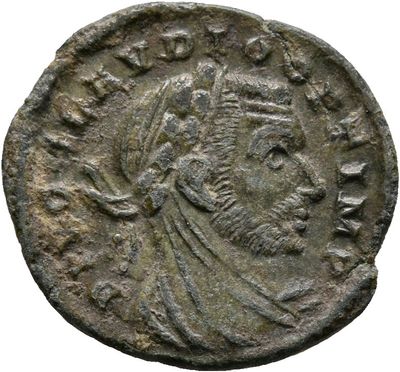
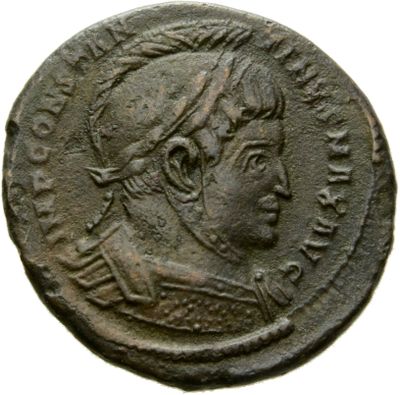
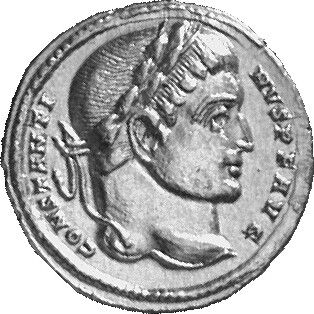
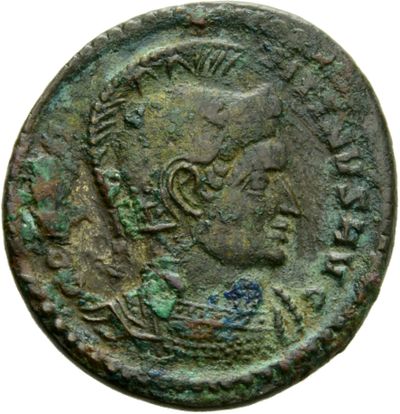
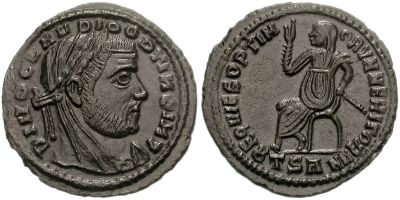
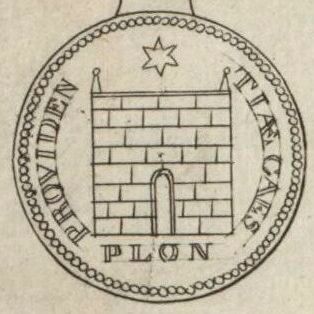
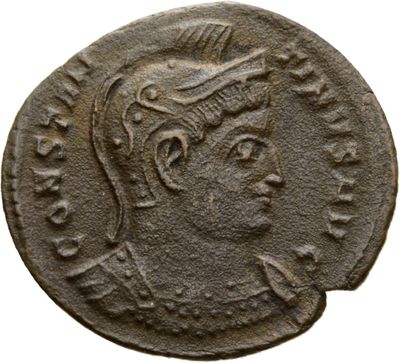
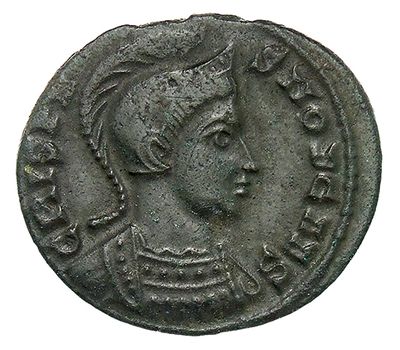
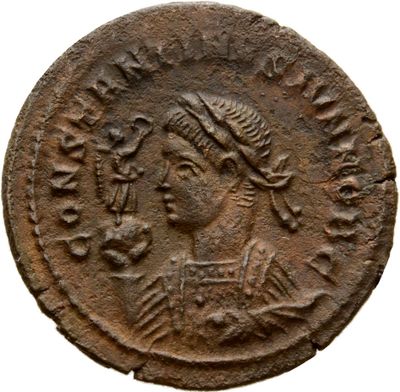
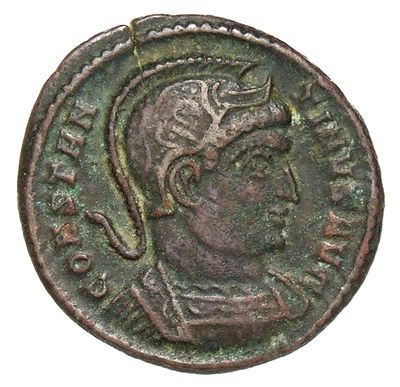
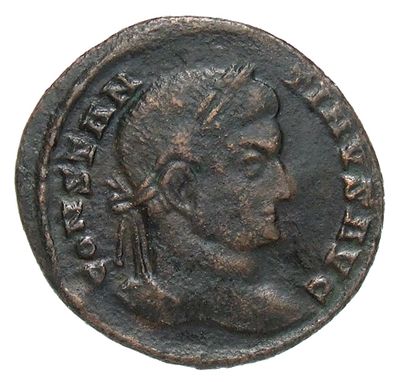
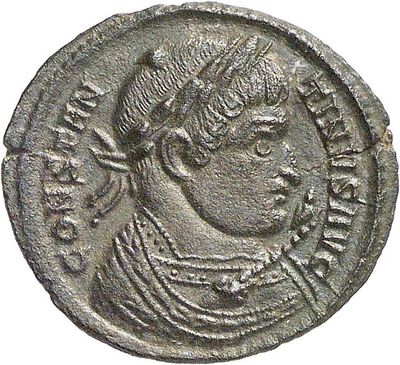
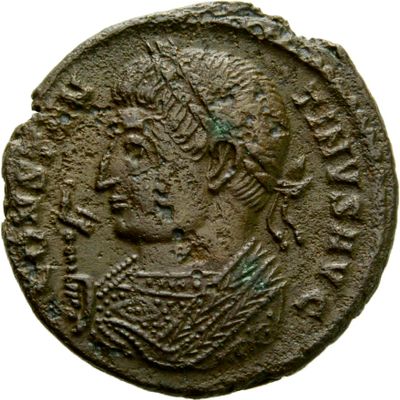
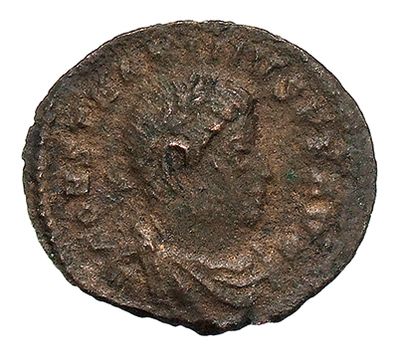
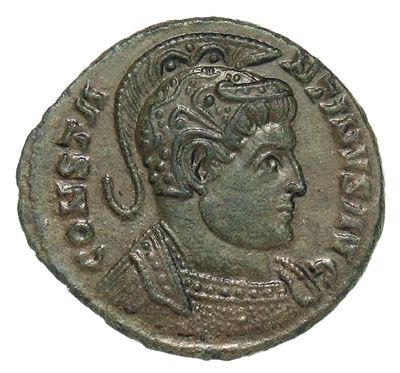
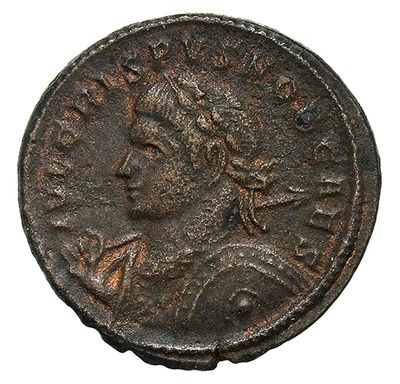
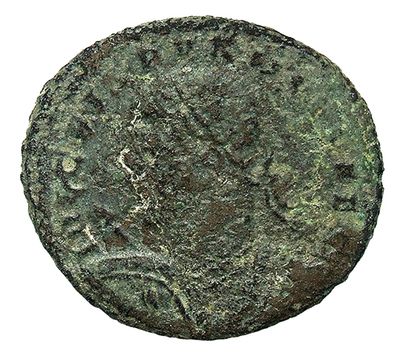
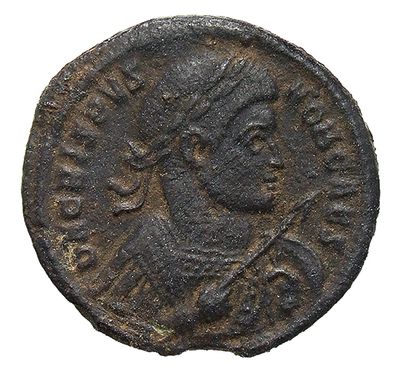
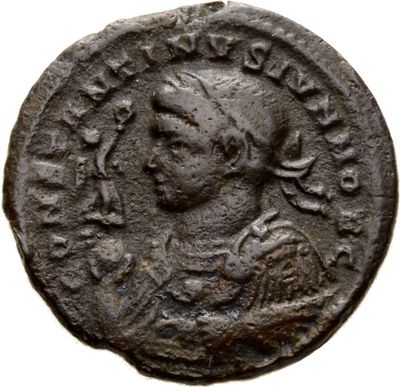
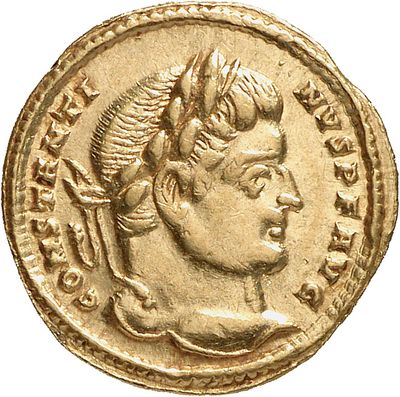
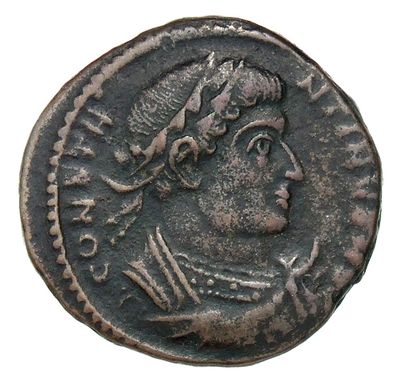
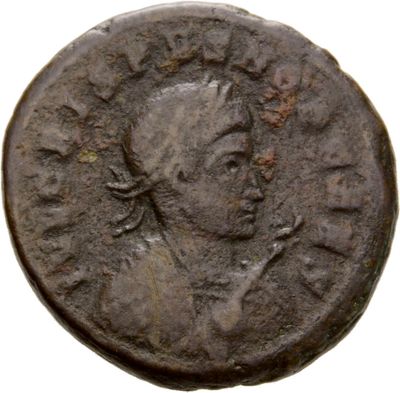
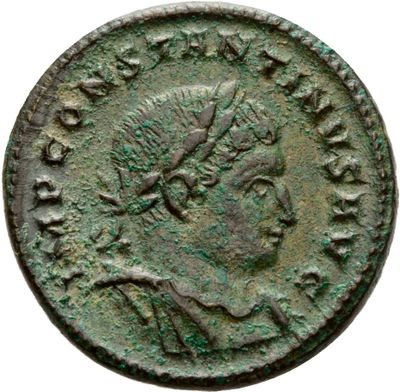
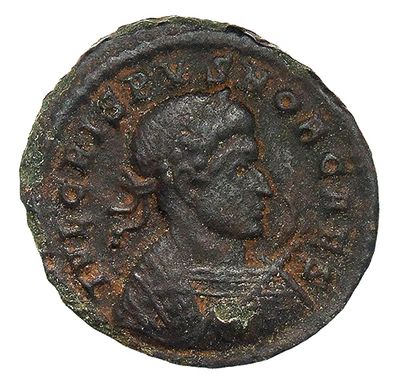
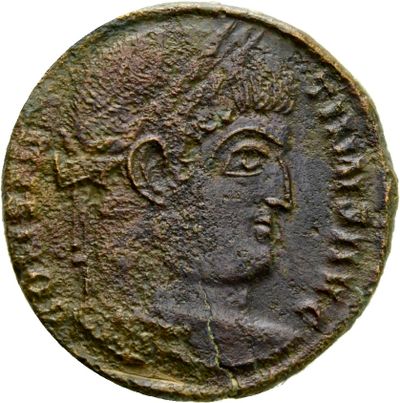
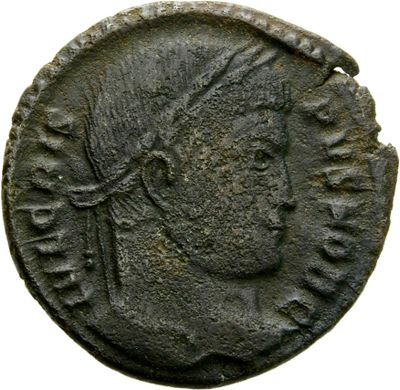
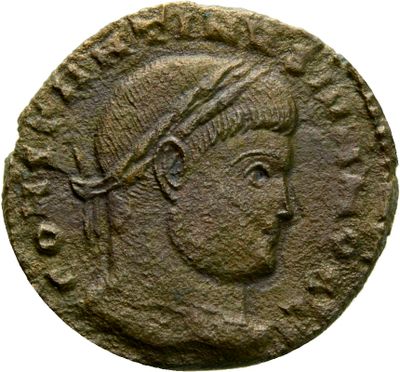
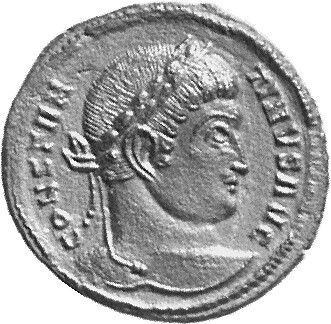
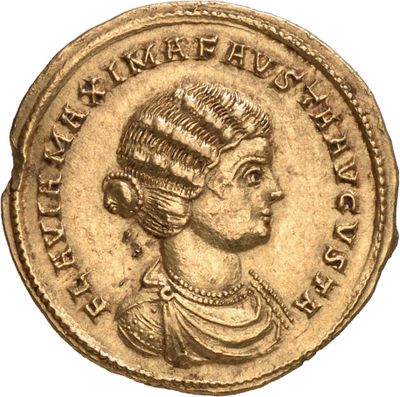
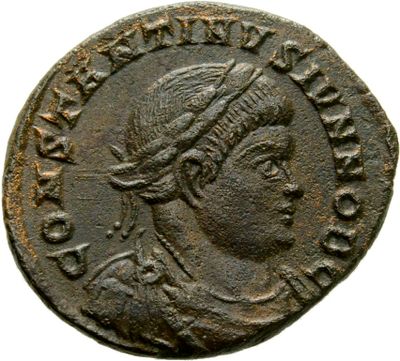
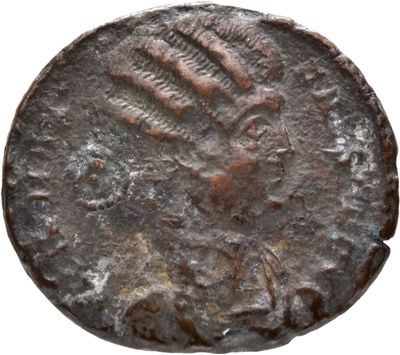
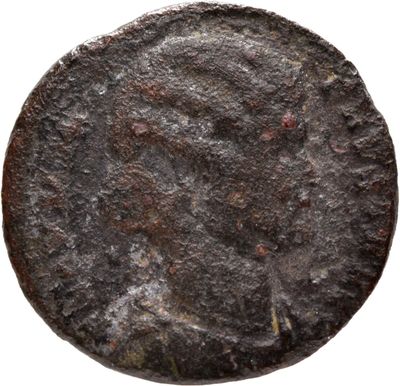
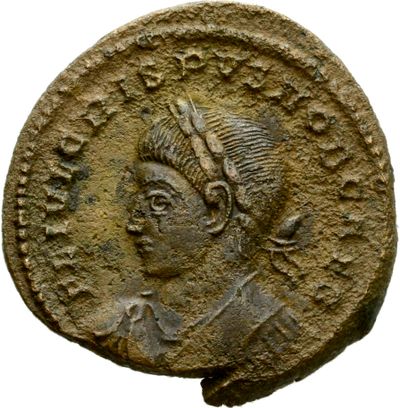
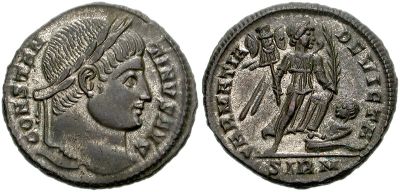
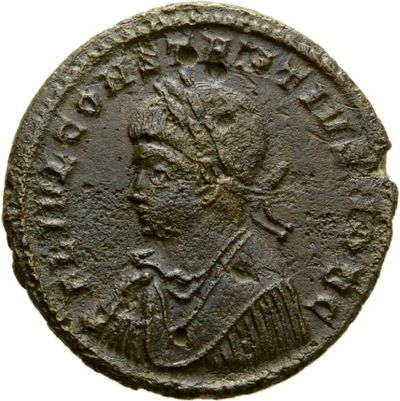
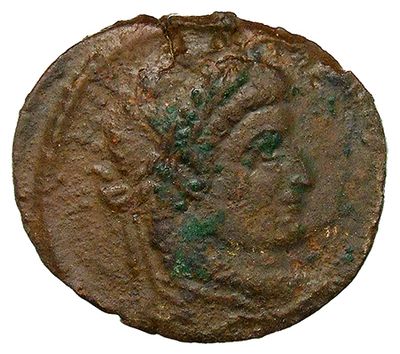
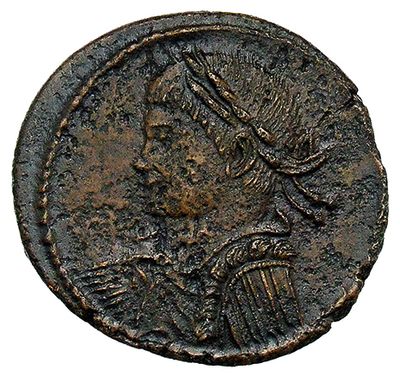
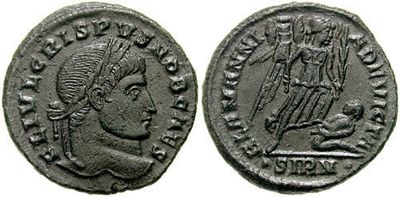
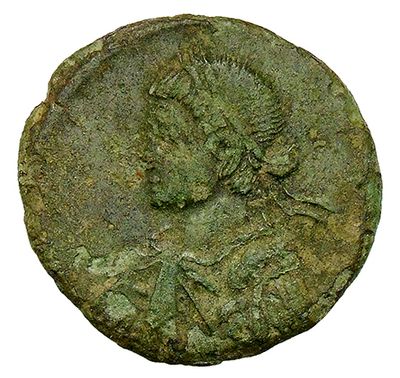
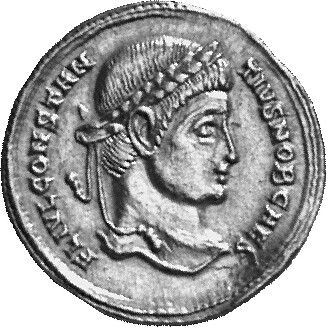
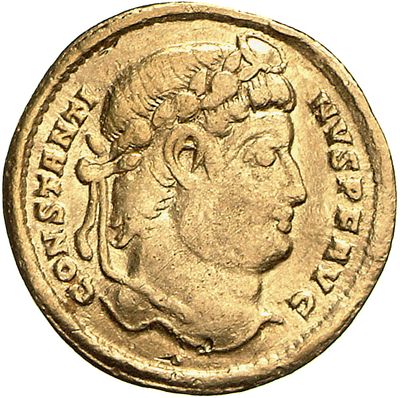
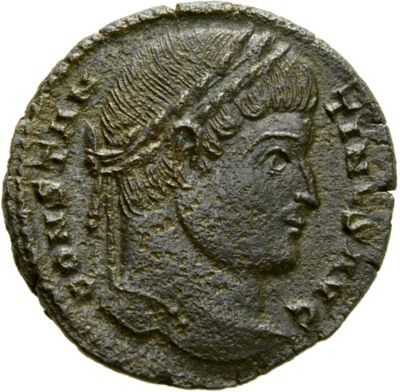
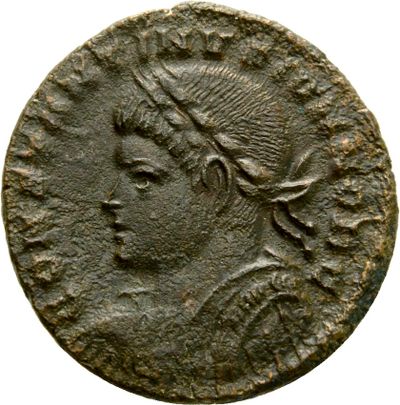
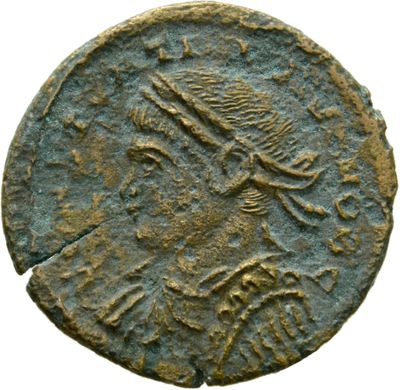
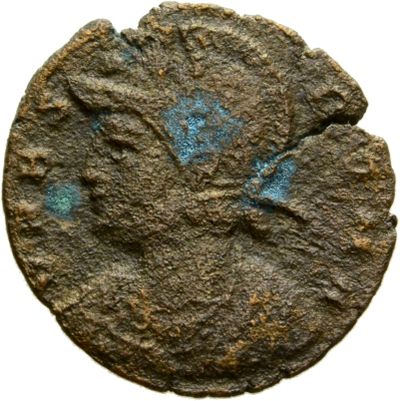
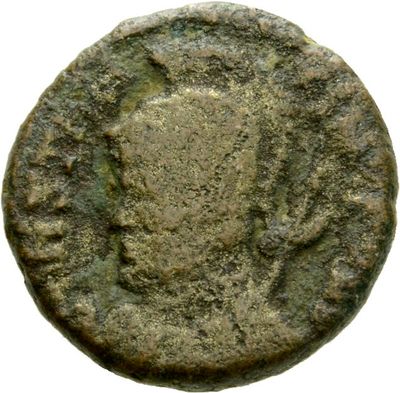
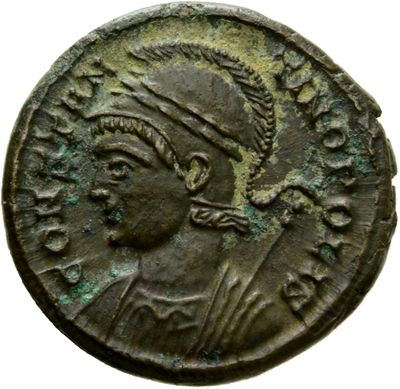
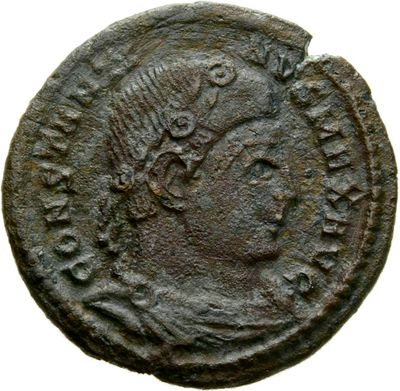
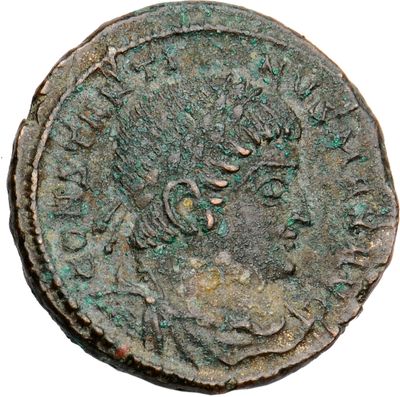
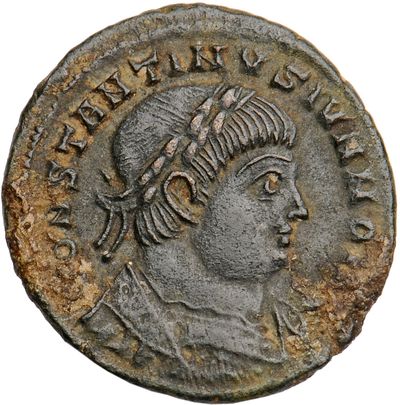
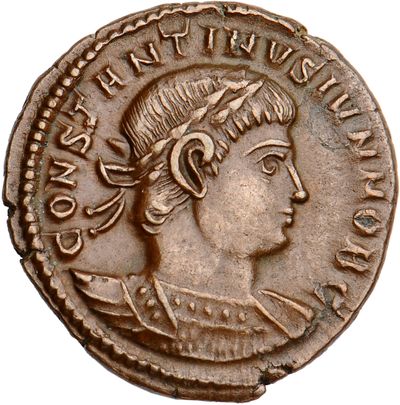
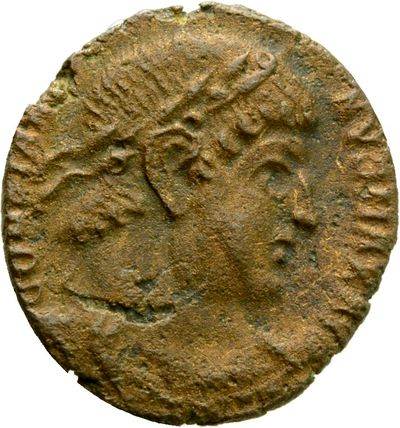
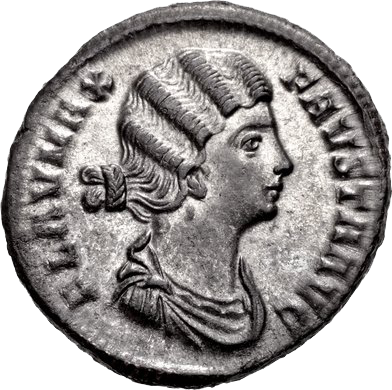
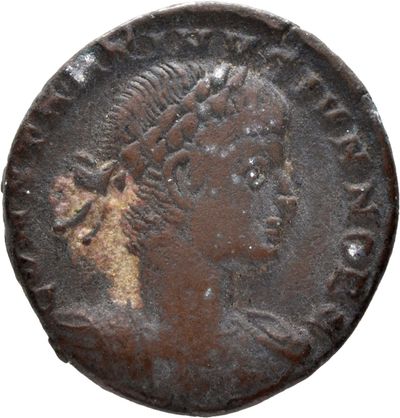
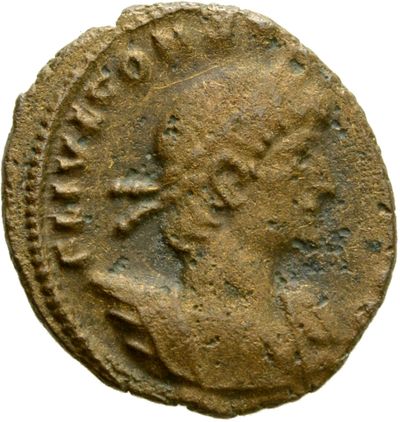
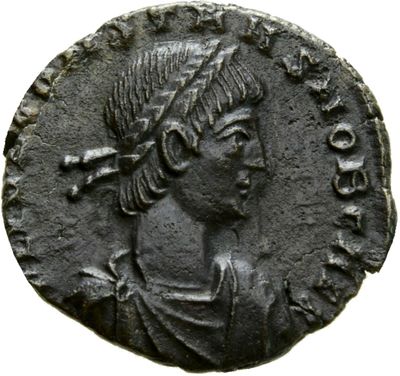
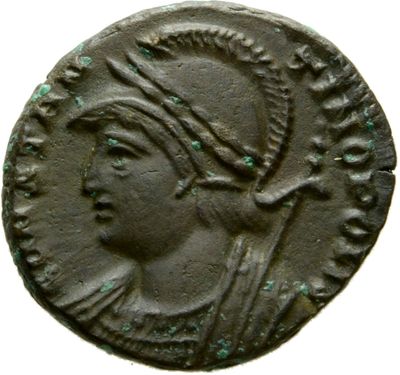
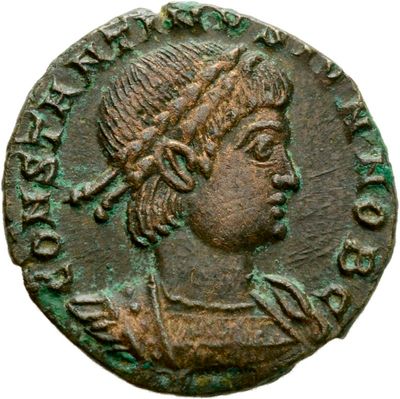
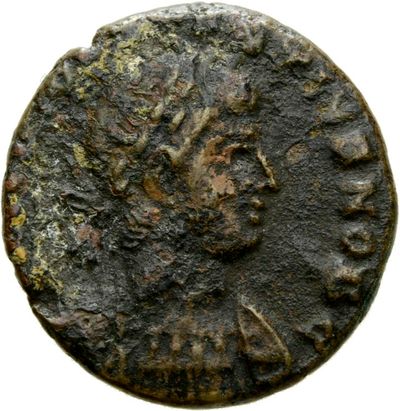
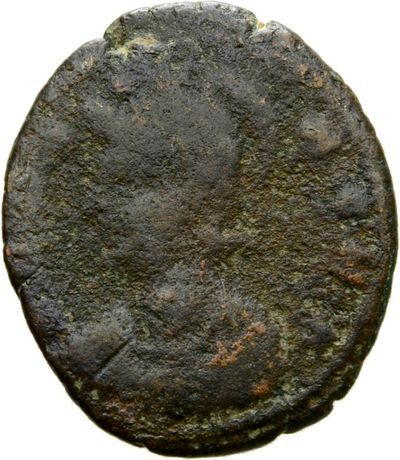
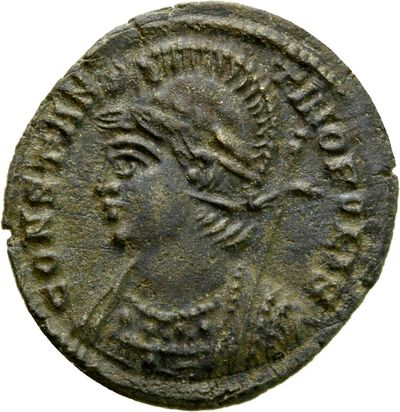
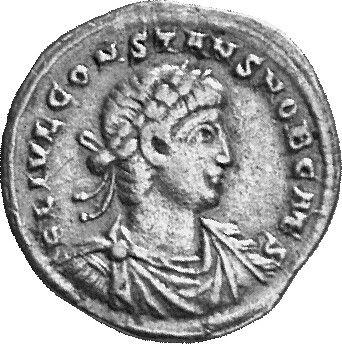
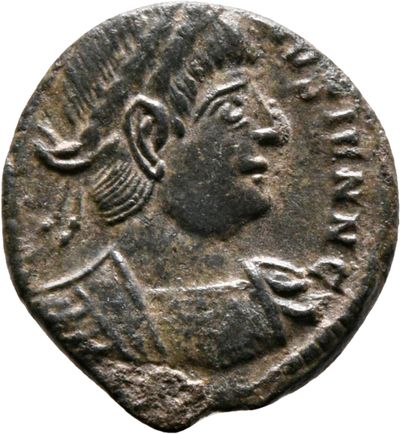
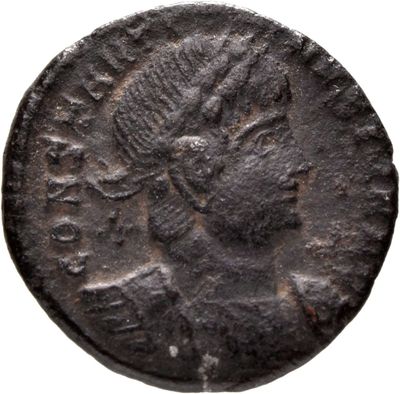
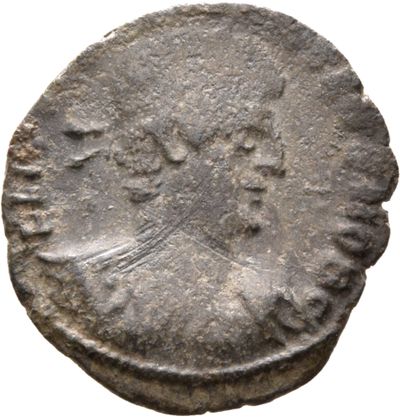
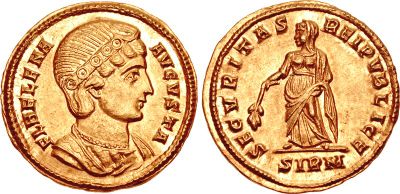
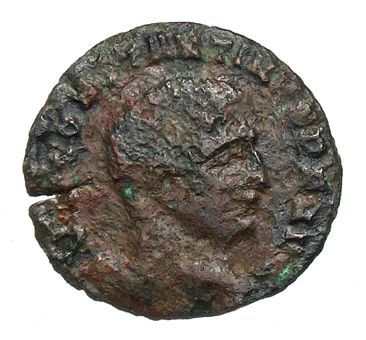
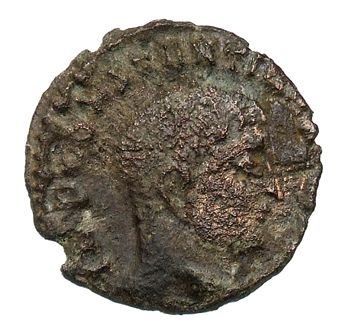
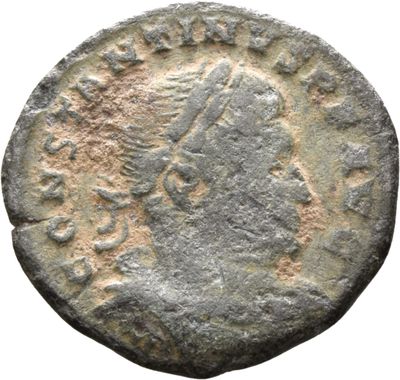
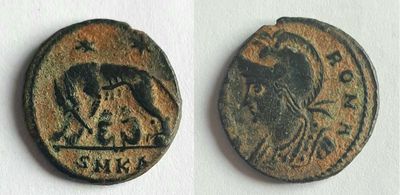
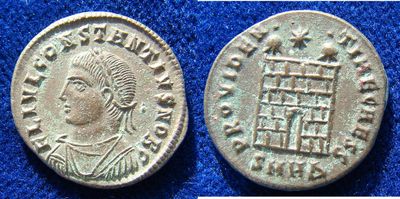
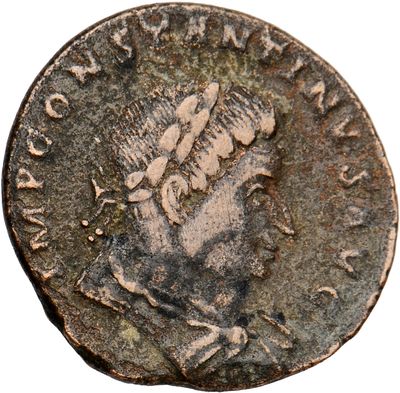
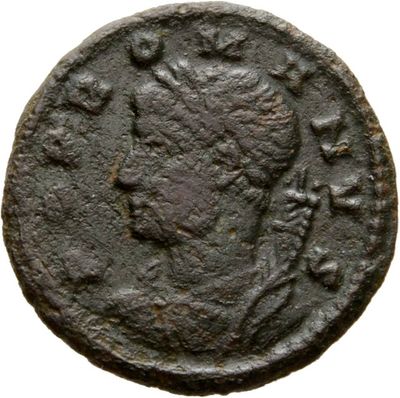
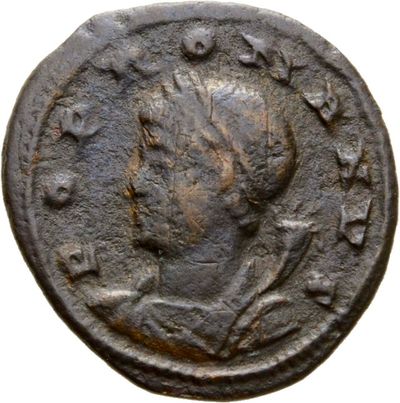
Constantine I (306–337 AD) presided over one of the most prolific coinages in Roman history. His long reign, numerous co-emperors, and network of up to seventeen active mints produced thousands of distinct types cataloged primarily in RIC VI and VII. The coinage spans the transition from the tetrarchic system to sole rule and reflects major political and religious shifts, including the adoption of Christian symbolism on state coinage. Common bronzes, the follis and its reduced successors, survive in enormous numbers and are among the most affordable ancient coins, making Constantine a natural starting point for new collectors. The mint-mark system on Constantinian bronzes (letters in the exergue identifying the mint and officina) is well documented and allows precise attribution. Silver siliquae and gold solidi are scarcer and command significant premiums. Key reverse types include the camp gate (PROVIDENTIAE AVGG), the two soldiers and standards (GLORIA EXERCITVS), and the Sol Invictus types from the earlier part of the reign. The sheer volume of material means that even experienced collectors regularly encounter new varieties.
Coin Types (1,540)




























































































































































































































































































You’ve attributed it. Now catalogue it
Record the attribution, weight, provenance, and photographs in your own NumisLens cabinet, a private catalogue built for ancient coins. Free for your first 50 coins.
Start your cabinet