Thessalonica Mint
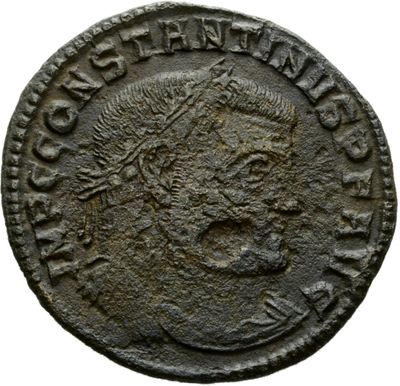
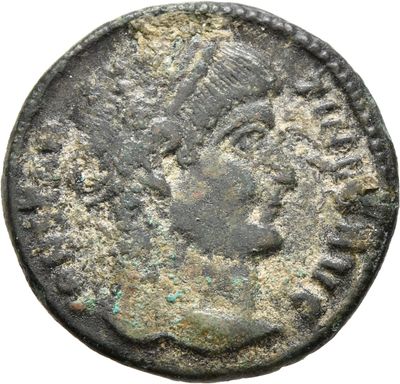
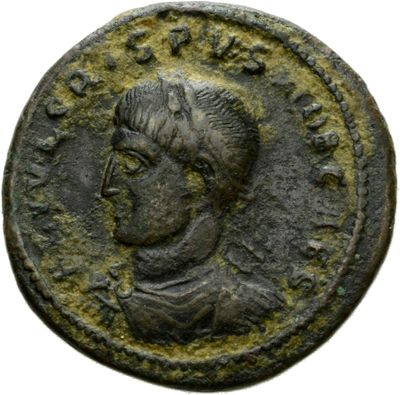
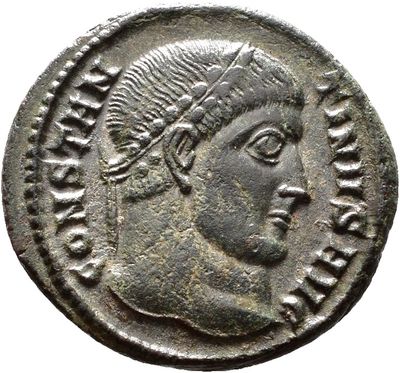
184 cataloged coin types across 5 rulers
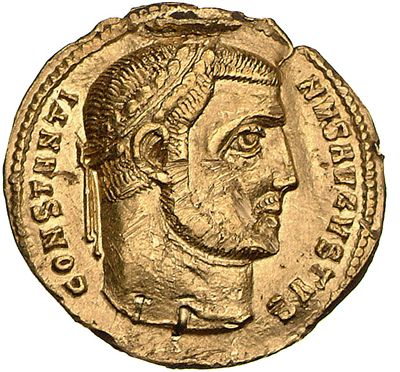
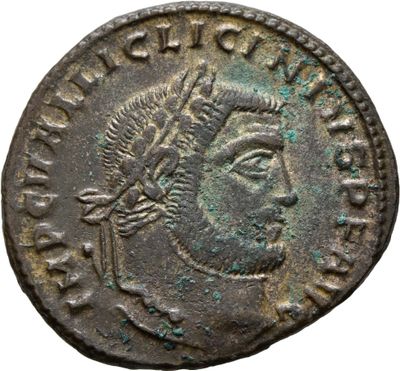
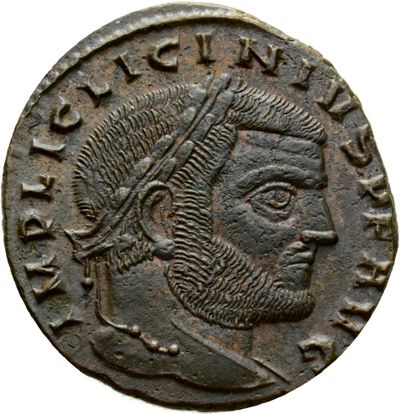
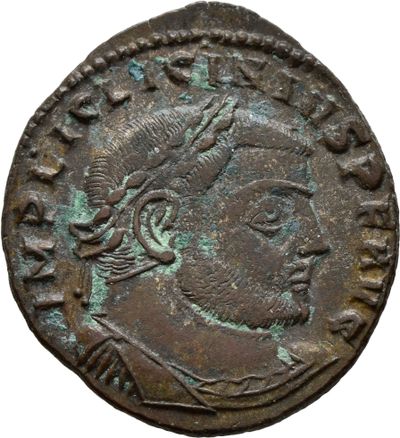
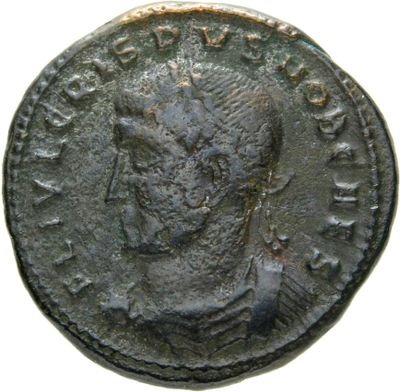
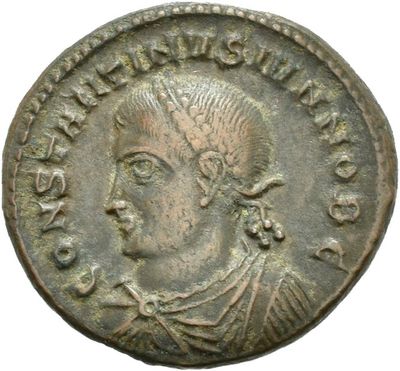
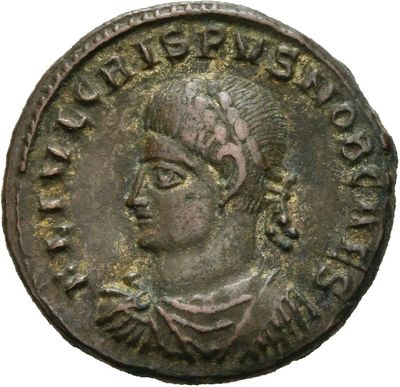
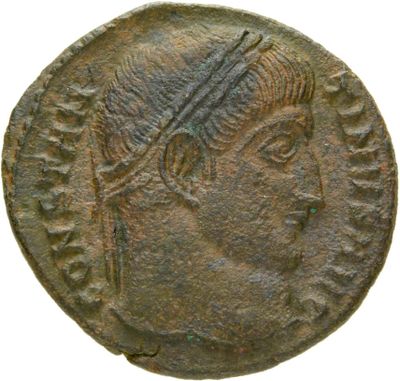
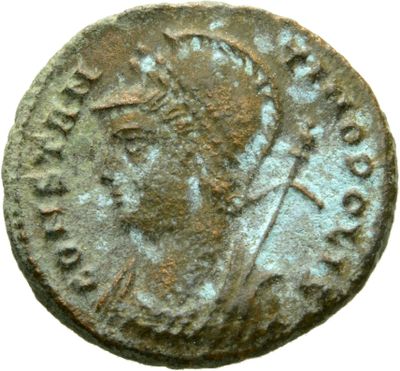
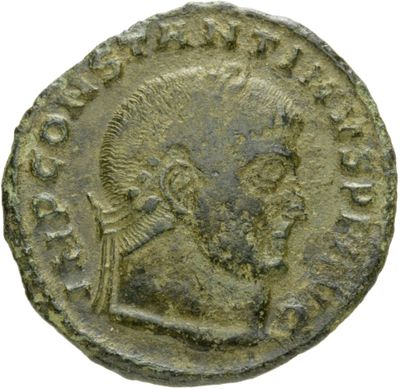
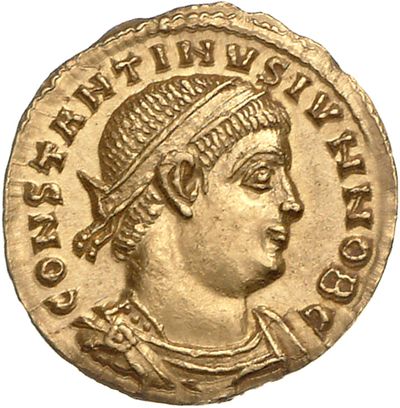
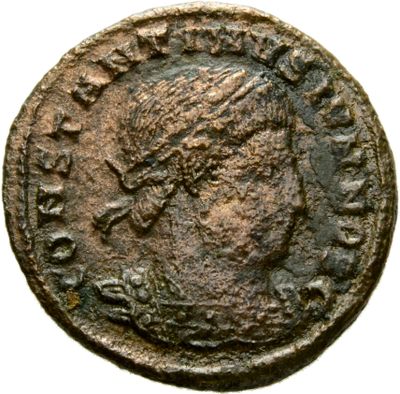
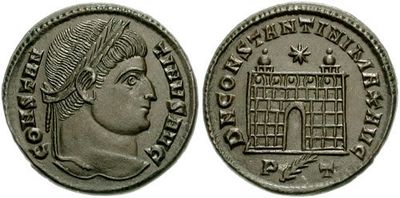
Thessalonica (modern Thessaloniki, Greece) operated as an imperial mint from the late third century, serving as a key Balkan mint at the crossroads of the Via Egnatia and the route to the Danube frontier. Its mint mark, typically TS, SMTS, or TES with officina letters, appears on late Roman bronze and gold coinage from the Tetrarchy through the fifth century. Thessalonica's strategic position made it important for supplying coinage to the military forces defending the Balkans, one of the most contested regions of the late empire. The mint struck the full range of denominations: gold solidi, silver siliquae, and the various bronze denominations from large folles down to AE4 nummi. Thessalonica also served as a temporary capital at various points, most notably when Galerius made it his base during the Tetrarchy, and this elevated status is reflected in the quality and volume of coinage from those periods. The mint continued into the Byzantine period. For collectors, Thessalonica-mint coins are identified through the well-cataloged exergue marks, and the mint's output is particularly well represented in Balkan hoard evidence. Tetrarchic and Constantinian issues from Thessalonica are the most commonly collected series.
Coin Types (184)
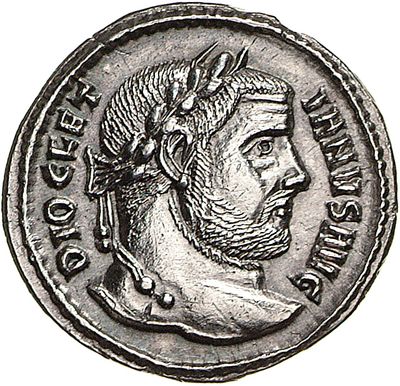
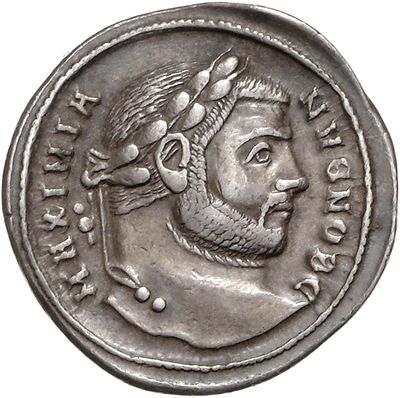
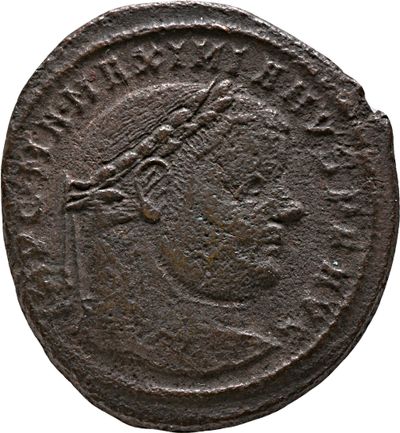

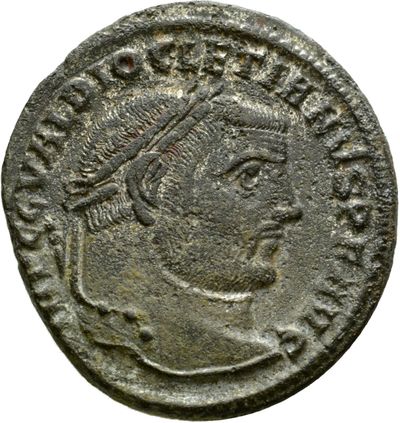

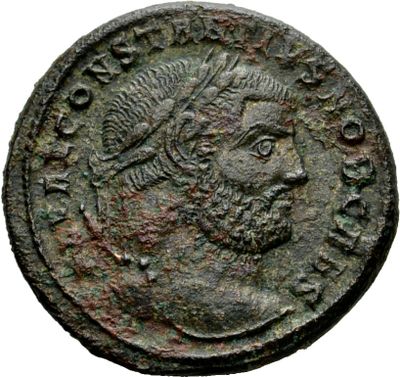


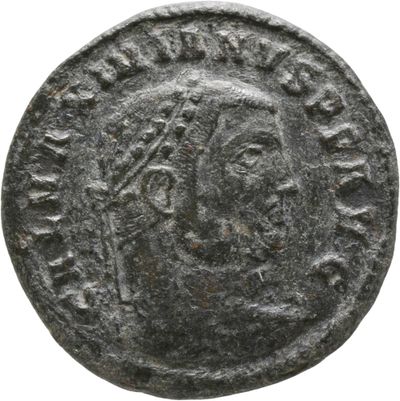
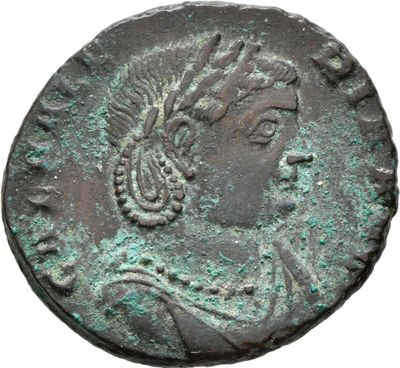
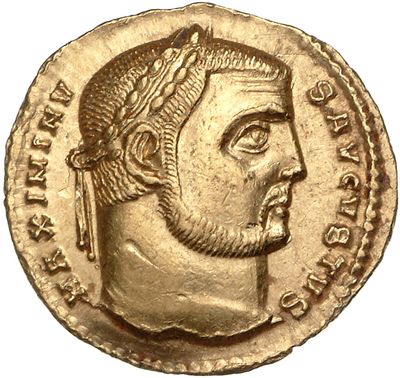

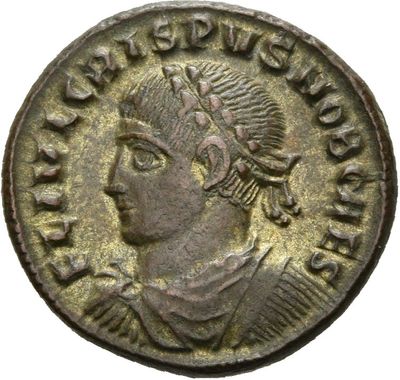

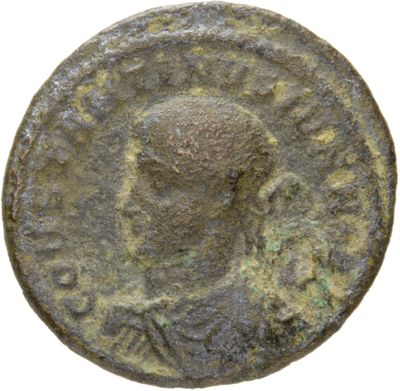
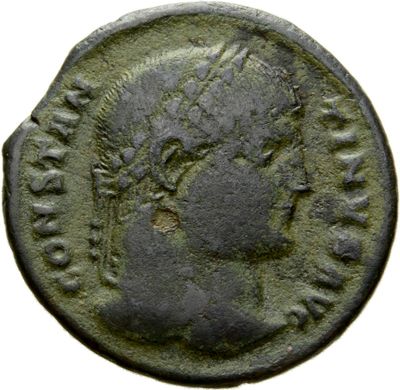

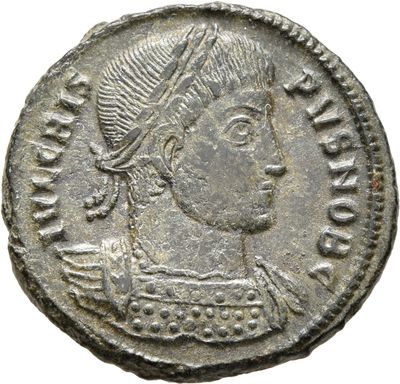
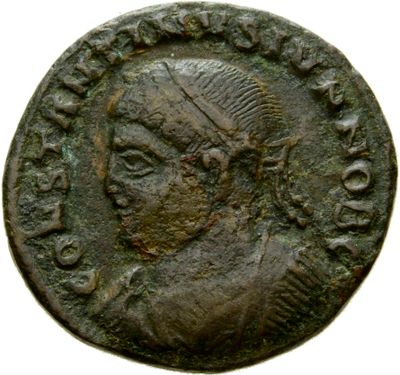
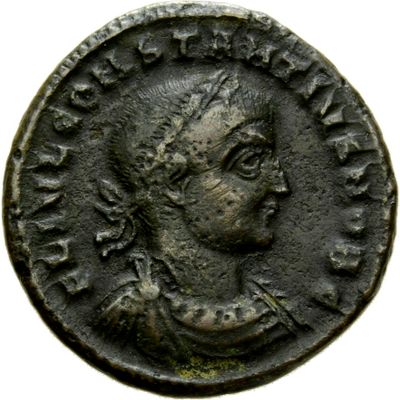
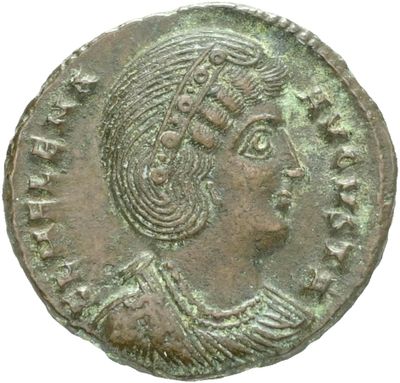
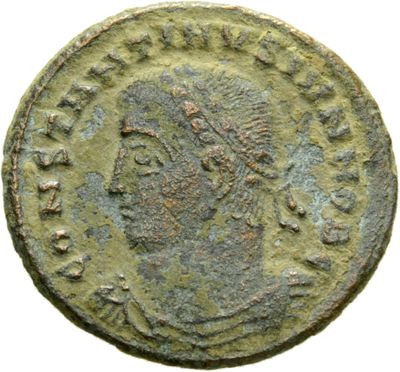
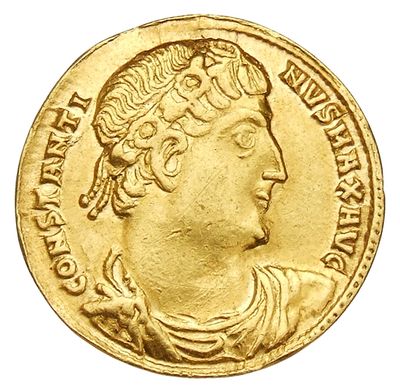
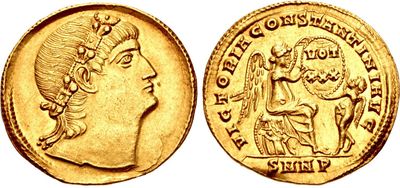
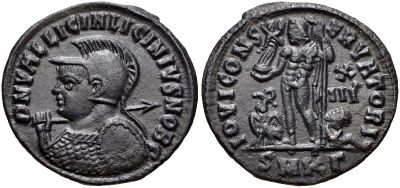
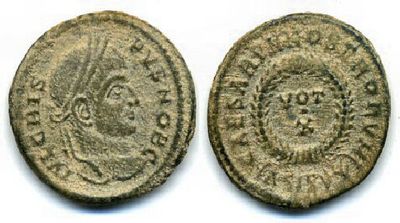

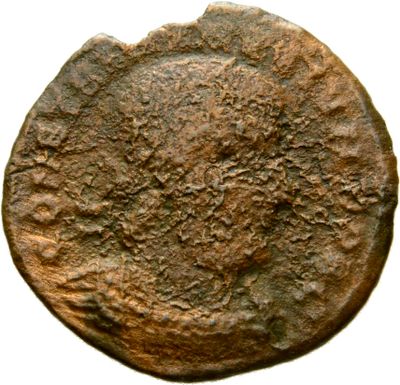
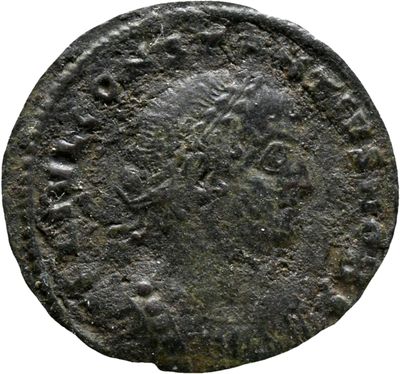
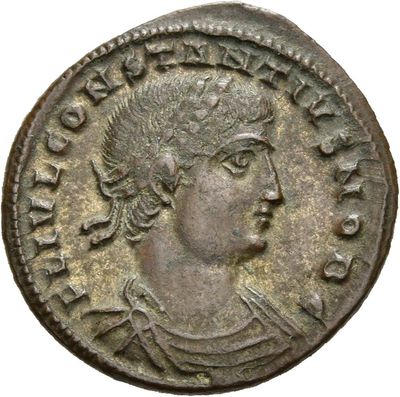
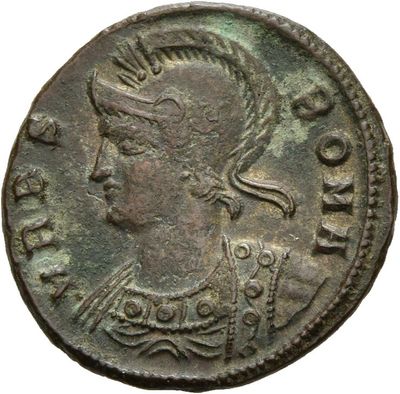

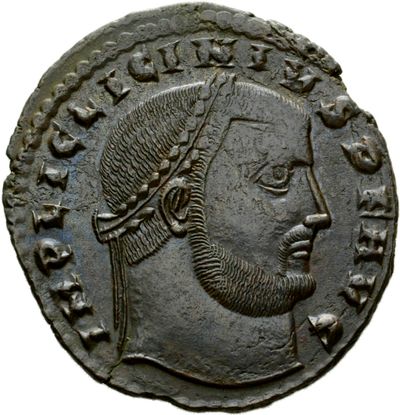
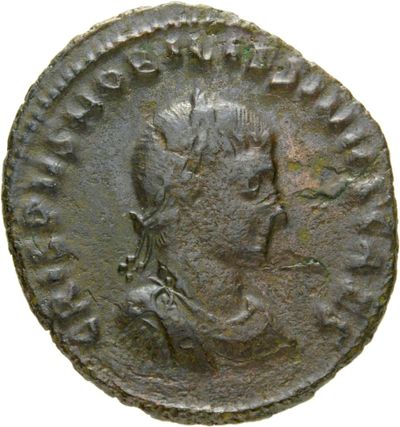
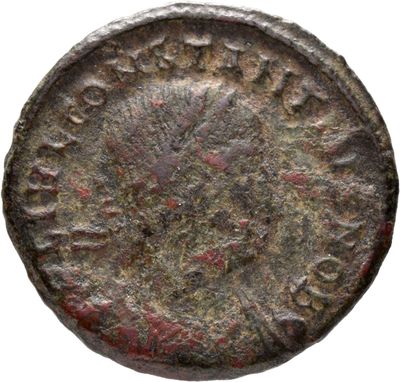
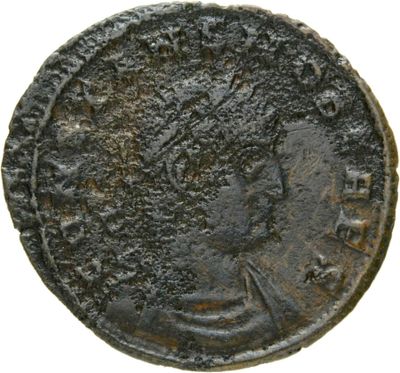
Showing 60 of 184 types
You’ve attributed it. Now catalogue it
Record the attribution, weight, provenance, and photographs in your own NumisLens cabinet, a private catalogue built for ancient coins. Free for your first 50 coins.
Start your cabinet