Antiocheia Syria Mint
428 cataloged coin types across 26 rulers
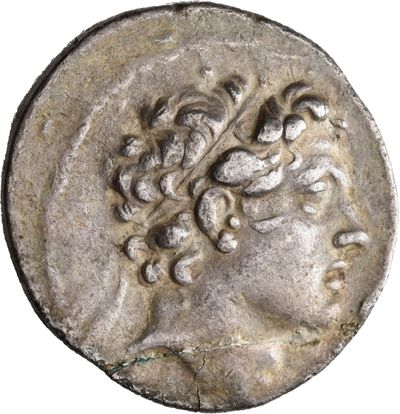
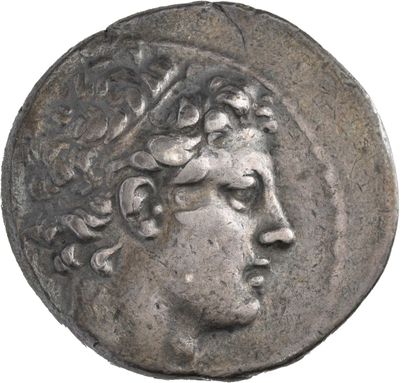
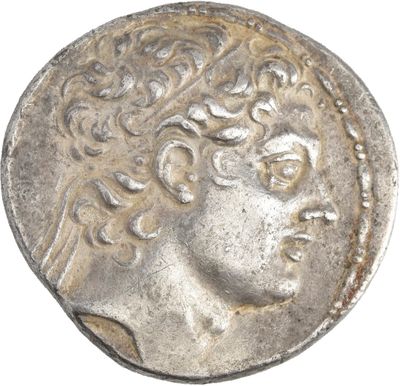
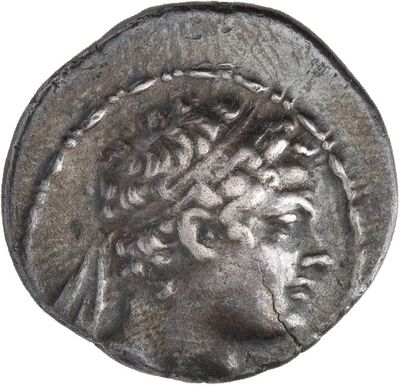
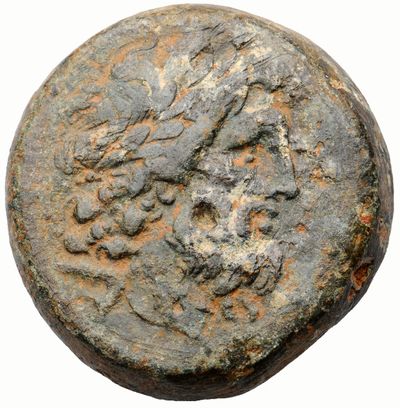
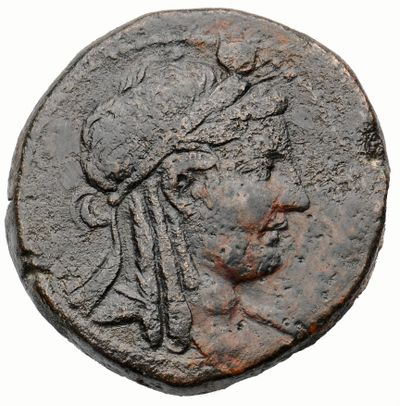
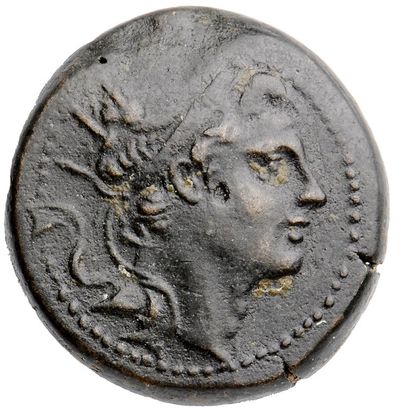
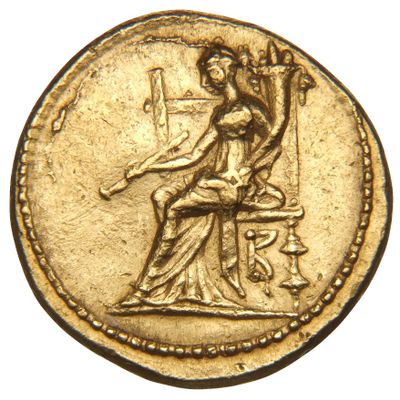
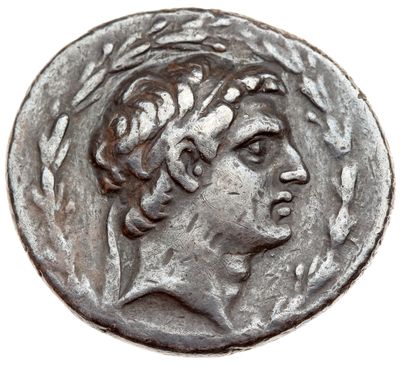
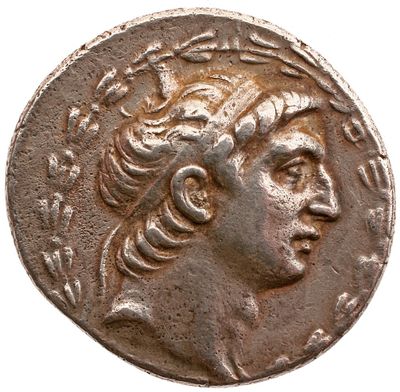
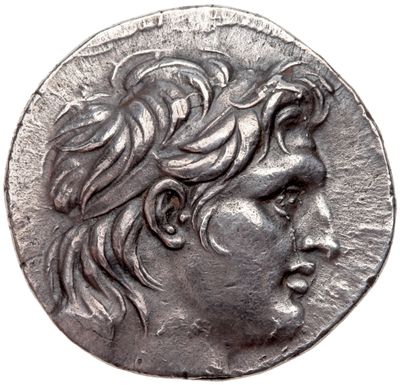
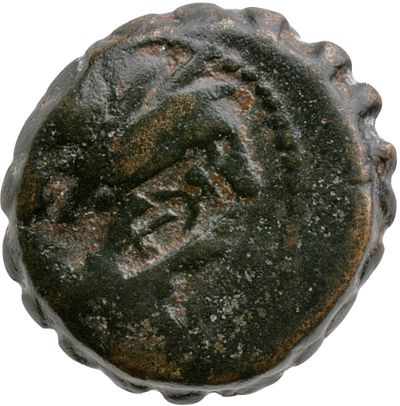
Antiocheia (modern Antakya, Turkey) was one of the great eastern mints of the Roman world, operating from the Seleucid period through the late Roman Empire and beyond. Under the Seleucids it was a primary royal mint producing tetradrachms and bronze coinage of the Hellenistic kingdom. When the region passed to Roman control, the mint continued producing silver tetradrachms (now with Roman imperial portraits) alongside base metal coinage for the eastern provinces. Antioch's Roman provincial tetradrachms, struck in billon (debased silver) from Nero through the mid-third century, form a major collecting area in their own right. After Diocletian's reforms the mint became a standard imperial mint with the mark ANT or SMAN in the exergue. Antioch was one of the largest producers of late Roman bronze coinage, and its output rivalled Constantinople in the fourth and fifth centuries. The mint's stylistic character is distinctive: Antioch portraits tend to be sharper and more angular than Rome-mint work, with a different approach to lettering and border treatment. For collectors, the Seleucid tetradrachms, the Roman provincial bilion tetradrachms, and the late imperial bronze series each represent distinct collecting areas with dedicated catalog references: SC and ESM for Seleucid issues, Prieur for provincials, and RIC for late imperial.
Coin Types (428)
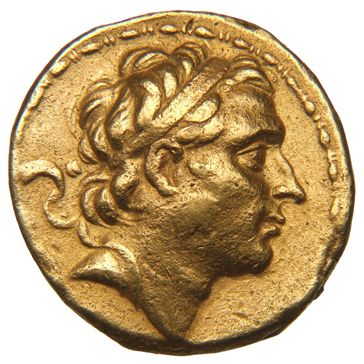
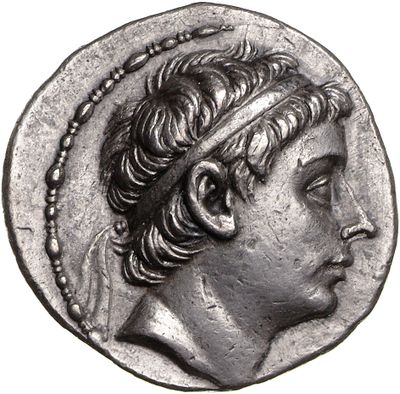
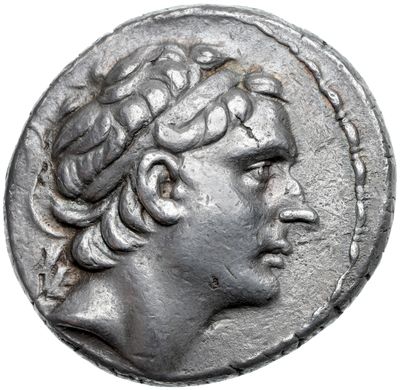
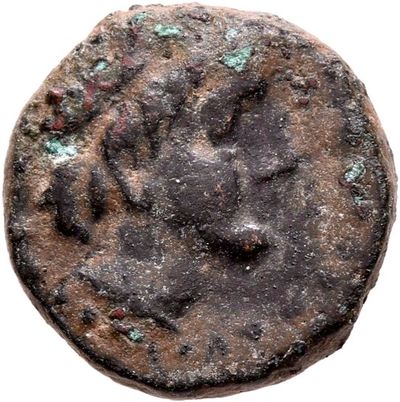
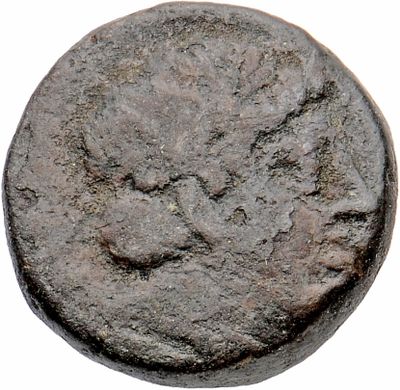
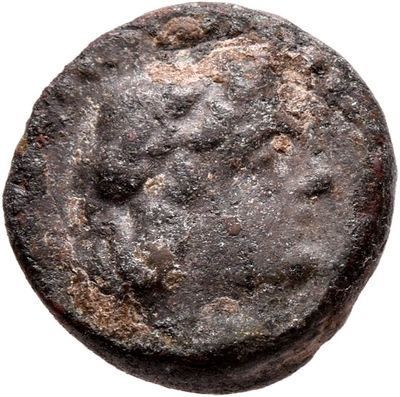
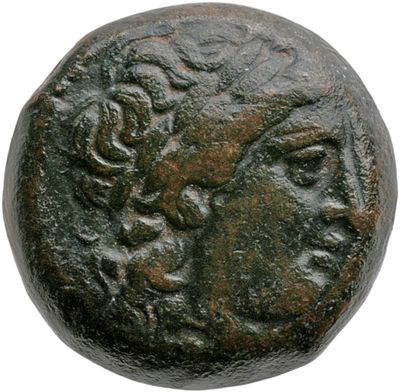
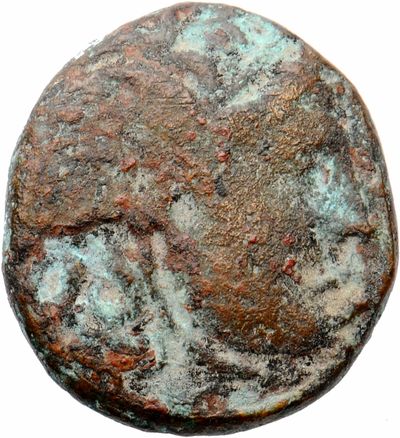
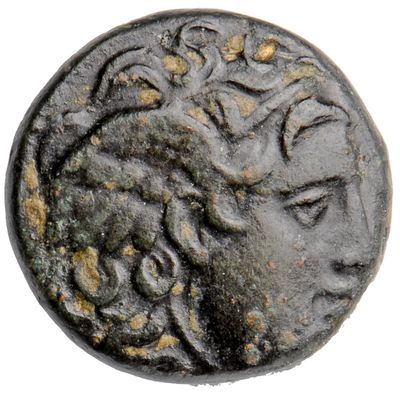
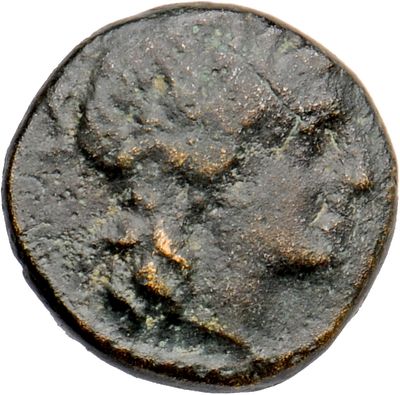
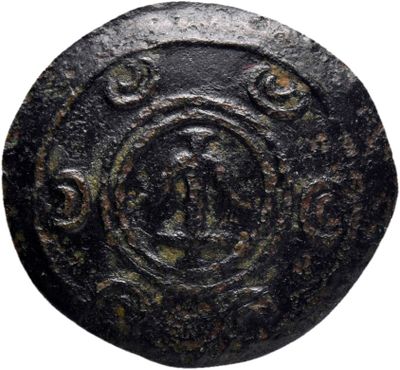

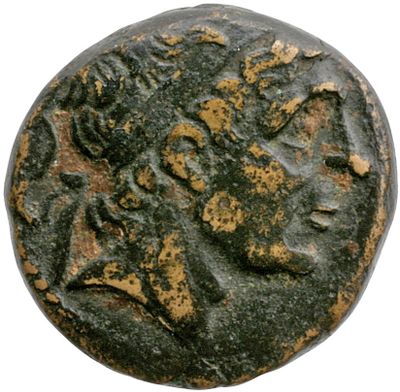


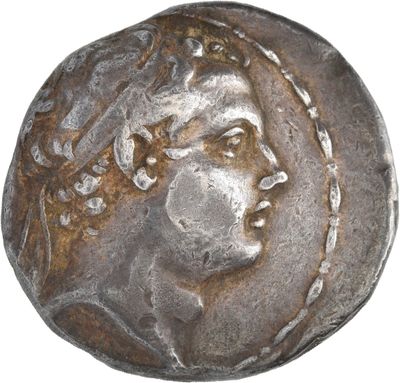
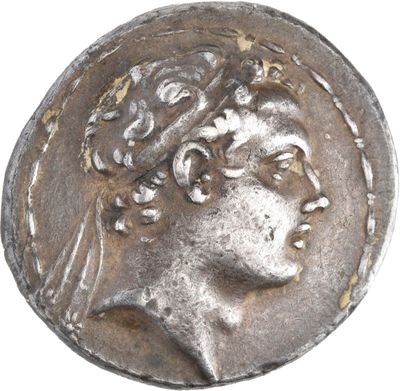
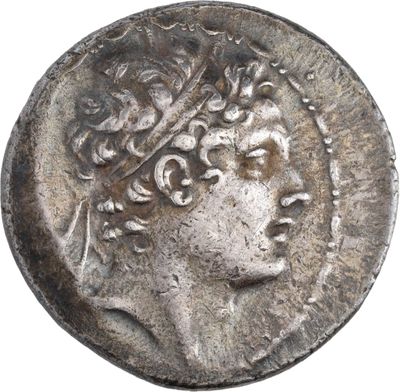
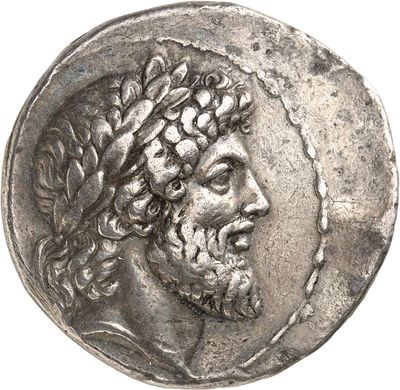










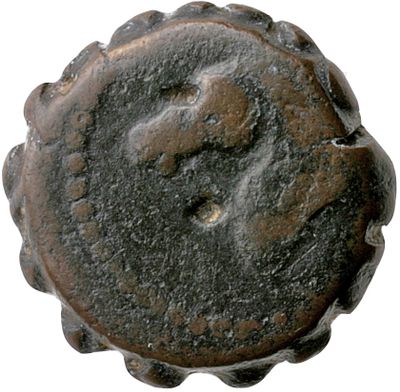
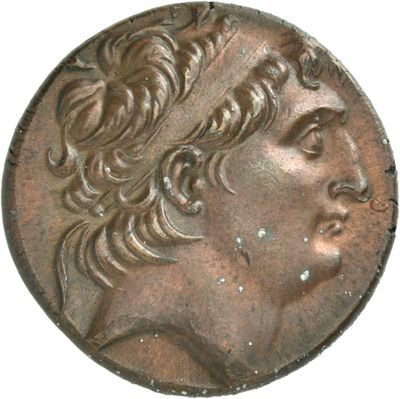

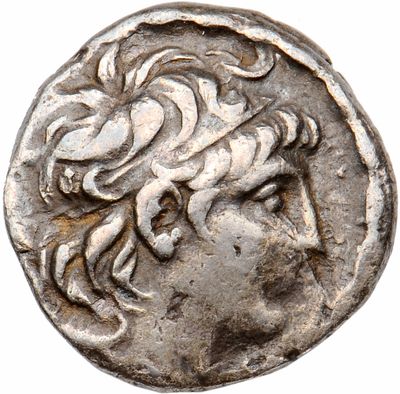
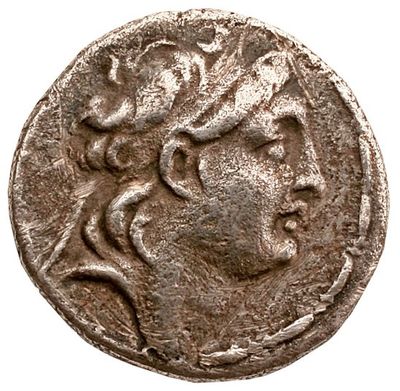
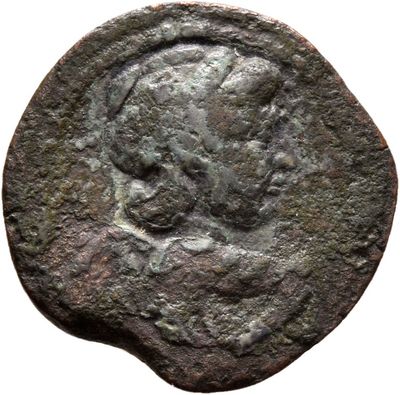
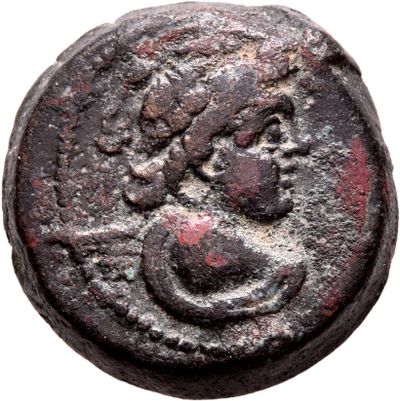
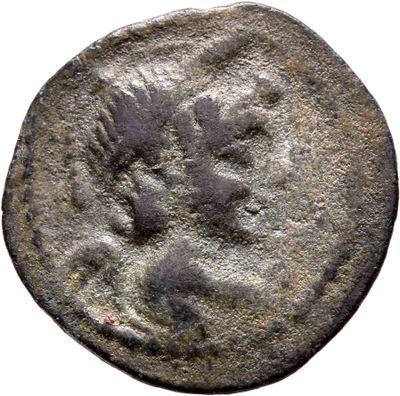

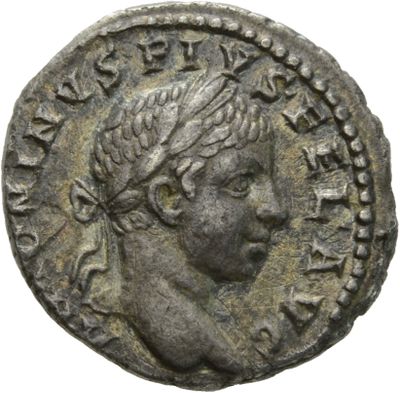

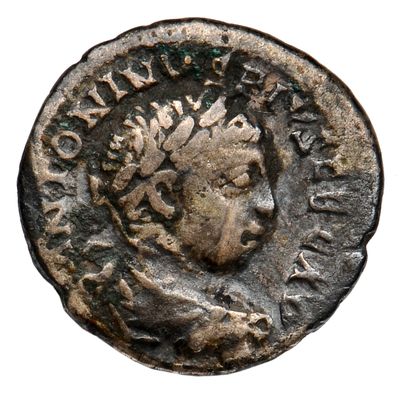

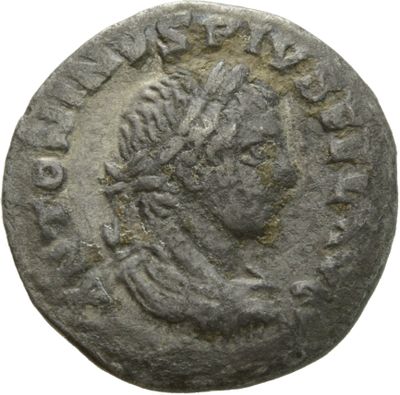


Showing 60 of 428 types
You’ve attributed it. Now catalogue it
Record the attribution, weight, provenance, and photographs in your own NumisLens cabinet, a private catalogue built for ancient coins. Free for your first 50 coins.
Start your cabinet