Cyzicus Mint
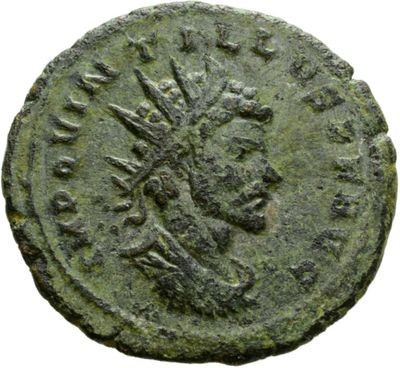
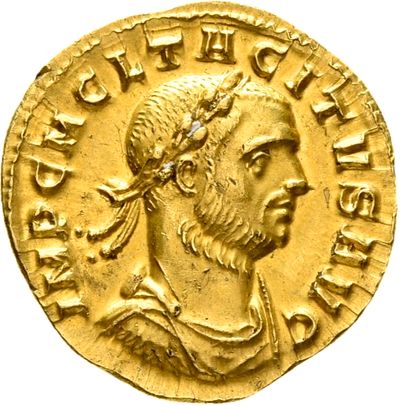
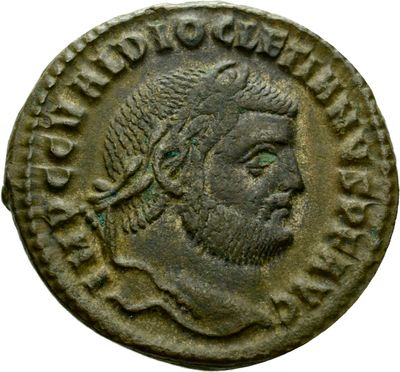
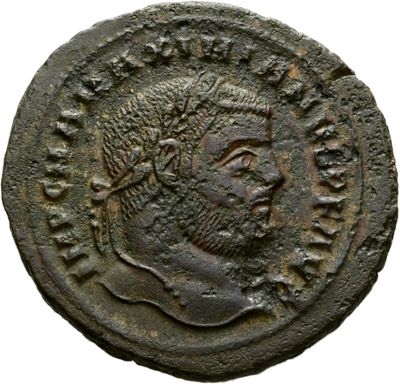
212 cataloged coin types across 13 rulers
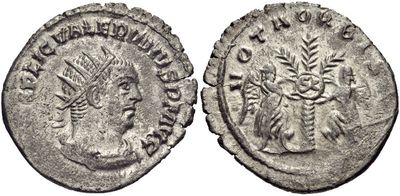
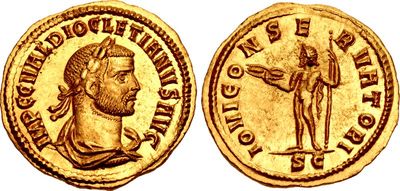
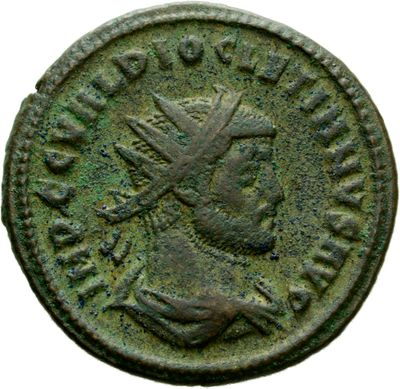
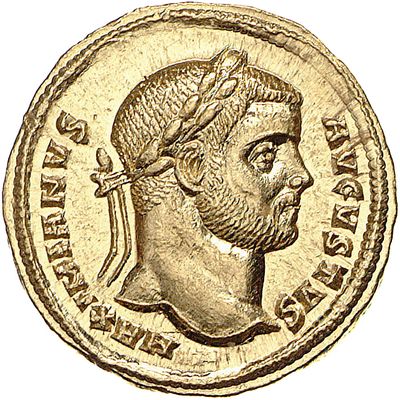
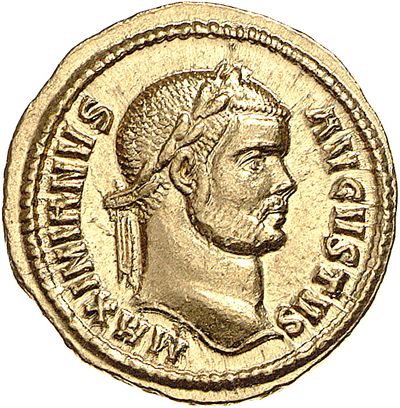
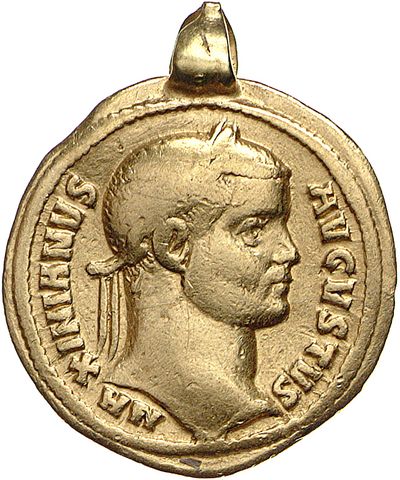
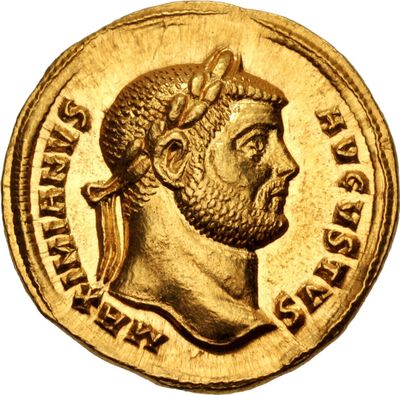
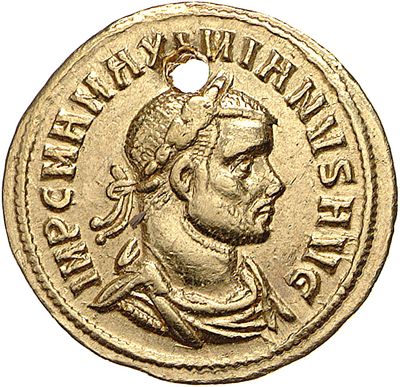
Cyzicus (on the southern shore of the Sea of Marmara in modern Turkey) was a major eastern mint from the third century onward, producing coinage through the late Roman and early Byzantine periods. The city had a long minting tradition stretching back to the archaic period, when it produced the famous Cyzicene electrum staters that served as a standard trade currency in the eastern Mediterranean. Under the Roman imperial system, Cyzicus became particularly important after Diocletian's reforms, operating as one of the principal eastern mints alongside Constantinople, Antioch, and Nicomedia. Its mint mark, typically SMK or SMKA-E (with officina letters), appears in the reverse exergue of late Roman bronzes and gold. Cyzicus was a prolific source of Constantinian bronze coinage and continued operating into the Byzantine period. The mint's output is well represented in hoards from western Turkey and the Balkans. For collectors, Cyzicus-mint coins are readily identified by the distinctive SMK exergue mark, and the mint's consistent operation across the fourth and fifth centuries provides a continuous series for those collecting by mint. Earlier Cyzicene electrum staters are a separate and highly specialised collecting area.
Coin Types (212)
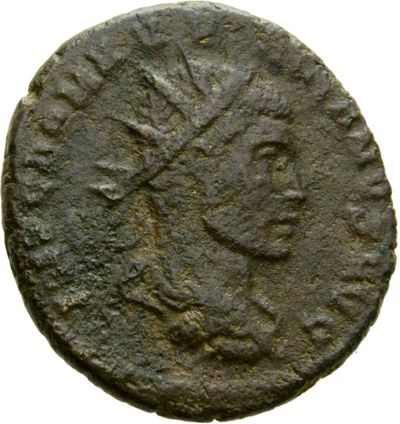
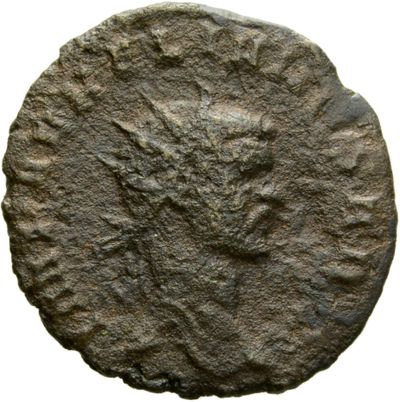

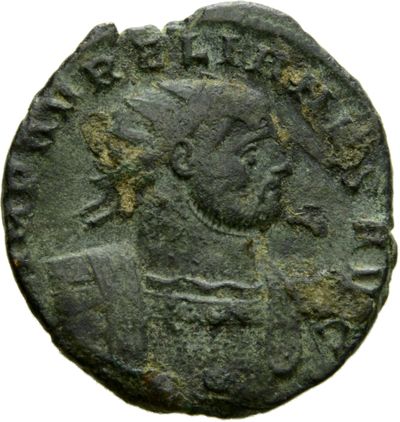
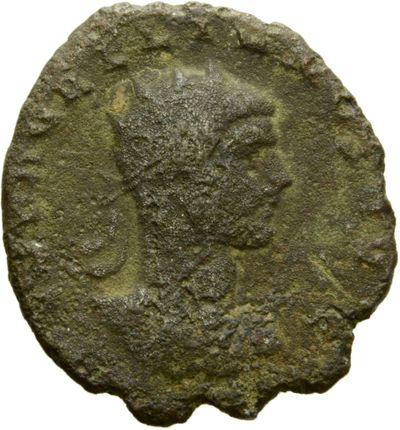
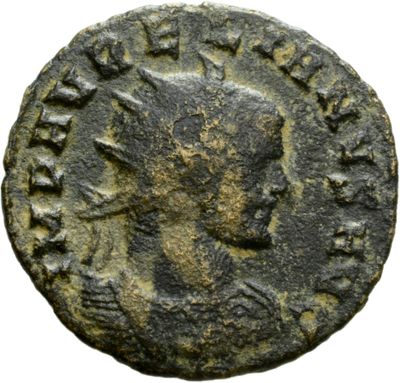
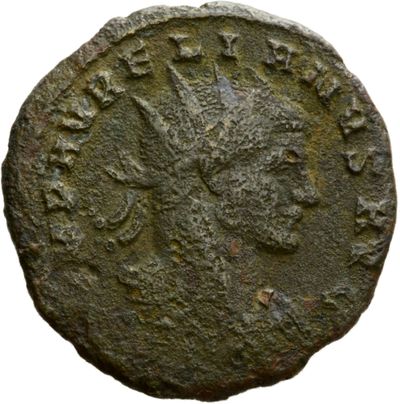
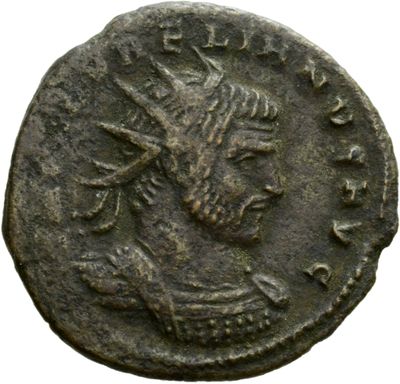
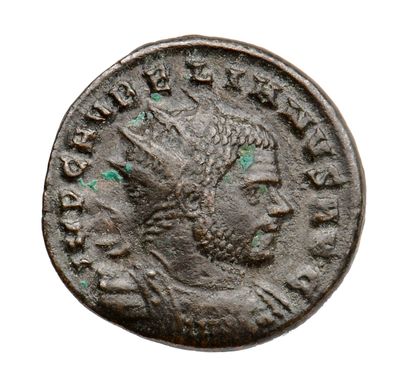
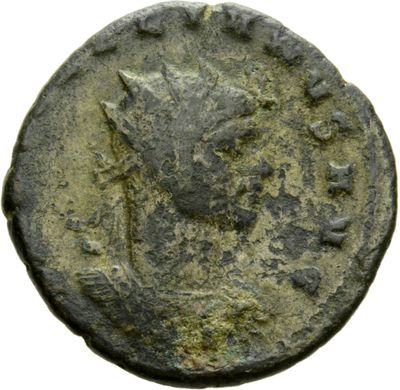

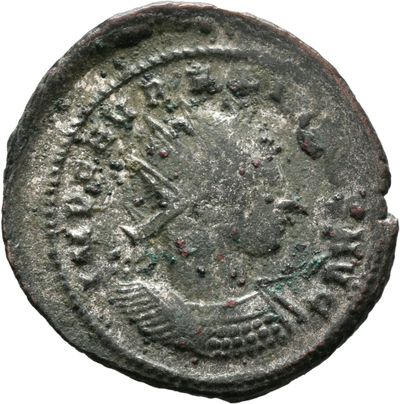
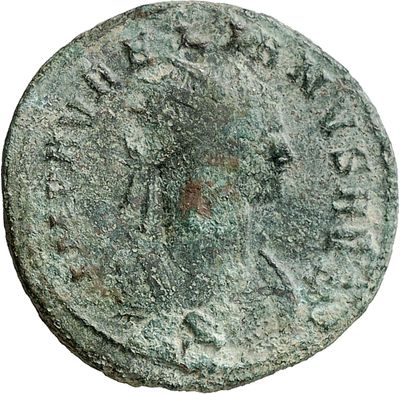

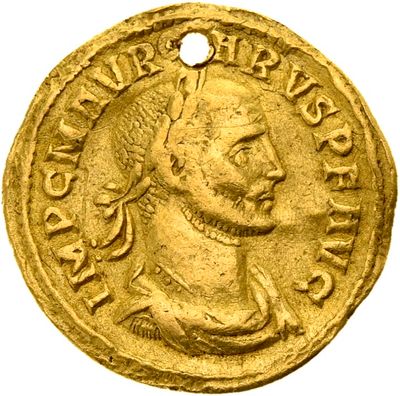
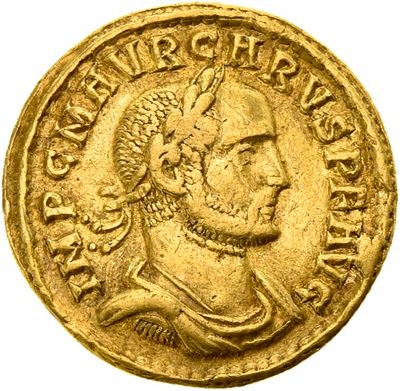
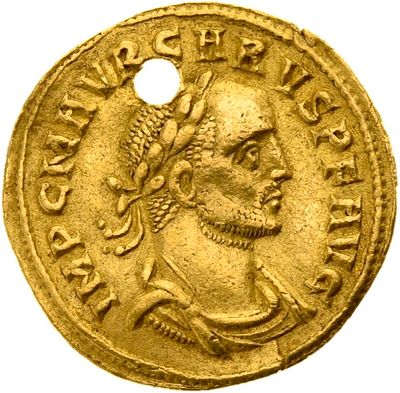
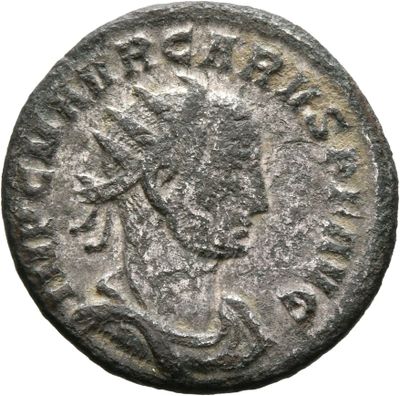
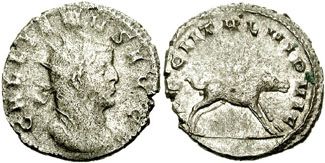
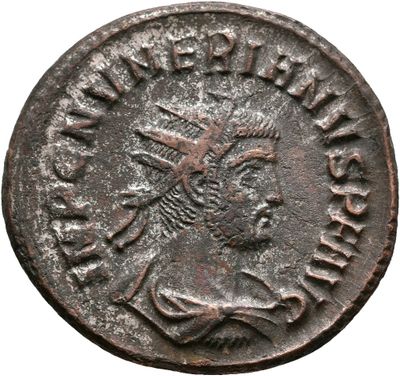

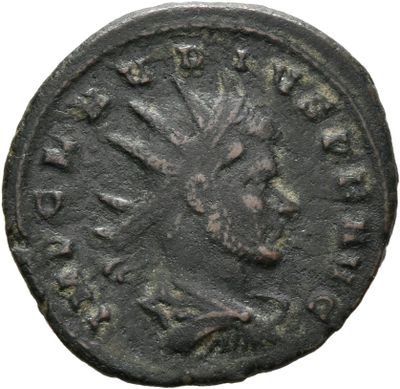
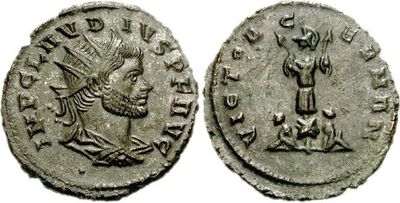
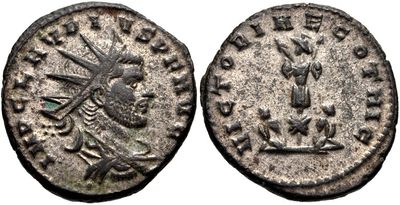

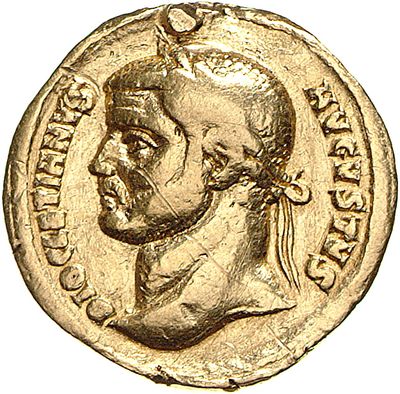
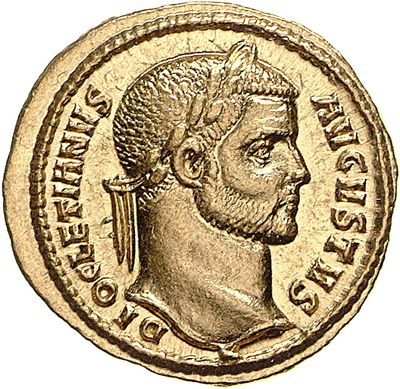
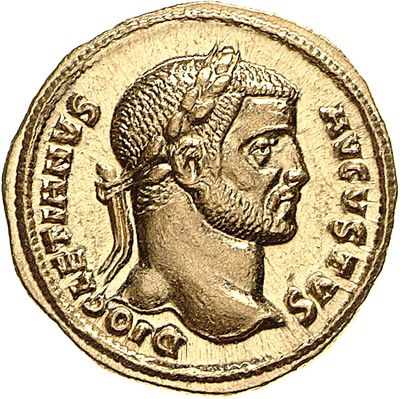
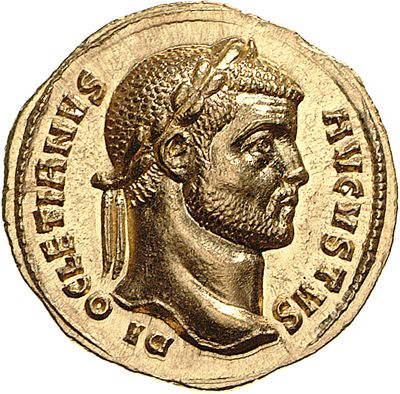


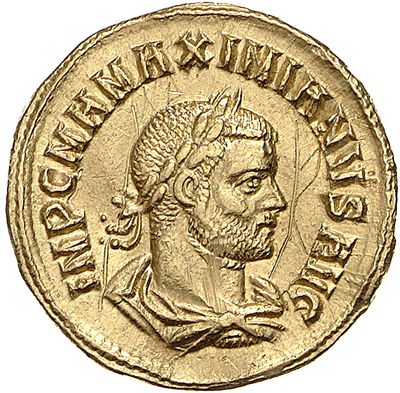
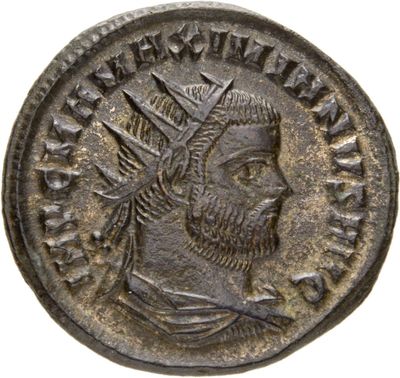
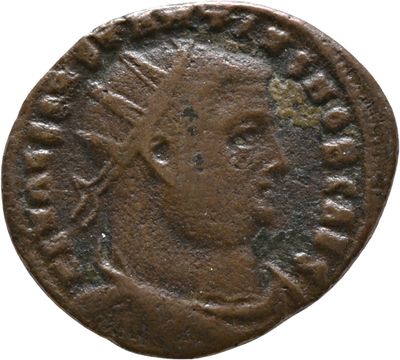
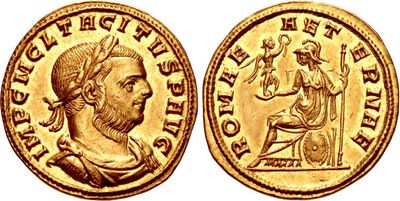


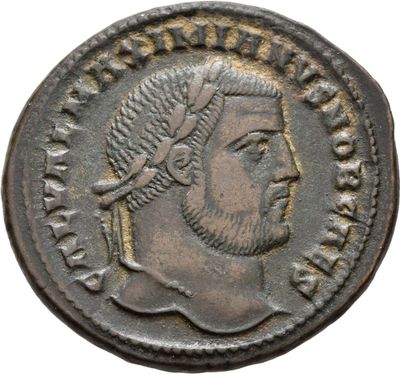

Showing 60 of 212 types
You’ve attributed it. Now catalogue it
Record the attribution, weight, provenance, and photographs in your own NumisLens cabinet, a private catalogue built for ancient coins. Free for your first 50 coins.
Start your cabinet