Siscia Mint
368 cataloged coin types across 16 rulers
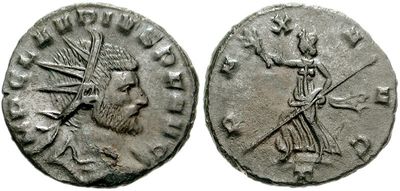
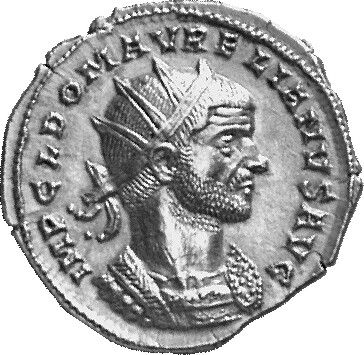
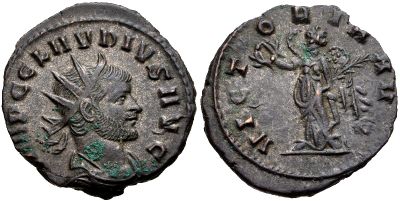
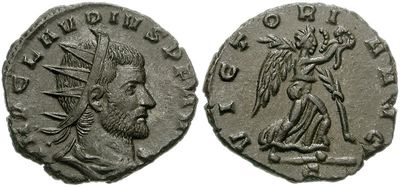
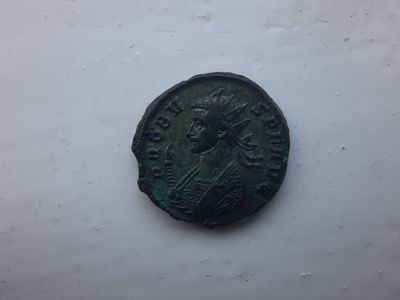
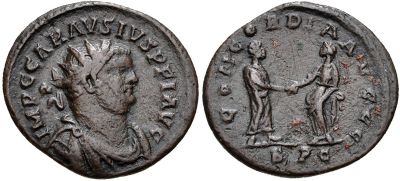
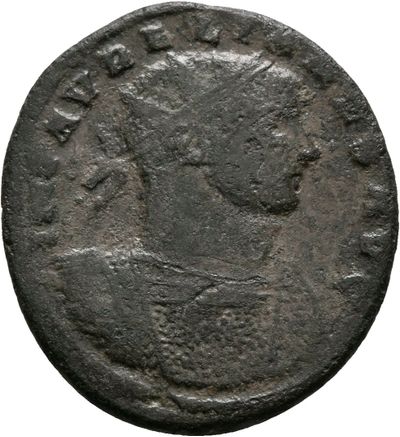
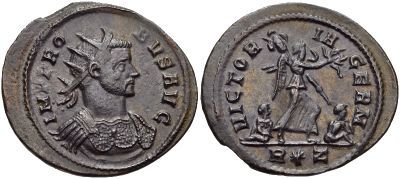
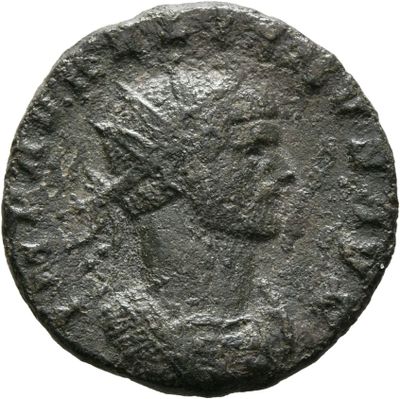
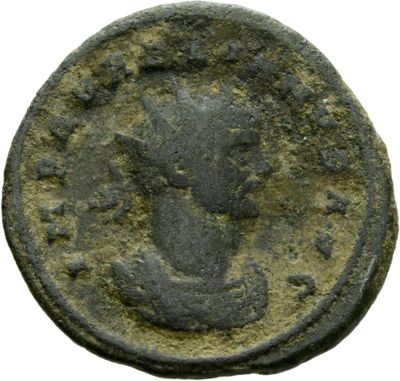
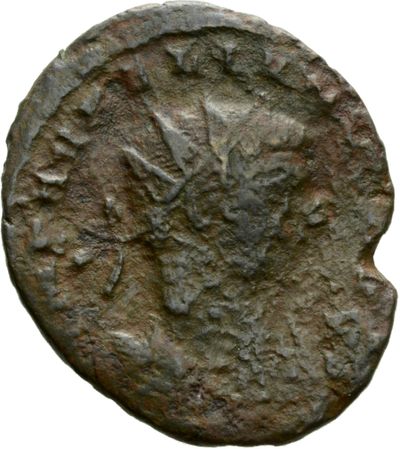
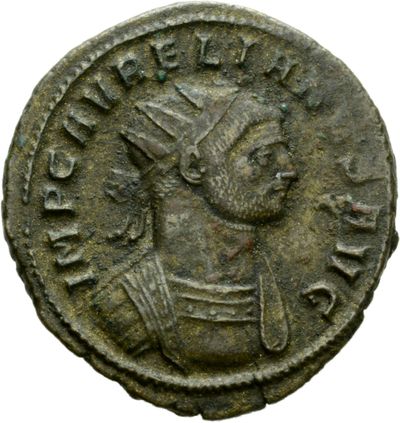
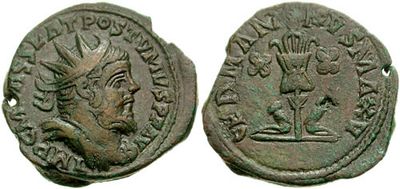
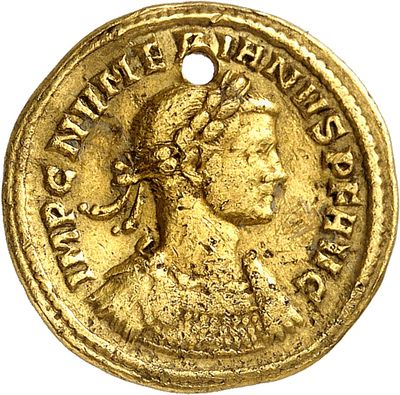
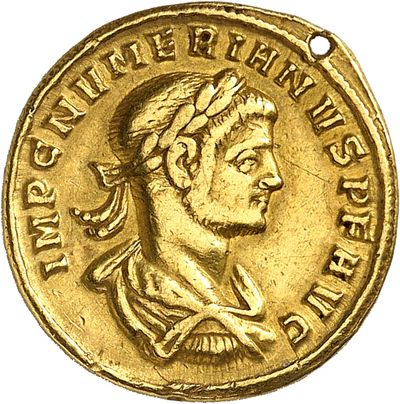
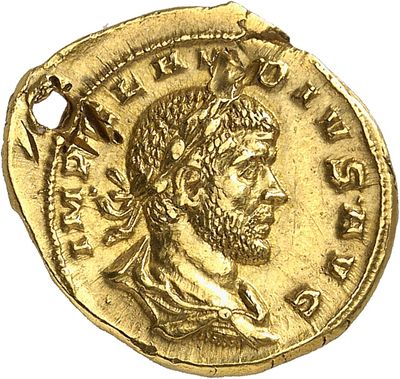
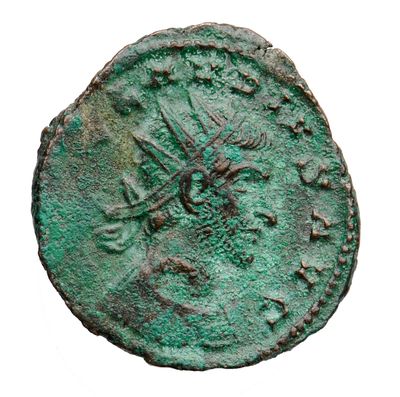
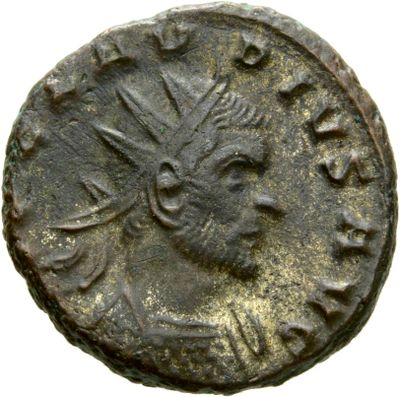
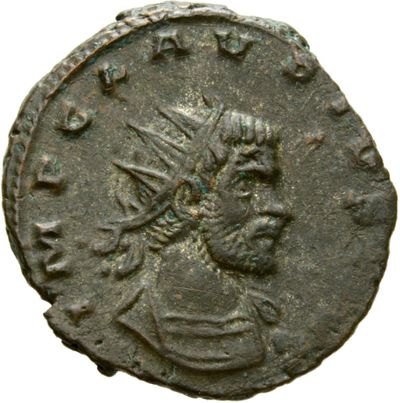
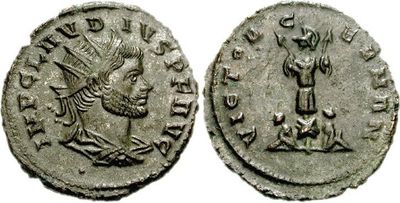
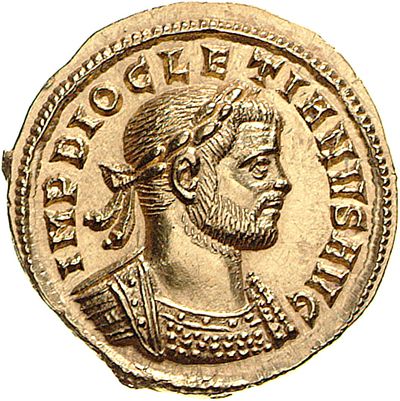
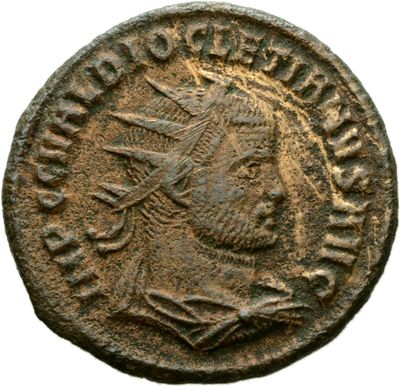
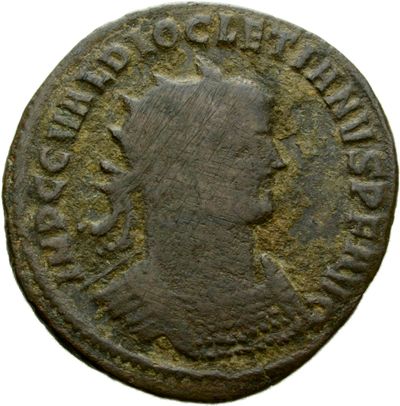
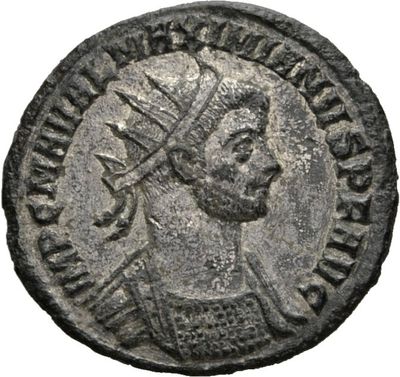
Siscia (modern Sisak, Croatia) was a major late Roman mint that served the Danube frontier, one of the most militarily active zones of the empire. Established as an imperial mint during the monetary reorganisation of the late third century, Siscia produced large quantities of bronze coinage from the Tetrarchy through the late fourth century. Its mint mark, typically SIS or ASIS in the exergue, is very common on Constantinian and Valentinianic bronzes. The mint was well positioned to supply coinage to the armies defending the middle Danube against Gothic, Sarmatian, and Hunnic pressure, a strategic role reflected in the volume of its output. Siscia also struck gold and silver issues, though in smaller quantities than the major capital mints. The mint's bronze coinage is notable for a distinctive style: Siscia portraits often have a slightly heavier, more rounded quality compared to the sharper work of eastern mints like Constantinople or Antioch. Production continued through the fourth century but declined as the strategic situation on the Danube deteriorated. For collectors, Siscia-mint bronzes are among the most affordable and available late Roman coins, making them a natural entry point for mint-focused collecting of the Constantinian and Valentinianic periods.
Coin Types (368)
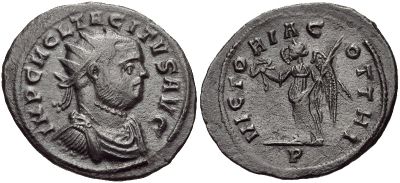
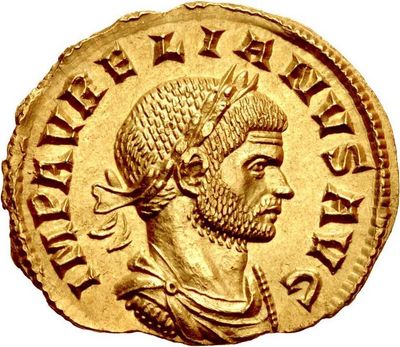
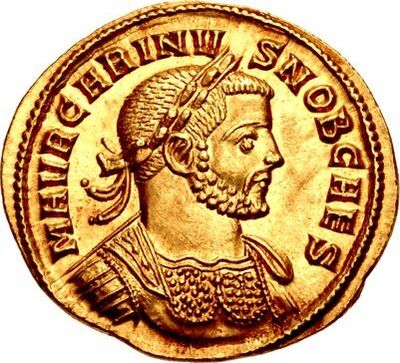

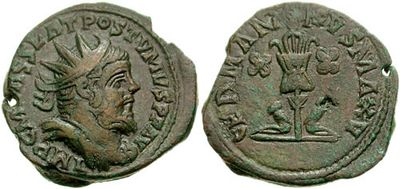


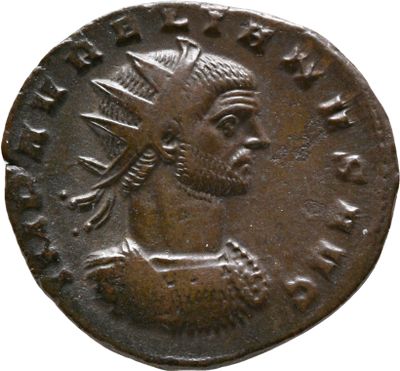

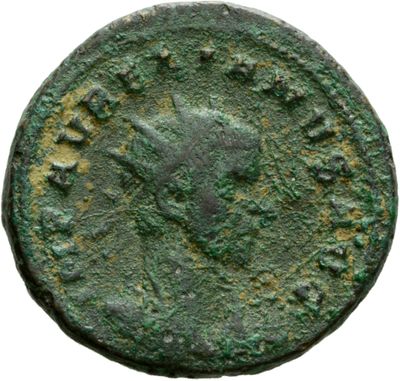
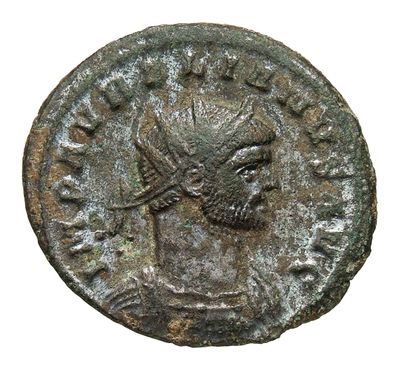
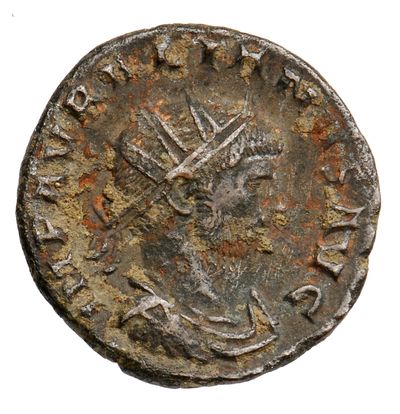

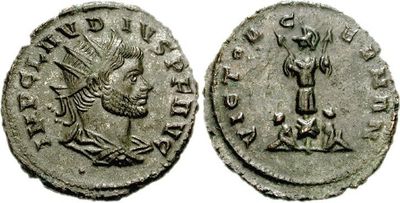
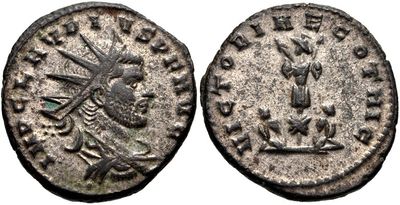
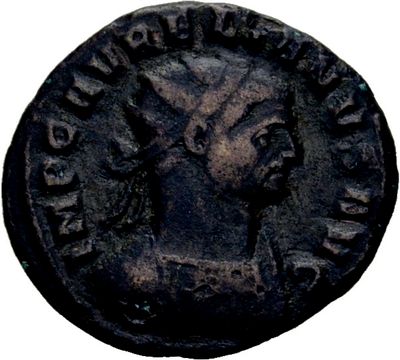


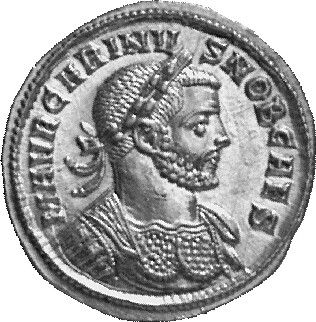




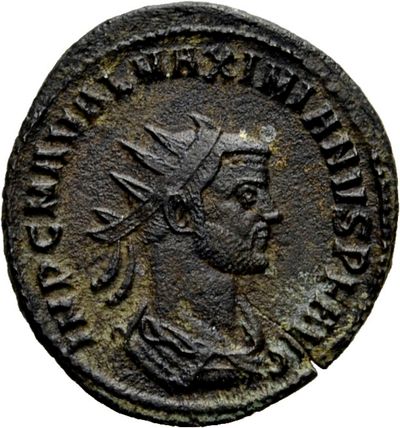
Showing 60 of 368 types
You’ve attributed it. Now catalogue it
Record the attribution, weight, provenance, and photographs in your own NumisLens cabinet, a private catalogue built for ancient coins. Free for your first 50 coins.
Start your cabinet