Alexandreia Egypt Mint
210 cataloged coin types across 9 rulers
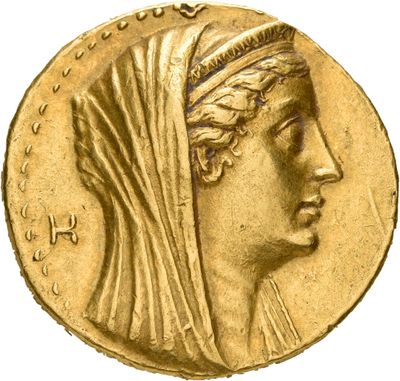
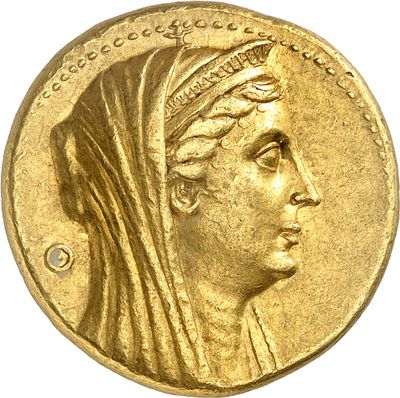
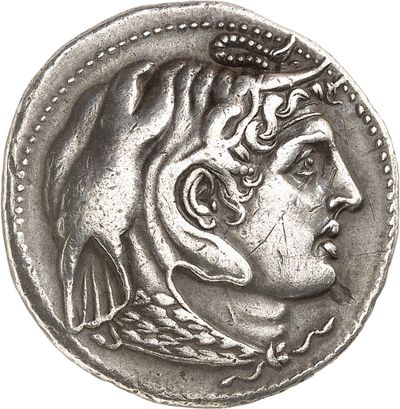
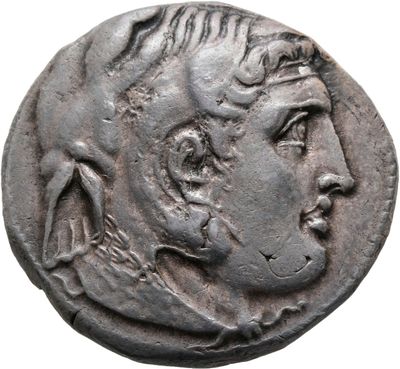
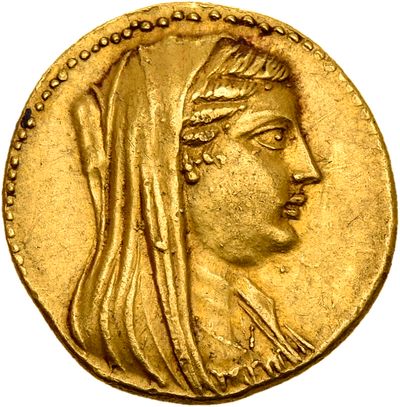
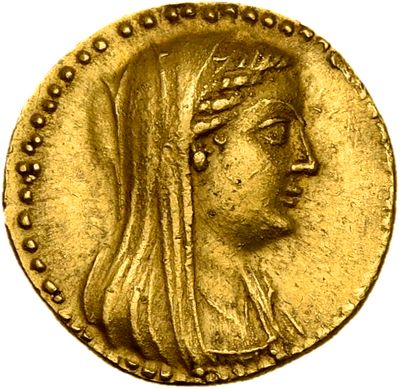
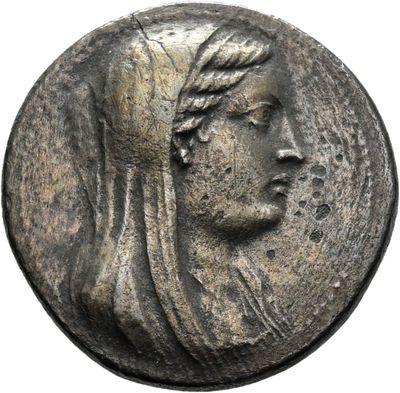
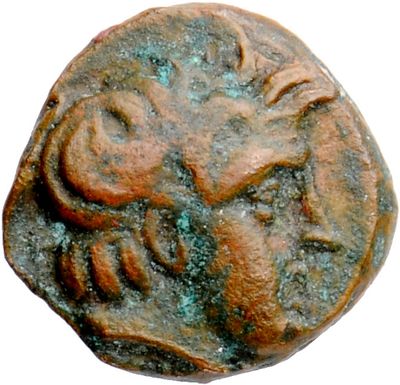
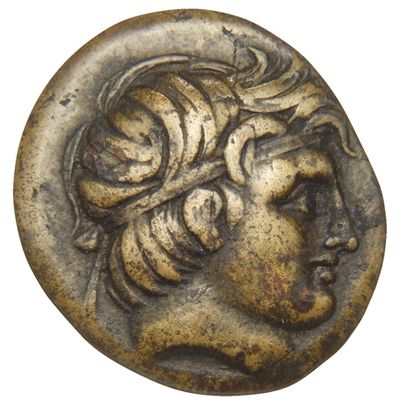
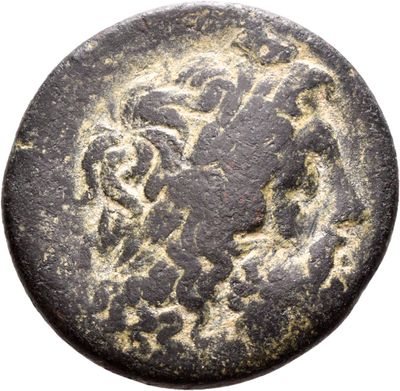
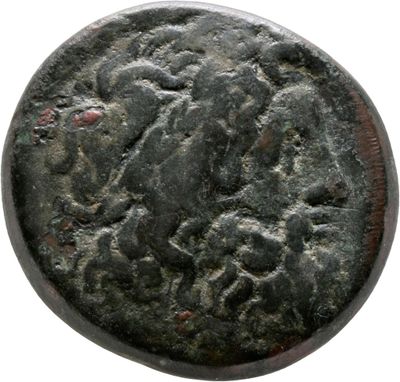
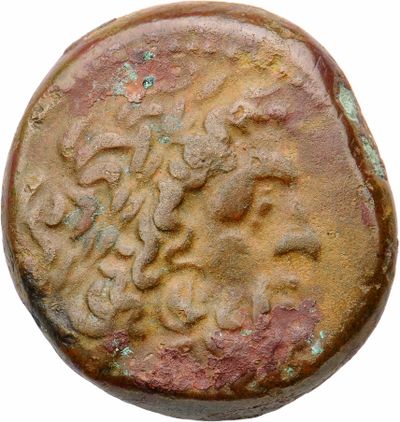
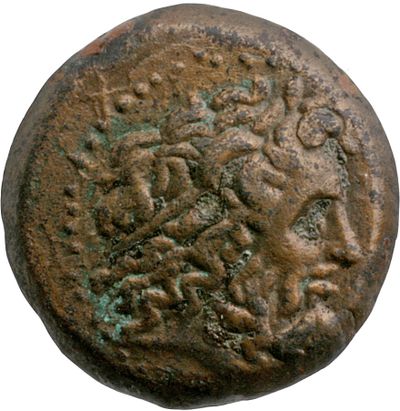
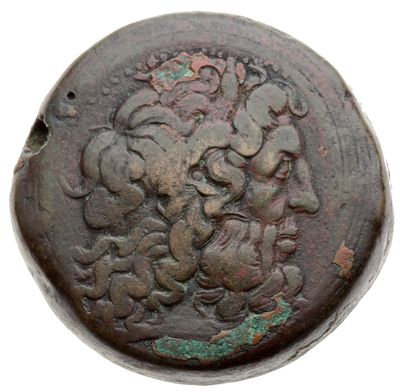
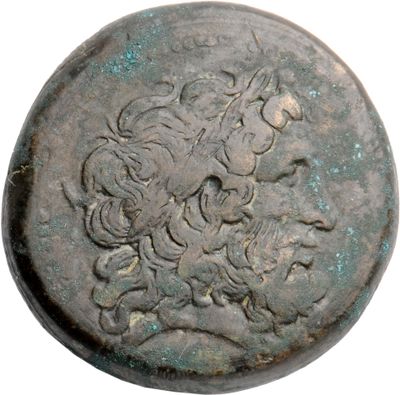
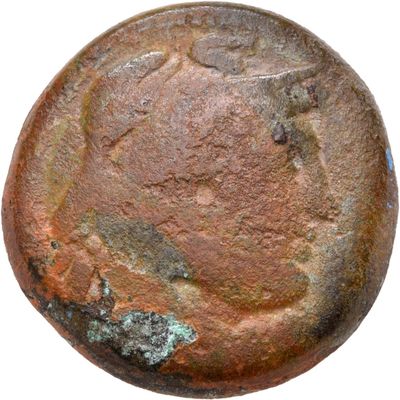
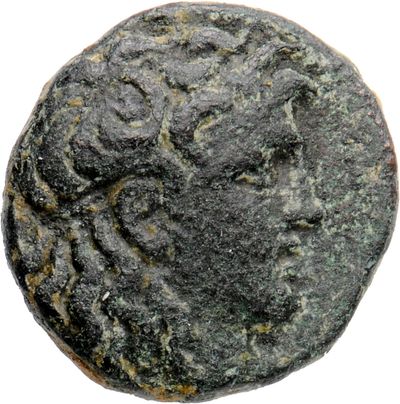
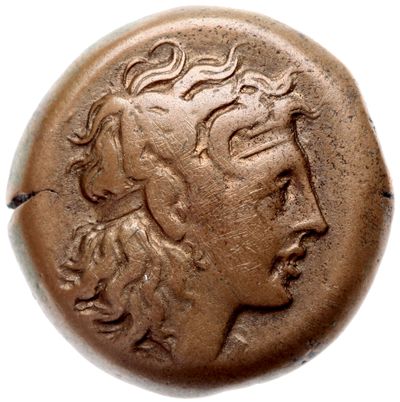
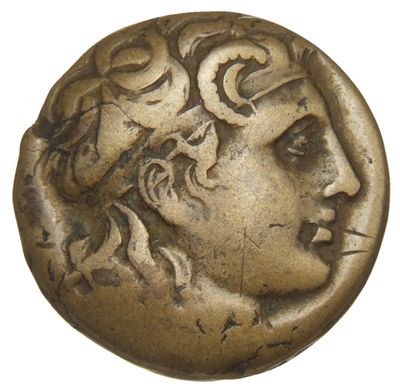
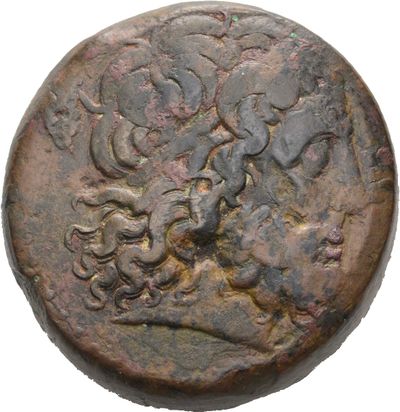
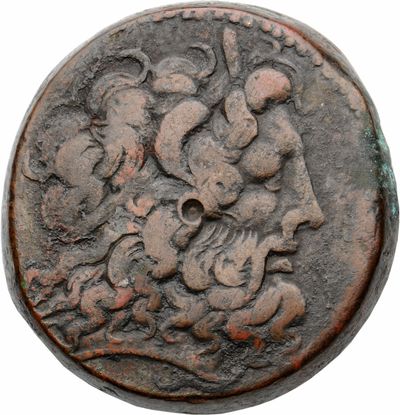
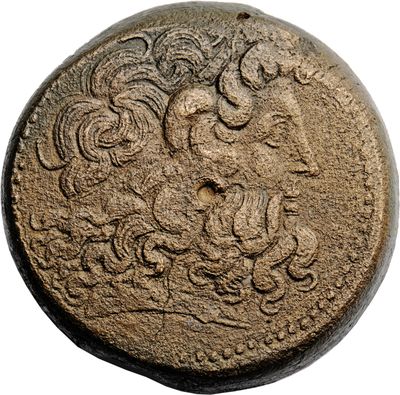
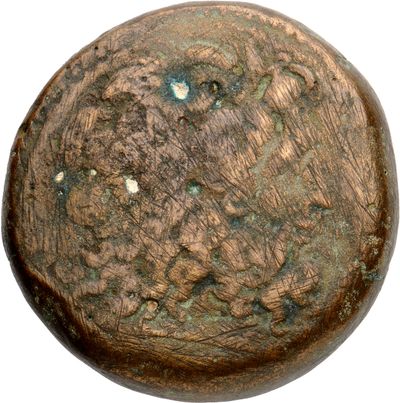
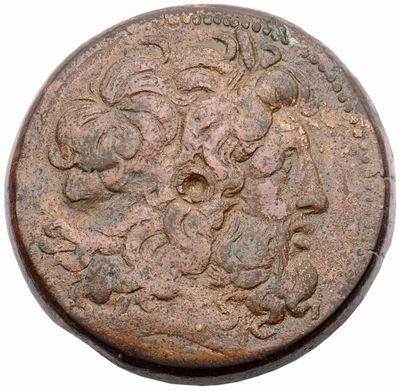
Alexandreia was the sole mint for Roman provincial coinage in Egypt from Augustus through Diocletian's reforms, producing a closed-currency system of tetradrachms and bronze denominations that circulated only within the province. This Egyptian coinage used the local dating system (regnal years of the emperor) rather than the Latin legends and titulature found on imperial issues, giving it a distinctive character. The silver (later billon) tetradrachms were struck on a lighter standard than imperial denarii and were not interchangeable with them, a deliberate monetary barrier at the Egyptian border. Bronze denominations ranged from large drachms down to small obols, many featuring uniquely Egyptian reverse types including Nile imagery, local deities (Sarapis, Isis, Harpocrates), and the zodiac series. The mint was extraordinarily prolific: Emmett's Alexandrian Coins catalogs thousands of types across the provincial period. After Diocletian's monetary reform of 294 AD, Alexandreia became a standard imperial mint with the mark ALE, producing coinage in the same style as other imperial mints. For collectors, the provincial Alexandrian series is a self-contained speciality with its own reference works, weight standards, and dating conventions, essentially a parallel numismatic world within the Roman empire.
Coin Types (210)
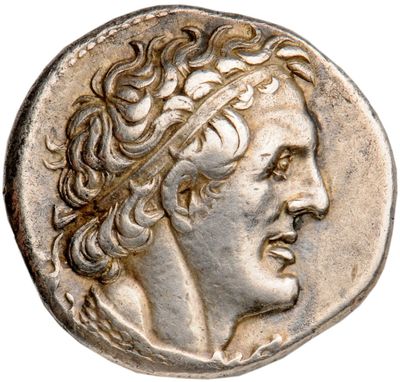
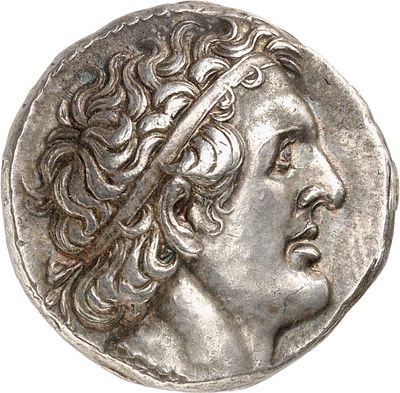
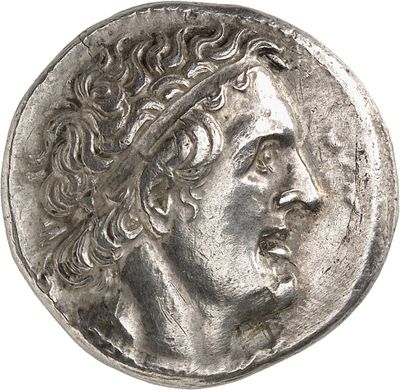
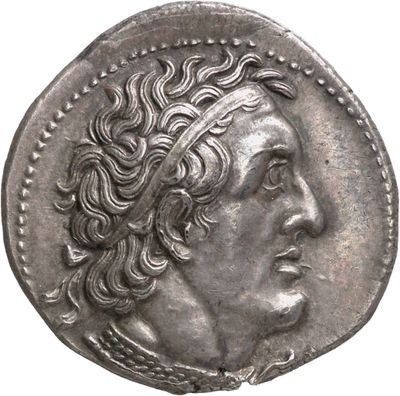
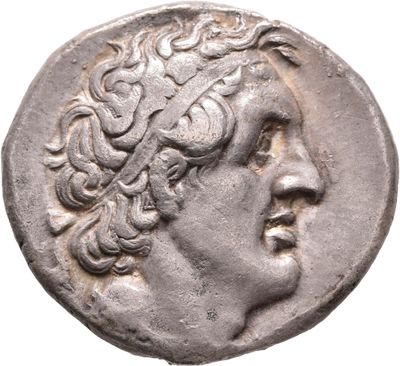


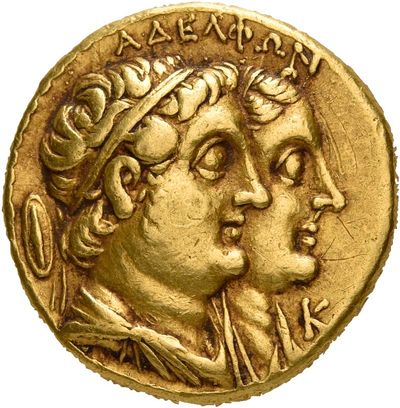
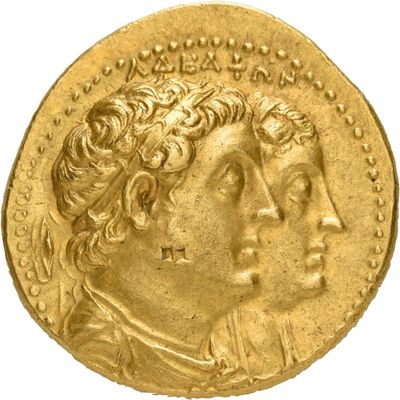

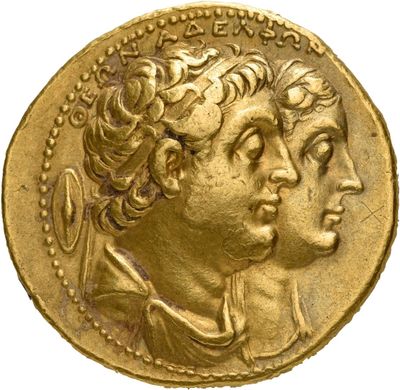





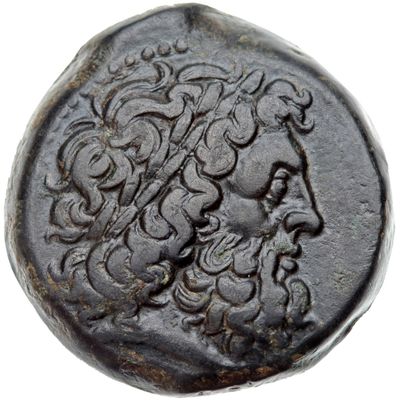
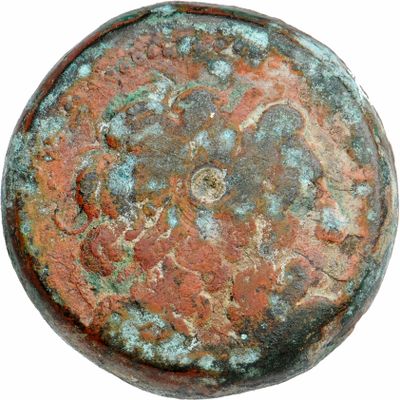
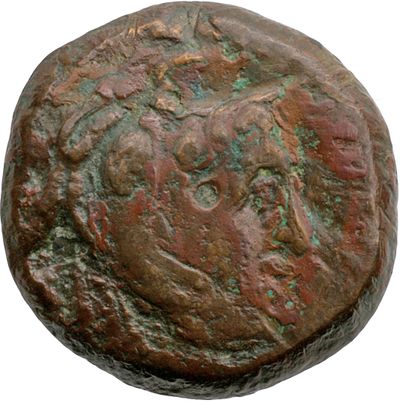
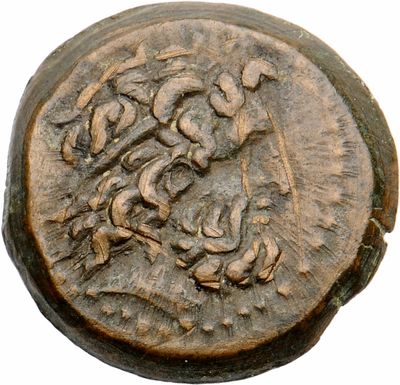
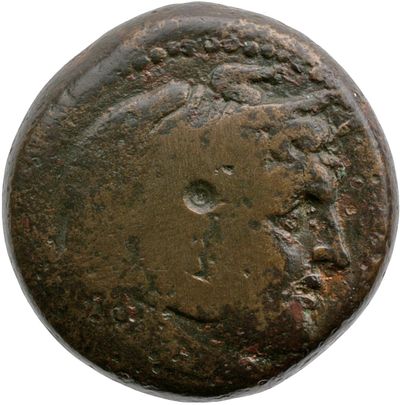

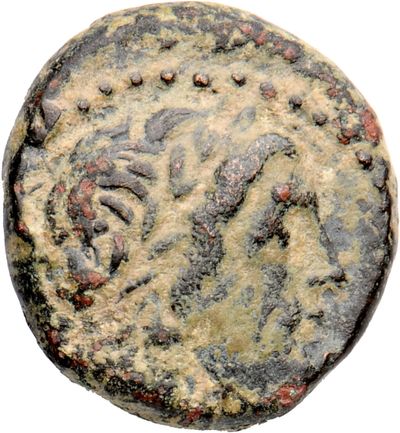
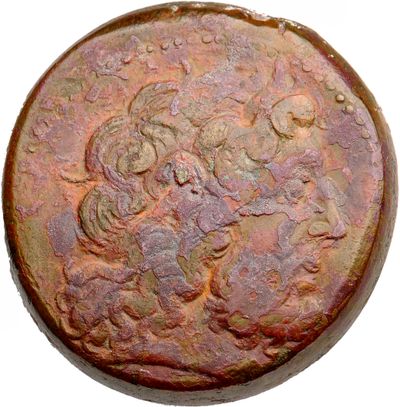
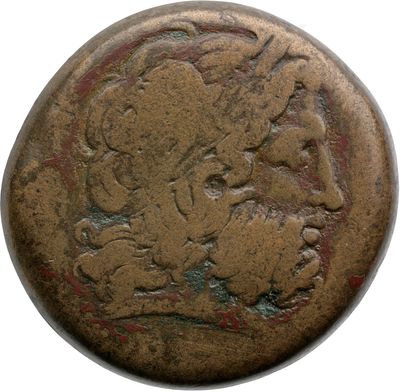





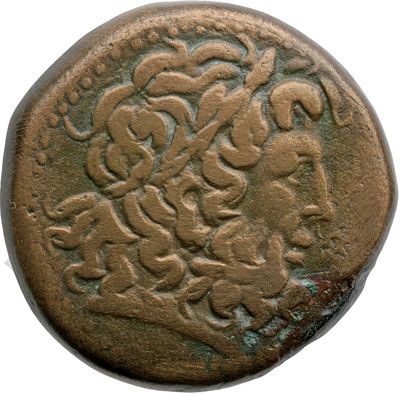
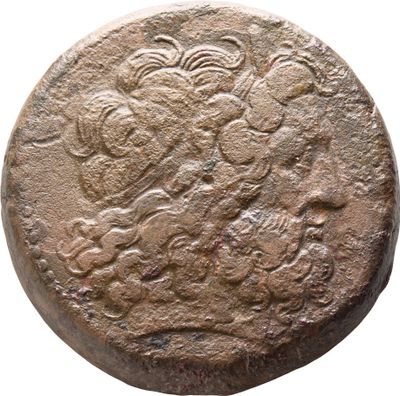
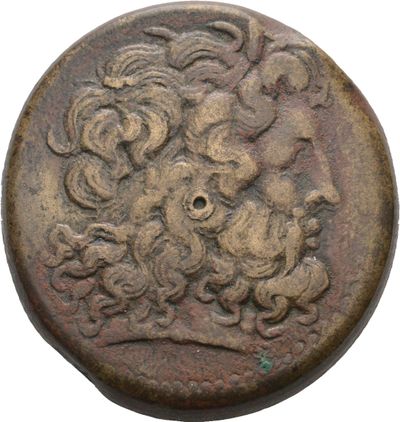
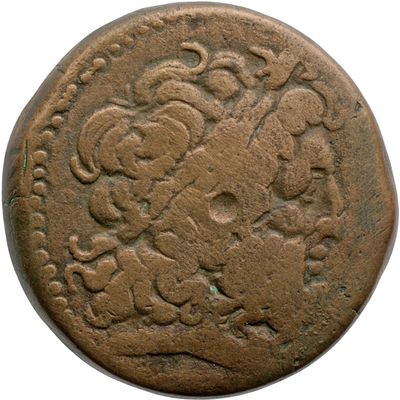
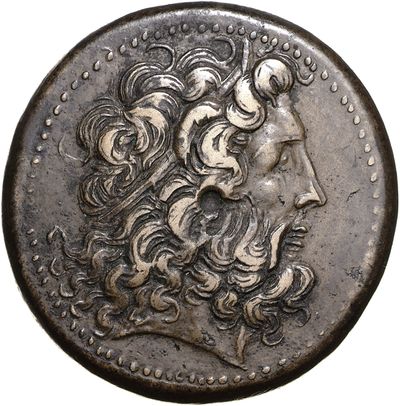
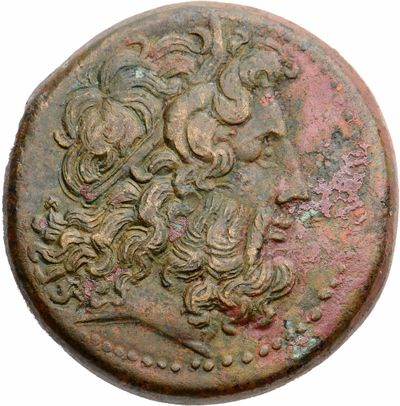
Showing 60 of 210 types
You’ve attributed it. Now catalogue it
Record the attribution, weight, provenance, and photographs in your own NumisLens cabinet, a private catalogue built for ancient coins. Free for your first 50 coins.
Start your cabinet