Constantinople Mint
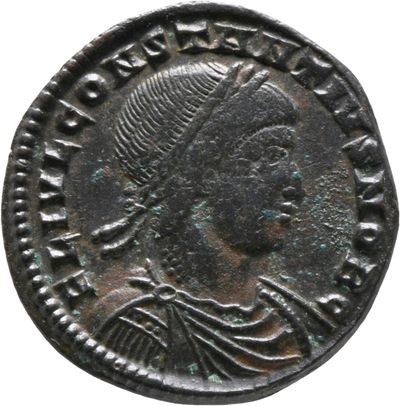
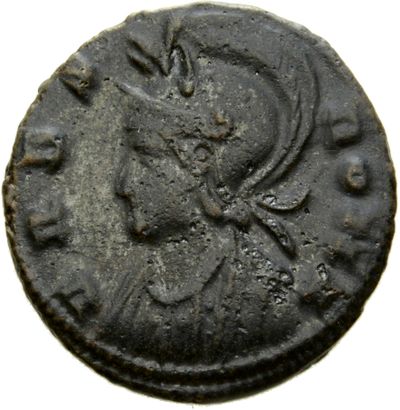
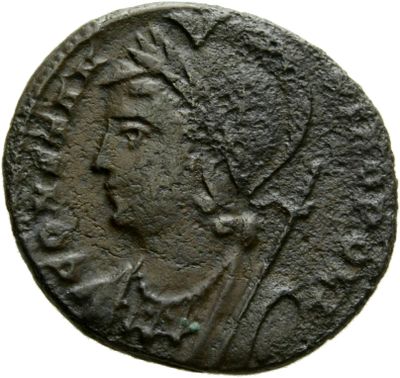
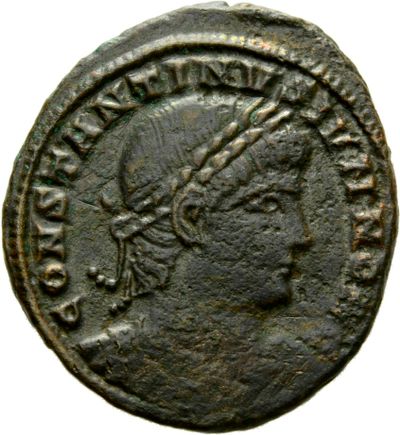
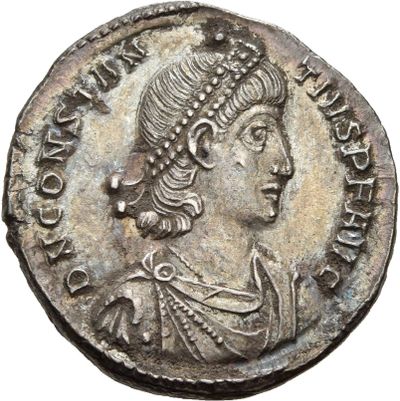
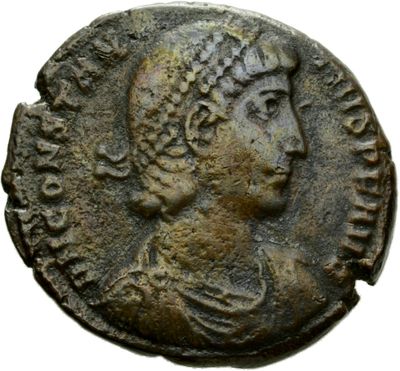
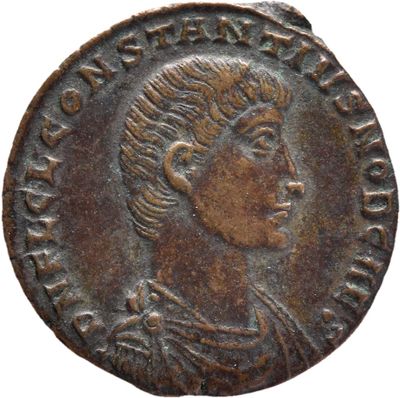
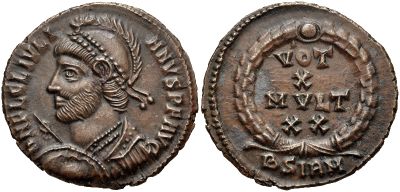
86 cataloged coin types across 2 rulers
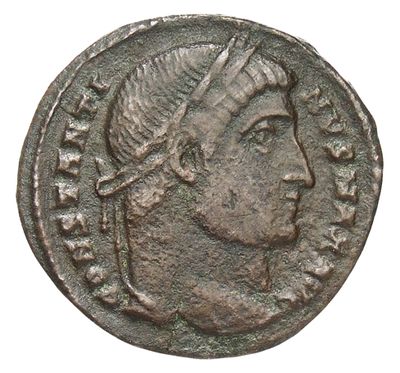
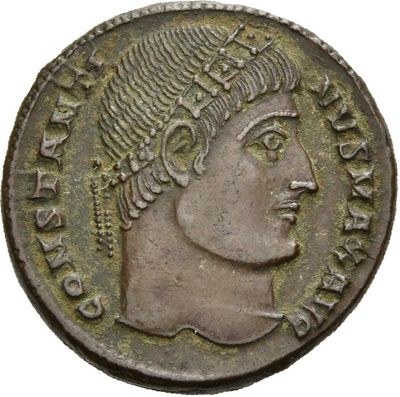
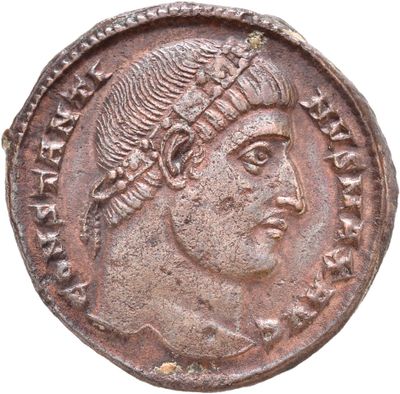
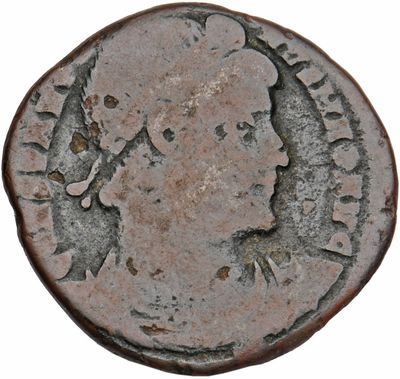
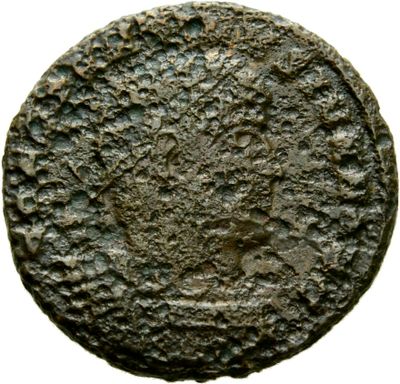
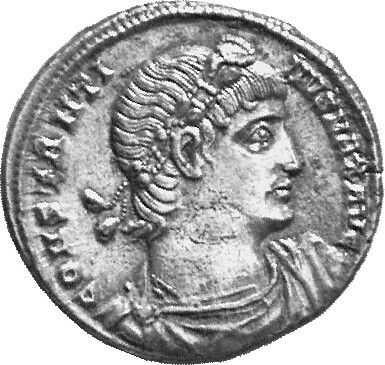
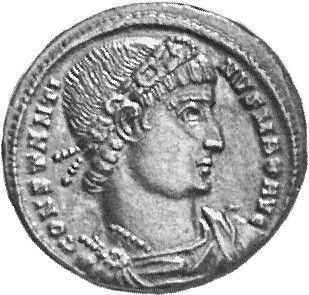
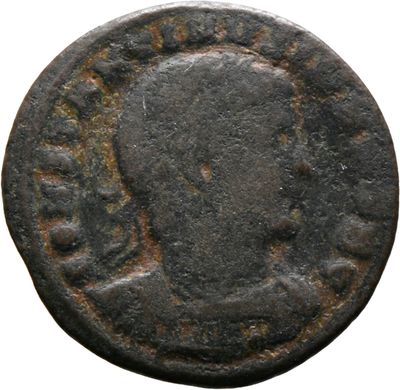
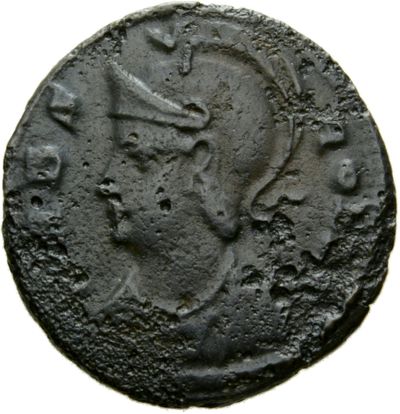
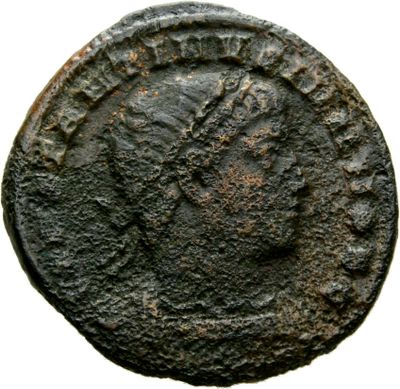
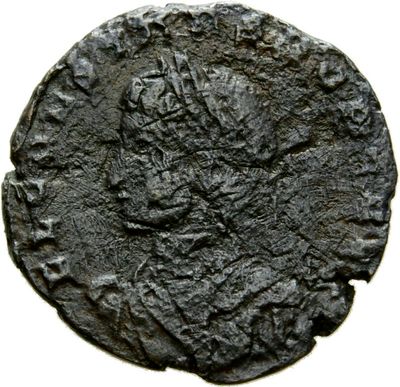
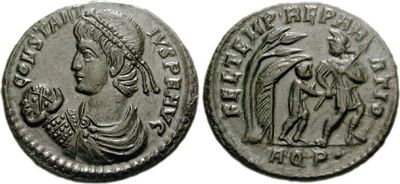
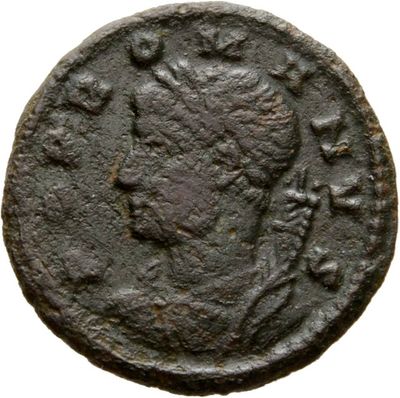
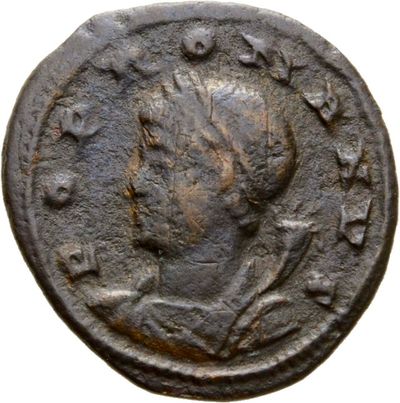
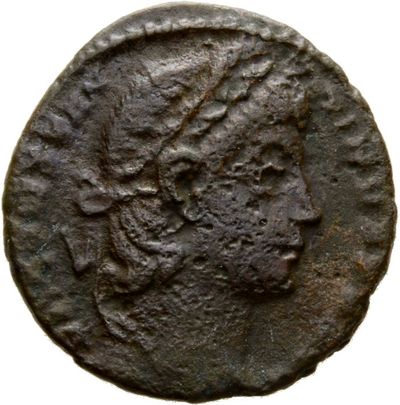
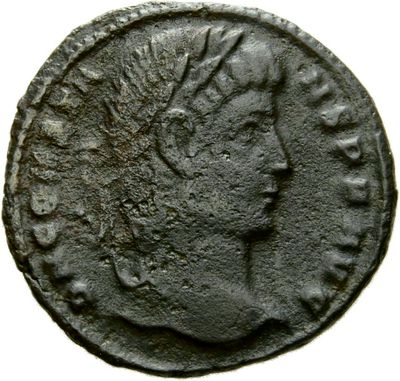
Constantinople (modern Istanbul) became the principal mint of the eastern Roman Empire after its foundation as the new capital by Constantine I in 330 AD. The mint grew rapidly in importance and by the fifth century had become the dominant source of gold solidi for the eastern empire, a role it maintained throughout the Byzantine period. Its mint mark, typically CONS or CON in the reverse exergue, is one of the most frequently encountered on late Roman coinage. Constantinople's gold coinage maintained the 4.5-gram solidus standard with remarkable consistency for centuries, and its output was enormous, the city's financial infrastructure supported the Byzantine state's military and administrative apparatus across the medieval Mediterranean. Bronze coinage from Constantinople includes the famous anonymous folles of the tenth and eleventh centuries and the large-module folles of Justinian I and his successors. For collectors, Constantinople issues span the full range from late Roman bronzes of the 330s through medieval Byzantine gold, an unbroken sequence of nearly a millennium. Late Roman issues are cataloged in RIC; Byzantine coinage follows DOC (Dumbarton Oaks Catalogue) and Sear's Byzantine Coins and Their Values. The transition from "Roman" to "Byzantine" at this mint is gradual and the coinage reflects it.
Coin Types (86)
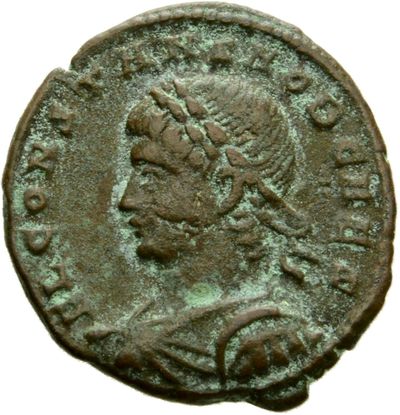
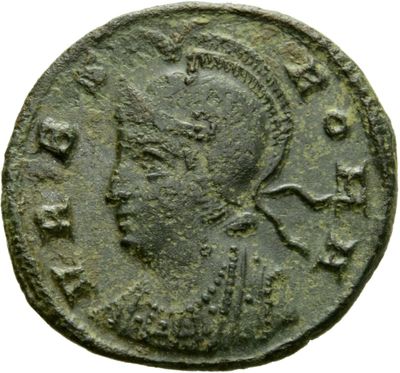


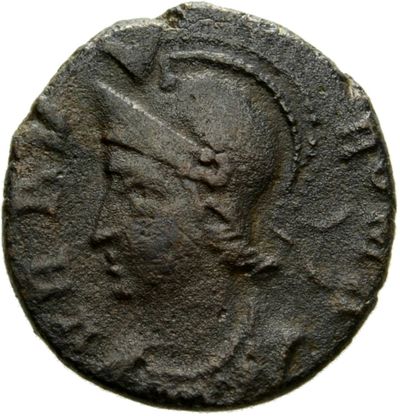
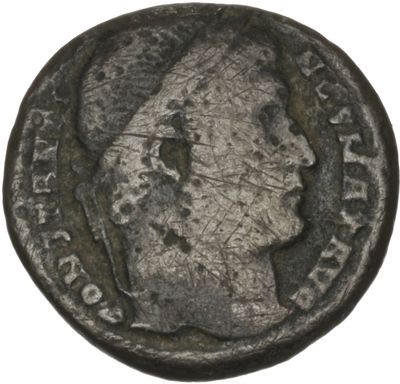






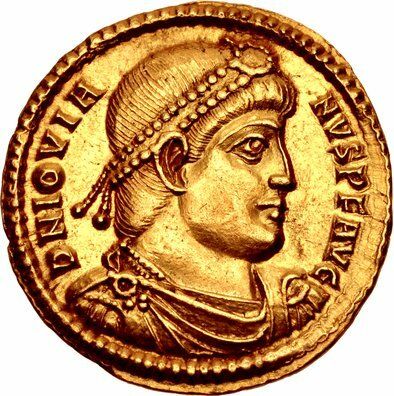
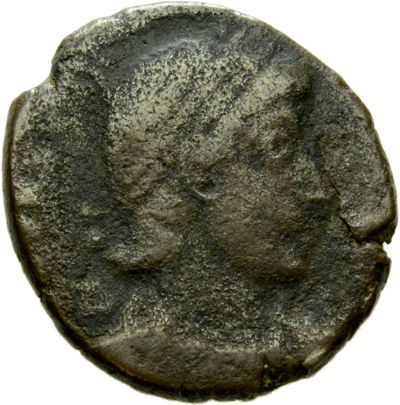

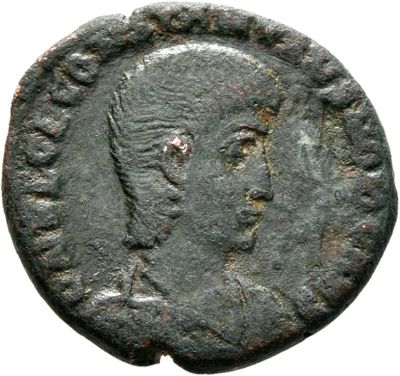


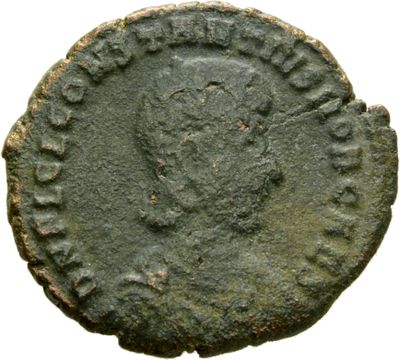
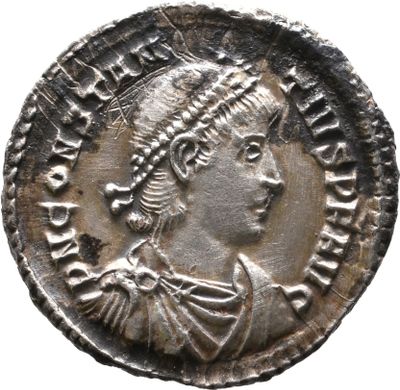
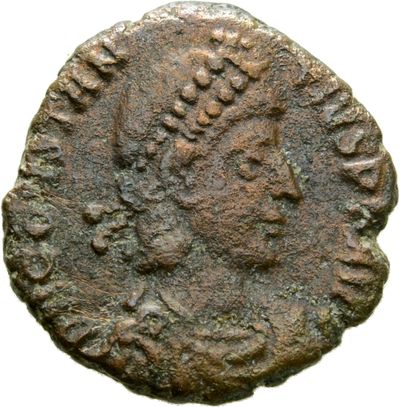

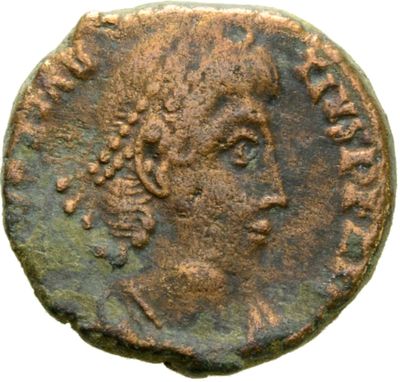
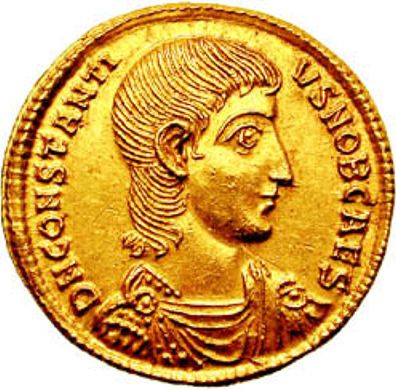

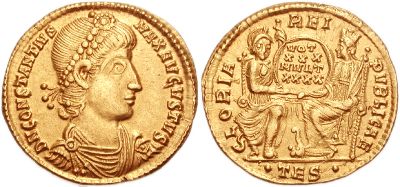
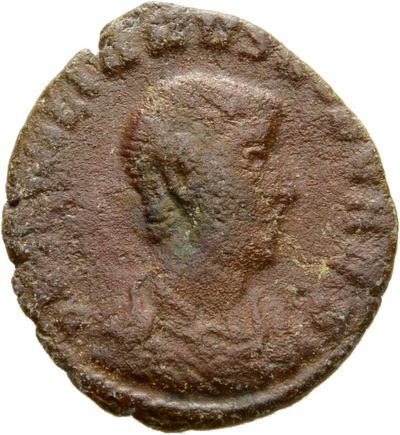
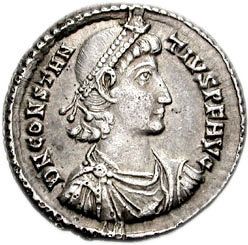
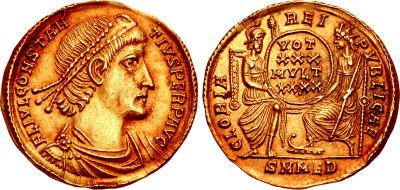

Showing 60 of 86 types
You’ve attributed it. Now catalogue it
Record the attribution, weight, provenance, and photographs in your own NumisLens cabinet, a private catalogue built for ancient coins. Free for your first 50 coins.
Start your cabinet