Solidus
183 cataloged coin types across 5 rulers
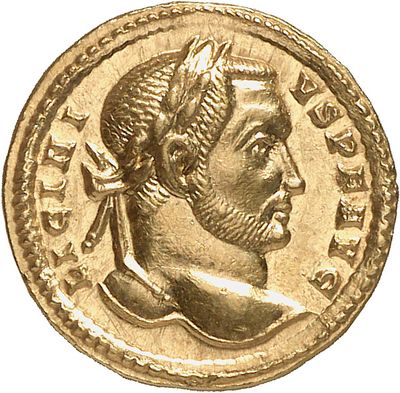
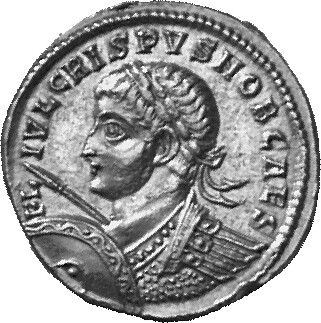
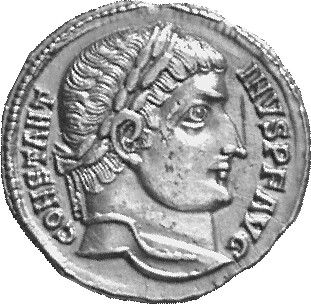
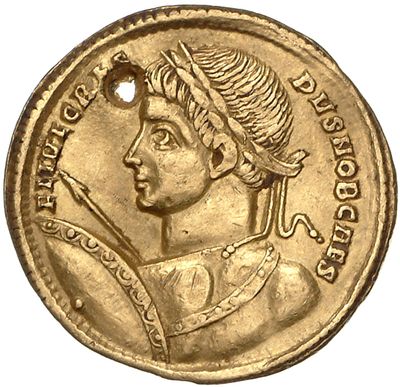
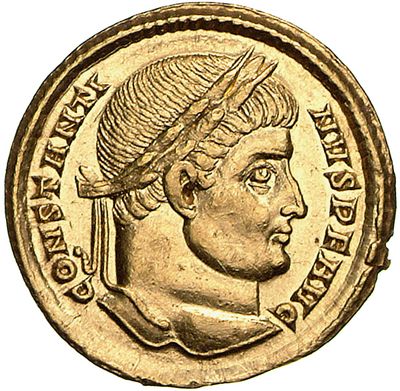
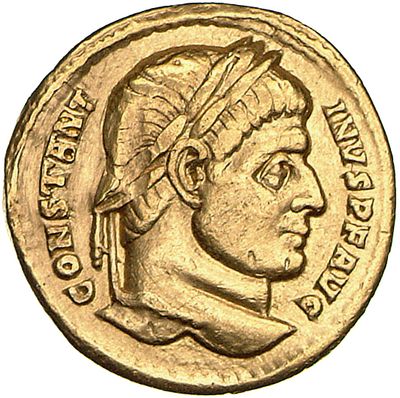
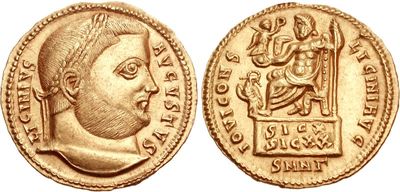
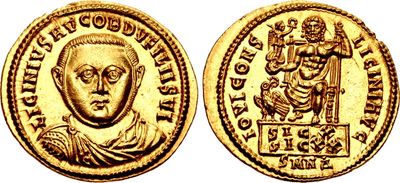
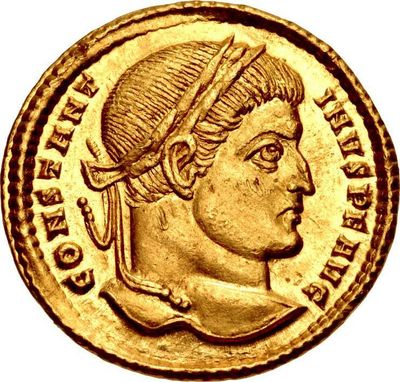
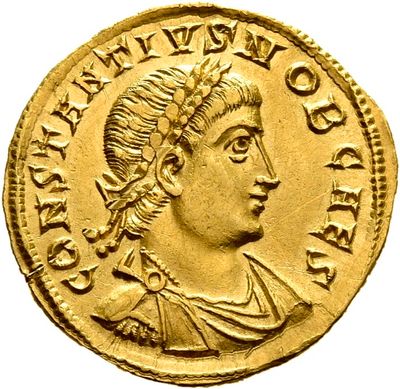
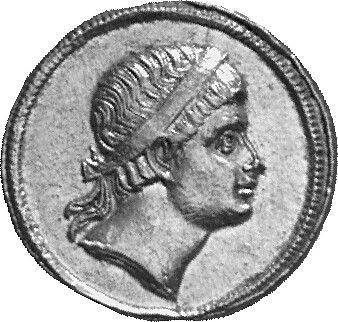
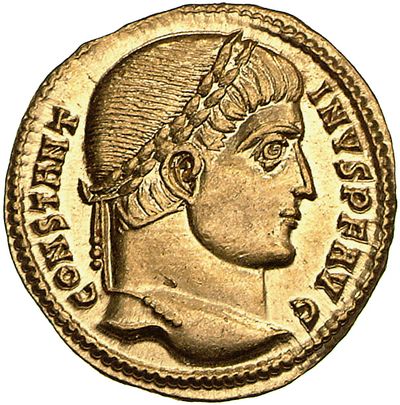
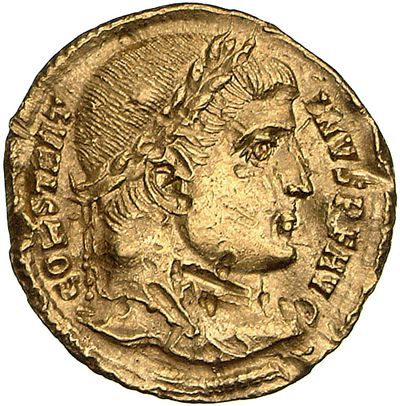
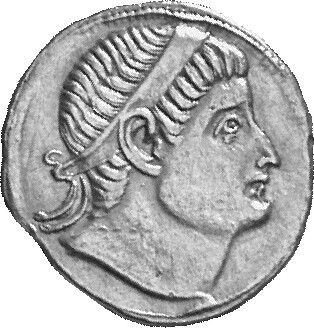
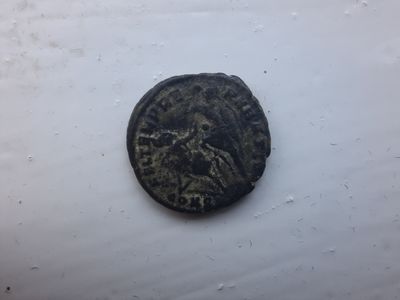
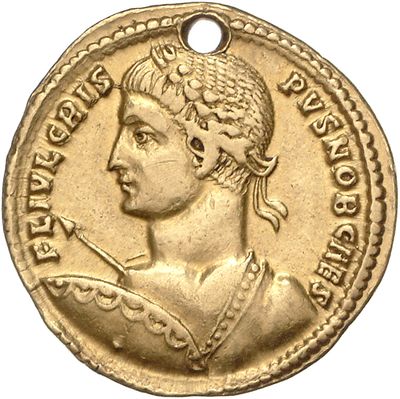
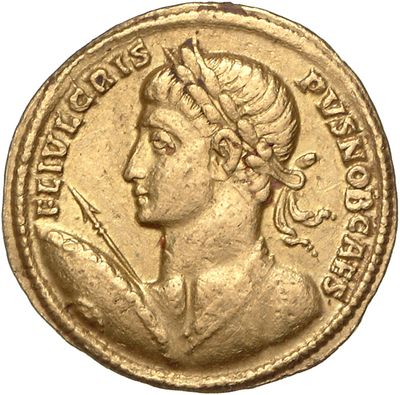
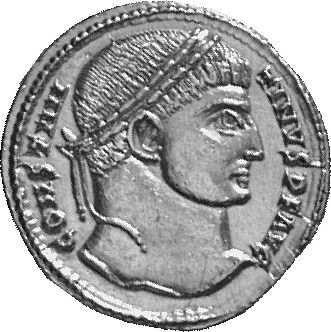
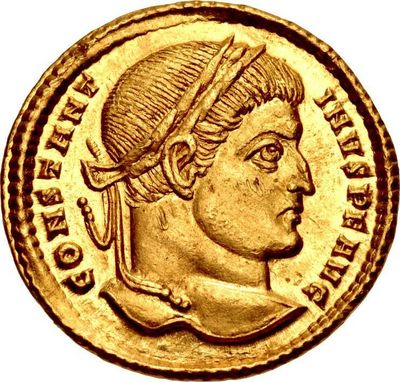
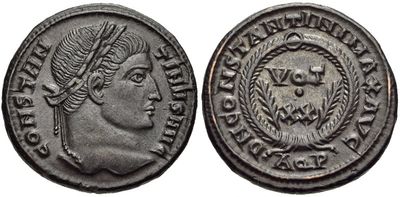
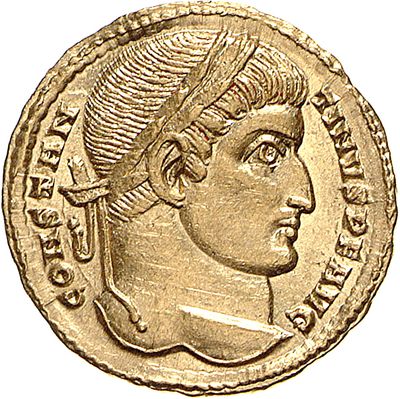
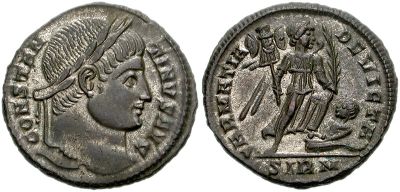
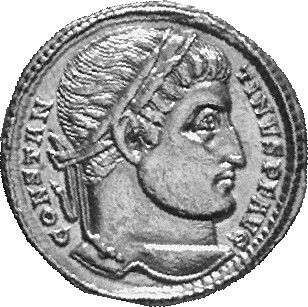
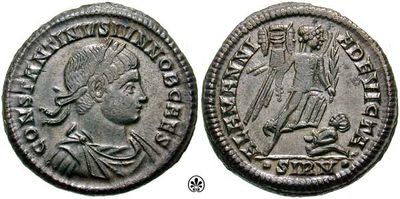
The solidus was the gold coin that anchored the late Roman and Byzantine monetary system for over seven centuries. Introduced by Constantine I around 309 AD at a weight of 4.5 grams (1/72 of a Roman pound), the solidus replaced the declining aureus and maintained its weight standard with remarkable consistency into the eleventh century. This stability made it the dominant trade currency of the medieval Mediterranean, the word "soldier" ultimately derives from "solidus," as it was the standard unit of military pay. The coin typically measures 20–22mm in diameter and was struck in high-purity gold. Early solidi bear Roman imperial portraits and traditional reverse types; as the series progresses into the Byzantine period, Christian imagery (facing portraits, the cross, Christ Pantocrator) becomes dominant. Standard references include RIC for Roman issues and DOC (Dumbarton Oaks Catalogue) and Sear's Byzantine Coins for later periods. Collectors distinguish between Roman solidi (Constantine I through Anastasius I) and Byzantine solidi (from Anastasius I onward), though the transition is monetary rather than numismatic, the coin itself remained essentially unchanged. Late Roman solidi of the fifth century, particularly those from Western Empire mints like Ravenna, are scarcer than Eastern issues.
Coin Types (183)
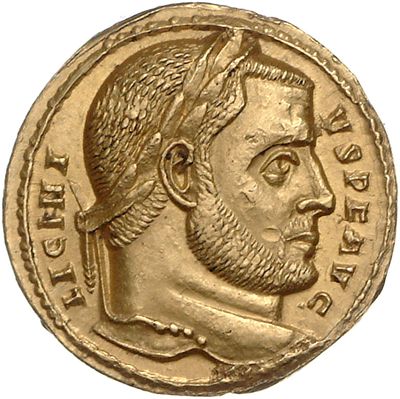
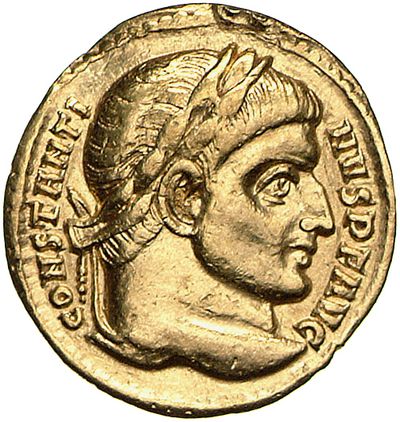
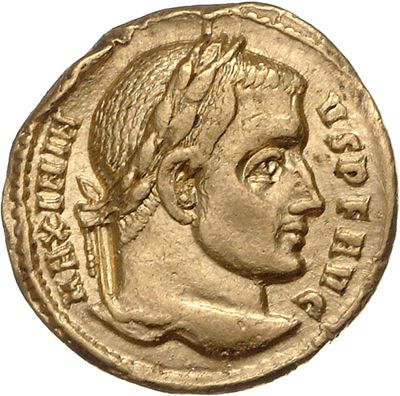


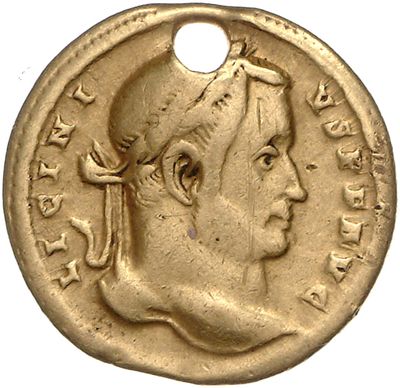






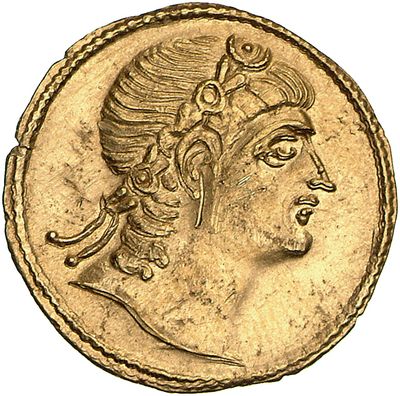


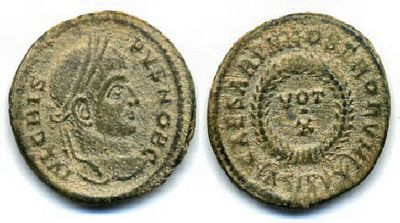
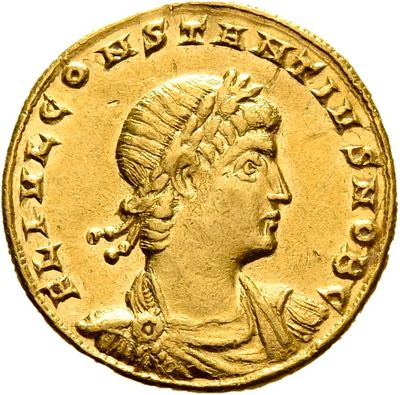
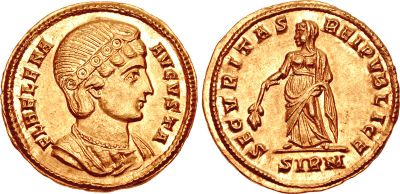

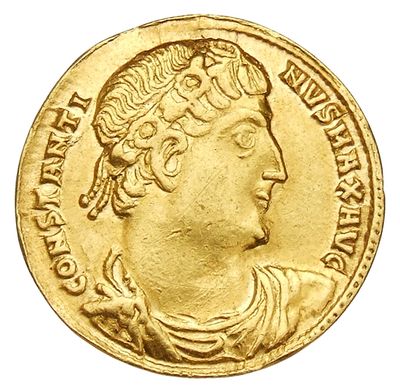
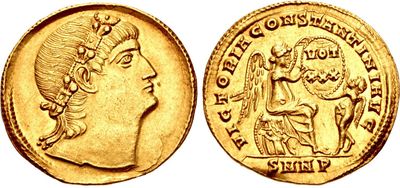
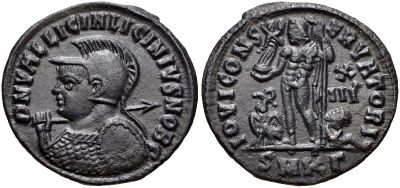


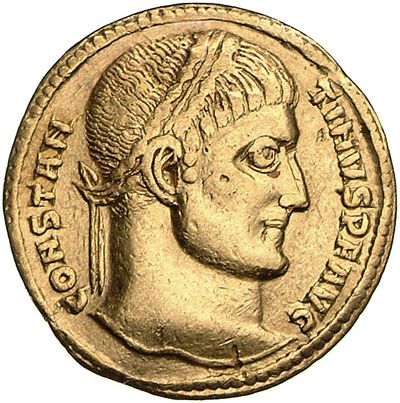



Showing 60 of 183 types
You’ve attributed it. Now catalogue it
Record the attribution, weight, provenance, and photographs in your own NumisLens cabinet, a private catalogue built for ancient coins. Free for your first 50 coins.
Start your cabinet