Constantine I AE2
RIC VII Siscia 180 · 321 AD-324 AD · Siscia
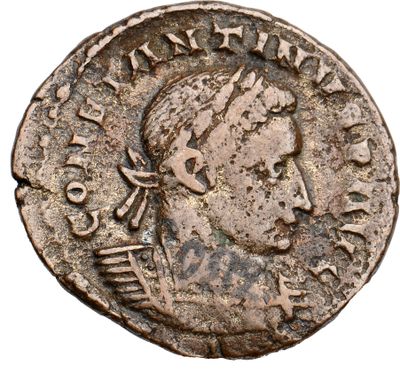
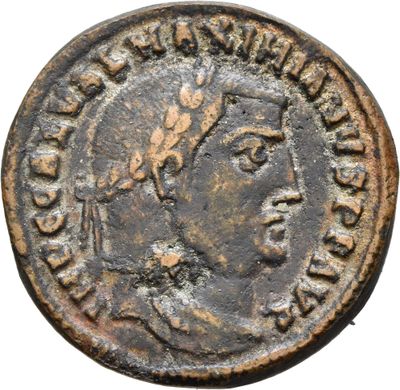
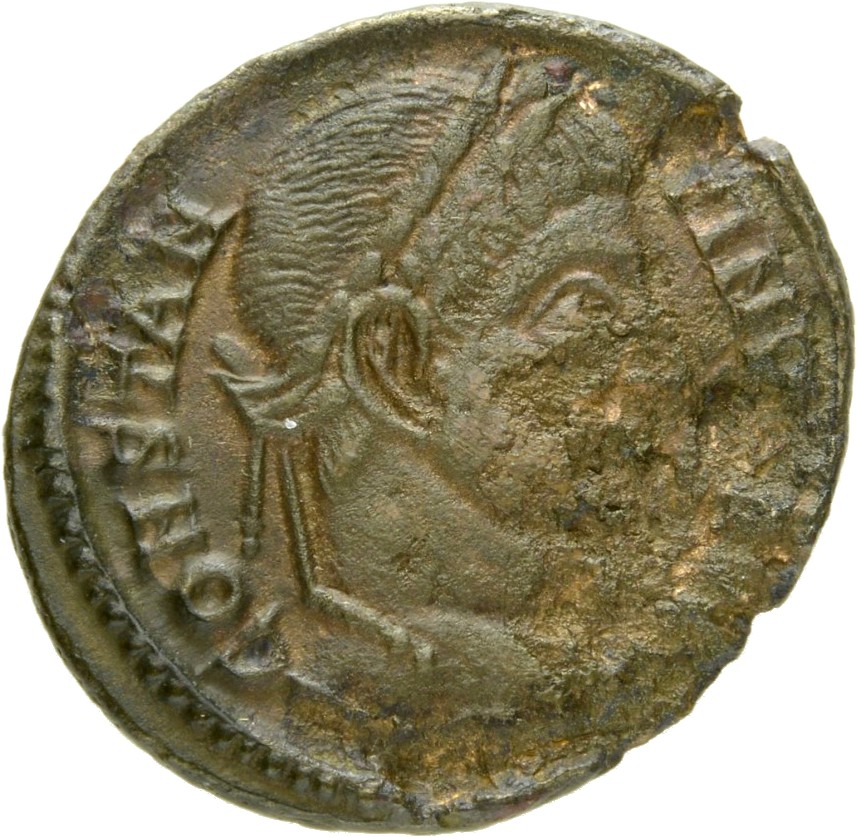 Obverse
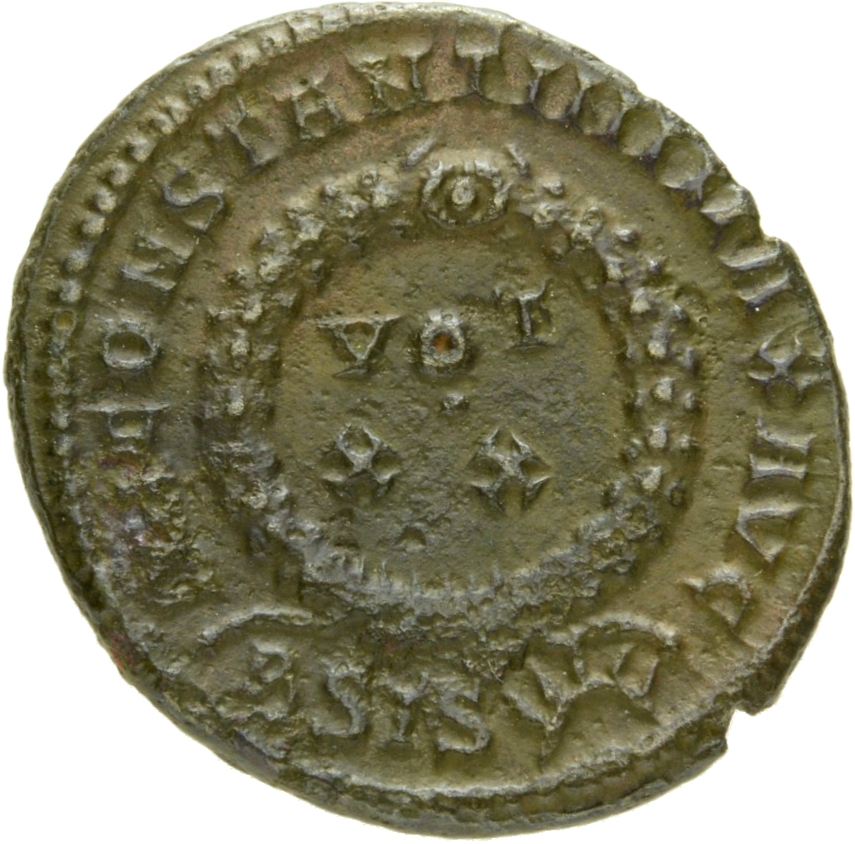 Reverse
Seminar für Alte Geschichte, Universität Freiburg
Obverse
CONSTAN-TINVS AVG or CONSTA-NTINVS AVG
Head of Constantine I, laureate, right
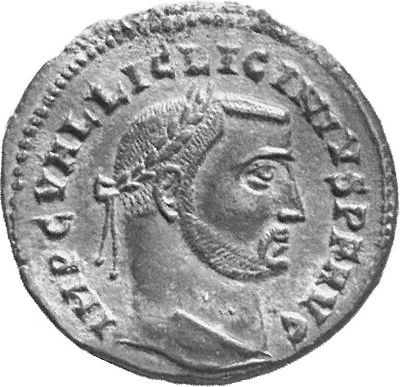
Reverse
D N CONSTANTINI MAX AVG
VOT/XX within a laurel wreath
About This Type
This RIC VII Siscia 180 is an ae2 of Constantine I (321 AD-324 AD), struck at the Siscia mint. The reverse depicts VOT/XX within a laurel wreath. Struck in bronze at a standard weight of 3.15g, 19mm diameter.
About the AE2
AE2 is a modern size classification for late Roman bronze coins measuring 21–25mm in diameter. This class includes the reduced folles and nummi of the Constantinian and Valentinianic periods. The classification is widely used in RIC and dealer catalogs when the ancient denomination name is debated.
About the Siscia Mint
Siscia (modern Sisak, Croatia) was a major late Roman mint, operating from the late third century through the late fourth century. It produced large quantities of bronze coinage for the Danube frontier region.
Frequently Asked Questions
- What is RIC VII Siscia 180?
- RIC VII Siscia 180 is a Bronze AE2 of Constantine I (321 AD-324 AD) struck at the Siscia mint cataloged under RIC no. RIC VII Siscia 180.
- How do you identify RIC VII Siscia 180?
- The obverse depicts Head of Constantine I, laureate, right with the inscription CONSTAN-TINVS AVG or CONSTA-NTINVS AVG. The reverse depicts VOT/XX within a laurel wreath with the inscription D N CONSTANTINI MAX AVG. Portrait type: laureate.
- What are the physical specifications of RIC VII Siscia 180?
- RIC VII Siscia 180 was struck in Bronze, standard weight 3.15g, diameter 19mm, die axis 6 h, struck.
More types of Constantine I

More types from Siscia

More AE2 types


You’ve attributed it. Now catalogue it
Record the attribution, weight, provenance, and photographs in your own NumisLens cabinet, a private catalogue built for ancient coins. Free for your first 50 coins.
Start your cabinet