Septimius Severus Denarius, Apollo reverse
RIC IV Septimius Severus 345 · 193 AD-195 AD · Alexandreia Egypt
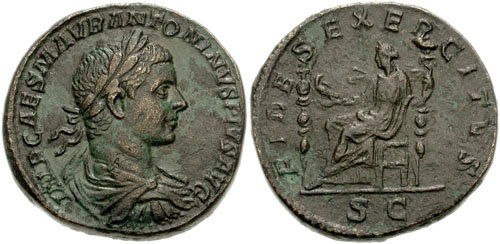 Obverse
CNG, CC-BY-SA-2.5, via Wikimedia Commons
Obverse
IMP CAE L SEP SEV PERT AVG
Head of Septimius Severus, laureate, right
Reverse
APOLLINI AVGVSTO
Apollo, wearing long robe to feet, standing left, holding patera in extended right hand and lyre in left hand
About This Type
This RIC IV Septimius Severus 345 is a denarius of Septimius Severus (193 AD-195 AD), struck at the Alexandreia Egypt mint. The reverse depicts Apollo, wearing long robe to feet, standing left, holding patera in extended right hand and lyre in left hand.
About the Denarius
The denarius was the standard Roman silver coin, struck from around 211 BC through the mid-third century AD. It typically weighs 3.5–4.0 grams and measures 17–20mm. Republican issues are cataloged under Crawford (RRC); imperial issues follow RIC volumes by ruler.
About the Alexandreia Egypt Mint
Alexandreia was the sole mint for Roman provincial coinage in Egypt, producing a distinctive series of tetradrachms and bronze denominations from Augustus through Diocletian. Its coinage used the Egyptian dating system rather than Latin legends.
Frequently Asked Questions
- What is RIC IV Septimius Severus 345?
- RIC IV Septimius Severus 345 is a Silver Denarius of Septimius Severus (193 AD-195 AD) struck at the Alexandreia Egypt mint cataloged under RIC vol. IV no. IV Septimius Severus 345.
- How do you identify RIC IV Septimius Severus 345?
- The obverse depicts Head of Septimius Severus, laureate, right with the inscription IMP CAE L SEP SEV PERT AVG. The reverse depicts Apollo, wearing long robe to feet, standing left, holding patera in extended right hand and lyre in left hand with the inscription APOLLINI AVGVSTO. Portrait type: laureate.
More types of Septimius Severus




More types from Alexandreia Egypt


More Denarius types
.aug.100/d3acd9be1ba7e115_obverse.jpg?width=400&resize=contain)
.aug.105A/9cef552c13fc73bc_obverse.jpg?width=400&resize=contain)
.aug.105B/139c38abbaf5d68d_obverse.jpg?width=400&resize=contain)
.aug.108A/ac230fbb641c7b64_obverse.jpg?width=400&resize=contain)
.aug.108B/d50d969a41fa1e60_obverse.jpg?width=400&resize=contain)
.aug.110/07c39abe7cb94ba8_obverse.jpg?width=400&resize=contain)
.aug.115/09b1c784123b91ab_obverse.jpg?width=400&resize=contain)
.aug.117/8673511801147e46_obverse.jpg?width=400&resize=contain)
You’ve attributed it. Now catalogue it
Record the attribution, weight, provenance, and photographs in your own NumisLens cabinet, a private catalogue built for ancient coins. Free for your first 50 coins.
Start your cabinet