Constantine I AE4, Bridge reverse
RIC VIII Constantinople 21 · 330 AD · Constantinople
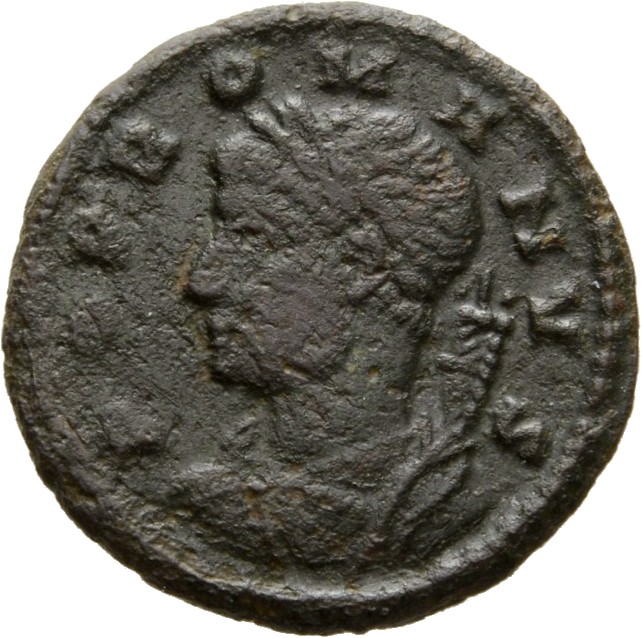 Obverse
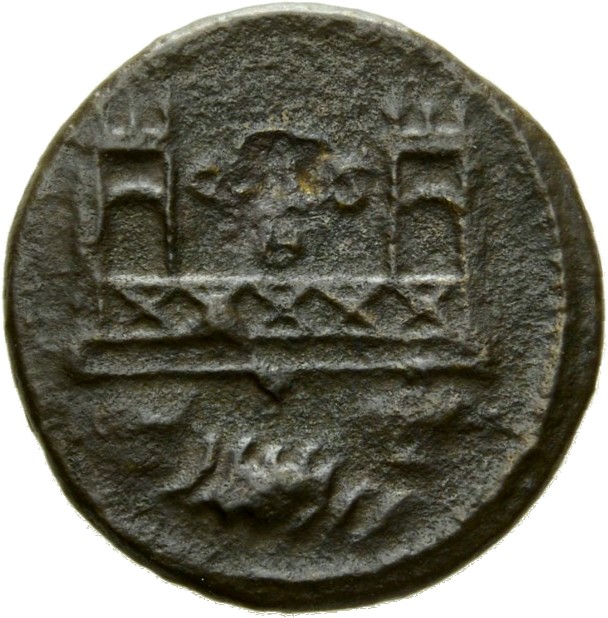 Reverse
Seminar für Alte Geschichte, Universität Freiburg
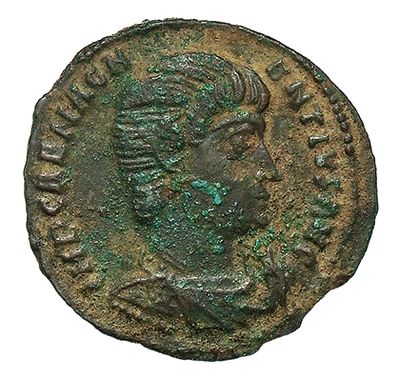
Obverse
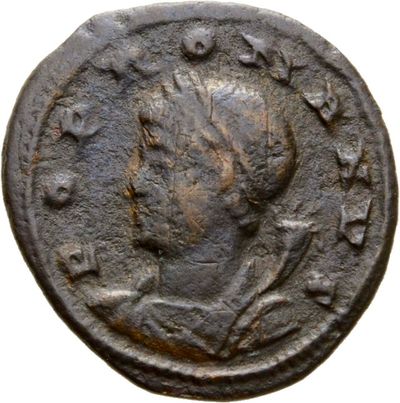
POP ROMANVS
Bust of the Genius of the People of Rome, laureate, draped, left, holding cornucopiae on left shoulder
Reverse
Bridge over a river
About This Type
This RIC VIII Constantinople 21 is an ae4 of Constantine I (330 AD), struck at the Constantinople mint. The reverse depicts Bridge over a river. Struck in bronze at a standard weight of 1.4g, 15mm diameter.
About the AE4
AE4 is a modern size classification for the smallest late Roman bronze coins, under 17mm in diameter. These tiny coins were the small change of the late fourth and fifth centuries, often barely legible due to their size.
About the Constantinople Mint
Constantinople (modern Istanbul) became the principal mint of the eastern Roman Empire after its foundation in 330 AD. It remained the dominant mint for gold coinage throughout the Byzantine period.
Frequently Asked Questions
- What is RIC VIII Constantinople 21?
- RIC VIII Constantinople 21 is a Bronze AE4 of Constantine I (330 AD) struck at the Constantinople mint cataloged under RIC no. RIC VIII Constantinople 21.
- How do you identify RIC VIII Constantinople 21?
- The obverse depicts Bust of the Genius of the People of Rome, laureate, draped, left, holding cornucopiae on left shoulder with the inscription POP ROMANVS. The reverse depicts Bridge over a river. Portrait type: laureate.
- What are the physical specifications of RIC VIII Constantinople 21?
- RIC VIII Constantinople 21 was struck in Bronze, standard weight 1.4g, diameter 15mm, die axis 6 h, struck.
More types of Constantine I

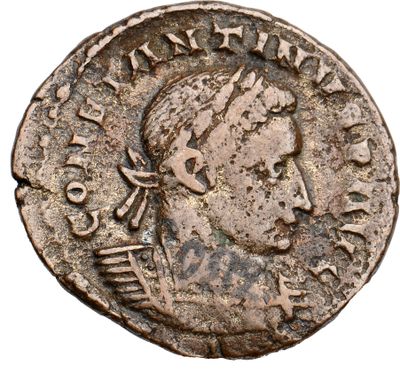
More types from Constantinople
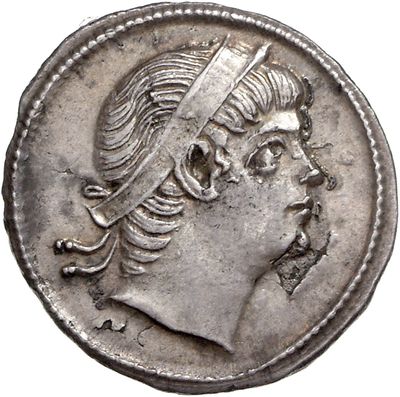
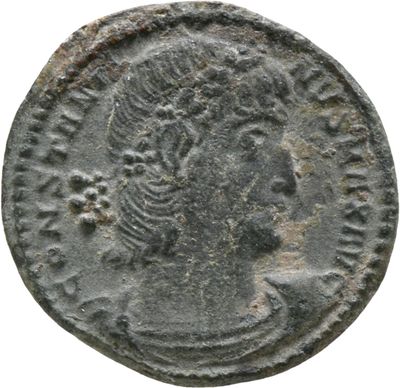
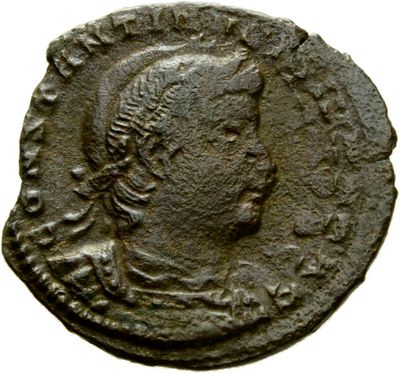


More AE4 types
You’ve attributed it. Now catalogue it
Record the attribution, weight, provenance, and photographs in your own NumisLens cabinet, a private catalogue built for ancient coins. Free for your first 50 coins.
Start your cabinet