Constantine I Solidus, Constantine reverse
RIC VII Nicomedia 66 · 324 AD · Nicomedia
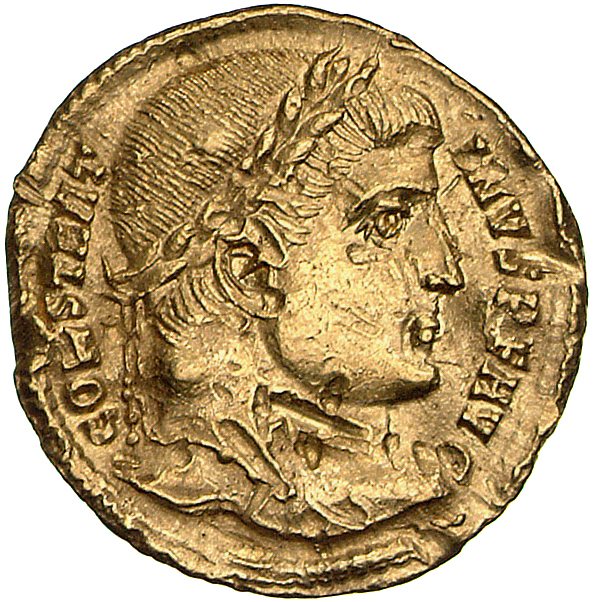 Obverse
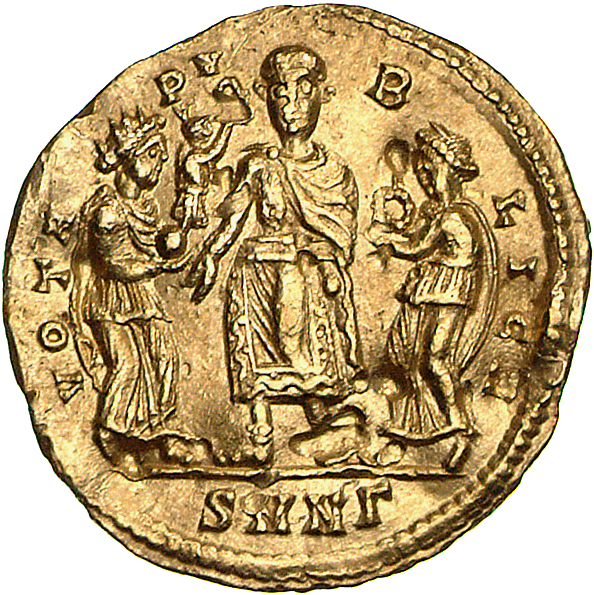 Reverse
Münzkabinett, Staatliche Museen zu Berlin
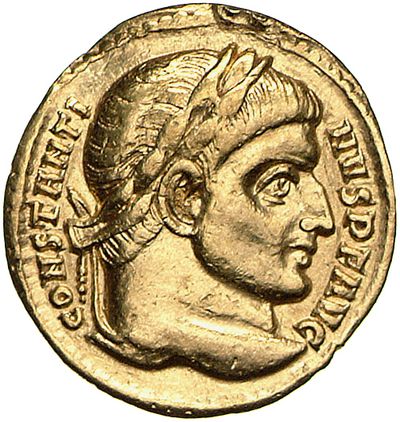
Obverse
CONSTAN-TINVS P F AVG
Head of Constantine I, laureate, right
Reverse
VOTA - PV-B-LICA
Constantine I, wearing tunica, standing front; to left, Respublica, turreted, standing right, offering Victory on globe; to right, Pax, standing left, offering wreath
About This Type
This RIC VII Nicomedia 66 is a solidus of Constantine I (324 AD), struck at the Nicomedia mint. The reverse depicts Constantine I, wearing tunica, standing front; to left, Respublica, turreted, standing right, offering Victory on globe; to right, Pax, standing left, offering wreath. Struck in gold at a standard weight of 4.46g, 19mm diameter.
About the Solidus
The solidus was the gold coin of the late Roman and Byzantine empires, introduced by Constantine I around 309 AD at 4.5 grams. It maintained its weight standard for over seven centuries, making it one of the most stable currencies in history.
About the Nicomedia Mint
Nicomedia (modern Izmit, Turkey) served as an eastern imperial mint from Diocletian's reform onward. It was particularly important under the Tetrarchy when Nicomedia served as a capital.
Frequently Asked Questions
- What is RIC VII Nicomedia 66?
- RIC VII Nicomedia 66 is a Gold Solidus of Constantine I (324 AD) struck at the Nicomedia mint cataloged under RIC no. RIC VII Nicomedia 66.
- How do you identify RIC VII Nicomedia 66?
- The obverse depicts Head of Constantine I, laureate, right with the inscription CONSTAN-TINVS P F AVG. The reverse depicts Constantine I, wearing tunica, standing front; to left, Respublica, turreted, standing right, offering Victory on globe; to right, Pax, standing left, offering wreath with the inscription VOTA - PV-B-LICA. Portrait type: laureate.
- What are the physical specifications of RIC VII Nicomedia 66?
- RIC VII Nicomedia 66 was struck in Gold, standard weight 4.46g, diameter 19mm, die axis 12 h, struck.
More types of Constantine I
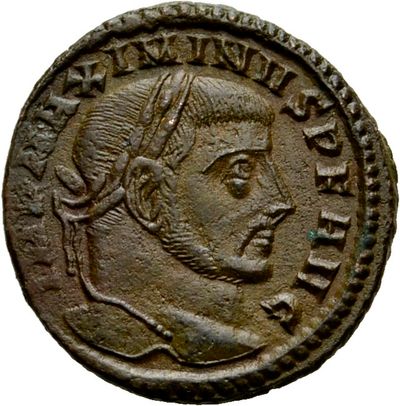

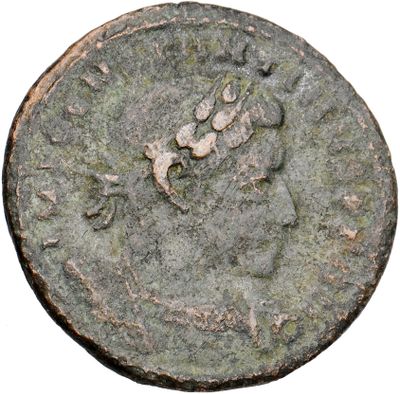
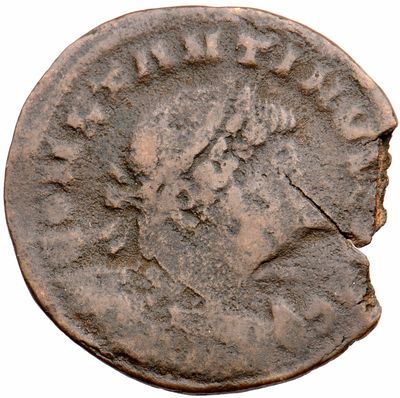
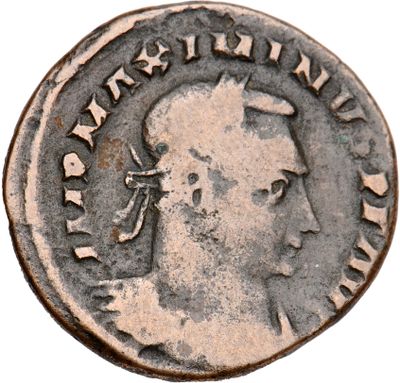
More types from Nicomedia

More Solidus types




You’ve attributed it. Now catalogue it
Record the attribution, weight, provenance, and photographs in your own NumisLens cabinet, a private catalogue built for ancient coins. Free for your first 50 coins.
Start your cabinet