Carus Antoninianus, Carinus reverse
RIC V Carus 198 · 282 AD-283 AD · Siscia
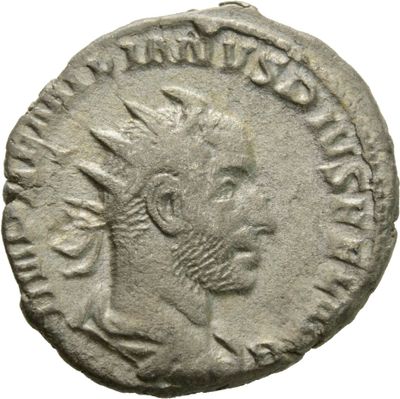
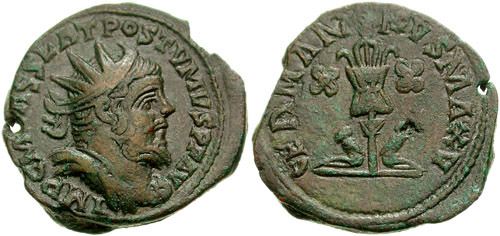 Obverse
Classical Numismatic Group, CC-BY-SA-2.5, via Wikimedia Commons
Obverse
M AVR CARINVS NOB CAES
Bust of Carinus, radiate, cuirassed, right, sometimes seen from behind, holding shield
Reverse
PRINCIPI IVVENT
Carinus, draped, cuirassed, standing left, holding baton; to right, two ensigns
About This Type
This RIC V Carus 198 is an antoninianus of Carus (282 AD-283 AD), struck at the Siscia mint. The reverse depicts Carinus, draped, cuirassed, standing left, holding baton; to right, two ensigns.
About the Antoninianus
The antoninianus (also called the radiate or double-denarius) was introduced by Caracalla in 215 AD. Identified by the radiate crown on the emperor's portrait, it was nominally worth two denarii. The denomination underwent severe debasement during the third-century crisis, becoming essentially bronze by the 260s.
About the Siscia Mint
Siscia (modern Sisak, Croatia) was a major late Roman mint, operating from the late third century through the late fourth century. It produced large quantities of bronze coinage for the Danube frontier region.
Frequently Asked Questions
- What is RIC V Carus 198?
- RIC V Carus 198 is a Silver Antoninianus of Carus (282 AD-283 AD) struck at the Siscia mint cataloged under RIC no. RIC V Carus 198.
- How do you identify RIC V Carus 198?
- The obverse depicts Bust of Carinus, radiate, cuirassed, right, sometimes seen from behind, holding shield with the inscription M AVR CARINVS NOB CAES. The reverse depicts Carinus, draped, cuirassed, standing left, holding baton; to right, two ensigns with the inscription PRINCIPI IVVENT. Portrait type: radiate.
More types of Carus


More types from Siscia

More Antoninianus types



You’ve attributed it. Now catalogue it
Record the attribution, weight, provenance, and photographs in your own NumisLens cabinet, a private catalogue built for ancient coins. Free for your first 50 coins.
Start your cabinet