Antoninianus
1,923 cataloged coin types across 42 rulers
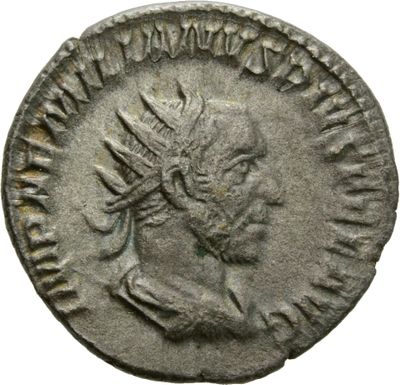
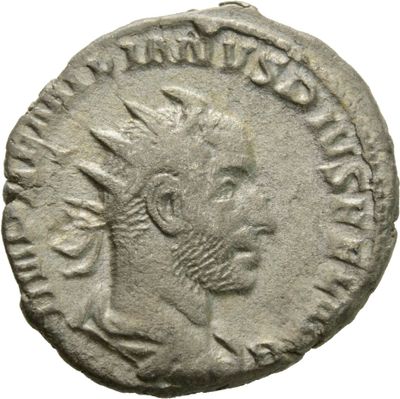
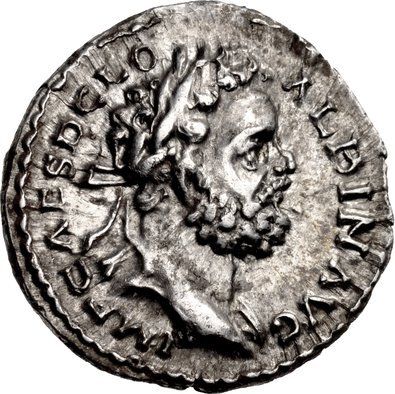
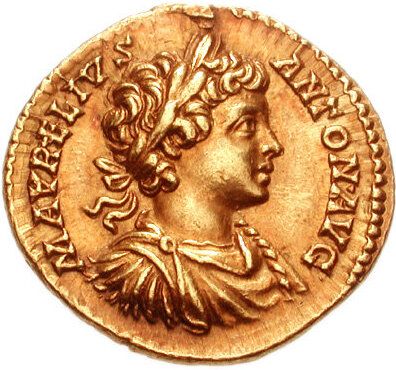
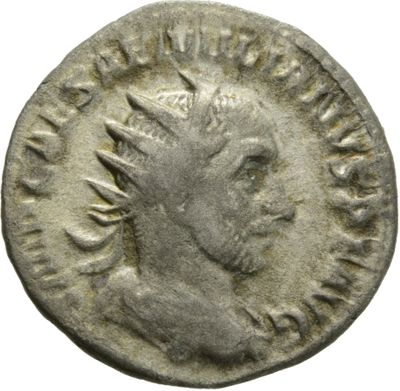
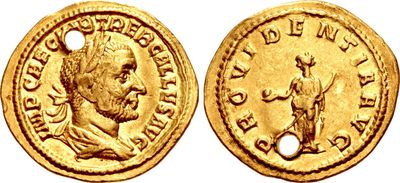
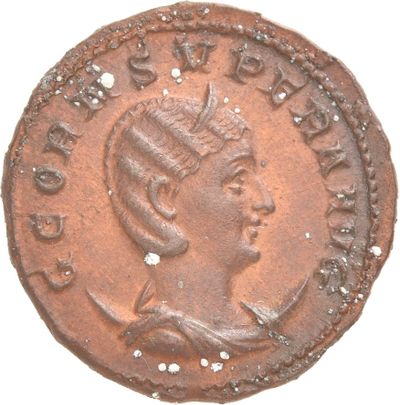
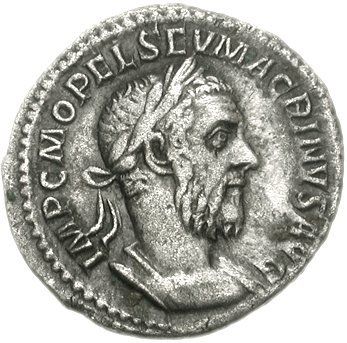
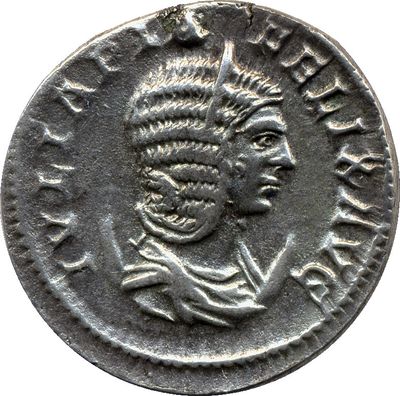
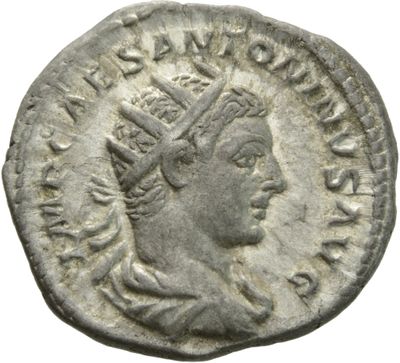
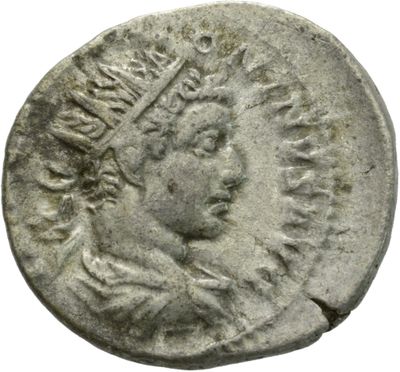
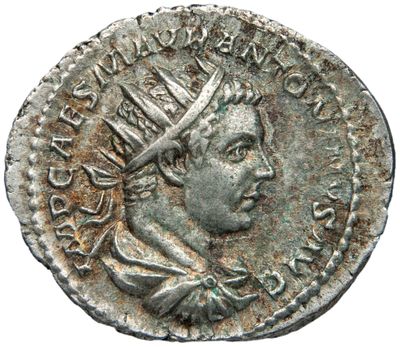
The antoninianus (also called the "radiate" or "double denarius") was introduced by Caracalla in 215 AD and became the dominant silver denomination of the third century. It was distinguished from the denarius by the radiate crown worn by the emperor on the obverse (a solar-ray crown versus the laurel wreath of the denarius) and was nominally worth two denarii, though it never contained twice the silver. Initially struck at about 5 grams with reasonable silver content, the antoninianus underwent catastrophic debasement during the third-century crisis: by the reign of Gallienus in the 260s, coins were effectively bronze with a thin silver wash that often wore away entirely. Despite this debasement, the antoninianus carried the Roman monetary system through decades of political chaos and civil war. The denomination was produced in enormous quantities across numerous mints, making third-century antoniniani among the most abundant and affordable ancient coins. Diocletian's monetary reform of 294 AD retired the antoninianus in favour of new denominations. Key references are RIC V (parts 1 and 2) and Goebl's MIR series. The radiate portrait makes the denomination instantly recognisable, and the huge variety of reverse types (legionary, religious, commemorative) makes it popular with type collectors.
Coin Types (1,923)














Showing 60 of 1,923 types
You’ve attributed it. Now catalogue it
Record the attribution, weight, provenance, and photographs in your own NumisLens cabinet, a private catalogue built for ancient coins. Free for your first 50 coins.
Start your cabinet