Philip The Arab Antoninianus, Aequitas reverse
RIC IV Philip I 246 · 244 AD-249 AD · Antiocheia Syria
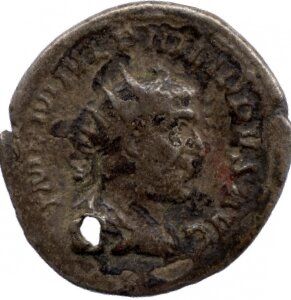
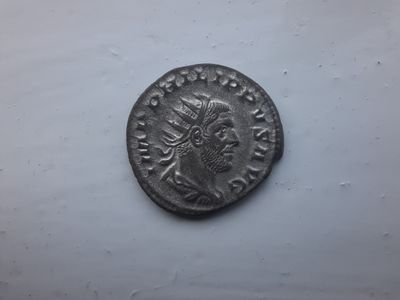
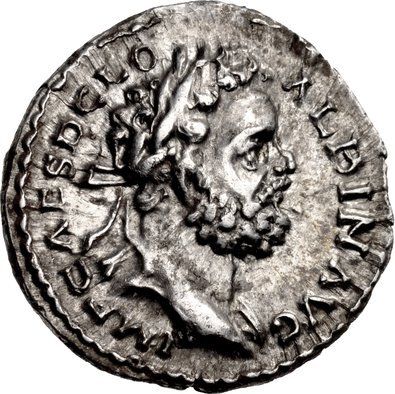
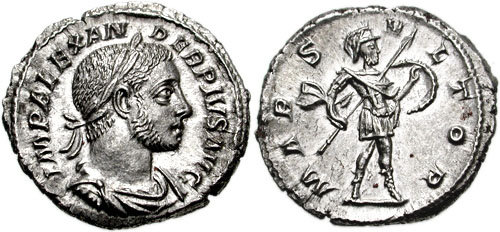 Obverse
CNG, CC-BY-SA-2.5, via Wikimedia Commons
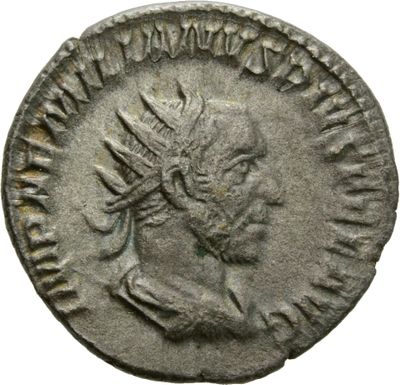
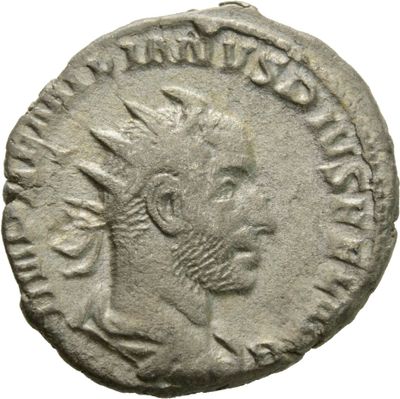
Obverse
IMP M IVL PHILIPPVS AVG
Bust of Philip II, radiate, draped, cuirassed, right
Reverse
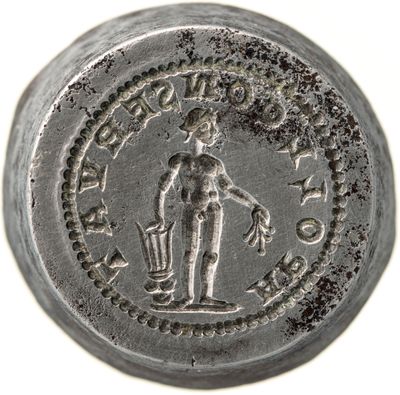
AEQVITAS AVGG
Aequitas, draped, standing left, holding scales in right hand and cornucopiae in left hand
About This Type
This RIC IV Philip I 246 is an antoninianus of Philip The Arab (244 AD-249 AD), struck at the Antiocheia Syria mint. The reverse depicts Aequitas, draped, standing left, holding scales in right hand and cornucopiae in left hand.
About the Antoninianus
The antoninianus (also called the radiate or double-denarius) was introduced by Caracalla in 215 AD. Identified by the radiate crown on the emperor's portrait, it was nominally worth two denarii. The denomination underwent severe debasement during the third-century crisis, becoming essentially bronze by the 260s.
About the Antiocheia Syria Mint
Antiocheia (modern Antakya, Turkey) was one of the major eastern mints, operating from the Seleucid period through the late Roman Empire. It produced large volumes of silver and bronze coinage for the eastern provinces.
Frequently Asked Questions
- What is RIC IV Philip I 246?
- RIC IV Philip I 246 is a Silver Antoninianus of Philip The Arab (244 AD-249 AD) struck at the Antiocheia Syria mint cataloged under RIC vol. IV no. IV Philip I 246.
- How do you identify RIC IV Philip I 246?
- The obverse depicts Bust of Philip II, radiate, draped, cuirassed, right with the inscription IMP M IVL PHILIPPVS AVG. The reverse depicts Aequitas, draped, standing left, holding scales in right hand and cornucopiae in left hand with the inscription AEQVITAS AVGG. Portrait type: radiate.
More types of Philip The Arab

More types from Antiocheia Syria
More Antoninianus types



You’ve attributed it. Now catalogue it
Record the attribution, weight, provenance, and photographs in your own NumisLens cabinet, a private catalogue built for ancient coins. Free for your first 50 coins.
Start your cabinet