Constantius II Solidus, Victory reverse
RIC VIII Heraclea 3 · 337 AD-340 AD · Heraclea Thracica
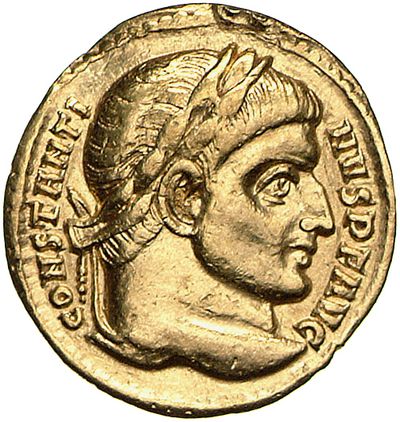
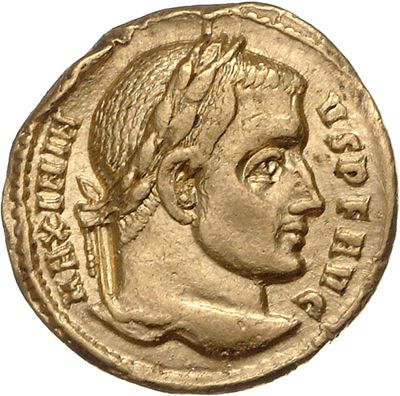
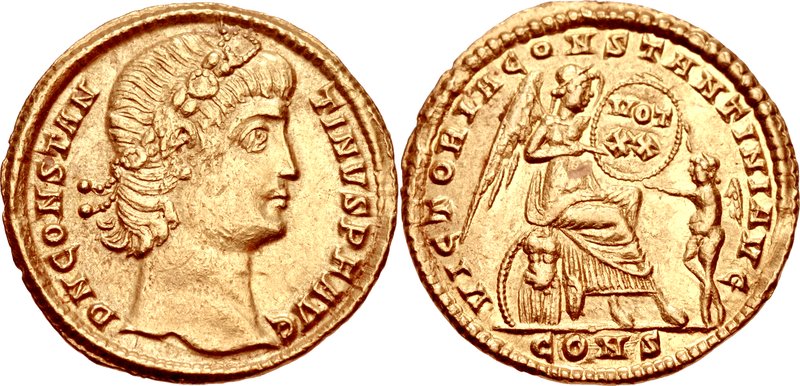 Obverse
Classical Numismatic Group, CC-BY-SA-2.5, via Wikimedia Commons
Obverse
FL IVL CON-STANS P F AVG
Bust of Constans, laureate, rosette-diademed, draped, cuirassed, right
Reverse
VICTORIA CONSTANTIS AVG
Victory, winged, draped, advancing right, holding shield inscribed VOT/V/MVLT/X, kicking a seated bound captive wearing a pointed hat
About This Type
This RIC VIII Heraclea 3 is a solidus of Constantius II (337 AD-340 AD), struck at the Heraclea Thracica mint. The reverse depicts Victory, winged, draped, advancing right, holding shield inscribed VOT/V/MVLT/X, kicking a seated bound captive wearing a pointed hat.
About the Solidus
The solidus was the gold coin of the late Roman and Byzantine empires, introduced by Constantine I around 309 AD at 4.5 grams. It maintained its weight standard for over seven centuries, making it one of the most stable currencies in history.
About the Heraclea Thracica Mint
Heraclea Thracica (modern Eregli, Turkey) was a late Roman mint established during Diocletian's reform, producing coinage from the late third through the mid-fifth century.
Frequently Asked Questions
- What is RIC VIII Heraclea 3?
- RIC VIII Heraclea 3 is a Gold Solidus of Constantius II (337 AD-340 AD) struck at the Heraclea Thracica mint cataloged under RIC no. RIC VIII Heraclea 3.
- How do you identify RIC VIII Heraclea 3?
- The obverse depicts Bust of Constans, laureate, rosette-diademed, draped, cuirassed, right with the inscription FL IVL CON-STANS P F AVG. The reverse depicts Victory, winged, draped, advancing right, holding shield inscribed VOT/V/MVLT/X, kicking a seated bound captive wearing a pointed hat with the inscription VICTORIA CONSTANTIS AVG. Portrait type: laureate.
More types of Constantius II




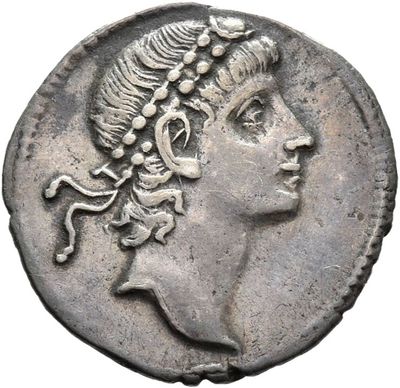
More types from Heraclea Thracica
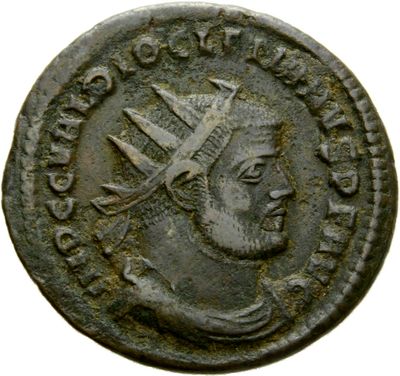

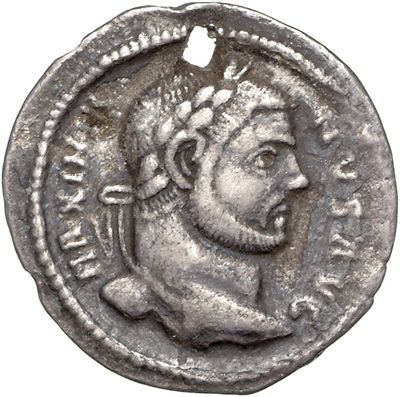
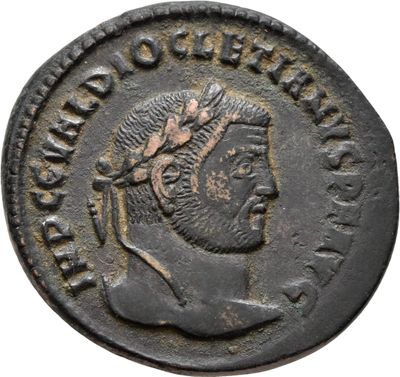

More Solidus types




You’ve attributed it. Now catalogue it
Record the attribution, weight, provenance, and photographs in your own NumisLens cabinet, a private catalogue built for ancient coins. Free for your first 50 coins.
Start your cabinet