Constantius II AE3, Constantine reverse
RIC VIII Constantinople 37 · 337 AD-340 AD · Constantinople
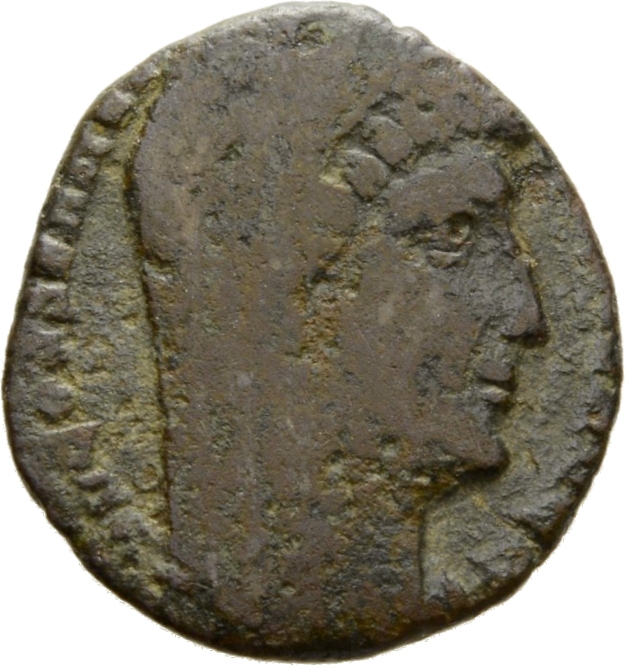 Obverse
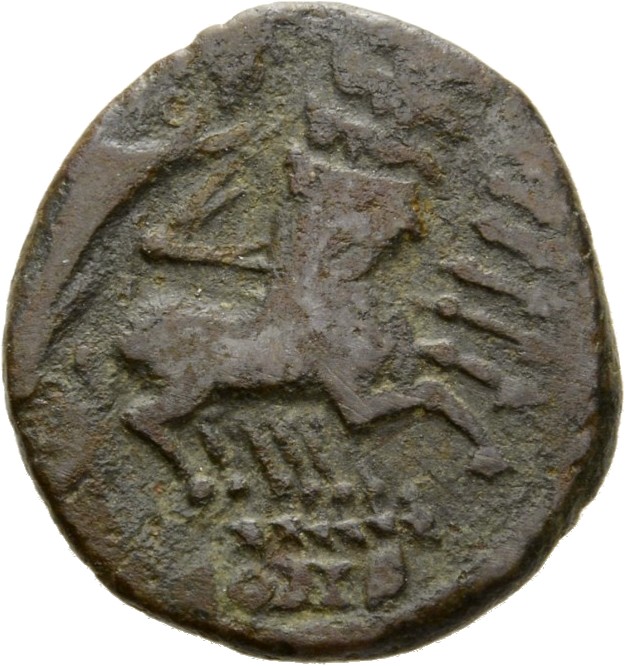 Reverse
Seminar für Alte Geschichte, Universität Freiburg
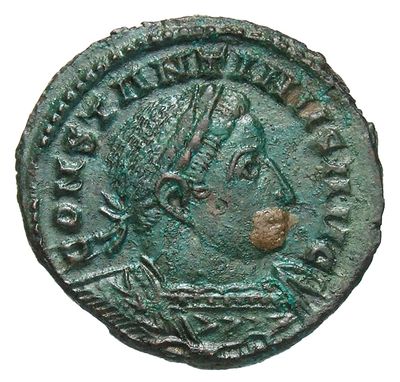
Obverse
DV CONSTANTI-NVS PT AVGG
Bust of Constantine I, veiled, draped, cuirassed, right
Reverse
CONS
Constantine I, veiled, draped, riding right in quadriga; Hand of God reaches down to him
About This Type
This RIC VIII Constantinople 37 is an ae3 of Constantius II (337 AD-340 AD), struck at the Constantinople mint. The reverse depicts Constantine I, veiled, draped, riding right in quadriga; Hand of God reaches down to him. Struck in bronze at a standard weight of 1.74g, 15mm diameter.
About the AE3
AE3 is a modern size classification for late Roman bronze coins measuring 17–21mm in diameter. It is the most common denomination class in the Constantinian period, encompassing the small nummi and reduced folles that circulated in enormous quantities. GLORIA EXERCITVS and camp gate types are typical AE3 reverses.
About the Constantinople Mint
Constantinople (modern Istanbul) became the principal mint of the eastern Roman Empire after its foundation in 330 AD. It remained the dominant mint for gold coinage throughout the Byzantine period.
Frequently Asked Questions
- What is RIC VIII Constantinople 37?
- RIC VIII Constantinople 37 is a Bronze AE3 of Constantius II (337 AD-340 AD) struck at the Constantinople mint cataloged under RIC no. RIC VIII Constantinople 37.
- How do you identify RIC VIII Constantinople 37?
- The obverse depicts Bust of Constantine I, veiled, draped, cuirassed, right with the inscription DV CONSTANTI-NVS PT AVGG. The reverse depicts Constantine I, veiled, draped, riding right in quadriga; Hand of God reaches down to him with the inscription CONS. Portrait type: draped.
- What are the physical specifications of RIC VIII Constantinople 37?
- RIC VIII Constantinople 37 was struck in Bronze, standard weight 1.74g, diameter 15mm, die axis 6 h, struck.
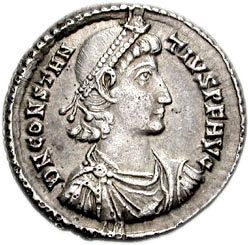
More types of Constantius II


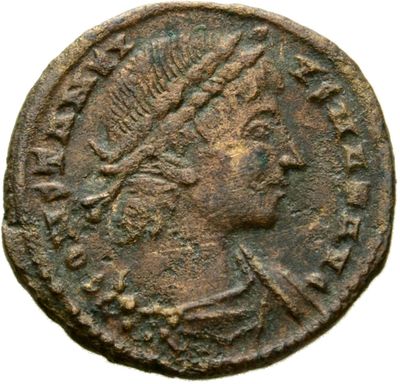
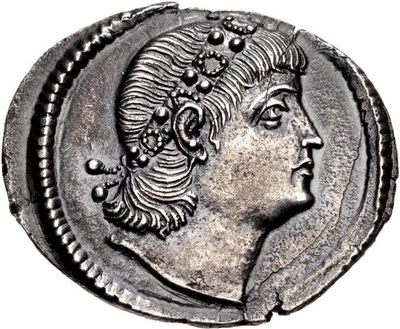


More types from Constantinople


More AE3 types

You’ve attributed it. Now catalogue it
Record the attribution, weight, provenance, and photographs in your own NumisLens cabinet, a private catalogue built for ancient coins. Free for your first 50 coins.
Start your cabinet