Trajan Dupondius, Fortuna reverse
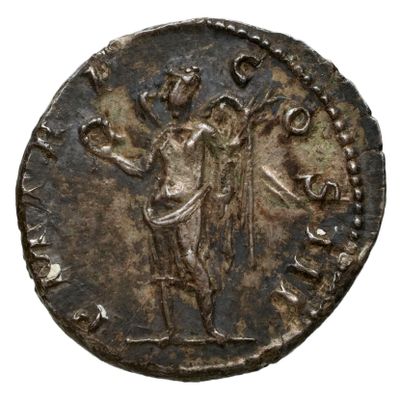
RIC II Trajan 653 · 114 AD-117 AD · Rome
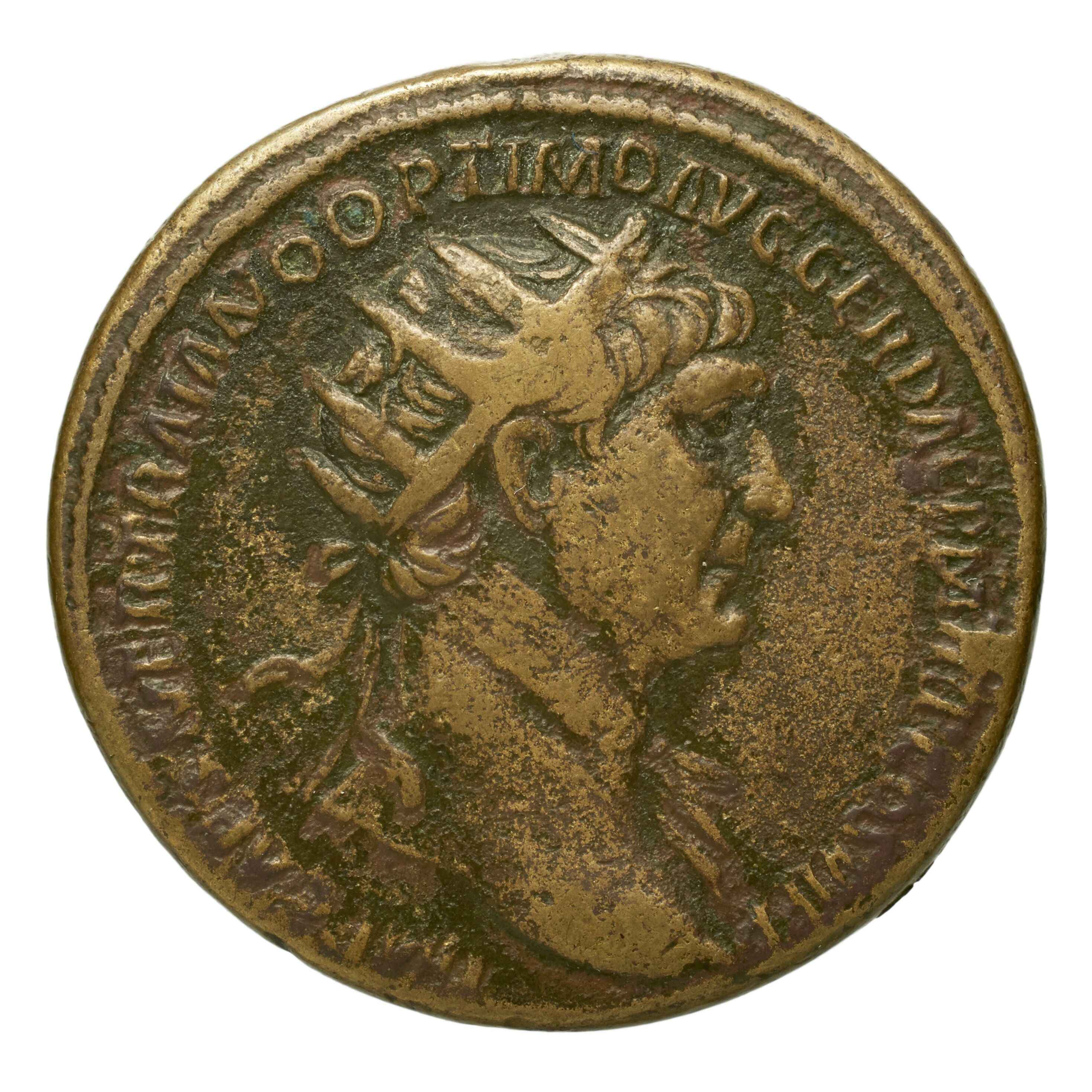 Obverse
Hadrien. Autorité émettrice de monnaie Rome. Atelier monétaire. Émetteur, PD, via Wikimedia Commons
Obverse
IMP CAES NER TRAIANO OPTIMO AVG GER DAC P M TR P COS VI P P
Bust of Trajan, radiate, right (sometimes draped)
Reverse
SENATVS POPVLVSQVE ROMANVS S C FORT RED
Fortuna, draped, seated left on low chair, feet on stool, holding rudder set on ground in right hand and cornucopiae in left
About This Type
This RIC II Trajan 653 is a dupondius of Trajan (114 AD-117 AD), struck at the Rome mint. The reverse depicts Fortuna, draped, seated left on low chair, feet on stool, holding rudder set on ground in right hand and cornucopiae in left.
About the Dupondius
The dupondius was a Roman orichalcum (brass) coin worth two asses, typically 12–14 grams and 25–29mm. It is distinguished from the as by the emperor's radiate crown and the use of brass rather than copper.
About the Rome Mint
The Rome mint was the principal mint of the Roman state from the Republic through the fall of the Western Empire. It produced the vast majority of gold and silver coinage and was the only mint for much of the first and second centuries AD.
Frequently Asked Questions
- What is RIC II Trajan 653?
- RIC II Trajan 653 is a Bronze Dupondius of Trajan (114 AD-117 AD) struck at the Rome mint cataloged under RIC vol. II no. II Trajan 653.
- How do you identify RIC II Trajan 653?
- The obverse depicts Bust of Trajan, radiate, right (sometimes draped) with the inscription IMP CAES NER TRAIANO OPTIMO AVG GER DAC P M TR P COS VI P P. The reverse depicts Fortuna, draped, seated left on low chair, feet on stool, holding rudder set on ground in right hand and cornucopiae in left with the inscription SENATVS POPVLVSQVE ROMANVS S C FORT RED. Portrait type: radiate.
More types of Trajan




More types from Rome
.aug.281/9a1765fed7484730_obverse.jpg?width=400&resize=contain)
.aug.287/bdcd13760759eb06_obverse.jpg?width=400&resize=contain)
.aug.288/d488d9c1f7bf9a9c_obverse.jpg?width=400&resize=contain)
.aug.291/3571266fbd5e3953_obverse.jpg?width=400&resize=contain)
.aug.292/59120d3e6051e9d0_obverse.jpg?width=400&resize=contain)
.aug.296/fccd3d7323935ed5_obverse.jpg?width=400&resize=contain)
.aug.297/133364f58d501195_obverse.jpg?width=400&resize=contain)
.aug.298/1f1d6edae2b8ca72_obverse.jpg?width=400&resize=contain)
More Dupondius types
.aug.154/4c7f07a01f47a324_obverse.jpg?width=400&resize=contain)
.aug.232/e935c19a788baf56_obverse.jpg?width=400&resize=contain)
.aug.236A/5945fe672e455cda_obverse.jpg?width=400&resize=contain)
.aug.244/3ef412299fe4e608_obverse.jpg?width=400&resize=contain)
.aug.324/14d2e47b41625c6f_obverse.jpg?width=400&resize=contain)
.aug.326/7a7d79ac6d5e3037_obverse.jpg?width=400&resize=contain)
.aug.332/3fda55618b7aec43_obverse.jpg?width=400&resize=contain)
.aug.333/31b3c47bdf9cf05d_obverse.jpg?width=400&resize=contain)
You’ve attributed it. Now catalogue it
Record the attribution, weight, provenance, and photographs in your own NumisLens cabinet, a private catalogue built for ancient coins. Free for your first 50 coins.
Start your cabinet