Trajan Denarius, Victory reverse
RIC II Trajan 130 · 103 AD-111 AD · Rome
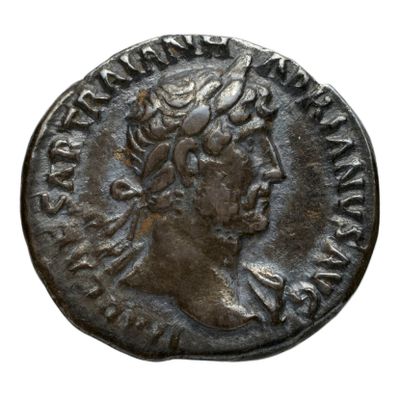
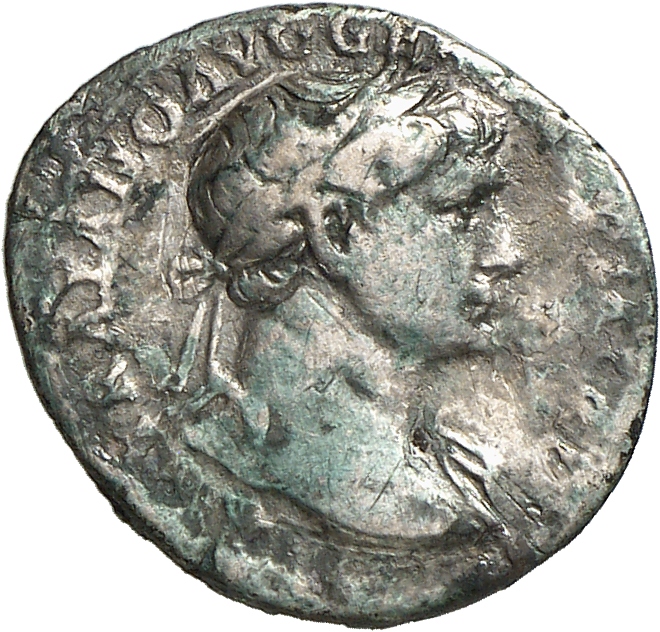 Obverse
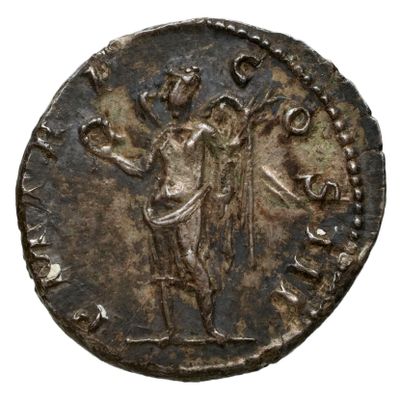
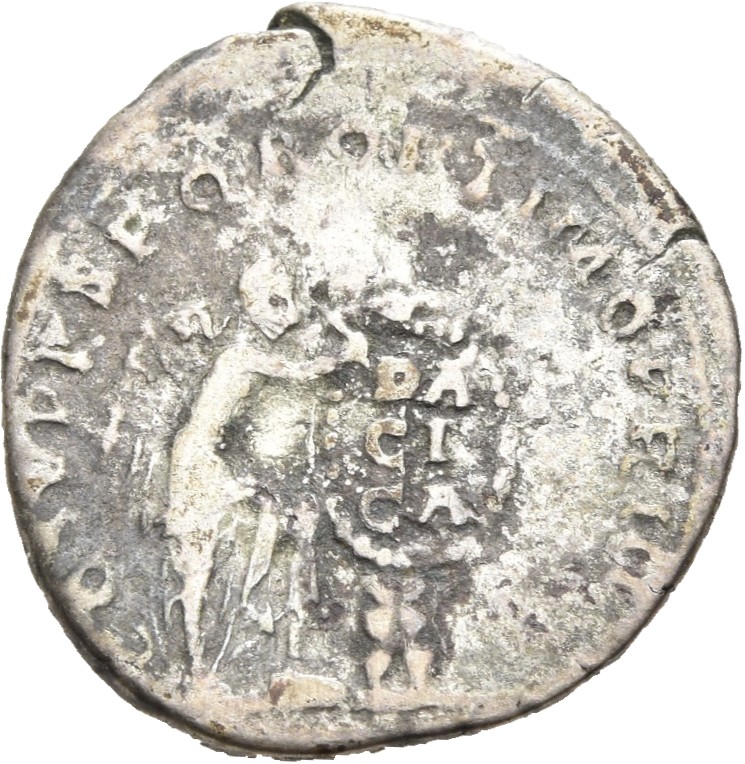 Reverse
Münzkabinett Winterthur
Obverse
IMP TRAIANO AVG GER DAC P M TR P
Bust of Trajan, laureate, right (sometimes draped on left shoulder)
Reverse
COS V P P S P Q R OPTIMO PRINC
Victory, naked to hips, standing right, left foot set on a step, inscribing DACICA on shield attached to palm-tree
About This Type
This RIC II Trajan 130 is a denarius of Trajan (103 AD-111 AD), struck at the Rome mint. The reverse depicts Victory, naked to hips, standing right, left foot set on a step, inscribing DACICA on shield attached to palm-tree. Struck in silver at a standard weight of 2.93g, 20mm diameter.
About the Denarius
The denarius was the standard Roman silver coin, struck from around 211 BC through the mid-third century AD. It typically weighs 3.5–4.0 grams and measures 17–20mm. Republican issues are cataloged under Crawford (RRC); imperial issues follow RIC volumes by ruler.
About the Rome Mint
The Rome mint was the principal mint of the Roman state from the Republic through the fall of the Western Empire. It produced the vast majority of gold and silver coinage and was the only mint for much of the first and second centuries AD.
Frequently Asked Questions
- What is RIC II Trajan 130?
- RIC II Trajan 130 is a Silver Denarius of Trajan (103 AD-111 AD) struck at the Rome mint cataloged under RIC vol. II no. II Trajan 130.
- How do you identify RIC II Trajan 130?
- The obverse depicts Bust of Trajan, laureate, right (sometimes draped on left shoulder) with the inscription IMP TRAIANO AVG GER DAC P M TR P. The reverse depicts Victory, naked to hips, standing right, left foot set on a step, inscribing DACICA on shield attached to palm-tree with the inscription COS V P P S P Q R OPTIMO PRINC. Portrait type: laureate.
- What are the physical specifications of RIC II Trajan 130?
- RIC II Trajan 130 was struck in Silver, standard weight 2.93g, diameter 20mm, die axis 6 h, struck.
More types of Trajan




More types from Rome
.aug.281/9a1765fed7484730_obverse.jpg?width=400&resize=contain)
.aug.287/bdcd13760759eb06_obverse.jpg?width=400&resize=contain)
.aug.288/d488d9c1f7bf9a9c_obverse.jpg?width=400&resize=contain)
.aug.291/3571266fbd5e3953_obverse.jpg?width=400&resize=contain)
.aug.292/59120d3e6051e9d0_obverse.jpg?width=400&resize=contain)
.aug.296/fccd3d7323935ed5_obverse.jpg?width=400&resize=contain)
.aug.297/133364f58d501195_obverse.jpg?width=400&resize=contain)
.aug.298/1f1d6edae2b8ca72_obverse.jpg?width=400&resize=contain)
More Denarius types
.aug.100/d3acd9be1ba7e115_obverse.jpg?width=400&resize=contain)
.aug.105A/9cef552c13fc73bc_obverse.jpg?width=400&resize=contain)
.aug.105B/139c38abbaf5d68d_obverse.jpg?width=400&resize=contain)
.aug.108A/ac230fbb641c7b64_obverse.jpg?width=400&resize=contain)
.aug.108B/d50d969a41fa1e60_obverse.jpg?width=400&resize=contain)
.aug.110/07c39abe7cb94ba8_obverse.jpg?width=400&resize=contain)
.aug.115/09b1c784123b91ab_obverse.jpg?width=400&resize=contain)
.aug.117/8673511801147e46_obverse.jpg?width=400&resize=contain)
You’ve attributed it. Now catalogue it
Record the attribution, weight, provenance, and photographs in your own NumisLens cabinet, a private catalogue built for ancient coins. Free for your first 50 coins.
Start your cabinet