Antiochus I Stater, Apollo reverse
HOUGHTON Seleucid Coins (part 1) 436.6 · 278 BC-261 BC · Bactra
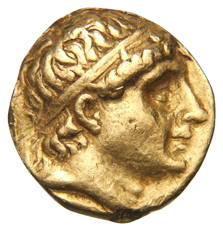 Obverse
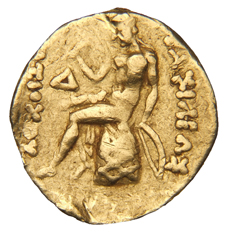 Reverse
Münzkabinett, Staatliche Museen zu Berlin
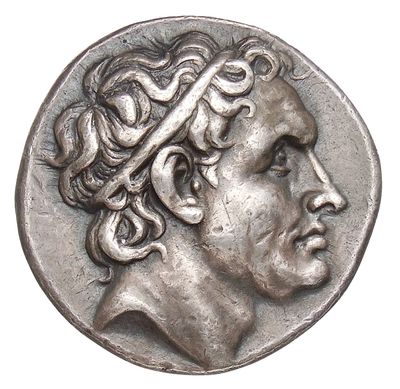
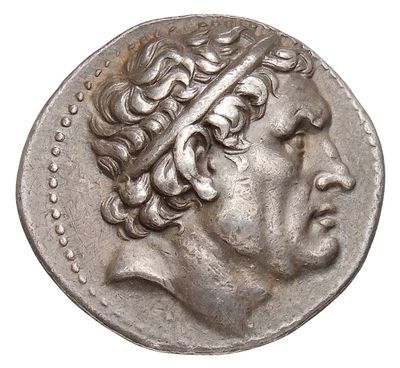
Obverse
Diademed head of Antiochus I right, rejuvenated and idealized
Reverse
BAΣΙΛΕΩΣ ANTIOXOΥ
Apollo seated left on omphalos, testing arrow and resting left hand on grounded bow
About This Type
This HOUGHTON Seleucid Coins (part 1) 436.6 is a stater of Antiochus I (278 BC-261 BC), struck at the Bactra mint. The reverse depicts Apollo seated left on omphalos, testing arrow and resting left hand on grounded bow. Struck in gold at a standard weight of 8.49g, 19mm diameter.
About the Stater
The stater was a principal denomination in Greek coinage, struck in gold, electrum, or silver depending on the issuing authority. Gold staters typically weigh 8–8.5 grams on the Attic standard.
Frequently Asked Questions
- What is HOUGHTON Seleucid Coins (part 1) 436.6?
- HOUGHTON Seleucid Coins (part 1) 436.6 is a Gold Stater of Antiochus I (278 BC-261 BC) struck at the Bactra mint cataloged under Houghton no. Seleucid Coins (part 1) 436.6.
- How do you identify HOUGHTON Seleucid Coins (part 1) 436.6?
- The obverse depicts Diademed head of Antiochus I right, rejuvenated and idealized. The reverse depicts Apollo seated left on omphalos, testing arrow and resting left hand on grounded bow with the inscription BAΣΙΛΕΩΣ ANTIOXOΥ. Portrait type: diademed.
- What are the physical specifications of HOUGHTON Seleucid Coins (part 1) 436.6?
- HOUGHTON Seleucid Coins (part 1) 436.6 was struck in Gold, standard weight 8.49g, diameter 19mm, die axis 6 h, struck.
More types of Antiochus I
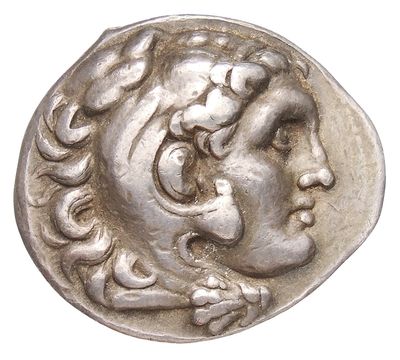
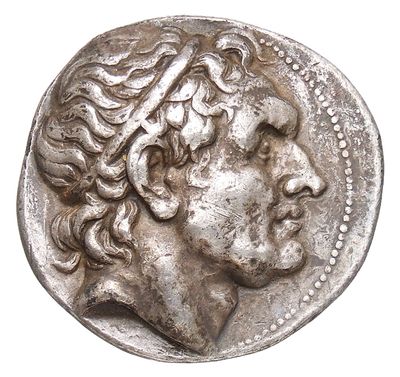
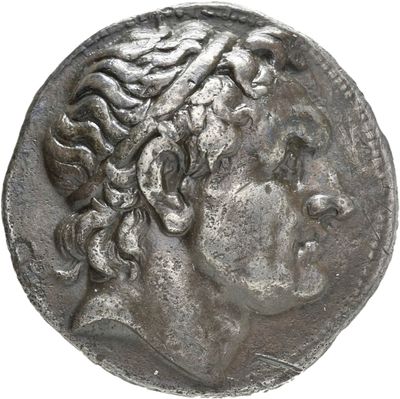
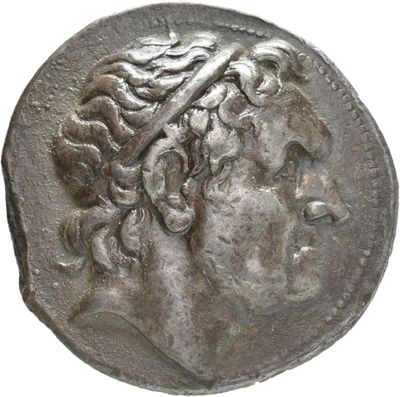
More types from Bactra


More Stater types


You’ve attributed it. Now catalogue it
Record the attribution, weight, provenance, and photographs in your own NumisLens cabinet, a private catalogue built for ancient coins. Free for your first 50 coins.
Start your cabinet