Antiochus I Tetradrachm, Hermes reverse
HOUGHTON Seleucid Coins (part 1) 318b · 268 BC-261 BC · Magnesia Ad Sipylum
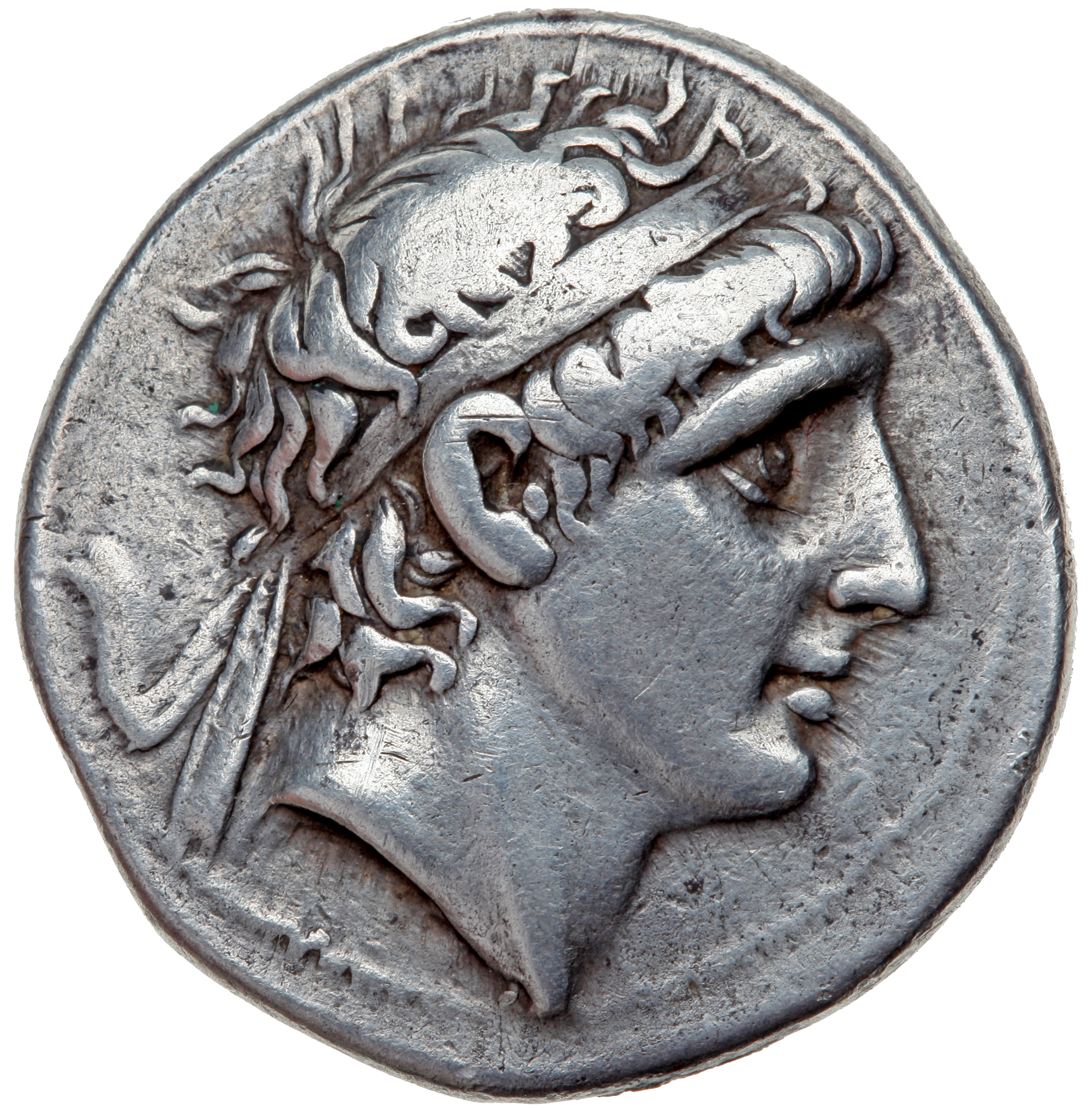 Obverse
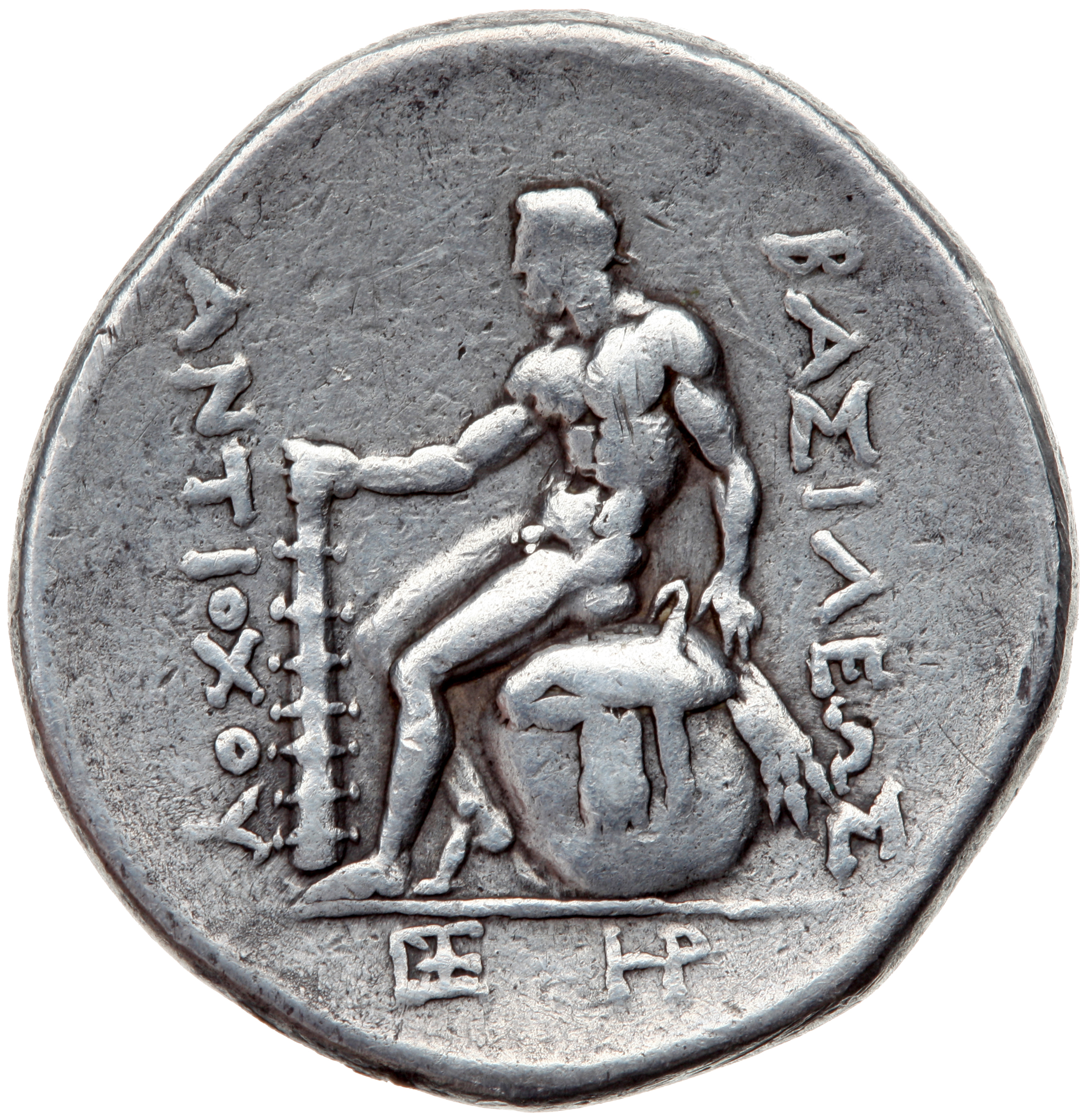 Reverse
Akademisches Kunstmuseum, Universität Bonn
Obverse
Diademed head of Antiochus I right
Reverse
BAΣΙΛΕΩΣ ANTIOXOY
Hermes standing left, holding caduceus
About This Type
This HOUGHTON Seleucid Coins (part 1) 318b is a tetradrachm of Antiochus I (268 BC-261 BC), struck at the Magnesia Ad Sipylum mint. The reverse depicts Hermes standing left, holding caduceus. Struck in silver at a standard weight of 16.51g, 31mm diameter.
About the Tetradrachm
The tetradrachm was the principal large silver coin of the Greek world, equivalent to four drachms. Weights vary by standard, Attic tetradrachms weigh approximately 17 grams, while other standards differ. The denomination was struck from the sixth century BC through the Roman provincial period.
Frequently Asked Questions
- What is HOUGHTON Seleucid Coins (part 1) 318b?
- HOUGHTON Seleucid Coins (part 1) 318b is a Silver Tetradrachm of Antiochus I (268 BC-261 BC) struck at the Magnesia Ad Sipylum mint cataloged under Houghton no. Seleucid Coins (part 1) 318b.
- How do you identify HOUGHTON Seleucid Coins (part 1) 318b?
- The obverse depicts Diademed head of Antiochus I right. The reverse depicts Hermes standing left, holding caduceus with the inscription BAΣΙΛΕΩΣ ANTIOXOY. Portrait type: diademed.
- What are the physical specifications of HOUGHTON Seleucid Coins (part 1) 318b?
- HOUGHTON Seleucid Coins (part 1) 318b was struck in Silver, standard weight 16.51g, diameter 31mm, die axis 12 h, struck.
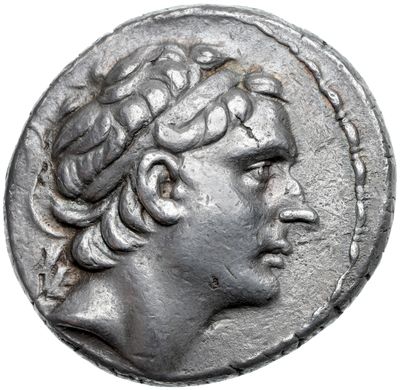
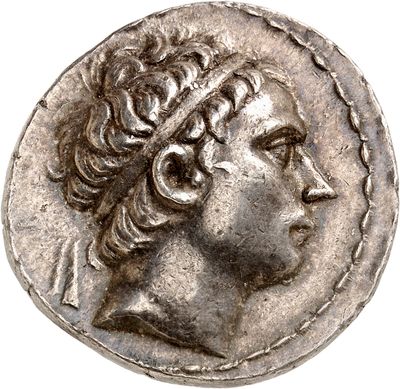
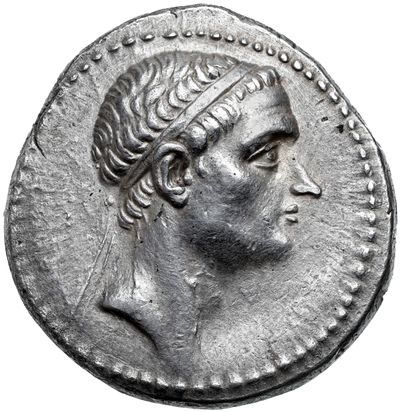
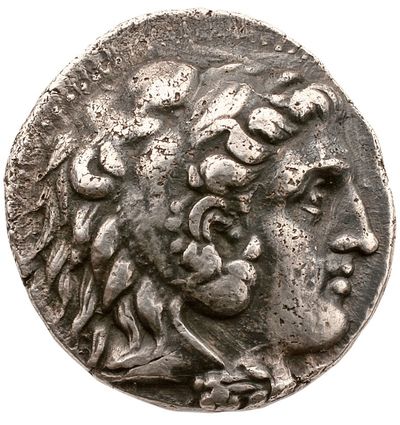
More types of Antiochus I
More Tetradrachm types


You’ve attributed it. Now catalogue it
Record the attribution, weight, provenance, and photographs in your own NumisLens cabinet, a private catalogue built for ancient coins. Free for your first 50 coins.
Start your cabinet