Tetradrachm
219 cataloged coin types across 9 rulers
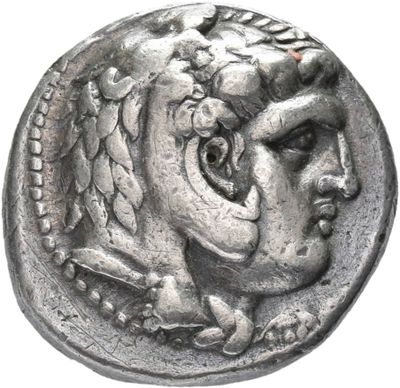
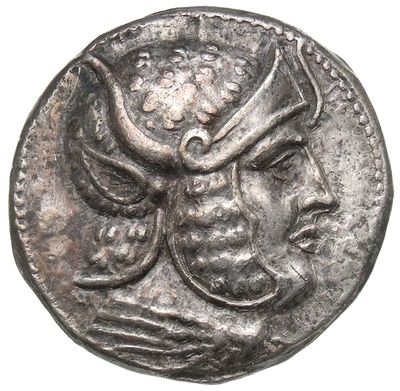
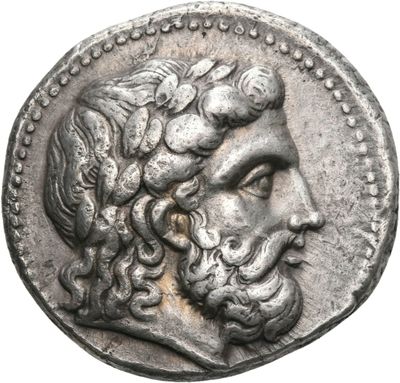
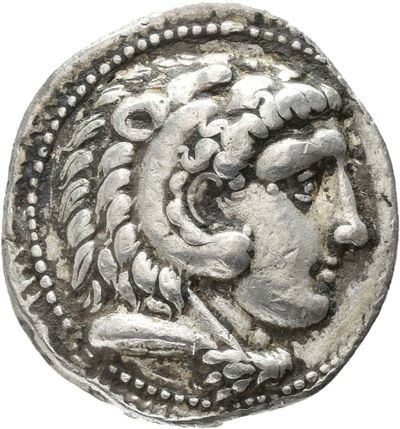
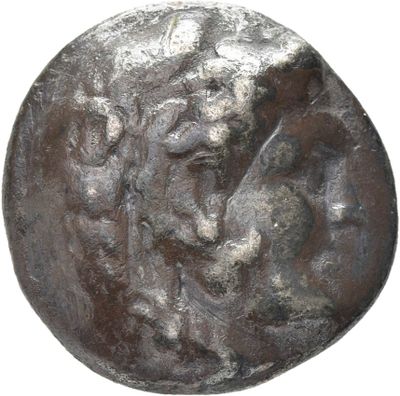
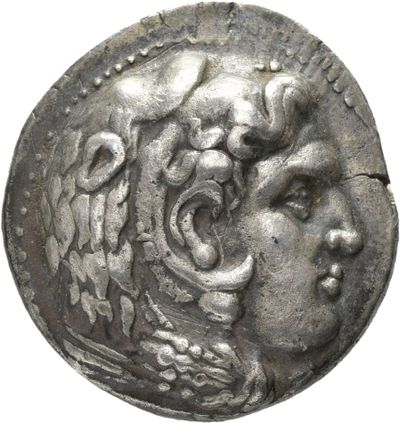
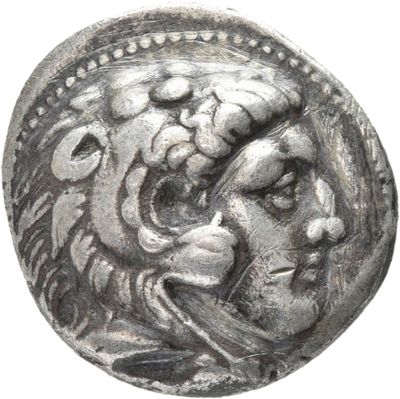
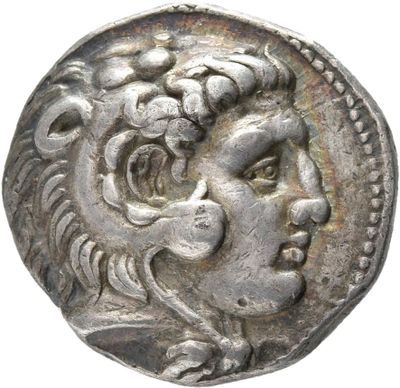
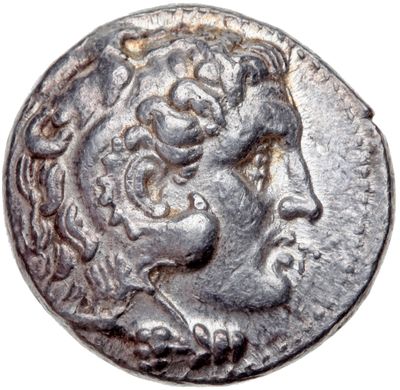
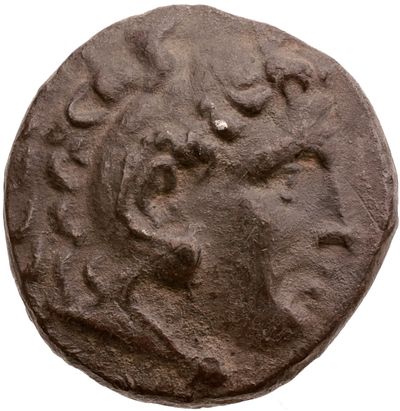
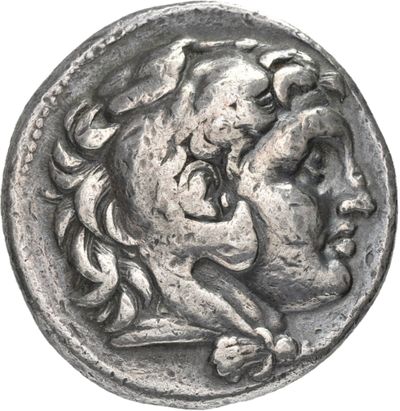
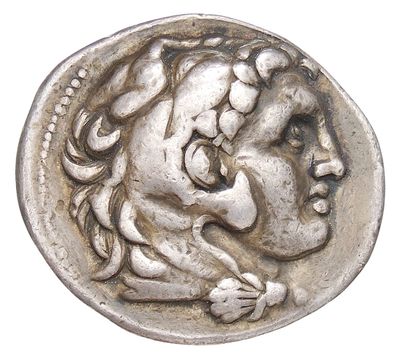
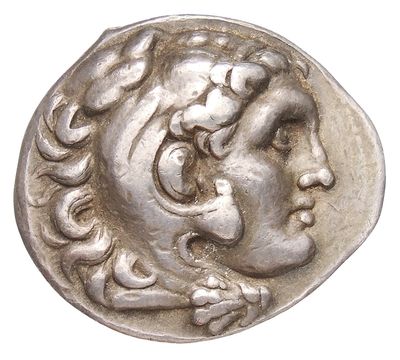
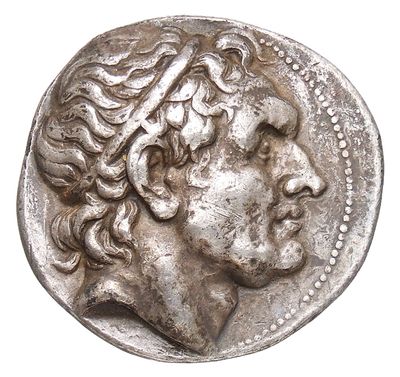
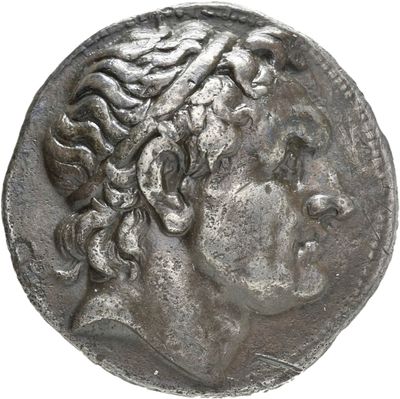
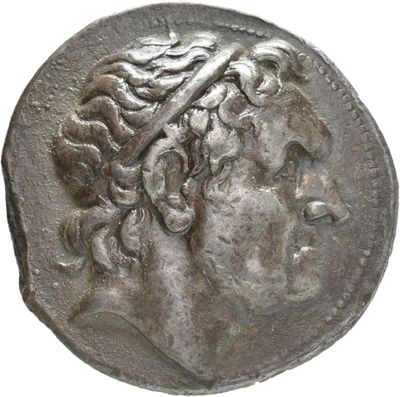
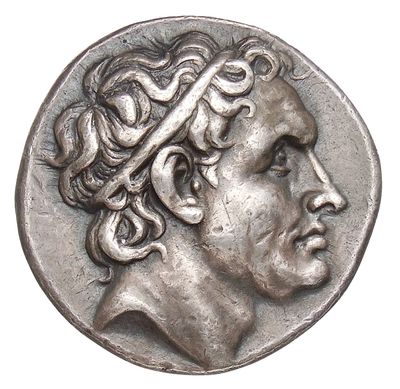
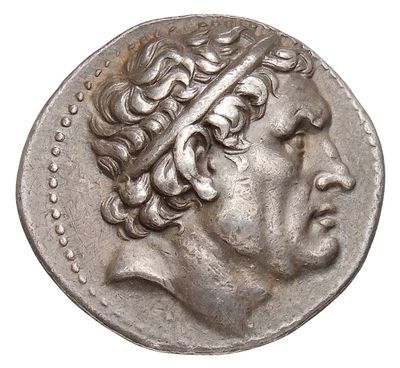
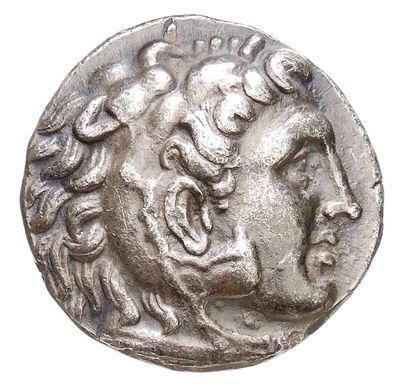
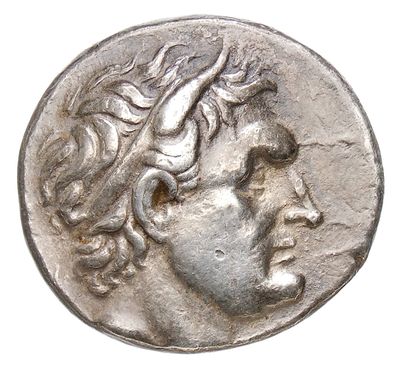
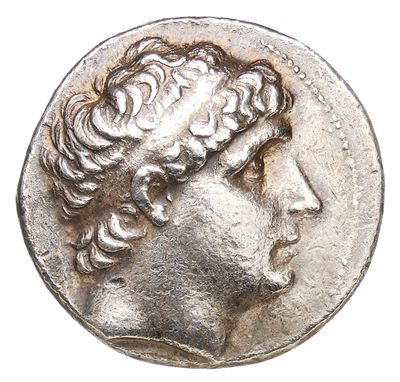
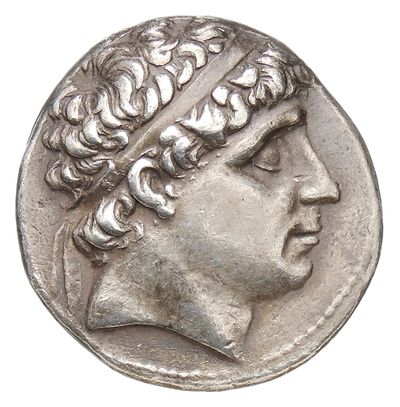
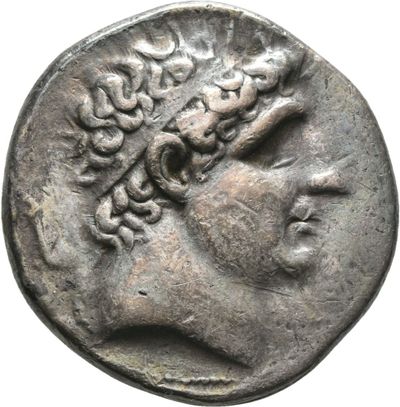
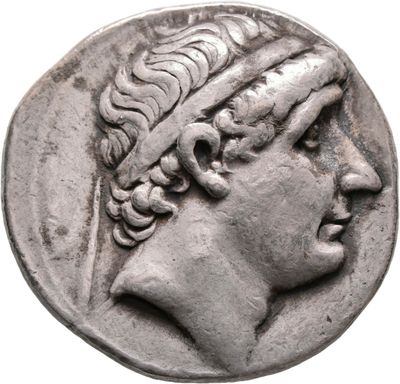
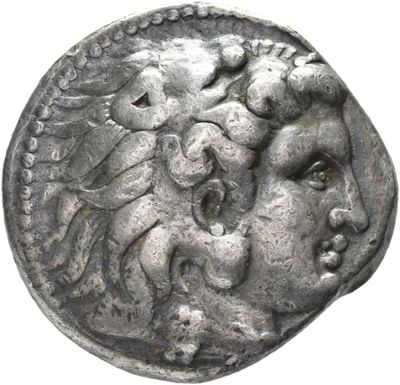
The tetradrachm was the dominant large silver denomination of the ancient Greek world, equivalent to four drachms and typically weighing between 14 and 17 grams depending on the weight standard in use. First struck in Athens around 510 BC, the tetradrachm became the standard trade coin of the eastern Mediterranean for over five centuries. The Athenian "owl" tetradrachms, bearing Athena on the obverse and her owl on the reverse, were the most widely accepted coinage of the classical period. Alexander the Great adopted the Attic weight standard for his own tetradrachms (Heracles/Zeus types), which continued to be struck at mints across his empire and beyond for centuries after his death. Other major series include the tetradrachms of Ptolemaic Egypt, the Seleucid empire, and the Greek city-states of Sicily and southern Italy. The denomination also continued under Roman provincial coinage in the eastern provinces, particularly at Antioch and Alexandria. Standard references vary by series: Price for Alexander types, Svoronos for Ptolemaic issues, SNG volumes for city coinages. Tetradrachms are prized by collectors for their large size, artistic quality, and the direct connection they provide to the major civilisations of the ancient world.
Coin Types (219)

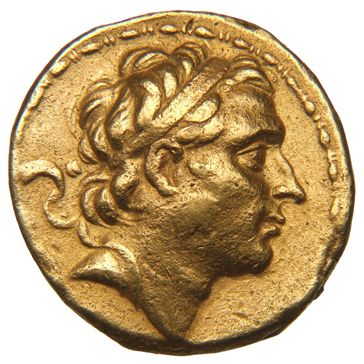
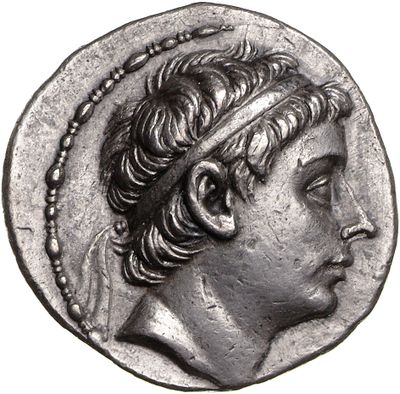
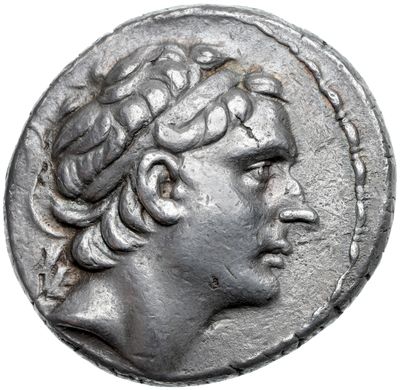
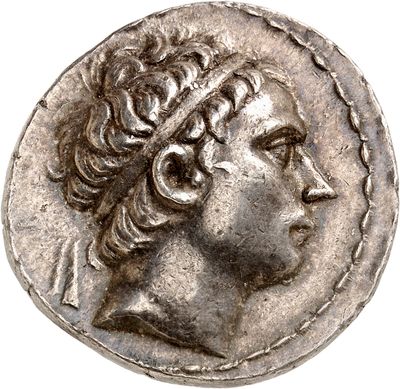
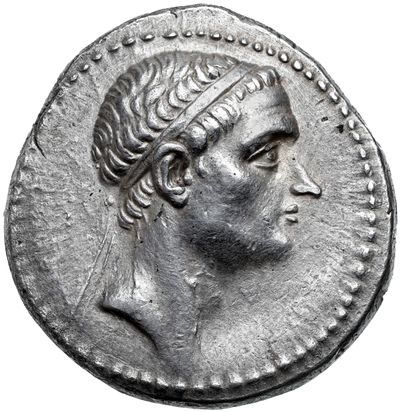

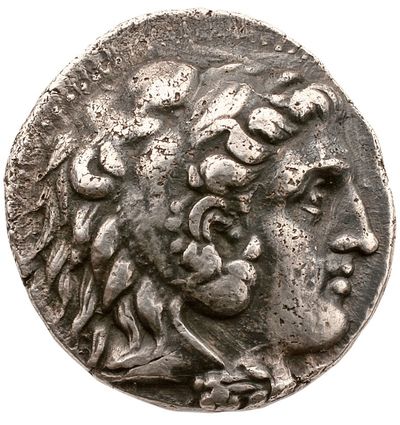

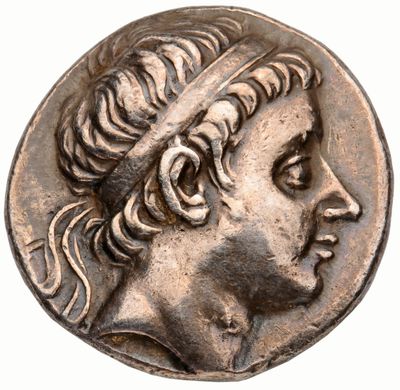
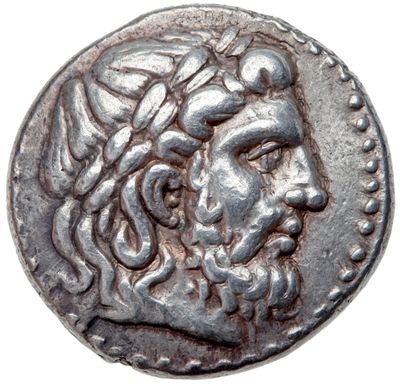

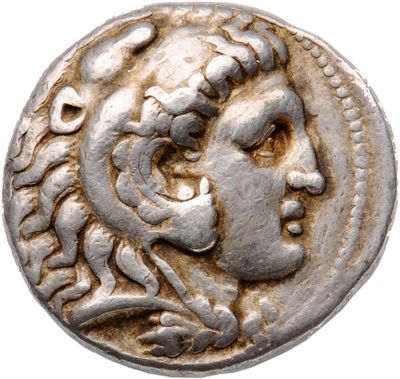
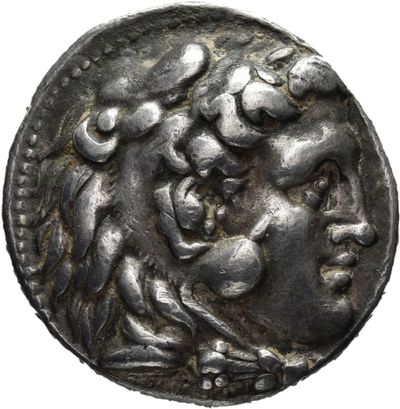
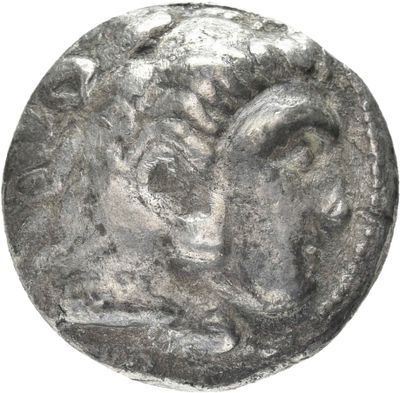
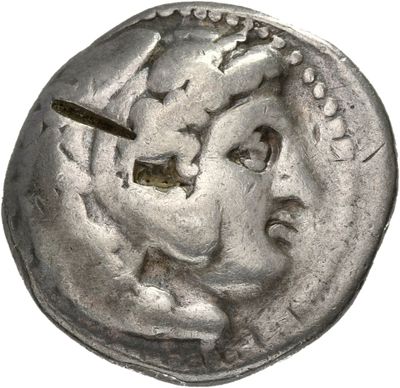




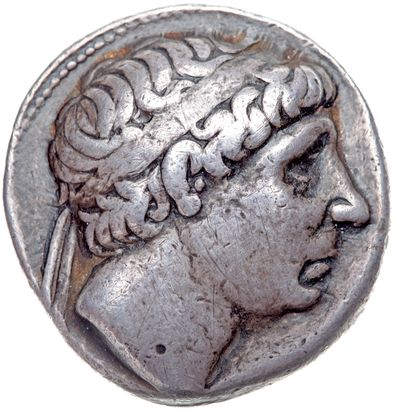

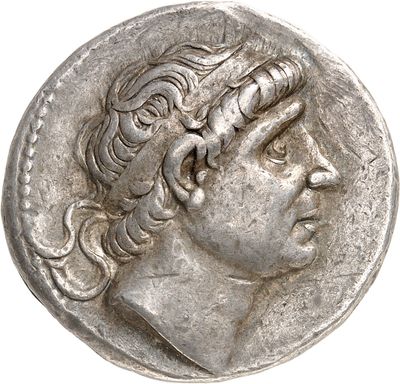
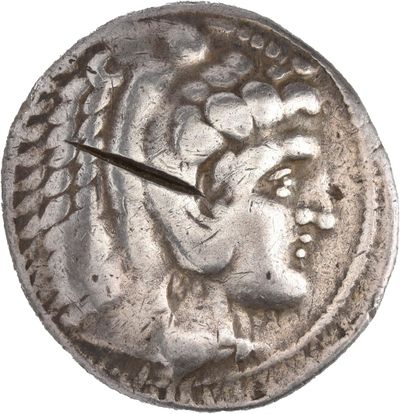
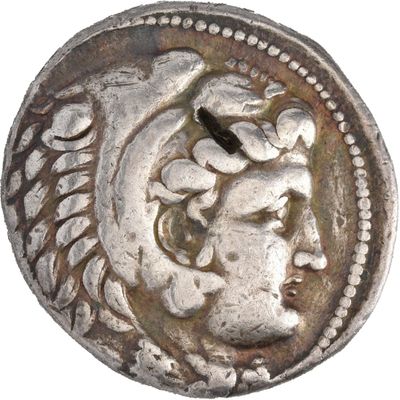
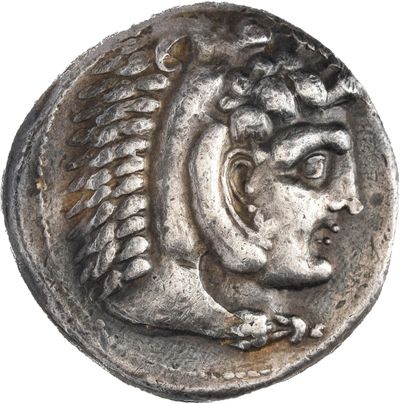
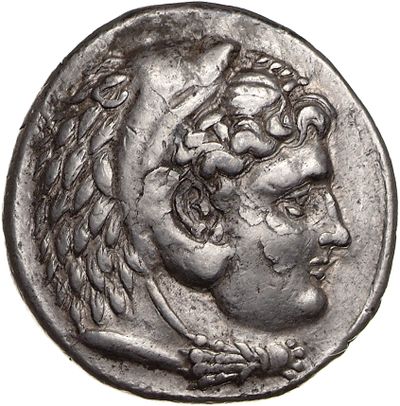

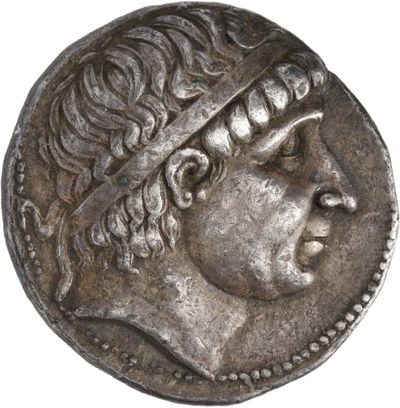


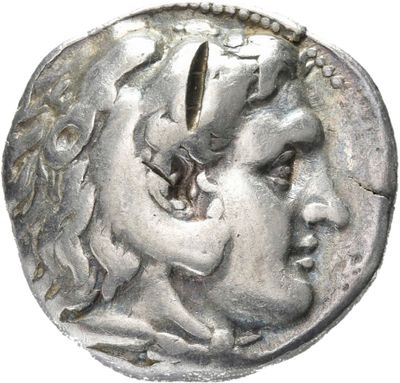
Showing 60 of 219 types
You’ve attributed it. Now catalogue it
Record the attribution, weight, provenance, and photographs in your own NumisLens cabinet, a private catalogue built for ancient coins. Free for your first 50 coins.
Start your cabinet