Didrachm
6 cataloged coin types across 2 rulers
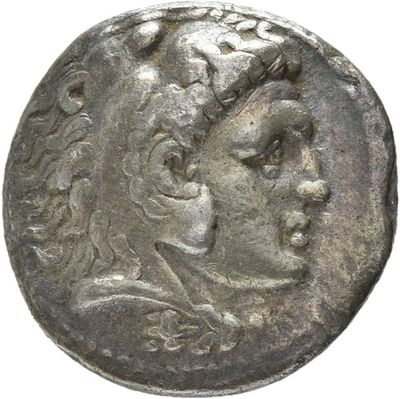
The didrachm (literally "two drachms") was a silver denomination equivalent to two drachms, typically weighing 7–8.5 grams on the Attic standard. It was one of the principal silver coins of the Greek world before the tetradrachm became dominant, and it remained important in regions that preferred the lighter Corinthian or Italian weight standards. The didrachm was the standard large silver coin of Magna Graecia (southern Italy), where cities like Tarentum, Metapontum, Thurii, and Neapolis produced some of the finest coins of the ancient world. These South Italian didrachms (often called "staters" in their local context) are celebrated for their artistic quality, with the horseback warriors of Tarentum and the ear of grain of Metapontum being iconic types. Rome's earliest silver coinage, struck in the early third century BC, took the form of didrachms on the Campanian standard before the introduction of the denarius. These Romano-Campanian didrachms are key transitional pieces in the history of Roman coinage. For collectors, Greek didrachms combine artistic quality with historical significance. South Italian types are the core area, with condition and style driving value. Standard references include SNG volumes, Historia Numorum, and specialised monographs on individual mints.
Coin Types (6)



You’ve attributed it. Now catalogue it
Record the attribution, weight, provenance, and photographs in your own NumisLens cabinet, a private catalogue built for ancient coins. Free for your first 50 coins.
Start your cabinet