Licinius AE2, Camp reverse
RIC VII Heraclea 30 · 318 AD-320 AD · Heraclea Thracica
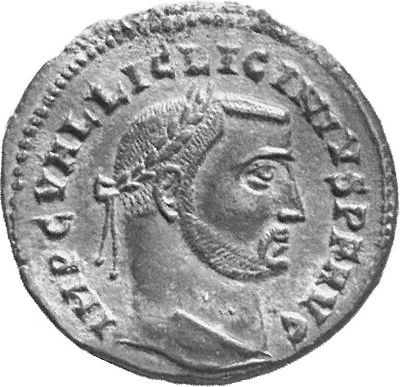
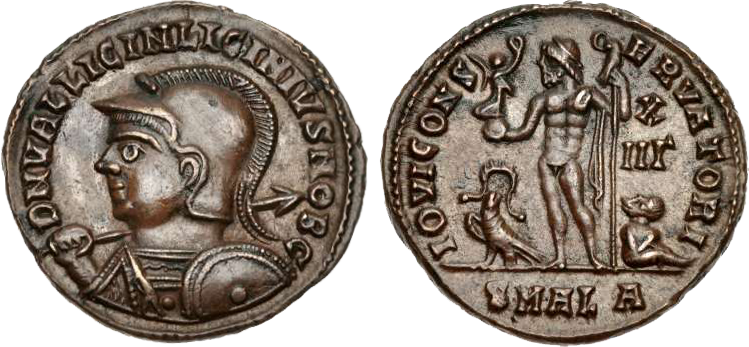 Obverse
CNG, CC-BY-SA-2.5, via Wikimedia Commons
Obverse
D N FL IVL CRISPVS NOB CAES
Bust of Crispus, laureate, draped, left, holding sceptre in right hand and mappa in left hand
Reverse
PROVIDENT-IAE CAESS
Camp gate with three turrets, without doors, five to seven stone layers
About This Type
This RIC VII Heraclea 30 is an ae2 of Licinius (318 AD-320 AD), struck at the Heraclea Thracica mint. The reverse depicts Camp gate with three turrets, without doors, five to seven stone layers.
About the AE2
AE2 is a modern size classification for late Roman bronze coins measuring 21–25mm in diameter. This class includes the reduced folles and nummi of the Constantinian and Valentinianic periods. The classification is widely used in RIC and dealer catalogs when the ancient denomination name is debated.
About the Heraclea Thracica Mint
Heraclea Thracica (modern Eregli, Turkey) was a late Roman mint established during Diocletian's reform, producing coinage from the late third through the mid-fifth century.
Frequently Asked Questions
- What is RIC VII Heraclea 30?
- RIC VII Heraclea 30 is a Bronze AE2 of Licinius (318 AD-320 AD) struck at the Heraclea Thracica mint cataloged under RIC no. RIC VII Heraclea 30.
- How do you identify RIC VII Heraclea 30?
- The obverse depicts Bust of Crispus, laureate, draped, left, holding sceptre in right hand and mappa in left hand with the inscription D N FL IVL CRISPVS NOB CAES. The reverse depicts Camp gate with three turrets, without doors, five to seven stone layers with the inscription PROVIDENT-IAE CAESS. Portrait type: laureate.
More types of Licinius



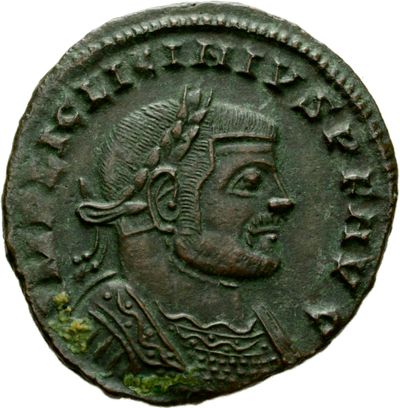

More types from Heraclea Thracica
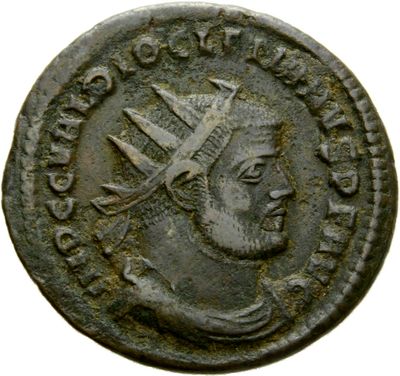

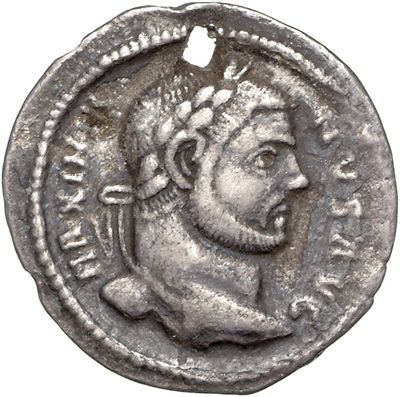
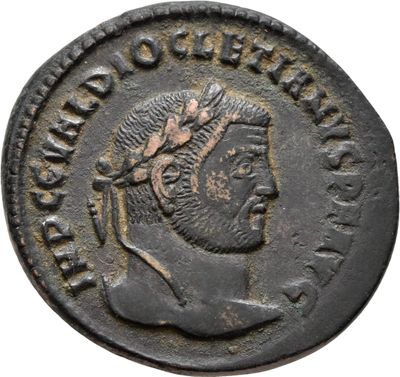
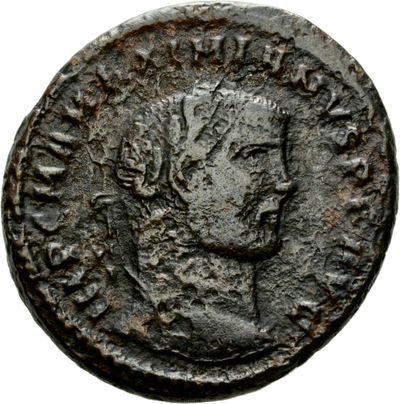

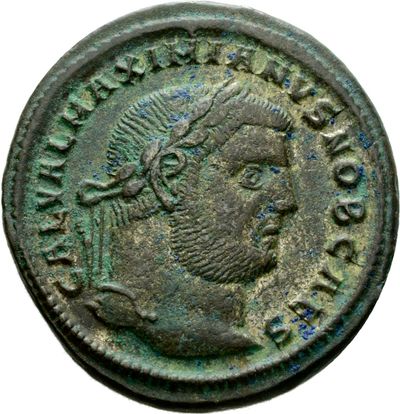
More AE2 types
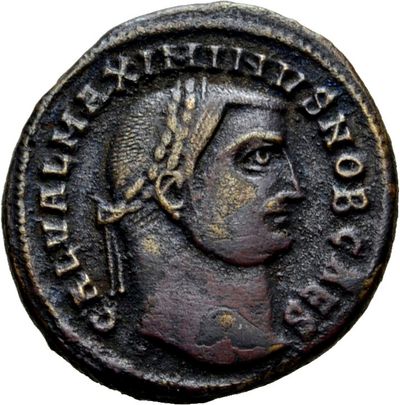


You’ve attributed it. Now catalogue it
Record the attribution, weight, provenance, and photographs in your own NumisLens cabinet, a private catalogue built for ancient coins. Free for your first 50 coins.
Start your cabinet