Galerius Aureus, Jupiter reverse
RIC VI Rome 113 · 305 AD-306 AD · Rome · Issued under Constantius Chlorus
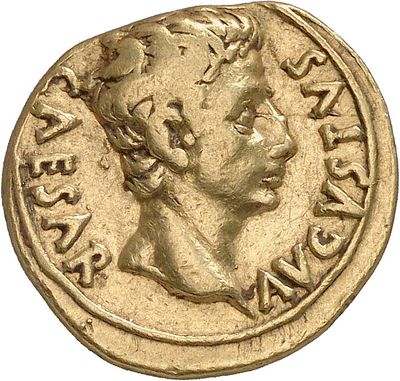
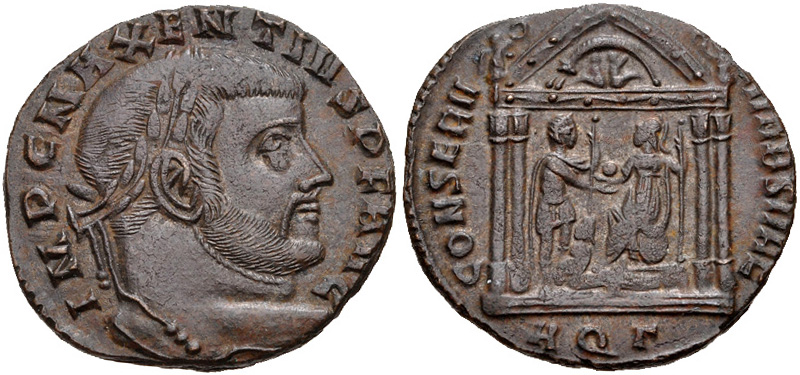 Obverse
CNG, CC-BY-SA-2.5, via Wikimedia Commons
Obverse
MAXIMIANVS P F AVG
Head of Galerius, laureate, right
Reverse
IOVI CONSE-RVAT - A-VGG ET CAESS or IOVI CONS-ERVA-T - A-VGG ET CAESS or IOVI CON-SERV-AT - AVGG ET CAESS or IOVI CON-SERVA-T - AVGG ET CAESS
Jupiter, nude to waist, seated left on throne, holding thunderbolt in right hand and leaning on sceptre in left hand
About This Type
This RIC VI Rome 113 is an aureus of Galerius, issued under Constantius Chlorus (305 AD-306 AD), struck at the Rome mint. The reverse depicts Jupiter, nude to waist, seated left on throne, holding thunderbolt in right hand and leaning on sceptre in left hand.
About the Aureus
The aureus was the principal Roman gold denomination, struck from the late Republic through the early fourth century. It typically weighs 7–8 grams and measures 19–21mm. Because gold does not corrode, aurei often survive in exceptional condition compared to silver and bronze issues of the same period.
About the Rome Mint
The Rome mint was the principal mint of the Roman state from the Republic through the fall of the Western Empire. It produced the vast majority of gold and silver coinage and was the only mint for much of the first and second centuries AD.
Frequently Asked Questions
- What is RIC VI Rome 113?
- RIC VI Rome 113 is a Gold Aureus of Galerius issued under Constantius Chlorus (305 AD-306 AD) struck at the Rome mint cataloged under RIC no. RIC VI Rome 113.
- How do you identify RIC VI Rome 113?
- The obverse depicts Head of Galerius, laureate, right with the inscription MAXIMIANVS P F AVG. The reverse depicts Jupiter, nude to waist, seated left on throne, holding thunderbolt in right hand and leaning on sceptre in left hand with the inscription IOVI CONSE-RVAT - A-VGG ET CAESS or IOVI CONS-ERVA-T - A-VGG ET CAESS or IOVI CON-SERV-AT - AVGG ET CAESS or IOVI CON-SERVA-T - AVGG ET CAESS. Portrait type: laureate.
More types of Constantius Chlorus



More types from Rome

More Aureus types


Does this type match your coin?
Compare the available photographs, legends, and details with your coin. If this type matches, add your own specimen to your cabinet with its catalog reference, then record its measurements, provenance, and photographs. Free for your first 50 coins.
Review this type