Maxentius AE2, Castor reverse
RIC VI Ostia 16 · 309 AD · Ostia
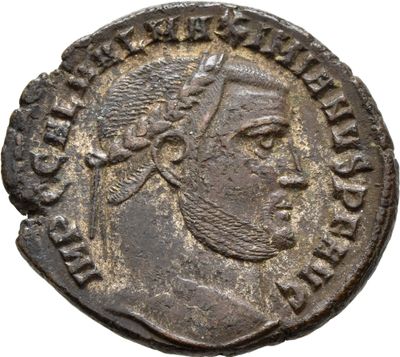
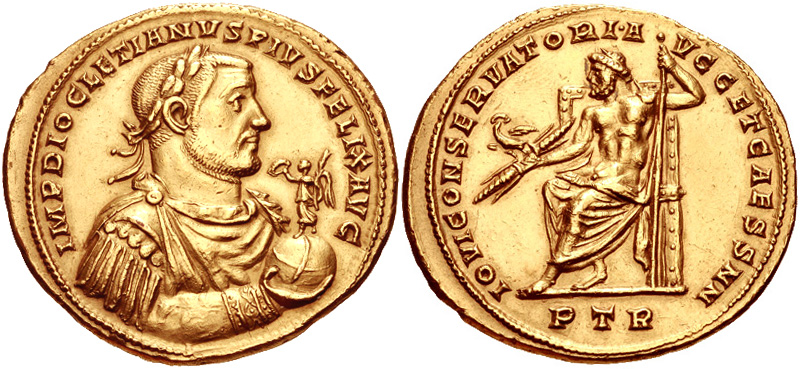 Obverse
CNG, CC-BY-SA-2.5, via Wikimedia Commons
Obverse
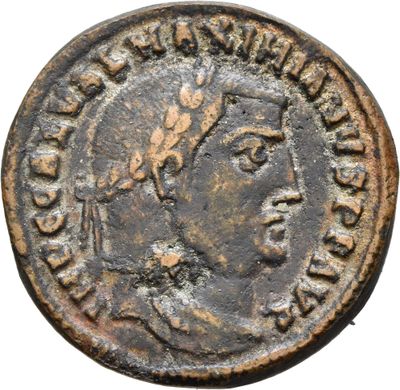
IMP C MAXENTIVS P F AVG
Head of Maxentius, laureate, right
Reverse
AETE-RNITAS - AVG N or AETE-RNITAS A-VG N or AET-ERNITAS - AVG N or AET-ERNITAS A-VG N
Castor and Pollux, wearing caps, nude, chlamys draped over shoulders, standing facing each other, both leaning on sceptre with outer hand and holding bridled horse with inner hand; between, wolf and twins, standing left
About This Type
This RIC VI Ostia 16 is an ae2 of Maxentius (309 AD), struck at the Ostia mint. The reverse depicts Castor and Pollux, wearing caps, nude, chlamys draped over shoulders, standing facing each other, both leaning on sceptre with outer hand and holding bridled horse with inner hand; between, wolf and twins, standing left.
About the AE2
AE2 is a modern size classification for late Roman bronze coins measuring 21–25mm in diameter. This class includes the reduced folles and nummi of the Constantinian and Valentinianic periods. The classification is widely used in RIC and dealer catalogs when the ancient denomination name is debated.
Frequently Asked Questions
- What is RIC VI Ostia 16?
- RIC VI Ostia 16 is a Bronze AE2 of Maxentius (309 AD) struck at the Ostia mint cataloged under RIC no. RIC VI Ostia 16.
- How do you identify RIC VI Ostia 16?
- The obverse depicts Head of Maxentius, laureate, right with the inscription IMP C MAXENTIVS P F AVG. The reverse depicts Castor and Pollux, wearing caps, nude, chlamys draped over shoulders, standing facing each other, both leaning on sceptre with outer hand and holding bridled horse with inner hand; between, wolf and twins, standing left with the inscription AETE-RNITAS - AVG N or AETE-RNITAS A-VG N or AET-ERNITAS - AVG N or AET-ERNITAS A-VG N. Portrait type: laureate.
More types of Maxentius
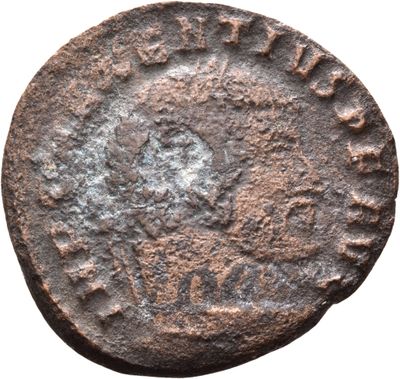


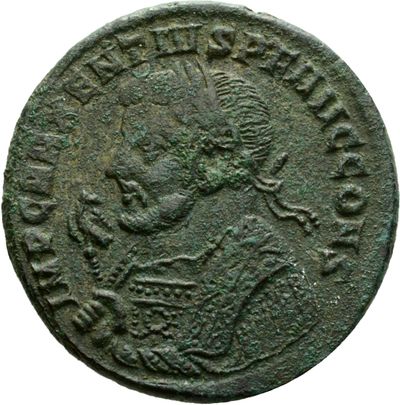
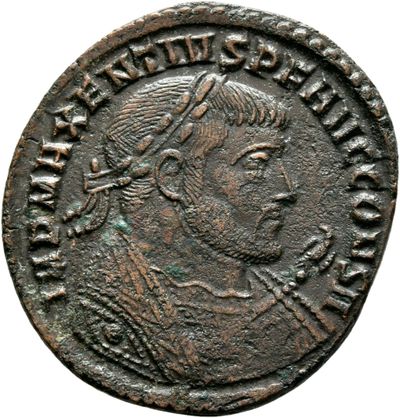
More types from Ostia


More AE2 types


You’ve attributed it. Now catalogue it
Record the attribution, weight, provenance, and photographs in your own NumisLens cabinet, a private catalogue built for ancient coins. Free for your first 50 coins.
Start your cabinet