Constantius Chlorus AE1, Mars reverse
RIC VI Aquileia 70a · 305 AD-306 AD · Aquileia
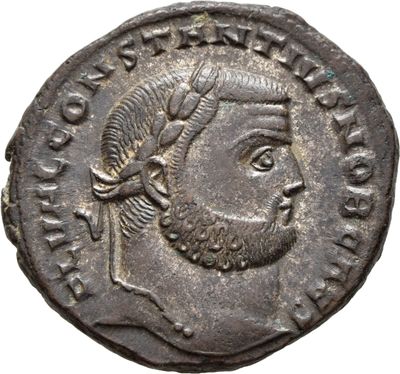
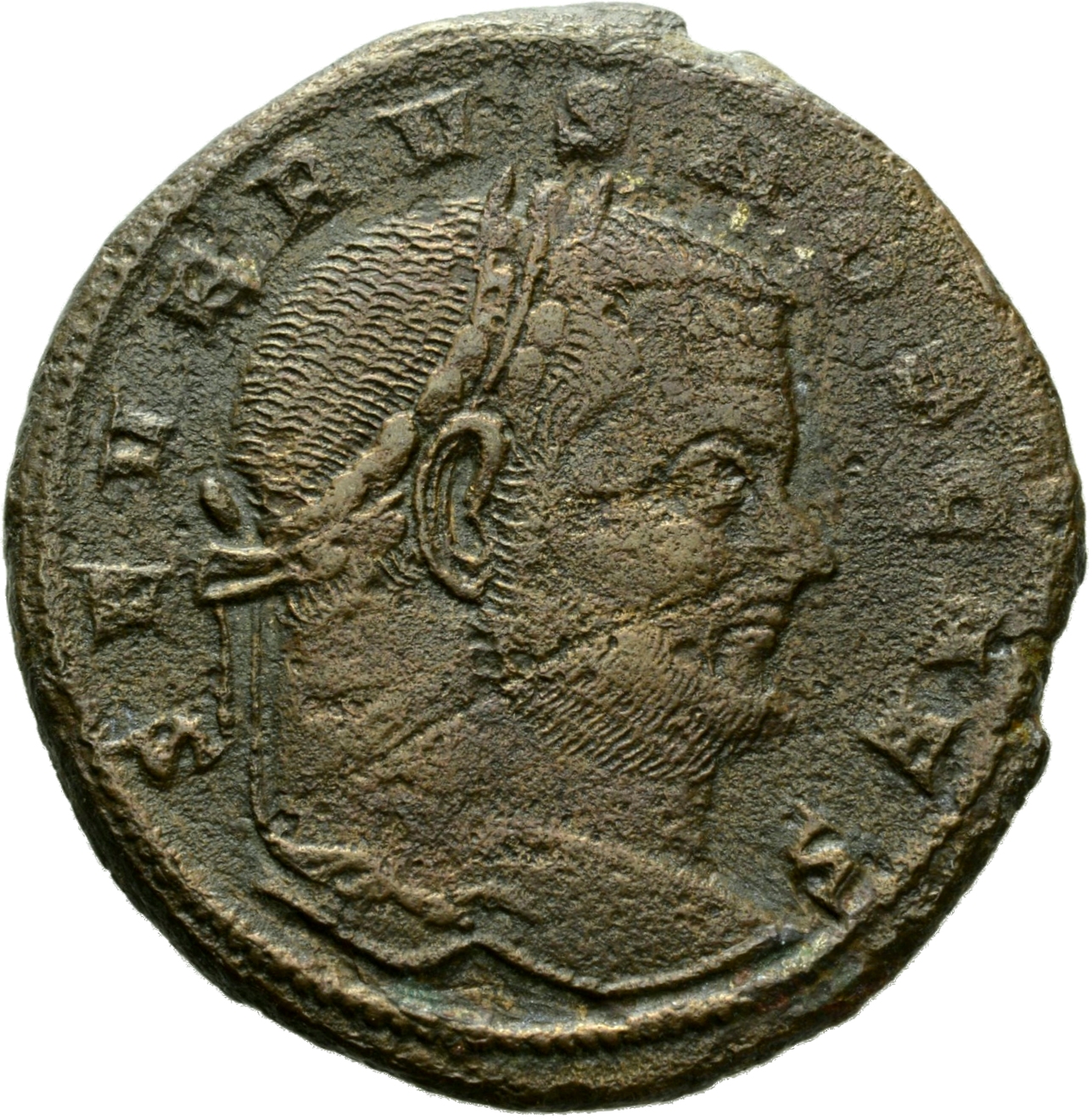 Obverse
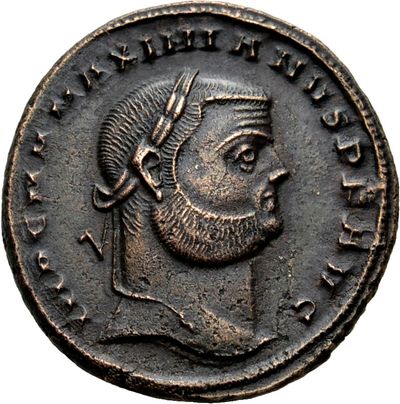
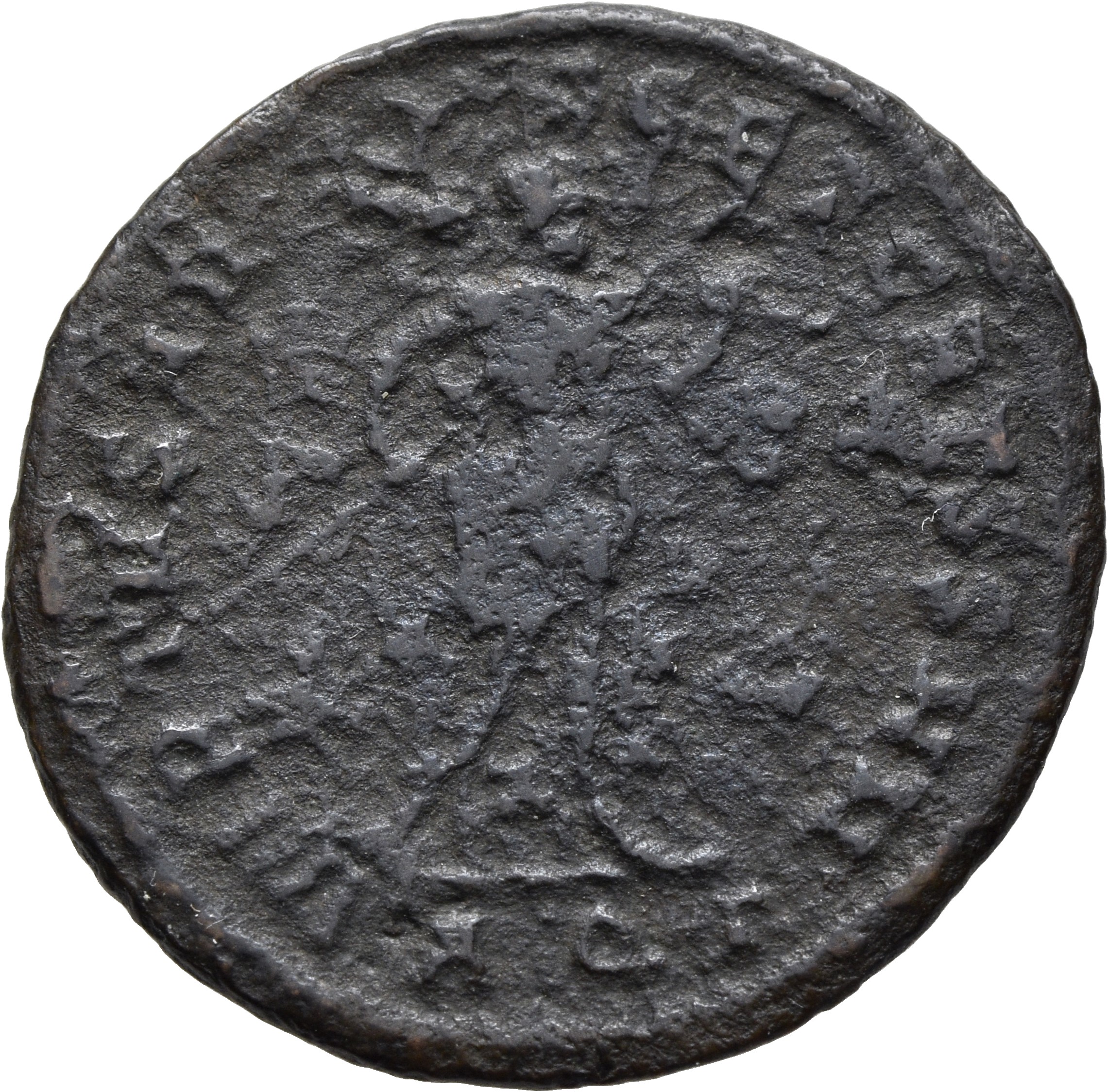 Reverse
Seminar für Alte Geschichte, Universität Freiburg
Obverse
SEVERVS NOB CAES
Head of Severus II, laureate, right
Reverse
VIRTVS AV-GG ET CAESS NN or VIRTVS A-V-G-G ET CAESS NN or VIRTVS AVGG - ET CAESS NN
Mars, helmeted, advancing right, holding transverse spear in right hand and trophy over left shoulder
About This Type
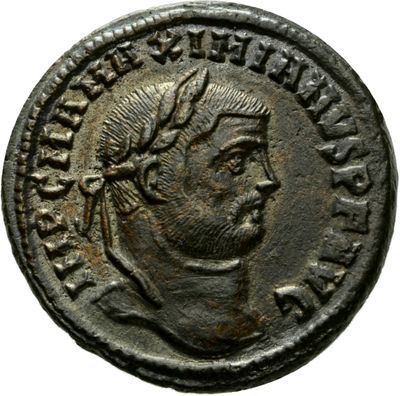
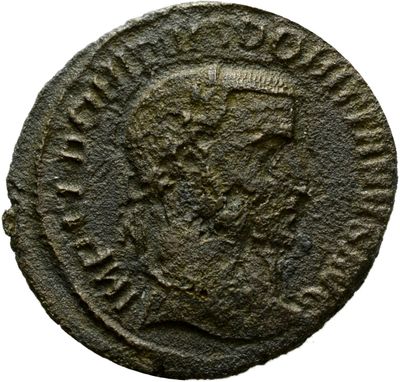
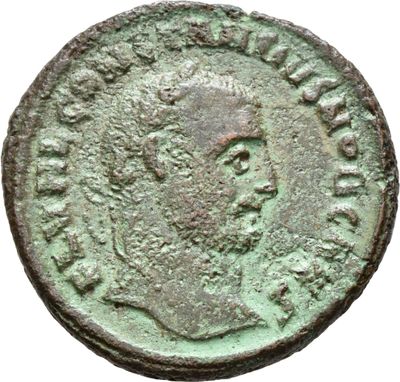
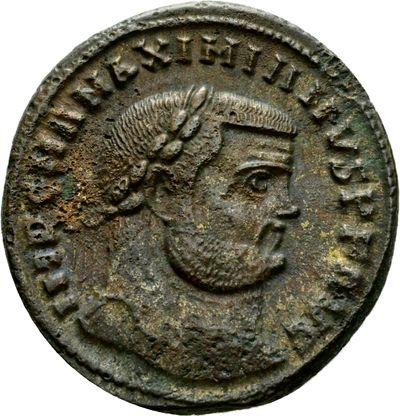
This RIC VI Aquileia 70a is an ae1 of Constantius Chlorus (305 AD-306 AD), struck at the Aquileia mint. The reverse depicts Mars, helmeted, advancing right, holding transverse spear in right hand and trophy over left shoulder. Struck in bronze at a standard weight of 8.17g, 29mm diameter.
About the AE1
AE1 is a modern size classification for large late Roman bronze coins with a diameter of 25mm or more. The term is used when the ancient denomination name is uncertain. Coins in this class include the large folles of Diocletian's reform and the heavy bronzes of the early Constantinian period.
About the Aquileia Mint
Aquileia (in northeastern Italy) was a late Roman mint operating from the late third through the early fifth century. It served as a major logistical hub for the northern Italian frontier.
Frequently Asked Questions
- What is RIC VI Aquileia 70a?
- RIC VI Aquileia 70a is a Bronze AE1 of Constantius Chlorus (305 AD-306 AD) struck at the Aquileia mint cataloged under RIC no. RIC VI Aquileia 70a.
- How do you identify RIC VI Aquileia 70a?
- The obverse depicts Head of Severus II, laureate, right with the inscription SEVERVS NOB CAES. The reverse depicts Mars, helmeted, advancing right, holding transverse spear in right hand and trophy over left shoulder with the inscription VIRTVS AV-GG ET CAESS NN or VIRTVS A-V-G-G ET CAESS NN or VIRTVS AVGG - ET CAESS NN. Portrait type: laureate.
- What are the physical specifications of RIC VI Aquileia 70a?
- RIC VI Aquileia 70a was struck in Bronze, standard weight 8.17g, diameter 29mm, die axis 6 h, struck.
More types of Constantius Chlorus

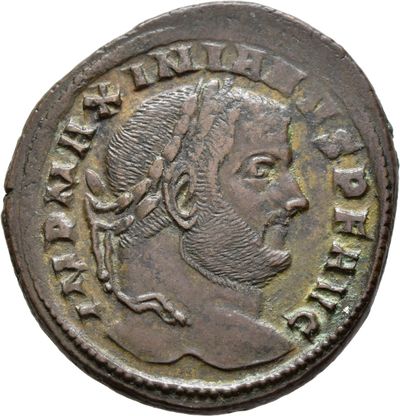
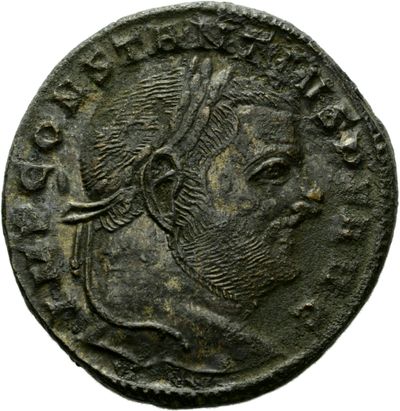

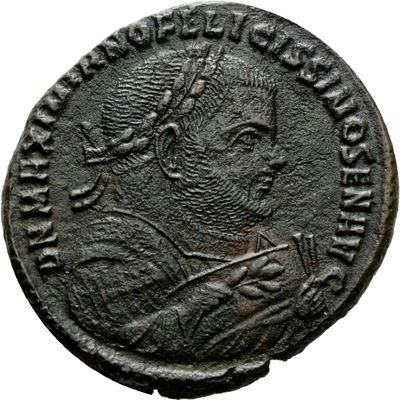

More types from Aquileia

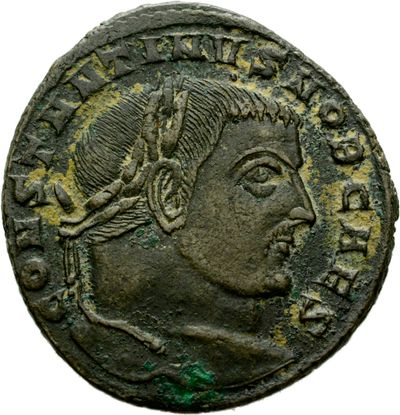
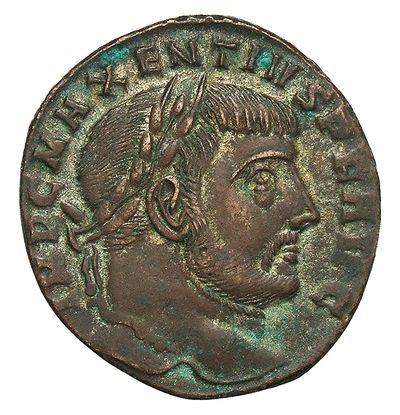
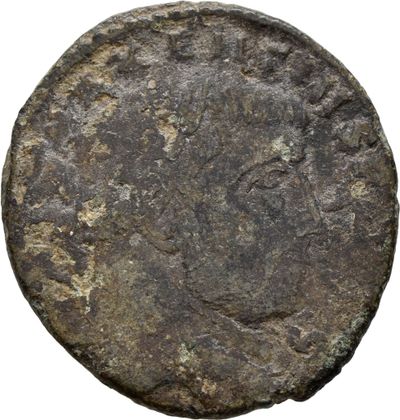
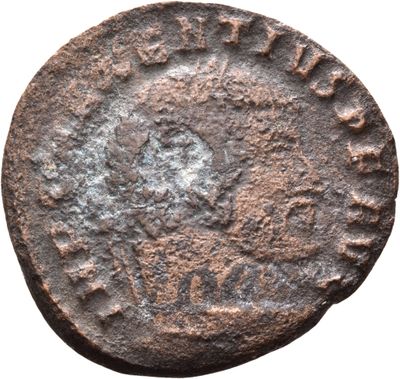


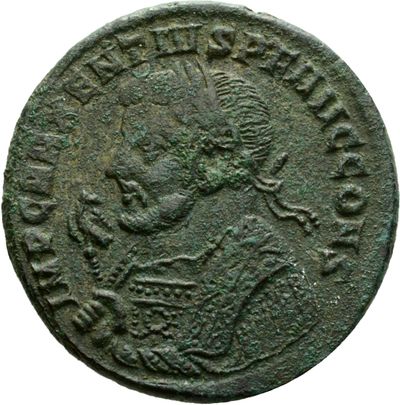
More AE1 types


You’ve attributed it. Now catalogue it
Record the attribution, weight, provenance, and photographs in your own NumisLens cabinet, a private catalogue built for ancient coins. Free for your first 50 coins.
Start your cabinet