Elagabalus Roman Medallion, Slow reverse
RIC IV Elagabalus 65 · 218 AD-222 AD · Rome
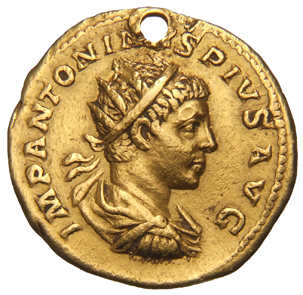 Obverse
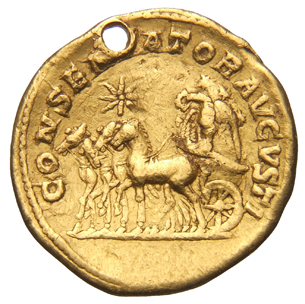 Reverse
Münzkabinett, Staatliche Museen zu Berlin
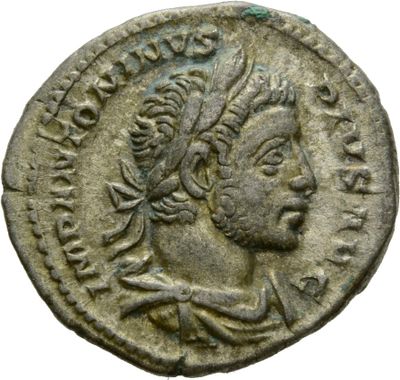
Obverse
IMP ANTONINVS PIVS AVG
Bust of Elagabalus, radiate, draped, cuirassed, right
Reverse
CONSERVATORI AVGVSTI
Slow quadriga moving left, on which is set the conical stone of Emesa surmounted by eagle; in field, star
About This Type
This RIC IV Elagabalus 65 is a roman medallion of Elagabalus (218 AD-222 AD), struck at the Rome mint. The reverse depicts Slow quadriga moving left, on which is set the conical stone of Emesa surmounted by eagle; in field, star. Struck in gold at a standard weight of 12.76g, 25mm diameter.
About the Roman Medallion
Roman medallions are oversized coins struck for presentation or commemorative purposes rather than circulation. They were given as imperial gifts and survive in very small numbers. Medallions are prized for their exceptional artistic quality and historical significance.
About the Rome Mint
The Rome mint was the principal mint of the Roman state from the Republic through the fall of the Western Empire. It produced the vast majority of gold and silver coinage and was the only mint for much of the first and second centuries AD.
Frequently Asked Questions
- What is RIC IV Elagabalus 65?
- RIC IV Elagabalus 65 is a Gold Roman Medallion of Elagabalus (218 AD-222 AD) struck at the Rome mint cataloged under RIC vol. IV no. IV Elagabalus 65.
- How do you identify RIC IV Elagabalus 65?
- The obverse depicts Bust of Elagabalus, radiate, draped, cuirassed, right with the inscription IMP ANTONINVS PIVS AVG. The reverse depicts Slow quadriga moving left, on which is set the conical stone of Emesa surmounted by eagle; in field, star with the inscription CONSERVATORI AVGVSTI. Portrait type: radiate.
- What are the physical specifications of RIC IV Elagabalus 65?
- RIC IV Elagabalus 65 was struck in Gold, standard weight 12.76g, diameter 25mm, die axis 12 h, struck.
More types of Elagabalus




More types from Rome
.aug.281/9a1765fed7484730_obverse.jpg?width=400&resize=contain)
.aug.287/bdcd13760759eb06_obverse.jpg?width=400&resize=contain)
.aug.288/d488d9c1f7bf9a9c_obverse.jpg?width=400&resize=contain)
.aug.291/3571266fbd5e3953_obverse.jpg?width=400&resize=contain)
.aug.292/59120d3e6051e9d0_obverse.jpg?width=400&resize=contain)
.aug.296/fccd3d7323935ed5_obverse.jpg?width=400&resize=contain)
.aug.297/133364f58d501195_obverse.jpg?width=400&resize=contain)
.aug.298/1f1d6edae2b8ca72_obverse.jpg?width=400&resize=contain)
More Roman Medallion types


You’ve attributed it. Now catalogue it
Record the attribution, weight, provenance, and photographs in your own NumisLens cabinet, a private catalogue built for ancient coins. Free for your first 50 coins.
Start your cabinet