Marcus Aurelius Aureus, Spes reverse
RIC III Marcus Aurelius 620 · 175 AD-176 AD · Rome
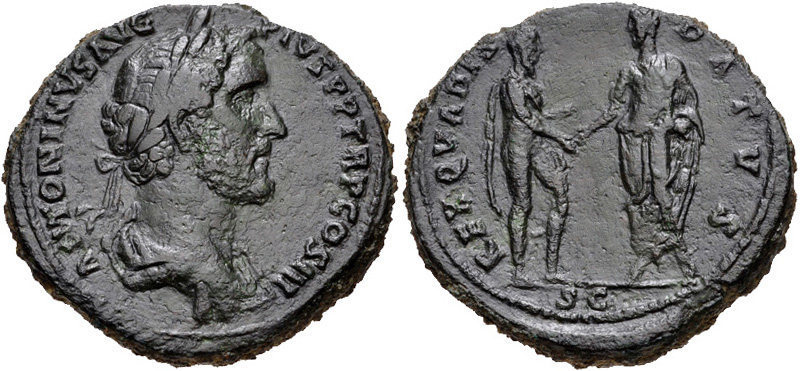 Obverse
CNG, CC-BY-SA-2.5, via Wikimedia Commons
Obverse
COMMODO CAES AVG FIL GERM SARM
Bust of Commodus, bare-headed, draped, cuirassed, right
Reverse
SPES PVBLICA
Spes, draped, advancing left, holding up flower-bud in right hand and gathering up fold of skirt in left hand
About This Type
This RIC III Marcus Aurelius 620 is an aureus of Marcus Aurelius (175 AD-176 AD), struck at the Rome mint. The reverse depicts Spes, draped, advancing left, holding up flower-bud in right hand and gathering up fold of skirt in left hand.
About the Aureus
The aureus was the principal Roman gold denomination, struck from the late Republic through the early fourth century. It typically weighs 7–8 grams and measures 19–21mm. Because gold does not corrode, aurei often survive in exceptional condition compared to silver and bronze issues of the same period.
About the Rome Mint
The Rome mint was the principal mint of the Roman state from the Republic through the fall of the Western Empire. It produced the vast majority of gold and silver coinage and was the only mint for much of the first and second centuries AD.
Frequently Asked Questions
- What is RIC III Marcus Aurelius 620?
- RIC III Marcus Aurelius 620 is a Gold Aureus of Marcus Aurelius (175 AD-176 AD) struck at the Rome mint cataloged under RIC vol. III no. III Marcus Aurelius 620.
- How do you identify RIC III Marcus Aurelius 620?
- The obverse depicts Bust of Commodus, bare-headed, draped, cuirassed, right with the inscription COMMODO CAES AVG FIL GERM SARM. The reverse depicts Spes, draped, advancing left, holding up flower-bud in right hand and gathering up fold of skirt in left hand with the inscription SPES PVBLICA. Portrait type: bare.
More types of Marcus Aurelius





More types from Rome
.aug.281/9a1765fed7484730_obverse.jpg?width=400&resize=contain)
.aug.287/bdcd13760759eb06_obverse.jpg?width=400&resize=contain)
.aug.288/d488d9c1f7bf9a9c_obverse.jpg?width=400&resize=contain)
.aug.291/3571266fbd5e3953_obverse.jpg?width=400&resize=contain)
.aug.292/59120d3e6051e9d0_obverse.jpg?width=400&resize=contain)
.aug.296/fccd3d7323935ed5_obverse.jpg?width=400&resize=contain)
.aug.297/133364f58d501195_obverse.jpg?width=400&resize=contain)
.aug.298/1f1d6edae2b8ca72_obverse.jpg?width=400&resize=contain)
More Aureus types
.aug.125/0aba25c9072dba94_obverse.jpg?width=400&resize=contain)
.aug.127/0b7746aa6c0db0dc_obverse.jpg?width=400&resize=contain)
.aug.135/b46980ebd45a6a3f_obverse.jpg?width=400&resize=contain)
.aug.138/1150ed37f86f9b73_obverse.jpg?width=400&resize=contain)
.aug.149A/b8bda8b436e370b5_obverse.jpg?width=400&resize=contain)
.aug.164A/b652652913d6d8f8_obverse.jpg?width=400&resize=contain)
.aug.168/f119a7920981ddd9_obverse.jpg?width=400&resize=contain)
.aug.170/8934e1a677c45542_obverse.jpg?width=400&resize=contain)
You’ve attributed it. Now catalogue it
Record the attribution, weight, provenance, and photographs in your own NumisLens cabinet, a private catalogue built for ancient coins. Free for your first 50 coins.
Start your cabinet