Trajan Aureus, Captive reverse
RIC II Trajan 826 · 98 AD-117 AD · Rome
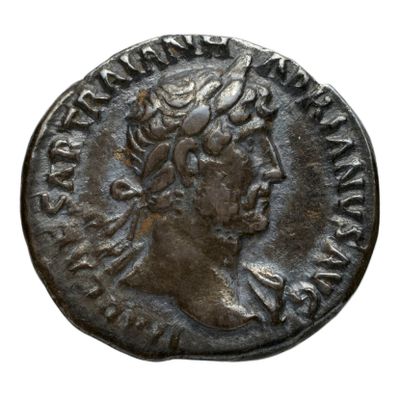
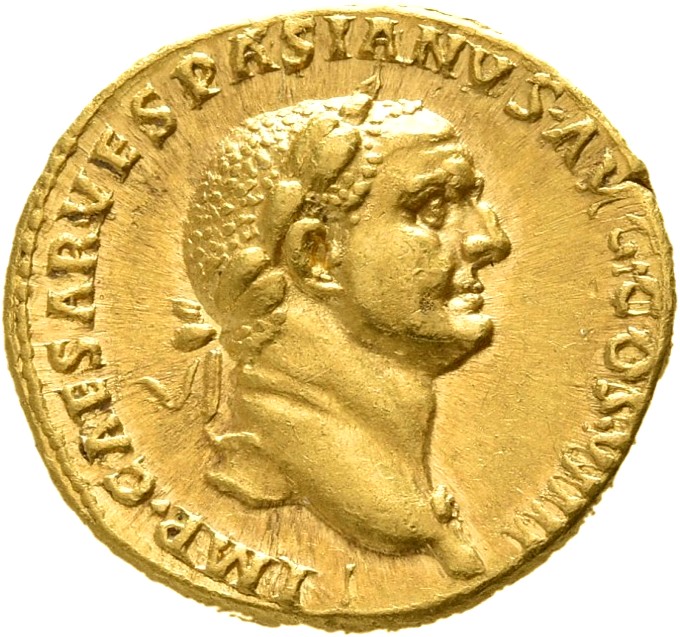 Obverse
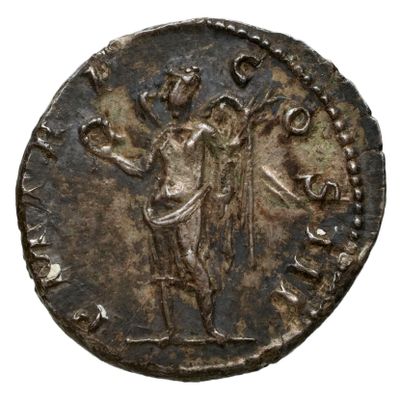
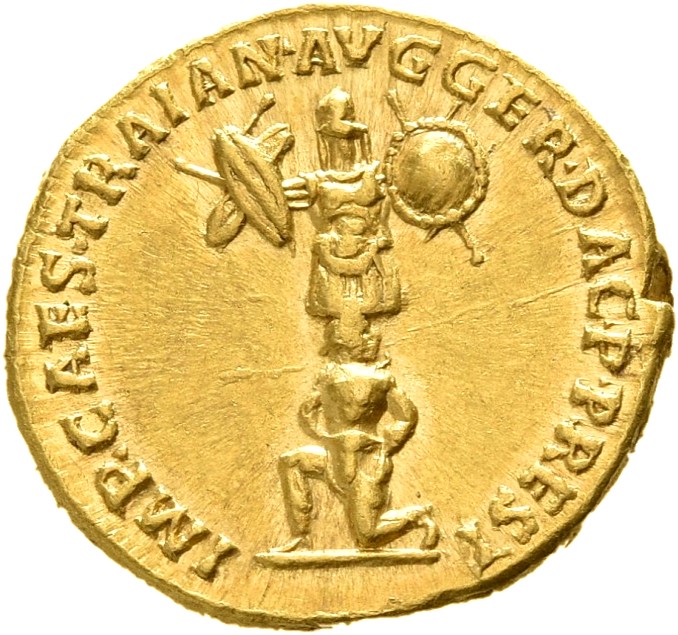 Reverse
Münzkabinett, Staatliche Museen zu Berlin
Obverse
IMP CAESAR VESPASIANVS AVG COS VIIII
Head of Vespasian, laureate, right
Reverse
IMP CAES TRAIAN AVG GER DAC P P REST
Captive kneeling left below trophy
About This Type
This RIC II Trajan 826 is an aureus of Trajan (98 AD-117 AD), struck at the Rome mint. The reverse depicts Captive kneeling left below trophy. Struck in gold at a standard weight of 7.35g, 19mm diameter.
About the Aureus
The aureus was the principal Roman gold denomination, struck from the late Republic through the early fourth century. It typically weighs 7–8 grams and measures 19–21mm. Because gold does not corrode, aurei often survive in exceptional condition compared to silver and bronze issues of the same period.
About the Rome Mint
The Rome mint was the principal mint of the Roman state from the Republic through the fall of the Western Empire. It produced the vast majority of gold and silver coinage and was the only mint for much of the first and second centuries AD.
Frequently Asked Questions
- What is RIC II Trajan 826?
- RIC II Trajan 826 is a Gold Aureus of Trajan (98 AD-117 AD) struck at the Rome mint cataloged under RIC vol. II no. II Trajan 826.
- How do you identify RIC II Trajan 826?
- The obverse depicts Head of Vespasian, laureate, right with the inscription IMP CAESAR VESPASIANVS AVG COS VIIII. The reverse depicts Captive kneeling left below trophy with the inscription IMP CAES TRAIAN AVG GER DAC P P REST. Portrait type: laureate.
- What are the physical specifications of RIC II Trajan 826?
- RIC II Trajan 826 was struck in Gold, standard weight 7.35g, diameter 19mm, die axis 6 h, struck.
More types of Trajan




More types from Rome
.aug.281/9a1765fed7484730_obverse.jpg?width=400&resize=contain)
.aug.287/bdcd13760759eb06_obverse.jpg?width=400&resize=contain)
.aug.288/d488d9c1f7bf9a9c_obverse.jpg?width=400&resize=contain)
.aug.291/3571266fbd5e3953_obverse.jpg?width=400&resize=contain)
.aug.292/59120d3e6051e9d0_obverse.jpg?width=400&resize=contain)
.aug.296/fccd3d7323935ed5_obverse.jpg?width=400&resize=contain)
.aug.297/133364f58d501195_obverse.jpg?width=400&resize=contain)
.aug.298/1f1d6edae2b8ca72_obverse.jpg?width=400&resize=contain)
More Aureus types
.aug.125/0aba25c9072dba94_obverse.jpg?width=400&resize=contain)
.aug.127/0b7746aa6c0db0dc_obverse.jpg?width=400&resize=contain)
.aug.135/b46980ebd45a6a3f_obverse.jpg?width=400&resize=contain)
.aug.138/1150ed37f86f9b73_obverse.jpg?width=400&resize=contain)
.aug.149A/b8bda8b436e370b5_obverse.jpg?width=400&resize=contain)
.aug.164A/b652652913d6d8f8_obverse.jpg?width=400&resize=contain)
.aug.168/f119a7920981ddd9_obverse.jpg?width=400&resize=contain)
.aug.170/8934e1a677c45542_obverse.jpg?width=400&resize=contain)
You’ve attributed it. Now catalogue it
Record the attribution, weight, provenance, and photographs in your own NumisLens cabinet, a private catalogue built for ancient coins. Free for your first 50 coins.
Start your cabinet