Clodius Macer Denarius, Aquila reverse
RIC I (second edition) Clodius Macer 9 · 68 AD · Carthage
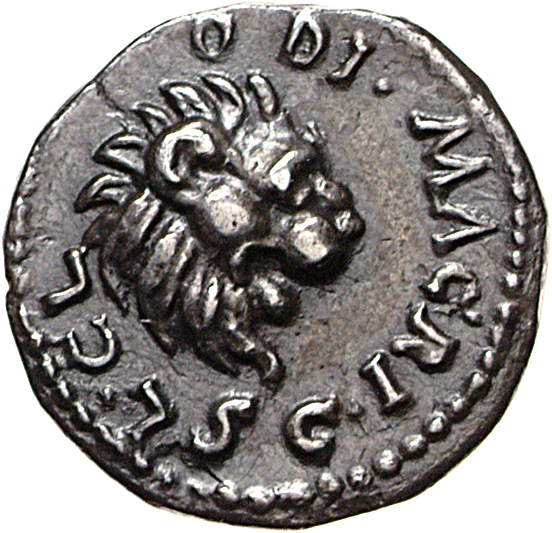 Obverse
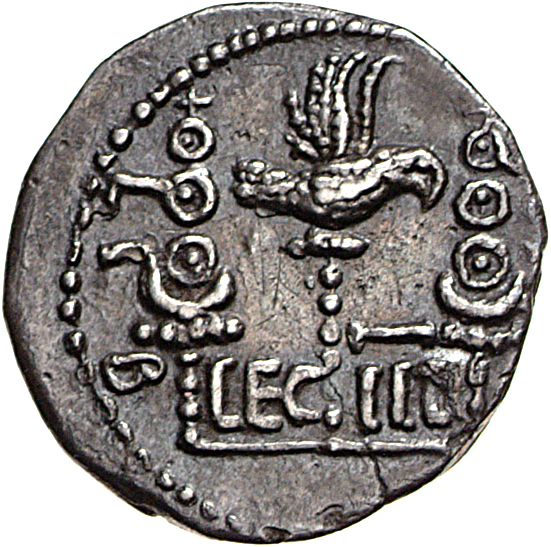 Reverse
Münzkabinett, Staatliche Museen zu Berlin
Obverse
L CLODI MACRI S C
Lion's head, right
Reverse
LIB LEG III
Aquila right, between two vexilla
About This Type
This RIC I (second edition) Clodius Macer 9 is a denarius of Clodius Macer (68 AD), struck at the Carthage mint. The reverse depicts Aquila right, between two vexilla. Struck in silver at a standard weight of 3.32g, 17mm diameter.
About the Denarius
The denarius was the standard Roman silver coin, struck from around 211 BC through the mid-third century AD. It typically weighs 3.5–4.0 grams and measures 17–20mm. Republican issues are cataloged under Crawford (RRC); imperial issues follow RIC volumes by ruler.
About the Carthage Mint
The Carthage mint produced coinage from the Punic period and was revived as a Roman mint in the late third century. It was the principal mint for North African coinage in the late empire.
Frequently Asked Questions
- What is RIC I (second edition) Clodius Macer 9?
- RIC I (second edition) Clodius Macer 9 is a Silver Denarius of Clodius Macer (68 AD) struck at the Carthage mint cataloged under RIC vol. I no. I (second edition) Clodius Macer 9.
- How do you identify RIC I (second edition) Clodius Macer 9?
- The obverse depicts Lion's head, right with the inscription L CLODI MACRI S C. The reverse depicts Aquila right, between two vexilla with the inscription LIB LEG III.
- What are the physical specifications of RIC I (second edition) Clodius Macer 9?
- RIC I (second edition) Clodius Macer 9 was struck in Silver, standard weight 3.32g, diameter 17mm, die axis 9 h, struck.
More types of Clodius Macer
More types from Carthage




More Denarius types
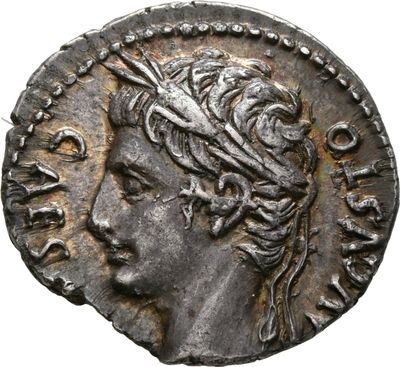
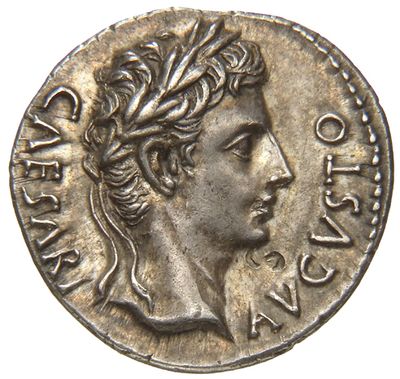

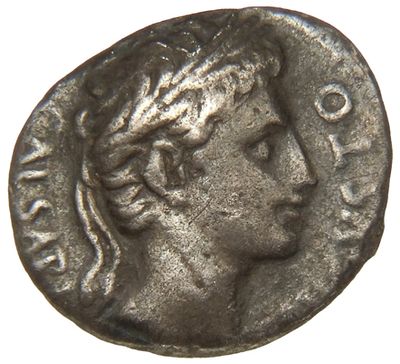

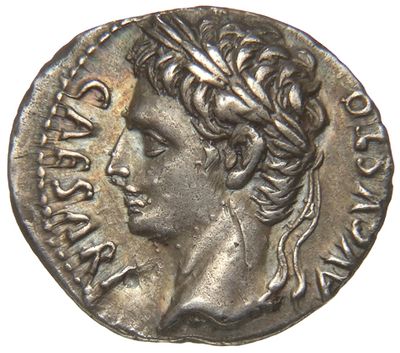
Does this type match your coin?
Compare the available photographs, legends, and details with your coin. If this type matches, add your own specimen to your cabinet with its catalog reference, then record its measurements, provenance, and photographs. Free for your first 50 coins.
Review this type