Augustus Cistophorus, Triumphal reverse
RIC I (second edition) Augustus 510 · 19 BC-18 BC · Pergamum
.aug.510/0b0d5f1994e1bdf3_obverse.jpg) Obverse
Obverse
.aug.510/7d25cec0b7496046_reverse.jpg) Reverse
Reverse
Seminar für Alte Geschichte, Universität Freiburg
Obverse
IMP IX TR PO V
Head of Augustus, bare, right
Reverse
S P R SIGNIS RECEPTIS
Triumphal arch inscribed IMP IX TR POT V surmounted by charioteer in quadriga; flanked by aquilas
About This Type
This RIC I (second edition) Augustus 510 is a cistophorus of Augustus (19 BC-18 BC), struck at the Pergamum mint. The reverse depicts Triumphal arch inscribed IMP IX TR POT V surmounted by charioteer in quadriga; flanked by aquilas. Struck in silver at a standard weight of 10.66g, 26mm diameter.
About the Pergamum Mint
Pergamum (modern Bergama, Turkey) was a mint of the Attalid kingdom and later a Roman provincial mint. Its Hellenistic coinage is among the finest of the ancient world.
Frequently Asked Questions
- What is RIC I (second edition) Augustus 510?
- RIC I (second edition) Augustus 510 is a Silver Cistophorus of Augustus (19 BC-18 BC) struck at the Pergamum mint cataloged under RIC vol. I no. I (second edition) Augustus 510.
- How do you identify RIC I (second edition) Augustus 510?
- The obverse depicts Head of Augustus, bare, right with the inscription IMP IX TR PO V. The reverse depicts Triumphal arch inscribed IMP IX TR POT V surmounted by charioteer in quadriga; flanked by aquilas with the inscription S P R SIGNIS RECEPTIS. Portrait type: bare.
- What are the physical specifications of RIC I (second edition) Augustus 510?
- RIC I (second edition) Augustus 510 was struck in Silver, standard weight 10.66g, diameter 26mm, die axis 11 h, struck.
More types of Augustus
.aug.100/d3acd9be1ba7e115_obverse.jpg?width=400&resize=contain)
.aug.105A/9cef552c13fc73bc_obverse.jpg?width=400&resize=contain)
.aug.105B/139c38abbaf5d68d_obverse.jpg?width=400&resize=contain)
.aug.108A/ac230fbb641c7b64_obverse.jpg?width=400&resize=contain)
.aug.108B/d50d969a41fa1e60_obverse.jpg?width=400&resize=contain)
.aug.110/07c39abe7cb94ba8_obverse.jpg?width=400&resize=contain)
.aug.115/09b1c784123b91ab_obverse.jpg?width=400&resize=contain)
.aug.117/8673511801147e46_obverse.jpg?width=400&resize=contain)
More types from Pergamum

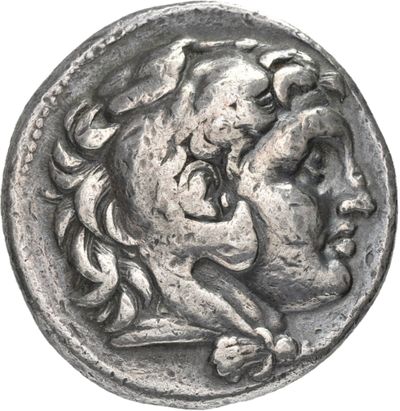
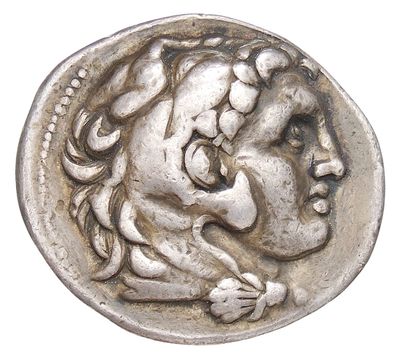
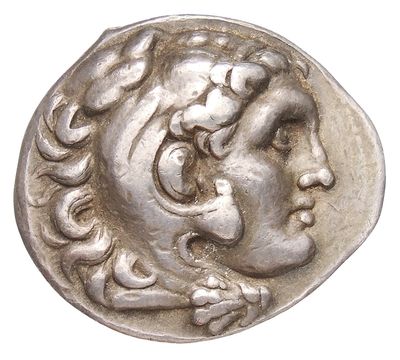
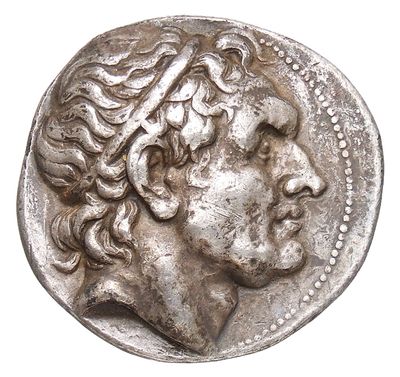
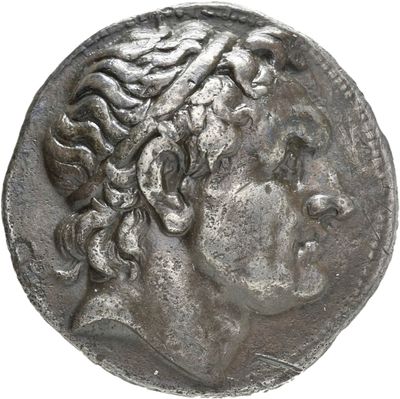
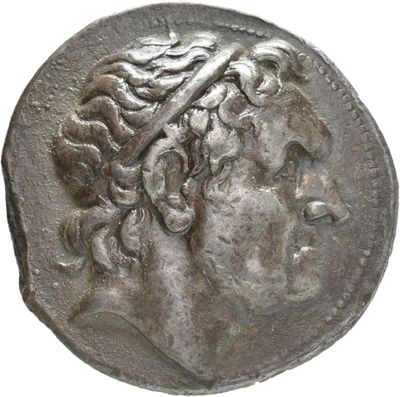
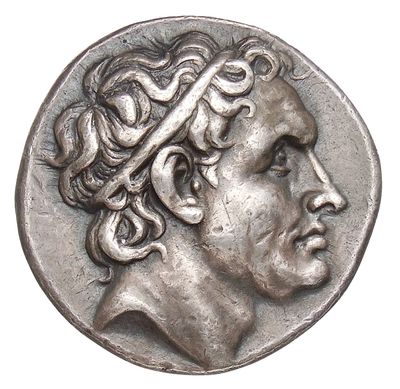
More Cistophorus types
.aug.477/cb13200d19b12b80_obverse.jpg?width=400&resize=contain)
.aug.478/e924d52be95018a3_obverse.jpg?width=400&resize=contain)
.aug.479/6126be0f8cd52024_obverse.jpg?width=400&resize=contain)
.aug.480/cb13200d19b12b80_obverse.jpg?width=400&resize=contain)
.aug.487/d2b030b440c4acb6_obverse.jpg?width=400&resize=contain)
.aug.506/da872a3d74d1ca7e_obverse.jpg?width=400&resize=contain)
.aug.507/7a3642e9b4af0792_obverse.jpg?width=400&resize=contain)
.cl.117/8874f030eedae22f_obverse.jpg?width=400&resize=contain)
You’ve attributed it. Now catalogue it
Record the attribution, weight, provenance, and photographs in your own NumisLens cabinet, a private catalogue built for ancient coins. Free for your first 50 coins.
Start your cabinet