Ptolemy II Stater, Eagle reverse
LORBER Coins of the Ptolemaic Empire Vol. I, Part 1, no. 561 · 275 BC-274 BC · Tyre
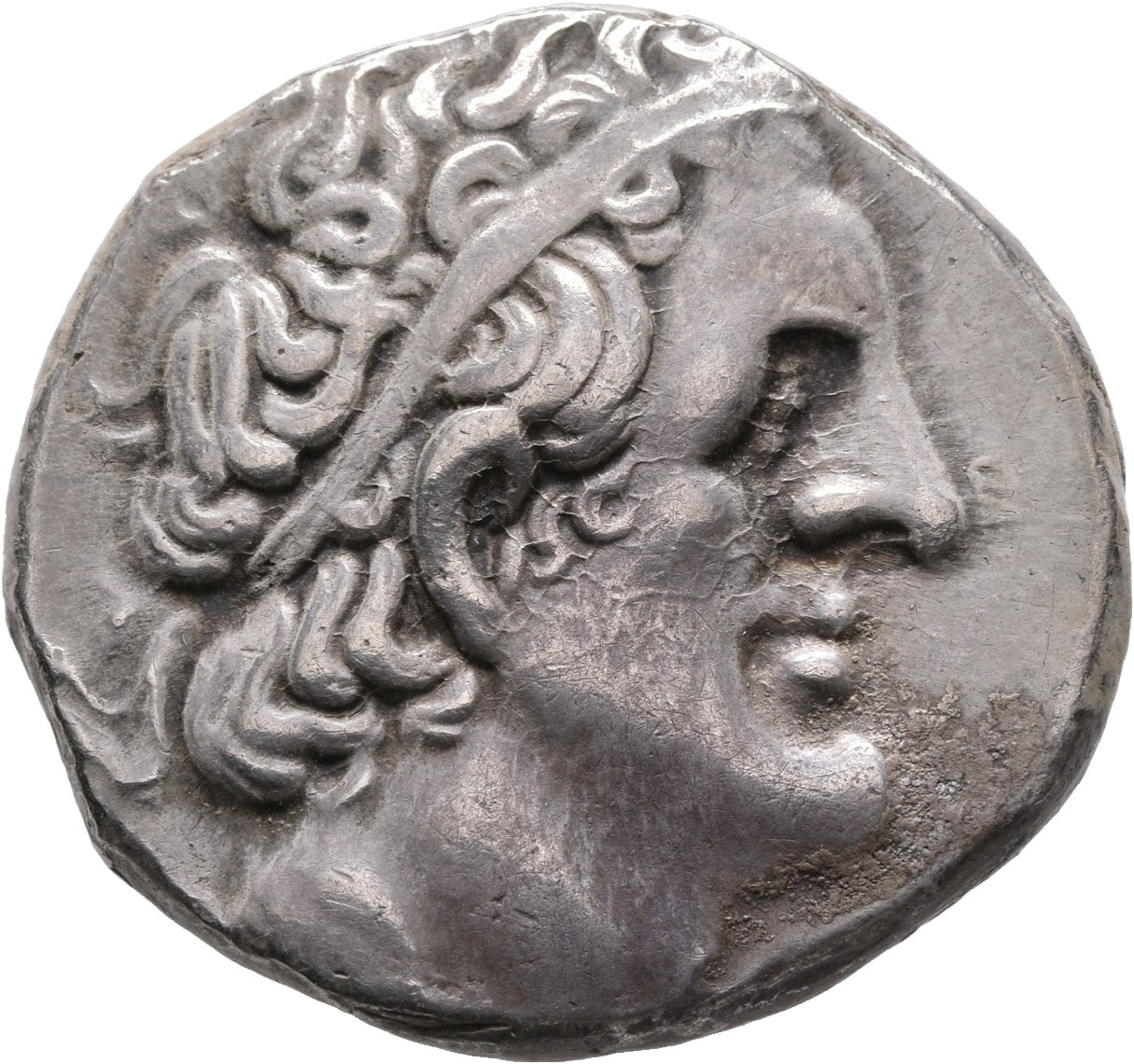 Obverse
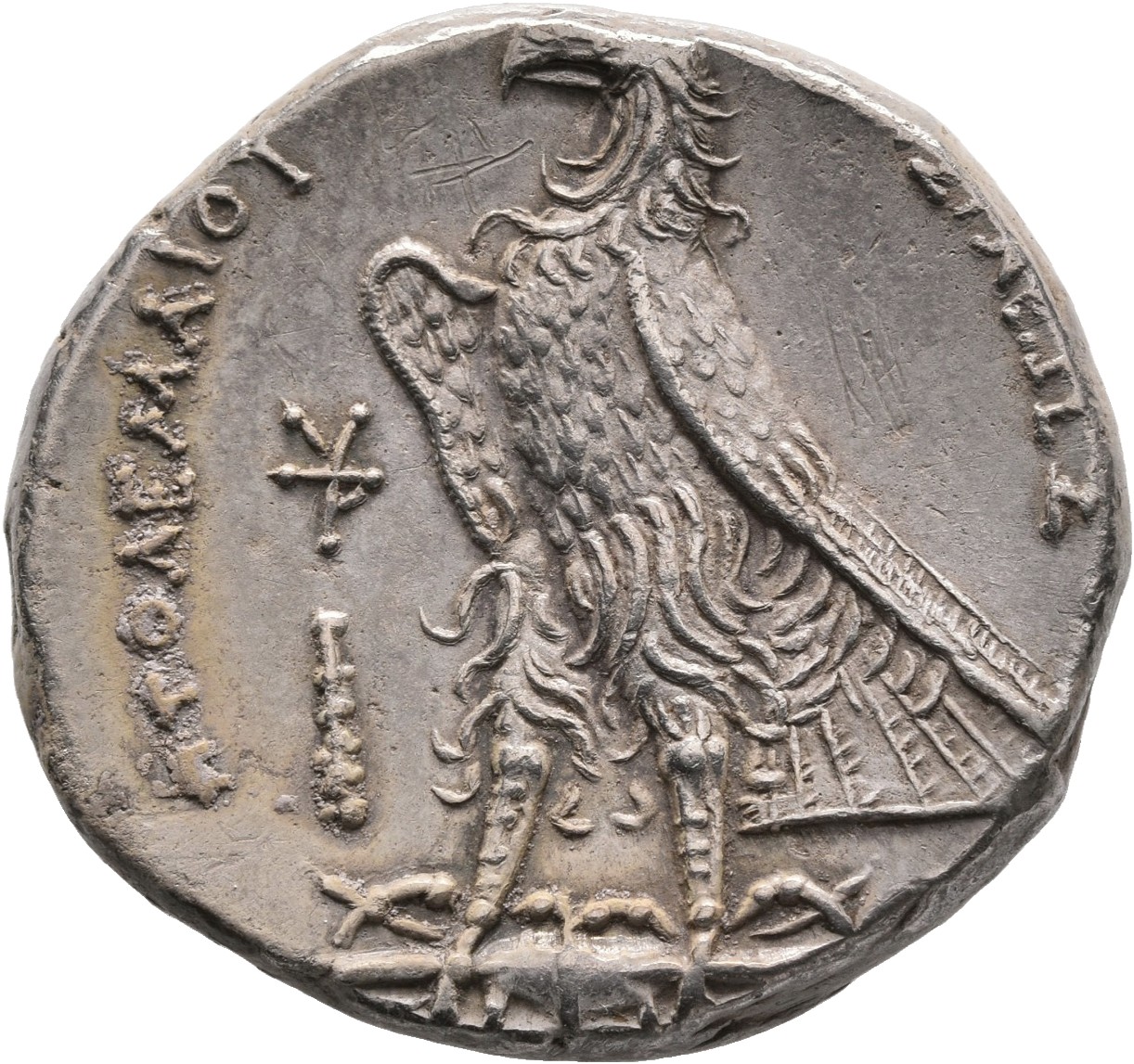 Reverse
Institut für Klassische Archäologie, Universität Tübingen
Obverse
Diademed Head of Ptolemy I right, aegis tied around neck, sometimes with tiny sigla behind ear, dotted border
Reverse
ΠΤΟΛΕΜΑΙΟΥ l. ΒΑΣΙΛΕΩΣ r.
Eagle with closed wings standing left on thunderbolt, dotted border
About This Type
This LORBER Coins of the Ptolemaic Empire Vol. I, Part 1, no. 561 is a stater of Ptolemy II (275 BC-274 BC), struck at the Tyre mint. The reverse depicts Eagle with closed wings standing left on thunderbolt, dotted border. Struck in silver at a standard weight of 14.17g, 27mm diameter.
About the Stater
The stater was a principal denomination in Greek coinage, struck in gold, electrum, or silver depending on the issuing authority. Gold staters typically weigh 8–8.5 grams on the Attic standard.
About the Tyre Mint
Tyre (in modern Lebanon) was a major Phoenician and later Seleucid and Roman provincial mint. Its silver shekels are identified in biblical tradition as the 'thirty pieces of silver.'
Frequently Asked Questions
- What is LORBER Coins of the Ptolemaic Empire Vol. I, Part 1, no. 561?
- LORBER Coins of the Ptolemaic Empire Vol. I, Part 1, no. 561 is a Silver Stater of Ptolemy II (275 BC-274 BC) struck at the Tyre mint cataloged under Lorber no. Coins of the Ptolemaic Empire Vol. I, Part 1, no. 561.
- How do you identify LORBER Coins of the Ptolemaic Empire Vol. I, Part 1, no. 561?
- The obverse depicts Diademed Head of Ptolemy I right, aegis tied around neck, sometimes with tiny sigla behind ear, dotted border. The reverse depicts Eagle with closed wings standing left on thunderbolt, dotted border with the inscription ΠΤΟΛΕΜΑΙΟΥ l. ΒΑΣΙΛΕΩΣ r.. Portrait type: diademed.
- What are the physical specifications of LORBER Coins of the Ptolemaic Empire Vol. I, Part 1, no. 561?
- LORBER Coins of the Ptolemaic Empire Vol. I, Part 1, no. 561 was struck in Silver, standard weight 14.17g, diameter 27mm, die axis 12 h, struck.
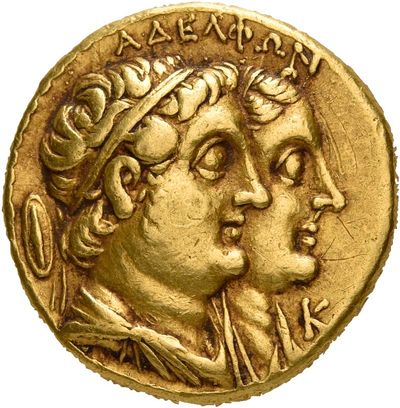
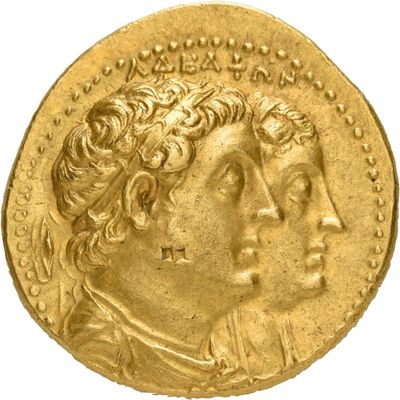
More types of Ptolemy II



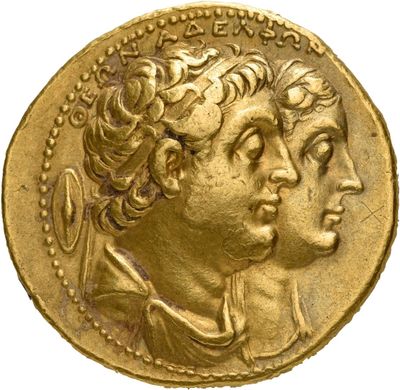
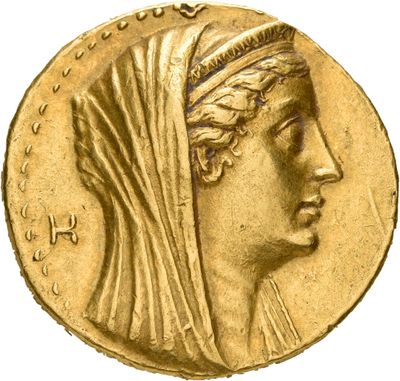
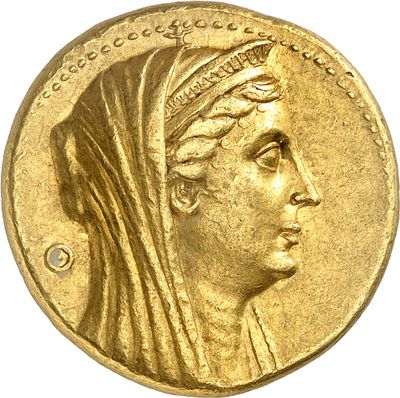
More types from Tyre



More Stater types


You’ve attributed it. Now catalogue it
Record the attribution, weight, provenance, and photographs in your own NumisLens cabinet, a private catalogue built for ancient coins. Free for your first 50 coins.
Start your cabinet