Antiochus I Denomination D Sco, Apollo reverse
HOUGHTON Seleucid Coins (part 1) 420 · 278 BC-261 BC · Ecbatana
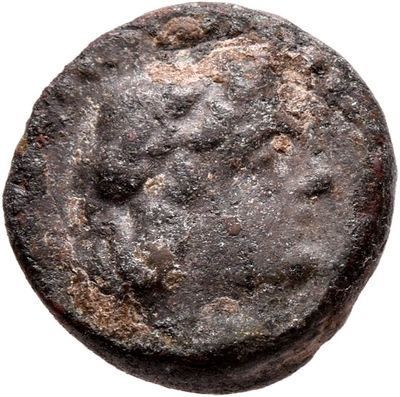
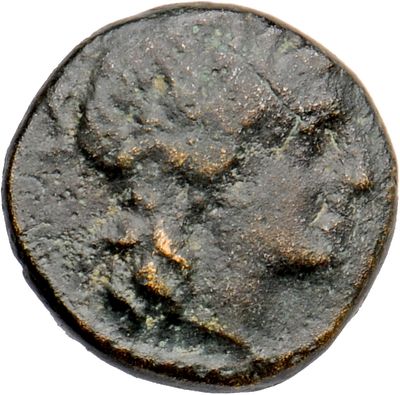
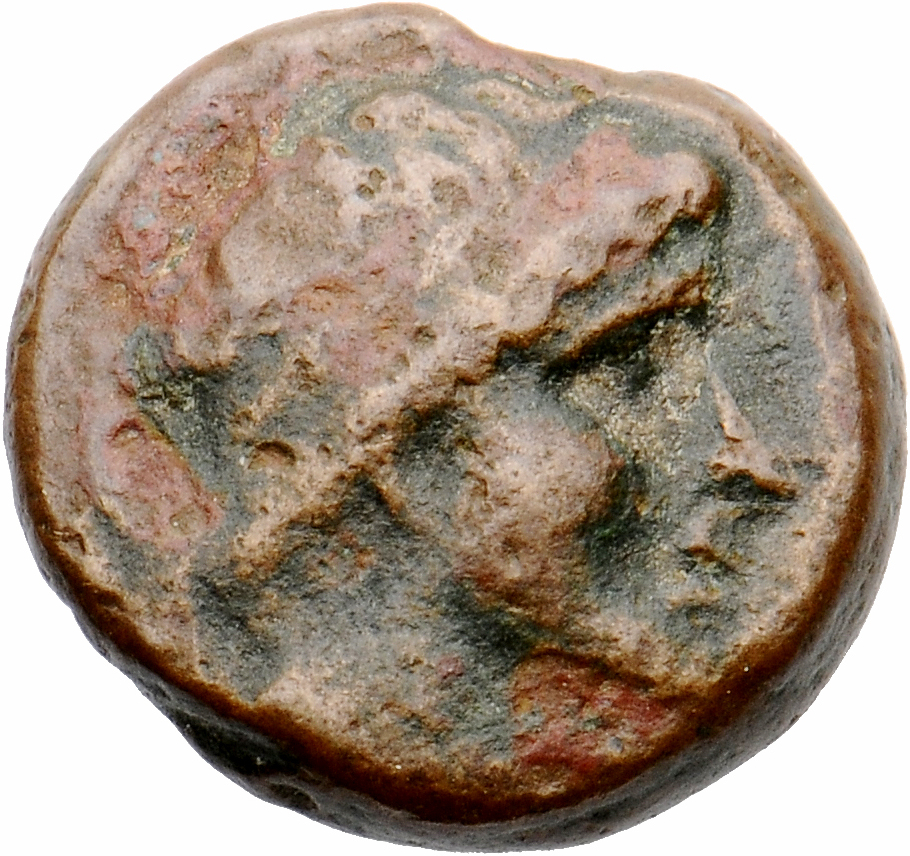 Obverse
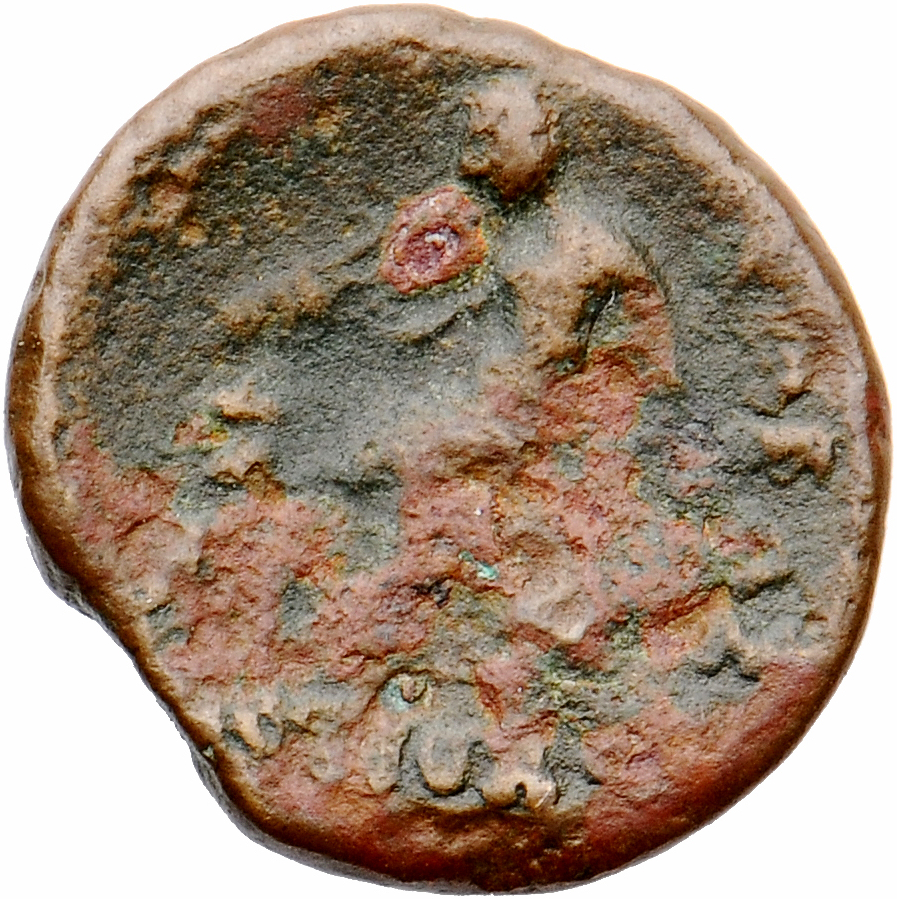 Reverse
Archäologisches Museum der Universität Münster
Obverse
Diademed head of Antiochus I right
Reverse
BAΣΙΛΕΩΣ ANTIOXOY
Apollo seated left on omphalos, holding three arrows and resting left hand on grounded bow
About This Type
This HOUGHTON Seleucid Coins (part 1) 420 is a denomination d sco of Antiochus I (278 BC-261 BC), struck at the Ecbatana mint. The reverse depicts Apollo seated left on omphalos, holding three arrows and resting left hand on grounded bow. Struck in bronze at a standard weight of 1.46g, 13mm diameter.
About the Ecbatana Mint
Ecbatana (modern Hamadan, Iran) was a major mint of the Seleucid empire and later the Parthian kingdom. It produced coinage from the conquests of Alexander through the Hellenistic period.
Frequently Asked Questions
- What is HOUGHTON Seleucid Coins (part 1) 420?
- HOUGHTON Seleucid Coins (part 1) 420 is a Bronze Denomination D Sco of Antiochus I (278 BC-261 BC) struck at the Ecbatana mint cataloged under Houghton no. Seleucid Coins (part 1) 420.
- How do you identify HOUGHTON Seleucid Coins (part 1) 420?
- The obverse depicts Diademed head of Antiochus I right. The reverse depicts Apollo seated left on omphalos, holding three arrows and resting left hand on grounded bow with the inscription BAΣΙΛΕΩΣ ANTIOXOY. Portrait type: diademed.
- What are the physical specifications of HOUGHTON Seleucid Coins (part 1) 420?
- HOUGHTON Seleucid Coins (part 1) 420 was struck in Bronze, standard weight 1.46g, diameter 13mm, die axis 3 h, struck.
More types of Antiochus I
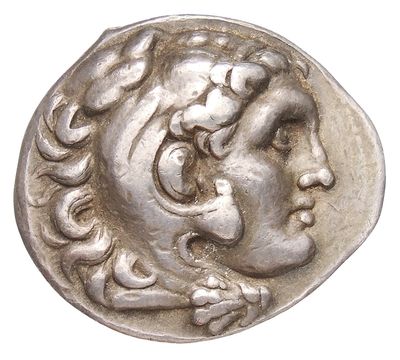
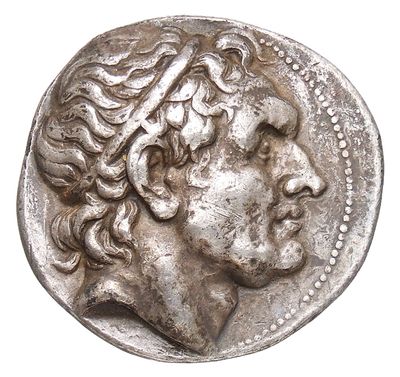
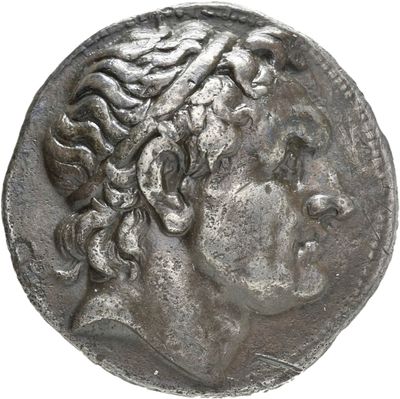
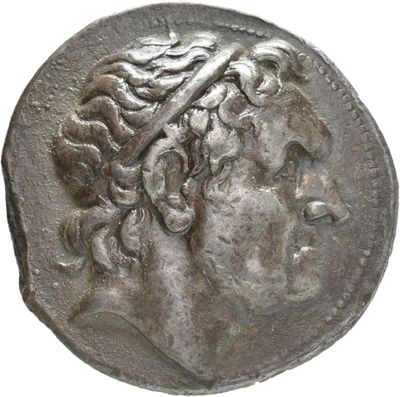
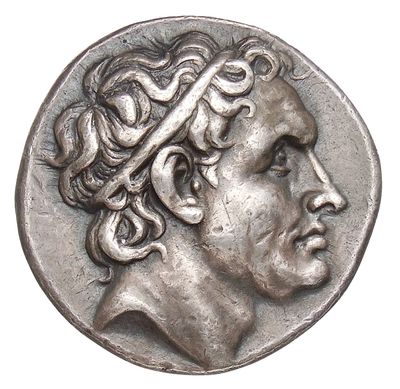
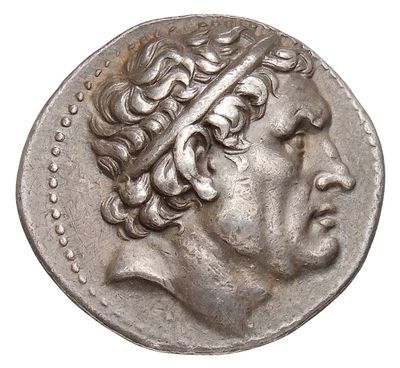
More types from Ecbatana
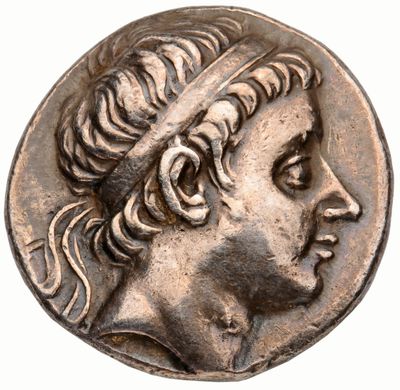


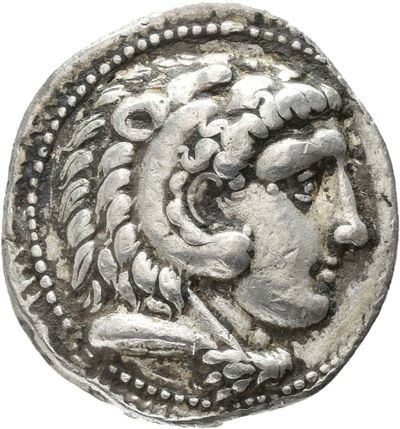

More Denomination D Sco types



You’ve attributed it. Now catalogue it
Record the attribution, weight, provenance, and photographs in your own NumisLens cabinet, a private catalogue built for ancient coins. Free for your first 50 coins.
Start your cabinet