Ephesus Mint
46 cataloged coin types across 4 rulers
Ephesus was a major mint in western Asia Minor with a minting history spanning from the archaic period through the Roman imperial era. The city's earliest coinage includes electrum issues that are among the oldest coins in existence, and its classical and Hellenistic silver coinage features the distinctive bee-and-stag types associated with the cult of Artemis Ephesia. Under Rome, Ephesus served as an important provincial and occasional imperial mint. Augustus used Ephesus as a supplementary mint for precious metal coinage, producing denarii and aurei with a distinctive style that differs from contemporary Rome and Lugdunum issues, these "eastern mint" coins of Augustus are an active area of scholarly and collector interest. The city also struck cistophori (large silver coins with Dionysiac imagery) under both the late Republic and early Empire, a series that continued into the reign of Hadrian. Roman provincial bronze coinage of Ephesus is extensive and features the temple of Artemis among its most recognisable types. For collectors, Ephesus offers multiple distinct collecting areas: archaic electrum, classical silver bee types, Augustan imperial issues, cistophori, and provincial bronze, each with its own reference literature and specialist market.
Coin Types (46)
.aug.477/cb13200d19b12b80_obverse.jpg?width=400&resize=contain)
.aug.478/e924d52be95018a3_obverse.jpg?width=400&resize=contain)
.aug.479/6126be0f8cd52024_obverse.jpg?width=400&resize=contain)
.aug.480/cb13200d19b12b80_obverse.jpg?width=400&resize=contain)
.aug.484/e793fbd3456533eb_obverse.jpg?width=400&resize=contain)
.aug.485/23c4e6cb61acfcf5_obverse.jpg?width=400&resize=contain)
.aug.486/eaa700e4bde589ae_obverse.jpg?width=400&resize=contain)
.cl.117/8874f030eedae22f_obverse.jpg?width=400&resize=contain)
.cl.118/f837ee5099e0686c_obverse.jpg?width=400&resize=contain)
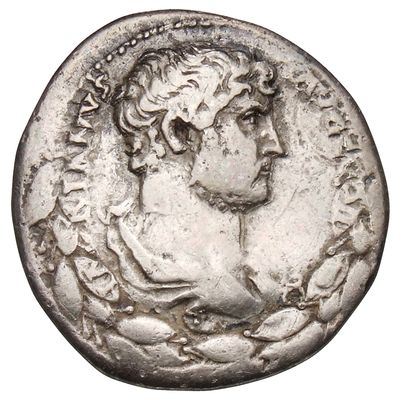
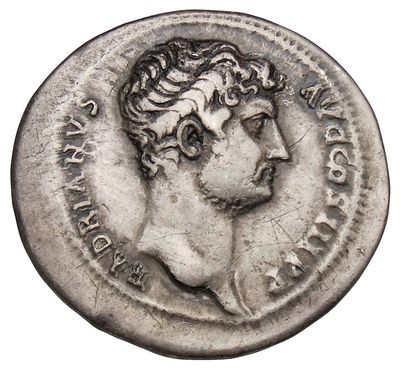
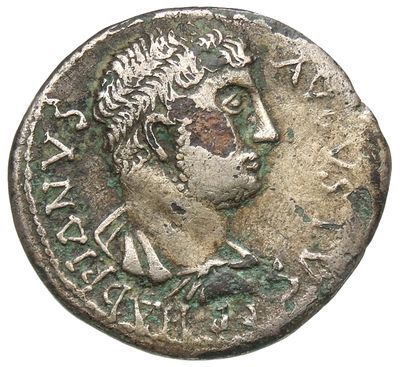
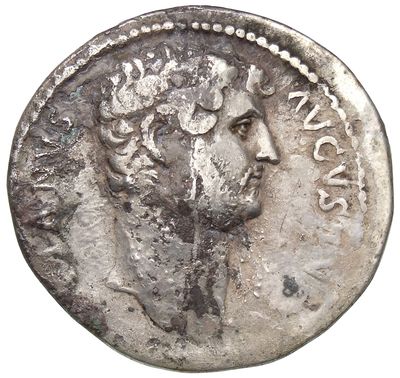


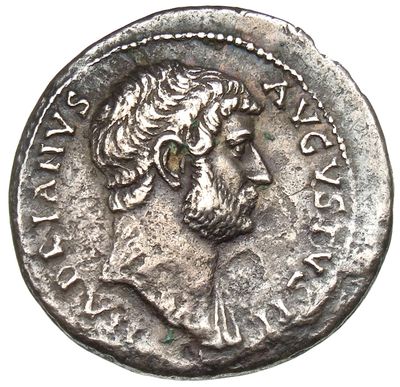
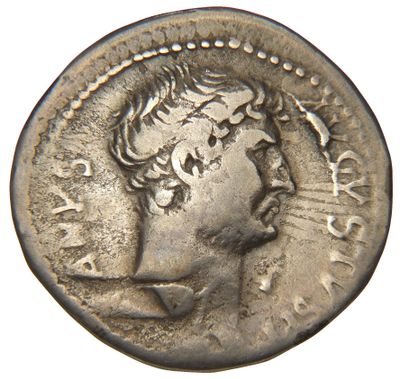

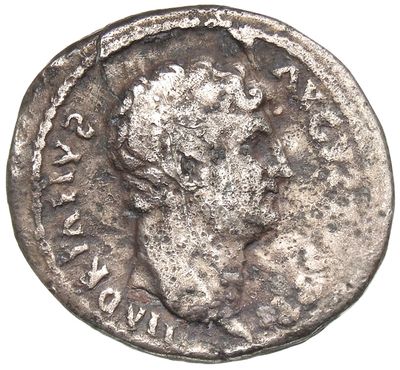


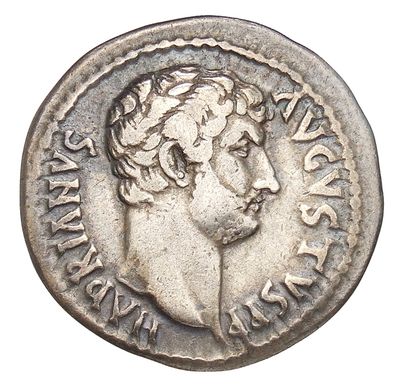
.ves.1395/1186f4db99fe8cb8_obverse.jpg?width=400&resize=contain)
.ves.1396/121e524aa3c04def_obverse.jpg?width=400&resize=contain)
.ves.1397/ce45b5c12bfeaa89_obverse.jpg?width=400&resize=contain)
.ves.1399/40d639552501c907_obverse.jpg?width=400&resize=contain)
.ves.1400/bc1a777ab98bf61b_obverse.jpg?width=400&resize=contain)
.ves.1411/af65edcdd1ffa8ab_obverse.jpg?width=400&resize=contain)
.ves.1412/52c143a98571fde9_obverse.jpg?width=400&resize=contain)
.ves.1415/bba4124924a3edf3_obverse.jpg?width=400&resize=contain)
.ves.1421/6ec2bda5fcc0554f_obverse.jpg?width=400&resize=contain)
.ves.1431/70754948d35bd94b_obverse.jpg?width=400&resize=contain)
.ves.1456/ec1ea26d94799012_obverse.jpg?width=400&resize=contain)
.ves.1457/4a871733fa958ae3_obverse.jpg?width=400&resize=contain)
.ves.1471/f7774b26d82f33cf_obverse.jpg?width=400&resize=contain)
.ves.1477/355ff9dad87133b4_obverse.jpg?width=400&resize=contain)
.ves.1479/282d71bdc2db961e_obverse.jpg?width=400&resize=contain)
.ves.1481/cf7fb4472bc2e7a0_obverse.jpg?width=400&resize=contain)
.ves.1486/91154d40933aadc7_obverse.jpg?width=400&resize=contain)
.ves.1497/df5eea2ad9d46382_obverse.jpg?width=400&resize=contain)
.ves.1508/272d79c30b850e28_obverse.jpg?width=400&resize=contain)
.ves.1517/ca64fb6a332dfa5f_obverse.jpg?width=400&resize=contain)
.ves.1519/cb1d3b46050f4bcf_obverse.jpg?width=400&resize=contain)
.ves.1521/9c13676a36fa8b47_obverse.jpg?width=400&resize=contain)
You’ve attributed it. Now catalogue it
Record the attribution, weight, provenance, and photographs in your own NumisLens cabinet, a private catalogue built for ancient coins. Free for your first 50 coins.
Start your cabinet